The Difference Between a Transmission Flush and a Simple Drain
One sweltering afternoon, I was halfway through my daily drive when I suddenly felt a strange hesitation in my car’s shifting gears. My heart sank—I knew I was staring at a potential transmission problem. After years of DIY maintenance and countless visits to the shop, I realized I’d been missing out on understanding the real difference between a transmission flush and a simple drain.
That moment was a lightbulb for me—and perhaps for you too. If you’re wondering whether to opt for a transmission flush or just a drain during your next service, you’re not alone. Many car owners grapple with this choice, often unaware that it can impact their vehicle’s longevity and performance.
Deciding Between a Transmission Flush and a Simple Drain
Today, we’re going to clear up that confusion once and for all. I’ll share what I’ve learned through firsthand experience, help you understand the pros and cons, and guide you toward making the best decision for your vehicle’s health. Because trust me, choosing incorrectly can lead to costly repairs down the road. Curious to find out which option will serve your car best? Let’s dive in.
Skeptical? Here’s What You Need to Know
When I first started, I thought a simple drain would suffice—like an oil change. I was wrong. An early mistake of mine was assuming all transmission service methods are equal, which isn’t true. That mistake cost me more than I’d like to admit. According to an ASE-certified mechanic, ignoring the specific needs of your transmission can cause accelerated wear and break down faster than expected. Want to avoid that? Keep reading for the facts that could save you money and headaches.
If you’re serious about maintaining your vehicle properly, understanding the difference can be a game-changer. Not only does it influence how long your transmission lasts, but it also affects how smoothly your car shifts and operates. Ready to get serious about your car’s transmission health? Let’s explore the details and get you the knowledge you need to make an informed choice.
Prepare Your Vehicle and Gather Tools
Before diving into transmission maintenance, ensure your vehicle is parked on a level surface with the parking brake engaged. Gather all necessary tools, including a socket set, transmission fluid catch pan, funnel, and gloves. Having everything ready prevents interruptions during the process. I once started a drain without proper tools, which led to spills and delays, so meticulous prep is crucial.
Drain the Old Transmission Fluid Correctly
Locate the transmission pan drain plug—consult your vehicle’s manual if unsure. Place the catch pan beneath the drain plug, then carefully loosen it with the socket wrench. Remember, transmission fluid is hot and can cause burns, so wear gloves and work cautiously. This step is simple but vital; neglecting it can cause debris to recirculate or old fluid to linger, affecting performance. I once rushed this step, and it resulted in residual sludge contaminating new fluid — a mistake I learned the hard way.
Remove and Clean the Transmission Pan
After draining, remove the transmission pan bolts and gently lower it. Clean the pan thoroughly using a lint-free cloth and a suitable solvent to remove debris and varnish buildup. Inspect the pan’s magnet for metal shavings, which indicate internal wear. When I did this, I found metal shavings that signaled excessive wear, prompting me to seek professional advice instead of risking further damage.
Replace the Transmission Filter and Gasket
Before reinstalling the pan, replace the transmission filter if accessible. Remove the old filter, install the new one following manufacturer instructions, and fit a new gasket to prevent leaks. Proper sealing is essential; a weak gasket can cause fluid loss and damage. I once reused an old gasket, which led to a slow leak, and realized that investing in quality replacement parts saves money in the long run.
Refill with Fresh Transmission Fluid
Using a funnel, refill the transmission with the recommended type and amount of new fluid. Checking the owner’s manual or visiting the manufacturer’s website helps verify correct specifications. After refilling, start the engine, shift through all gears, and recheck fluid levels. I made the mistake of overfilling once; it caused shifting issues. Always add fluid gradually and monitor the dipstick for proper level.
Test Drive and Final Checks
Take a short drive to circulate the new fluid and assess shifting. Park the vehicle, recheck the fluid level, and top up if necessary. Observe for leaks around the pan and gasket. During my first attempt, I noticed a small leak and had to tighten the pan bolts further, which resolved the issue. Regularly perform this check to avoid future problems, and consider consulting an ASE-certified mechanic to ensure comprehensive service. For more insights, visit transmission troubleshooting tips.
What Many People Overlook About ASE Certification and Car Maintenance
Everyone assumes that an ASE certification guarantees expert-level knowledge, but in my experience, the significance lies more in the specific specialization of the technician. Many shop owners advertise ASE-certified mechanics, yet overlook whether those mechanics are experienced with your particular vehicle type or problem. This misconception can leave drivers trusting credentials over real-world expertise—a risky trap to fall into.
Beware of the Myths Surrounding Oil Changes and Transmission Service
A common myth is that more frequent oil changes or transmission flushes always extend vehicle lifespan. While regular maintenance is critical, overdoing it can cause unnecessary wear or harm. For instance, excessive oil changes can lead to oil filter debris being flushed into sensitive engine parts, paradoxically increasing wear. Similarly, a transmission flush isn’t always ideal; sometimes, a simple drain suffices, especially if the transmission shows no signs of sludge buildup.
Let’s dig deeper into the nuances that most overlook: understanding when and why specific services matter, rather than just preferring the latest trend.
The Hidden Risks of Discounted Services and Quick Fixes
Many car owners opt for the cheapest or fastest service, thinking it saves money. But in reality, rushing through maintenance often causes more harm than good. For example, skipping a comprehensive inspection can leave subtle issues unnoticed, leading to costly repairs later. This is especially true for complex systems like transmissions, where improper fluid replacements can cause shifts to become rough or slip.
Additionally, the myth that all ‘car service’ is equal ignores the importance of service quality. An ASE-certified technician trained in modern diagnostics can identify hidden problems that a quick oil change might overlook—preventing minor issues from turning into major failures.
Are You Maintaining with the Right Knowledge?
Many drivers don’t realize that the state of your transmission fluid and filters can silently degrade, even in seemingly perfect vehicles. Incorrect assumptions about service intervals, combined with a lack of technical understanding, can be disastrous. Experts recommend tailored maintenance schedules based on vehicle history and usage patterns, not just generic timelines.
So, the next time you hear a mechanic say, “It’s just a simple oil change,” remember that nuanced expertise and attention to detail often define longevity and performance. Don’t let myths or misconceptions steer your decisions—be proactive, and ensure your vehicle gets the expert care it deserves.
Have you ever fallen into this trap? Let me know in the comments.
Keep Your Car Running Smoothly with Precision Tools
Maintaining your vehicle’s transmission and oil system over the years requires the right tools to ensure quality and reliability. I personally swear by a digital scan tool like the Autel MaxiCOM series because it allows me to access live data, read trouble codes, and monitor sensor outputs in real-time. This level of insight helps diagnose subtle issues before they escalate, saving me time and money. Additionally, a robust torque wrench is essential for accurately tightening bolts during oil pan or transmission service, preventing leaks or component damage.
For fluid changes, a high-quality funnel with a filter ensures debris-free refills, which I prefer over cheap plastic variants that tend to fall apart. An infrared thermometer, while often overlooked, helps verify that oil and transmission components are within optimal temperature ranges post-service, confirming that the synthetic oils are appreciated for their thermal stability, as detailed in this article. Ensuring fluids are within the proper temperature range maximizes their lubricating properties and longevity.
Long-Term Results Come from Consistent Monitoring
Keeping track of service intervals and fluid conditions is vital. I use a combination of service reminders via automotive maintenance software—like Car Scanner ELM OBD2—to log every oil change, filter replacement, and transmission flush. Modern apps sync with dongles that connect directly to the vehicle’s OBD-II port, giving real-time data and future alerts. This proactive approach ensures you’re not caught off guard by impending issues.
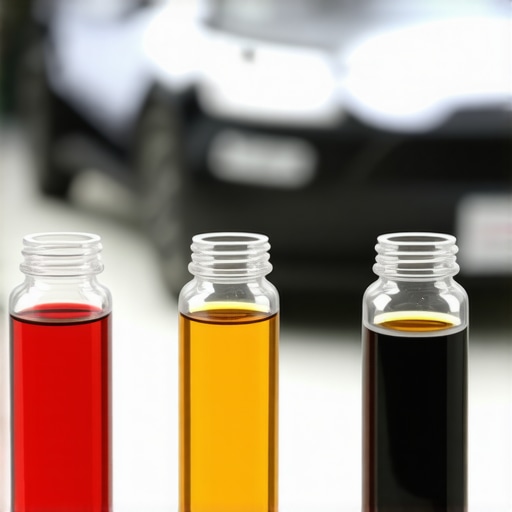
Tools alone aren’t enough; regular inspection routines help spot leaks, wear, and other signs of deterioration early. For example, inspecting the transmission fluid color and consistency regularly can reveal early warning signs of internal wear or contamination. This is where a transmission fluid tester becomes invaluable—allowing me to verify at-home whether the fluid’s quality meets standards.
Add This Advanced Tip for Lasting Success
Invest in a professional-grade ultrasonic cleaner for flushing transmission components or oil passages. This technology vibrates contaminants loose without aggressive chemicals, significantly extending component life. Using ultrasonic cleaning before installing refurbished parts reduces residual debris, directly impacting long-term performance. As a tip, I recommend sampling your transmission fluid periodically and having a laboratory check its composition—this helps catch early signs of metal shavings or breakdown products before they cause damage. This proactive, tech-forward method aligns with the future of car maintenance—a push toward predictive diagnostics rather than reactive repairs.
Ready to upgrade your maintenance routine? Try integrating a digital monitoring system into your vehicle today. It’s a game-changer for maintaining transmission health over miles and years—making sure your vehicle stays reliable and safe for the long haul.
How do I maintain my transmission and oil system over time?
The key is consistent, informed maintenance combined with the right tools and proactive monitoring. Regularly checking fluid quality, employing diagnostic devices, and staying ahead of wear indicators ensure your car continues to perform at its best. For comprehensive guidance, visit this resource. Don’t wait for a breakdown—take control today and keep your car working seamlessly for years to come.
Lessons Only the Pros Share About ASE Certification and Genuine Car Care
- My biggest revelation was realizing that not all ASE-certified mechanics possess the same expertise—especially with transmissions. Authentic knowledge goes beyond certificates; it’s about real-world experience working on your specific vehicle model, which can prevent costly mistakes.
- I learned that pushing for quick fixes or discounted services often masks underlying issues. Investing in thorough, honest maintenance pays off in the long run, ensuring your transmission and oil systems serve you reliably for years.
- The most humbling lesson was understanding that maintenance isn’t just about following a schedule—it’s about reading the signs your car gives you and acting proactively. Tools like diagnostic scanners and fluid testers can make this process more intuitive and less stressful.
- Waiting until your vehicle shows obvious trouble is a gamble. Instead, cultivating a routine of regular checks and employing smart technology helps catch potential issues early, preserving your car’s performance and safety.
- The final insight? Good maintenance requires a mindset shift: Thinking of your vehicle as an intricate system that benefits from expert oversight and the right tools, rather than just a machine needing occasional attention. This approach genuinely extends your car’s lifespan and keeps it running smoothly.
Tools and Resources That Changed My Approach to Car Maintenance
- Autel MaxiCOM Diagnostic Scanner: This device provides real-time data and trouble codes, enabling me to diagnose transmission and oil issues before they become serious. Trusting a quality scanner has saved me countless trips to the mechanic.
- High-Grade Ultrasonic Cleaner: Using ultrasonic technology, I clean transmission parts thoroughly, which enhances longevity and performance—something I highly recommend for anyone serious about preventive care.
- Reliable Maintenance Software: Apps like Car Scanner ELM OBD2 help me track service intervals and fluid conditions, ensuring I stay ahead of problems without relying solely on garage visits.
- Educational Resources and Expert Blogs: Websites specializing in car maintenance, especially those offering detailed guides and community insights, have broadened my understanding and kept me updated on best practices, like this one.
Your Drive to Better Transmission Health Starts Today
Remember, mastering how you care for your transmission through informed decisions and the right tools makes a real difference. Taking ownership of your vehicle’s maintenance not only saves money but also provides peace of mind. Embrace the knowledge, invest in quality tools, and stay vigilant—your car will thank you with years of reliable performance.
What’s the biggest challenge you’ve faced when trying to maintain your vehicle’s transmission or oil system? Share your story below—I’d love to hear about your experiences!