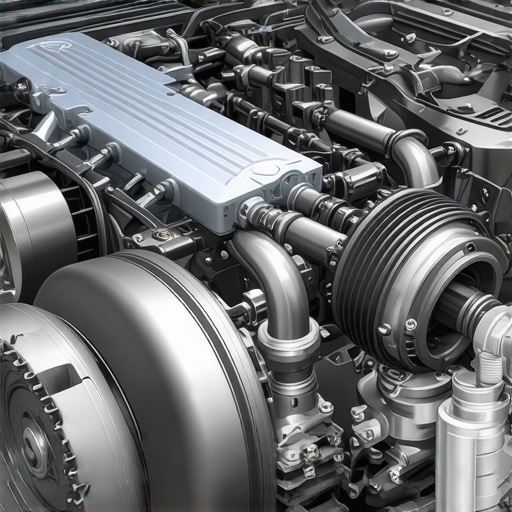
How to tell if your engine mount is actually broken
It was a chilly morning, and I was pulling out of my driveway when I felt a sudden jolt through the steering wheel. The engine lurched strangely, and I could hear a faint clunking noise that seemed out of place. At that moment, I realized I might be dealing with a problem I had overlooked for too long—a suspect engine mount. That lightbulb moment was a wake-up call, reminding me how crucial these seemingly minor components really are. If you’ve ever experienced your car’s vibrations intensify or noticed unusual engine movement, you know what I mean. Today, I want to share how I learned to identify the signs of a broken engine mount early on, so you don’t have to face costly repairs or dangerous driving conditions later.
Why Checking Your Engine Mount Matters More Than You Think
Your engine mount might sound like a small, trivial part tucked away beneath the hood, but trust me, it’s the unsung hero that keeps your engine stable and your ride smooth. A broken or worn-out engine mount can cause vibrations, excessive engine movement, and even damage other components. Plus, driving with a faulty mount isn’t just uncomfortable—it can be dangerous if the engine shifts unexpectedly during acceleration or turns. Early detection can save you hundreds of dollars and a lot of stress down the road. Interestingly, vehicle experts suggest that ignoring engine mount issues can accelerate wear on your transmission and other engine parts, leading to more extensive repairs [source](https://autofixclinic.com/why-regular-oil-changes-extend-your-cars-lifespan).
Have you ever experienced a sudden jolt or strange vibrations while driving that seemed to come out of nowhere? If so, you might be facing an engine mount issue without even realizing it. Many drivers dismiss these signs as minor inconveniences or normal engine noise, but they could be indicators that your engine is fighting to stay in place.
Understanding how to spot these warning signs early on can make all the difference. In the next sections, we’ll dive into practical ways to detect a broken engine mount, so you can take action before it becomes a costly repair or safety hazard. Are you ready to become your car’s best detective and keep everything running smoothly? Let’s get started.
Prepare for Inspection and Repair
Start by safely parking your vehicle on a level surface and engaging the parking brake. Open the hood and locate the engine mount you suspect is faulty. For a visual reference, check out detailed guides available at professional car service tips.
Identify Warning Signs During Inspection
Check for Visible Damage
Examine the mount for cracks, tears, or separation in the rubber components. Use a flashlight for better visibility. A worn mount may show signs of oil or fluid leaks around its base, indicating internal deterioration. I once replaced a mount that looked fine from a distance but crumbled upon closer touch, underscoring the importance of tactile inspection.
Assess Engine Movement
With the engine off, gently try to rock the engine by applying slight pressure to see if it moves excessively. Excessive movement suggests the mount’s rubber or metal components are compromised, increasing vibrations during driving.
Evaluate Vibrations and Noise While Running
Start the engine and listen for knocking or clunking sounds, especially when shifting from park to drive or during acceleration. Feel for unusual vibrations through the steering wheel or seat. For instance, I once drove with a broken mount, and the engine’s shudder nearly caused me to lose control at a red light. Recognizing these symptoms early helps prevent further damage.
Secure the Vehicle for Replacement
Engage wheel chocks, raise the front of the vehicle using a jack and securely support it with jack stands. Never rely solely on a jack. Wear safety glasses and gloves for protection. Ensure the engine is cool before proceeding, as hot components can cause injury during work.
Remove the Damaged Engine Mount
Locate the mounting bolts and use a socket wrench to loosen them. Support the engine with a jack or an engine support bar to prevent stress on other components. Carefully detach the mount, noting the orientation and hardware placement for reinstallation. I recommend taking photos during disassembly for reference, especially if you’re a visual learner. Remember, if you’re not ASE-certified, consider consulting a professional to avoid costly mistakes—learn more about ASE certification at this guide.
Install the New Mount Correctly
Position the new mount in the same orientation as the old one. Hand-tighten the mounting bolts first, then secure them with a torque wrench to the manufacturer’s specifications. Tightening unevenly can cause premature failure or vibrations. Double-check all fasteners and make sure the mount sits flush. For additional tips on choosing quality replacement parts, visit professional service tips.
Test Drive and Confirm Repair
Lower the vehicle carefully, remove wheel chocks, and start the engine. Take a slow test drive while paying attention to vibrations and unusual noises. If the engine feels stable and the vibrations are gone, you’ve successfully completed the repair. If issues persist, revisit your inspection or consider professional assistance to ensure safety and longevity. Remember, proactive checking and timely repairs can save you money and keep your vehicle running smoothly.
Many drivers believe that an oil change is just a simple Saturday task—pour in some new oil, replace the filter, and you’re good for another 3,000 miles. But in my experience, this perspective overlooks critical nuances that can significantly impact your vehicle’s longevity and performance. One common myth is that all oils and filters are created equal; however, choosing the right grade and type, especially for modern engines, makes a substantial difference, as highlighted in expert analyses at this guide. Many assume that an inexpensive oil suffices, but skipping quality can accelerate engine wear and lead to costly repairs.
A significant trap many fall into involves neglecting transmission health during routine maintenance. Some drivers dismiss transmission fluid changes as non-urgent, despite evidence suggesting that neglect can cause foaming or degradation, which directly impacts shifting smoothness. For insights on tackling these issues early, check this resource.
**Why does it matter whether your mechanic is ASE certified?** Many clients assume certification ensures flawless service, but there’s a crucial difference between certifications and specialization. ASE-certified technicians have proven their knowledge across broad areas, but a specialist in hybrid systems or turbo engines might better serve vehicles with complex features. To discern quality, consider the mechanics’ specific training and experience, which often surpass basic certifications. As highlighted in this article, verifying credentials can save you from mismatched repairs.
Advanced car service isn’t just about routine checks but understanding the hidden signals your vehicle sends. For example, subtle vibrations, unusual smells, or slight shifts during acceleration often point to nuanced issues like early transmission wear or engine misalignments. Recognizing these signs early requires a keen eye and deep knowledge, which professional mechanics develop through experience and continuous education.
Be wary of the common misconception that DIY solutions always suffice for complex systems. While some tasks like checking oil levels are straightforward, addressing transmission problems or diagnosing a slipped belt demands expert intervention. Rushing into repair without proper diagnostics can worsen the issue or mask underlying problems, leading to substantial expenses down the line.
To truly grasp the depth of effective vehicle maintenance, you need to go beyond the surface. Invest time in understanding the differentiators—premium oil types, timely transmission fluid changes, and verified certifications. These nuances often determine whether your car performs reliably for years or becomes a money pit. Have you ever fallen into this trap? Let me know in the comments and share your experiences with overlooked maintenance details.
Equip Yourself for Reliable Vehicle Care
Maintaining your car over time requires the right tools and methods to ensure longevity and safety. One of my personal essentials is a high-quality digital torque wrench, like the GearWrench Electronic Torque Wrench. I prefer this over traditional manual wrenches because it provides precise torque readings, reducing the risk of over-tightening or under-tightening critical components such as transmission bolts or oil drain plugs. Accurate torque specifications are vital for maintaining integrity during repairs and avoiding future issues, as highlighted in technical standards at this resource.
Another indispensable item I rely on is a magnetic-engine oil drain pan like the Lisle 11760. This receptacle allows for mess-free oil changes, especially when draining high-mileage engines or performing routine oil care. Its deep, non-spill design makes clean-up simpler and helps keep your workspace safe from hazardous spills. This is particularly beneficial if you’re working in confined spaces or on your driveway, where cleanup can be a hassle.
Using Diagnostic Software for Accurate Troubleshooting
While physical tools are crucial, digital diagnostic scanners have revolutionized automotive maintenance. I recommend the BlueDriver Bluetooth Pro OBD2 Scanner. It syncs with a smartphone app and provides real-time fault codes, live data, and repair reports. This tool enables me to quickly identify issues with the engine, transmission, or ABS system before they turn into costly repairs. As car systems become more complex, such diagnostic tools help maintain ASE-certified standards by providing technicians with detailed insights, aligning with what you can learn at this article.
Keeping Long-Term Results in Mind
When I perform maintenance, I also use a digital refractometer to check oil quality over time. This allows me to assess how well the oil retains its properties and whether it needs changing sooner than scheduled. Implementing such tools extends the lifespan of vital components by ensuring optimal lubrication—an approach supported by this guide. Adapting to these insights can help you save money on major repairs and improve your vehicle’s performance over the long haul.
Scaling Up Maintenance Practices
If you manage multiple vehicles, automation tools like a fleet management software can streamline maintenance schedules, track part replacements, and alert you for upcoming service needs. Programs such as Fleetio integrate data on oil changes, transmission fluid replacements, and safety inspections, making it easier to keep everything running smoothly without missed deadlines. As the automotive industry trends toward increased digitization, investing in such software will become increasingly essential for large fleets or dedicated hobbyists alike.
How do I maintain my vehicle’s long-term health?
Start by investing in precision tools like a digital torque wrench and diagnostic scanners. Pair these with routine checks such as oil testing with a refractometer to understand your particular engine’s needs. Regular, data-driven maintenance helps prevent surprises on the road, saves money, and aligns with evolving automotive technologies. For further insights on best practices, revisit this article. Why not challenge yourself today to try an advanced tip like testing your oil with a refractometer? It’s a straightforward process that could dramatically improve your long-term vehicle care.Throughout my years of maintaining vehicles, I’ve uncovered some lessons that aren’t often discussed in mainstream car care advice. These insights have transformed how I approach routine maintenance and have saved me from costly repairs. For example, I once overlooked the importance of inspecting my transmission fluid regularly and paid the price when shifting became rough—an experience that taught me never to neglect seemingly minor checks. Additionally, I’ve learned that not all ASE certifications guarantee a mechanic’s expertise in every vehicle type; asking specific questions can reveal true specialization. Lastly, I discovered that investing in quality tools, like a digital torque wrench, makes DIY repairs more precise and prevents future issues. Embracing these truths ensures your vehicle’s longevity and safety, giving you confidence on every drive.