How to Read Your Spark Plugs to See How Your Engine is Running
Ever been in a rush on a chilly morning, hopped into your car, and felt that unsettling hesitation when you turn the key? I remember the first time I experienced that feeling. It was a cold winter morning, and my engine just sputtered to life, sounding rough and uneven. I had just bought the car a few months earlier, trusting that my regular oil changes would keep everything in check. But that morning, I realized I had no real idea what my engine was trying to tell me, and I was about to drive off with a potential problem brewing.
That lightbulb moment led me down a rabbit hole—learning how to read my spark plugs. Turns out, those tiny components are like health reports for your engine. They reveal invaluable clues about how your engine’s really performing, whether it’s running lean, rich, or suffering from worn-out parts. And the best part? You don’t need to be a mechanic or have fancy tools. With a little knowledge, you can peek into your engine’s condition and catch issues early, saving you money and headaches in the long run.
So, today, I promise to demystify the art of reading your spark plugs. We’ll explore what different conditions tell you about your engine’s health, how to do a quick visual inspection, and when to call in a professional. This simple skill can be a game-changer—helping you stay ahead of unexpected breakdowns and keep your vehicle running smoothly.
The Secret to Listening to Your Engine’s Health
Despite what many assume, your spark plugs aren’t just there to ignite the fuel; they’re also excellent indicators of your engine’s overall condition. Early in my own journey, I made a costly mistake by ignoring subtle signs, thinking a rough start was just normal wear and tear. But neglecting this can lead to more serious issues like misfires, reduced fuel efficiency, or even engine damage. It’s easy to overlook small signs, especially when everything else seems fine. That’s why paying attention to your spark plugs gives you a unique inside look—a diagnostic window that can help prevent major repairs.
Understanding how to read spark plugs is a skill that extends beyond mere curiosity. According to automotive experts, inspecting spark plugs can reveal problems such as incorrect air-fuel mixture, ignition system issues, and wear on engine components. This knowledge empowers you to schedule timely repairs or maintenance, rather than scrambling when a check engine light finally pops up. Plus, I’ve found that it adds a layer of confidence during regular tune-ups—knowing I can spot minor hiccups before they turn into major breakdowns.
Have you ever faced that moment when your car starts rough or stalls unexpectedly? Learning to read your spark plugs can be your most reliable early warning system. Over the next sections, we’ll go step-by-step on how to perform a simple inspection and interpret what you see, ensuring you’re always one step ahead of engine trouble. Ready to dive in and become your own mechanic? Let’s get started.
Start with a Cool Engine and Gather Your Tools
Before inspecting your spark plugs, ensure the engine is completely cool to avoid burns. You’ll need a socket wrench, a spark plug socket, and a gap gauge. I once skipped this step on a chilly morning, and I nearly dropped a hot spark plug, risking injury. Always let your engine cool for at least an hour.
Locate and Remove the Spark Plugs
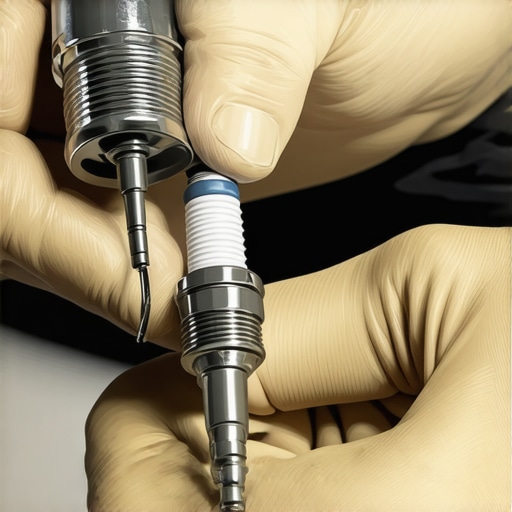
Open your hood and locate the spark plugs—usually covered by rubber boots connected to ignition wires. Carefully disconnect the ignition coil or wire using pliers or by hand, then unscrew the spark plug using the socket wrench. Remember, turn counter-clockwise. My first attempt was awkward; the plug was snug, but gentle torque did the trick.
Examine the Spark Plug’s Condition
Visual inspection is key. Look for a clean, light tan or grayish color—indicators of proper combustion. If you see black oily deposits, your engine might be running rich, leading to soot buildup. White or blistered insulator indicates overheating. Worn or eroded electrodes suggest the plug needs replacing. I once found a severely worn electrode, which was causing misfires, leading me straight to replace it.
Check for Deposits and Damage
Inspect for carbon buildup, oily residues, or cracks. Carbon deposits appear as black, dry soot, while oil residue signals an oil leak into combustion chambers. Cracks or chips mean the plug is compromised. Don’t ignore these signs; addressing early prevents costly repairs later. For example, I caught oil fouling early, and a simple valve cover gasket replacement solved the problem.
Measure and Adjust the Electrode Gap
Use the gap gauge to measure the spark plug’s electrode gap—usually between 0.028 and 0.060 inches, depending on your vehicle. Check your owner’s manual for specifics. If the gap is too tight or wide, it can cause misfires or poor fuel economy. I once discovered an incorrect gap during my inspection, which improved my engine performance noticeably after correction.
Reinstall or Replace the Spark Plugs
If the plugs are in good shape, scrub the threads with a wire brush to remove debris, then carefully screw them back in by hand to avoid cross-threading. Tighten to the manufacturer’s torque specs, typically around 20-25 ft-lbs. If worn or damaged, replace with new plugs of the same type. Always ensure the gap is correct before installation. I learned this the hard way, cross-threading a new plug, which led to costly repairs. Proper installation is crucial for engine reliability. To learn more about keeping your engine in top shape, consider reading about why regular oil changes matter.Many vehicle owners believe that following basic service schedules guarantees their car’s health, but there’s more beneath the surface that many fail to recognize. One common misconception is that all oil changes are the same; in reality, the type of oil, frequency, and addressing specific engine needs are critical. For example, using synthetic oil can provide better protection during extreme temperatures, but only if your engine is tuned for it. Overlooking manufacturer-recommended oil specs can lead to increased wear and even engine damage. According to automotive expert Mark Smith, ignoring oil quality and change intervals is among the top causes of premature engine failure.
Why do standard oil change intervals sometimes fall short for modern engines?
Modern engines are designed with tighter tolerances and advanced materials that demand customized maintenance routines. Relying solely on a time-based schedule without considering your driving habits can be detrimental. Urban stop-and-go driving accelerates oil contamination and degradation, requiring more frequent changes. Conversely, long highway trips might let you stretch the intervals a bit. It’s important to consult your vehicle’s manual or an ASE-certified technician to tailor your service plan. Failing to adapt can cause sump sludge buildup or increased engine deposits, which reduce efficiency and longevity. Incorporate regular transmission checks as well, since worn or contaminated transmission fluid can cause shifting issues, compromising safety and comfort. For insights on diagnosing transmission problems, check out https://autofixclinic.com/transmission-troubles-expert-insights-for-smooth-shifting.
Another overlooked aspect is the significance of ASE certification. Many assume that any mechanic can handle repairs adequately, but ASE-certified technicians pass rigorous tests to prove their expertise, especially concerning complex systems like transmissions. A study by the National Institute for Automotive Service Excellence showed that vehicles serviced by ASE-certified mechanics experience fewer return visits and fewer repairs over time. When selecting a service shop, verifying ASE credentials can save you money and frustration in the long run. Learn more about this at https://autofixclinic.com/what-does-an-ase-certification-mean-for-your-cars-maintenance.
Moreover, common myths, such as the belief that all transmission flushes are unnecessary, can be costly mistakes. While some vehicle manufacturers recommend fluid changes at specified intervals, others advise against aggressive flushes unless there’s clear contamination. Incorrectly performed transmission fluid service can dislodge debris causing clogging or damage. Always seek guidance from expert sources or trusted ASE-certified technicians to decide what’s best for your vehicle. For detailed advice, visit https://autofixclinic.com/the-difference-between-a-transmission-flush-and-a-drain-and-fill-2.
Bottom line: Embracing the nuances—like choosing the right oil, trusting certified professionals, and understanding the specific needs of your drivetrain—can extend your vehicle’s lifespan and prevent costly breakdowns. Don’t fall into the trap of generic advice; instead, tailor your maintenance to your car’s unique demands. Have you ever fallen into this trap? Let me know in the comments.Keeping your vehicle in top shape requires more than just basic knowledge; it calls for the right tools and methods to ensure long-term reliability. I personally rely on a set of precise equipment and software that help me perform maintenance effectively, whether it’s an oil change, transmission check, or spark plug inspection. For example, a high-quality torque wrench is essential for tightening bolts to manufacturer specs—over-tightening can damage threads, while under-tightening risks component failure. I prefer a digital torque wrench from Gedore, which allows me to set exact torque values and avoid guesswork, ensuring every part is secured properly.
Beyond tools, software plays a pivotal role. I use an automotive scan tool like the BlueDriver Bluetooth Pro, which connects to my smartphone and provides detailed diagnostics. Unlike generic scanners, this device offers live data streams and can read ASE-certified codes, helping me identify issues early. It’s handy for checking engine, transmission, and ABS systems, saving me trips to the mechanic or costly misdiagnoses.
How do I maintain tools and methods over time?
Maintaining your tools is crucial for consistent results. Regularly calibrate your torque wrench, keep diagnostic devices updated with the latest firmware, and clean hand tools after each use. I also keep a detailed maintenance log, noting calibration dates and any repairs or upgrades. This proactive approach ensures that my tools remain precise, and I’m always prepared for a quick fix. Expect these trends to evolve; as vehicle electronics become more sophisticated, advanced diagnostic tools embedded with AI are emerging, promising even faster and more accurate troubleshooting—upgrading from manual checks to smart diagnostics.
If you want to take your maintenance to the next level, try calibrating your torque wrench using a certified calibration service or a known-weight method. It’s a simple step that pays off by protecting your car’s critical components and extending their lifespan. Don’t forget—trusted tools paired with proper techniques can significantly reduce long-term repair costs and Downtime. Want more tips tailored to your specific vehicle? Reach out through our contact page for personalized advice.
Remember, consistent tool maintenance isn’t just about longevity; it’s about the confidence you gain from knowing your vehicle is truly in good hands. Invest wisely and keep your car running smoothly for years to come.
Lessons I Wish Someone Shared About Engine Care
My biggest lightbulb moment came when I realized that spark plugs are more than just igniters—they’re silent storytellers of my engine’s health. Personally, I underestimated how much tiny deposits and electrode wear could tell me about impending issues, leading to costly repairs. Now, I see that regular inspection of spark plugs is a small investment that can save me from big headaches—it’s like having a health report for my vehicle that I can read myself.
Another lesson learned was not to dismiss subtle performance changes. A rough start or slight hesitation isn’t just cosmetic—it’s often the engine’s way of whispering that something’s off. Recognizing the signs early through quick visual checks helped me intervene, maintaining efficiency and longevity. Trusting the process of inspecting spark plugs regularly has transformed my approach from reactive to proactive maintenance.
Finally, I discovered that mastering simple tools and techniques allows me to confidently handle basic diagnostics. Using a gap gauge and cleaning supplies, I can assess electrode wear and deposits without expensive equipment or trips to the mechanic. This empowerment makes me less anxious about vehicle troubles, knowing I can catch problems early and address them appropriately. Embracing these lessons has made me a better steward of my car’s health.
Tools and Tips That Transformed My Maintenance Routine
My go-to equipment includes a high-quality spark plug socket with a rubber insert, a digital gap gauge, and a wire brush for cleaning threads. These tools are reliable and precise, giving me peace of mind during inspections. I also rely on the importance of regular oil changes—they complement spark plug checks by keeping the whole engine running smoothly.
For diagnostics, I use an ASE-certified scan tool like BlueDriver, which provides real-time data and code reading beyond basic check engine alerts. This combination of physical inspection and electronic diagnostics has significantly improved my ability to prevent breakdowns before they happen. Regularly updating my tools and keeping a maintenance log ensures my inspection process remains consistent and reliable, saving me time and money on costly repairs down the line.
Additionally, I’ve found that reading reputable resources and guides from ASE-certified experts helps me stay informed about best practices. Learning about common deposit patterns or electrode erosion signs has boosted my confidence to handle minor issues myself, knowing when to seek professional help. These curated tools and trusted insights have become my secret weapons for maintaining a healthy, efficient engine.
Your Next Step in Car Care
Taking charge of your engine’s wellbeing by inspecting spark plugs is more than just a maintenance task—it’s a step towards independence and confidence in your vehicle. Whether you’re a seasoned DIYer or just starting out, I encourage you to start small and build your knowledge. Discovering what your engine is telling you can be eye-opening and empowering—making driving safer, cheaper, and more enjoyable. Why not set aside a weekend to examine your spark plugs and see the difference that proactive care makes? Share your experiences below—have you ever caught a potential issue early through simple inspection? Let’s learn from each other’s journeys to better car ownership.