The Truth About Why Your Transmission Fluid Smells Like Burnt Toast
I remember the moment clearly. I was late for work, scrambling to start my car, and suddenly caught a whiff—something burnt, sharp, and strangely familiar. It hit me like a punch—my transmission fluid smelled just like burnt toast. Panic set in. Had I messed up? Was my car on the brink of disaster? That smell haunted me for days, and frankly, it made me worry about the lifespan of my vehicle.
Uncovering the Hidden Warning of Burnt Toast Smell in Transmission Fluid
When a car’s transmission fluid emits a smell reminiscent of burnt toast, it’s not something to ignore. That aroma often signals overheating or contamination—signs that your transmission might be working overtime, or worse, signaling impending failure. As someone who’s learned the hard way, I want to share what I discovered: addressing this issue promptly can save you hundreds, if not thousands, in repairs.
Is It Really a Big Deal or Just a Smelly Nuisance?
Early on, I made the mistake of dismissing that burnt smell as just a poor-quality oil or a minor hiccup. I thought, “It’s probably nothing.” Big mistake. That oversight nearly cost me my transmission. The truth is, that ominous smell indicates that your transmission fluid is burning due to excessive heat or contamination—conditions that could lead to slipping gears, delayed shifts, or complete transmission failure if left unaddressed.
For instance, a heated or degraded transmission fluid can’t lubricate properly, causing increased wear and tear. According to experts at AutoFix Clinic, neglecting transmission issues like this can lead to costly repairs down the line—so it’s always better to act sooner rather than later. Curious about how a professional diagnoses and fixes such problems? Check out this guide on transmission troubleshooting.
Are you experiencing a similar smell during your drives? If so, don’t hesitate to explore the next steps for diagnosing and fixing the problem. In the following sections, I’ll walk you through simple, effective actions to restore your vehicle’s health and prevent future issues. Stay with me—your car’s smooth operation is worth it.
Start with a Visual Inspection of Transmission Fluid
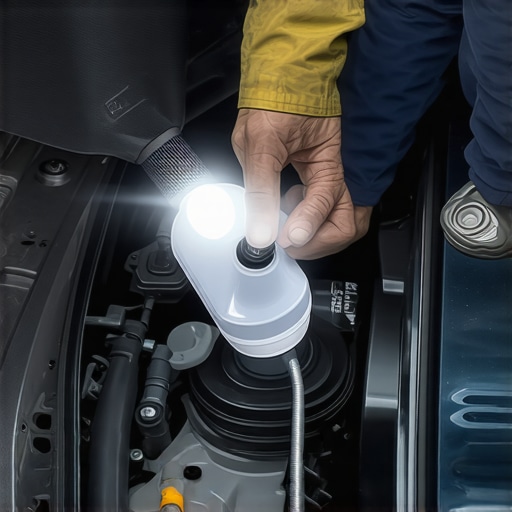
Before jumping into complex diagnostics, locate your transmission dipstick—usually near the engine, labeled clearly. Pull it out, wipe it clean with a rag, then reinsert and remove again to check the fluid level and color. If the fluid looks dark, brown, or smells burnt, it’s a sign you need to act quickly. I once checked mine after noticing the smell and found the fluid was indeed dark and burned—promptly scheduling a flush saved my transmission from costly repairs.
Perform a Transmission Fluid Flush
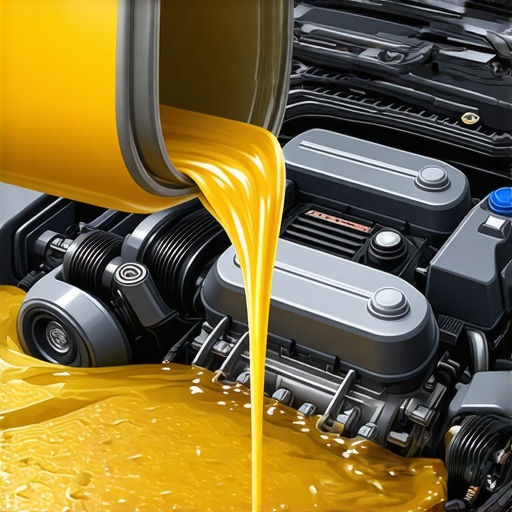
Next, plan to replace the fluid completely. This involves draining the old fluid and refilling with fresh, manufacturer-recommended oil. Many hesitate here, fearing cost or hassle, but think of it like changing engine oil—regular oil changes (see annual oil maintenance) prevent more severe issues. I booked an appointment with a trusted ASE-certified technician who used the proper equipment—this isn’t DIY for most, as incorrect procedures can cause further damage.
Use the Correct Transmission Fluid
Choosing the right fluid is critical. Consult your owner’s manual or ask your mechanic. Mixing incompatible fluids can cause corrosion or poor lubrication, worsening the smell or leading to gear slipping. When I first tried adding an off-brand fluid, the smell persisted, and the shifting became rough. Following the manual and sticking to recommended products (see ASE standards) made a noticeable difference.
Check for Overheating Causes
Overheating is a primary culprit behind burnt smells. Inspect cooling system functions, radiator condition, and ensure there’s no blockage or leaks. When my transmission ran hotter than usual, it caused the fluid to burn. Installing a transmission cooler (more common in towing or heavy-duty vehicles) can help maintain optimal temperatures, preventing future smells. For fleet owners or those with heavy loads, this is advised (see cooling system maintenance).
Look for Signs of Fluid Contamination
Contamination from debris or old fluid can cause smells and damage components. Regularly scheduled fluid changes as per your vehicle’s maintenance schedule (see oil change tips) ensure clean operating conditions. A contaminated fluid can also be a sign of internal seal leaks or wear. If debris appears during your check, professional cleaning and repair may be needed.
Monitor Driving Habits and Load
Aggressive driving, towing, or excessive idling can amplify heat and stress on the transmission. Adjusting driving style—accelerating smoothly, avoiding abrupt gear shifts—and reducing load can extend fluid life and prevent the burnt smell. I learned this firsthand when I started towing heavier loads; I had to modify my driving habits (see choosing appropriate service) instead of risking further damage.
Schedule Regular Professional Inspections
Finally, routine checkups with an ASE-certified shop ensure early detection of issues before they escalate. Professionals can perform advanced diagnostics, check internal components, and recommend repairs or replacements. Remember, proactive maintenance—like the detailed checks in transmission troubleshooting guides—keeps your vehicle running smoothly and odor-free.When it comes to car care, many believe that an ASE certification guarantees a technician’s expertise, or that an oil change once a year is sufficient for all vehicles. But let’s dig deeper into these assumptions. **Contrary to popular belief**, having an ASE certification doesn’t automatically mean the mechanic will perform the best service; it indicates they’ve passed certain tests, but ongoing training and specialization matter just as much. Relying solely on certifications can be a trap—think of it like trusting a driver’s license without considering actual driving skills. Additionally, many think that more frequent oil changes are always better, yet over-servicing can introduce pollutants or lead to unnecessary costs. For instance, some older vehicles benefit from extended oil change intervals, provided the oil and filter are quality and the vehicle’s condition is monitored (see authentic advice on oil change intervals).Maintaining your vehicle’s transmission and overall health requires more than just basic knowledge — it demands the right tools, consistent methods, and a proactive attitude. Over the years, I’ve refined my toolkit, focusing on precision, reliability, and efficiency to ensure my car stays in peak condition. One essential item I rely on is a high-quality digital multimeter, which helps me verify the integrity of sensors and electrical connections that can influence transmission performance. For instance, confirming the accuracy of the transmission temperature sensor reading is crucial for early detection of overheating issues that might otherwise manifest as burnt toast smell signals. Additionally, I invest in a professional-grade transmission fluid pump, enabling me to perform fluid exchanges without mess or contamination, which is vital for longevity.
Beyond hardware, software diagnostics play a significant role. I actively use manufacturer-specific diagnostic tools and subscribe to platforms like AutoEnginuity, which connect to my vehicle’s ECU to monitor real-time data and identify trouble codes early. This approach aligns with the trend toward integration and automation in vehicle maintenance, promising increased efficiency and accuracy in identifying issues before they escalate. As vehicle technology advances, I predict a shift toward cloud-based diagnostics and AI-assisted analysis, making expert-level insights accessible even for DIY enthusiasts.
How do I maintain my tools and methods for long-term results?
Maintaining precision tools like my diagnostic scanner involves regular firmware updates and careful calibration to ensure data accuracy over time. I also keep my transmission fluid tools and multimeter clean and stored properly to prevent corrosion or damage. Scheduling periodic calibration checks for my diagnostic software guarantees consistent readings, much like the routine oil changes detailed at this resource. Combining these practices creates a robust maintenance strategy that scales well, whether managing a single vehicle or an entire fleet.
Furthermore, tracking your maintenance history with digital logs can help identify patterns and optimize schedules. I personally recommend using cloud-based maintenance apps that sync across devices, allowing you to plan proactive interventions. This foresight can significantly reduce the risk of surprise failures, such as transmission slips or overheating, and is especially beneficial for fleet operators.
As electronics and sensors become more integrated into vehicle systems, staying ahead with the latest diagnostic tools and best practices becomes crucial. For example, referencing this expert guide can guide you through advanced troubleshooting techniques. Try performing a comprehensive transmission fluid analysis using a professional tool to detect contamination early — a step that can extend your vehicle’s lifespan and improve performance. Investing in reliable tools and establishing a disciplined maintenance routine ensures your vehicle remains dependable, safe, and efficient for the long haul.
Lessons that Changed How I Approach Car Maintenance
One of the most eye-opening realizations for me was that small, often overlooked signs can be gateways to major issues. For example, noticing the burnt toast smell in my transmission fluid was initially dismissed but later revealed itself as a critical warning. This taught me the importance of trusting my instincts and paying attention to subtle cues—like odors or slight shifts—which can prevent costly repairs in the future.
Another lesson involved understanding that routine maintenance, such as regular transmission fluid changes, isn’t just a box to check; it’s a proactive step towards vehicle longevity. I used to wait until problems became severe, but now I see the benefit of scheduling early inspections and fluid exchanges—especially before symptoms escalate and lead to complete transmission failure.
Finally, I realized that investing in quality tools and expert diagnostics can save time and money. DIY might be tempting, but for signs like burnt smells or complex issues, professional insights—like those I found in this comprehensive guide—are invaluable. Combining knowledge, proper tools, and timely actions creates a maintenance routine that truly supports your vehicle’s health.