The Specific Burning Smell That Means Your Brake Caliper is Stuck
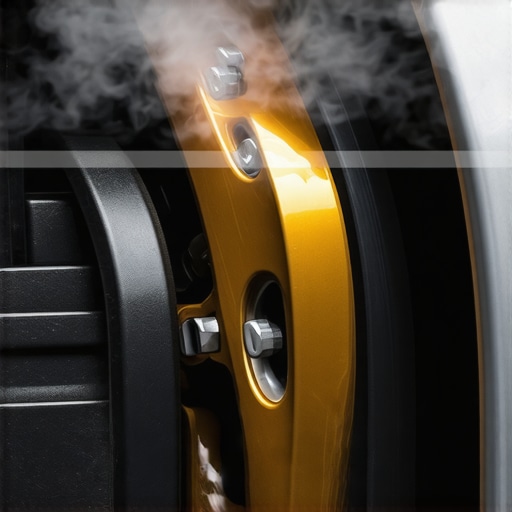
Ever had that sudden, sharp burning smell while driving, right after a quick stop? I remember the first time I noticed it vividly—a strange, acrid odor wafting through the car as if something was burning just beneath my nose. My heart sank. Was I about to overhaul the entire brake system? That moment was a real eye-opener about how crucial regular maintenance and awareness are for our safety. That distinctive smell is often a sign that something’s not right—specifically, that your brake caliper might be sticking.
When a brake caliper gets stuck, it doesn’t just affect your braking performance; it can lead to serious and costly damage. The burning smell is your body’s warning system, a fiery alert that your vehicle is experiencing friction where it shouldn’t be. For many, this realization comes after a frustrating drive with decreased braking efficiency or a heat-soaked wheel.
Today, I want to share the ins and outs of that telltale burning smell. I’ll walk you through how to identify the signs early, what causes a caliper to stick, and most importantly, how to fix it before it turns into a roadside emergency or a hefty repair bill. Think of this as your friendly, neighborly guide to keeping your brakes in check and your drives safe.
Why Ignoring the Smell Could Cost You Big Time
Ignoring that burning odor might seem like a minor annoyance, but it’s a gamble. The heat from a stuck caliper can warp your brake rotors, damage the pads, and even affect nearby components like the wheel bearings. Plus, a stuck caliper means your vehicle is constantly applying pressure on the brake, leading to increased fuel consumption and uneven tire wear.
In fact, according to automotive experts, neglecting brake issues can reduce the lifespan of your braking system by up to 50%. That’s a significant drop in safety and savings, folks. When I made the mistake early on thinking it was just a
Inspect Your Brake System Carefully
Start by safely lifting your vehicle using a jack and secure it with stands. Remove the wheel to access the brake assembly. Check for uneven brake pad wear, which can indicate a stuck caliper. During my first attempt, I noticed a caliper piston was partially seized after a quick visual check, saving me from a costly repair later.
Test the Brake Caliper
With the wheel off, gently press the brake pedal and observe the caliper’s movement. If it doesn’t move freely or if the piston is sticky, it’s a sign it needs attention. I once applied a brake cleaner and tried to manually push back the piston, discovering it was resistant—forcing me to replace the caliper.
Disassemble and Remove the Caliper
Undo the mounting bolts and carefully detach the caliper from the rotor. Use a socket wrench to remove all clips and pins. Be prepared for brake fluid to leak—wear gloves and have a catch container handy. During my practice, I used a brake caliper piston tool, which simplified pushing the piston back during reassembly.
Clean and Lubricate Components
Thoroughly clean the caliper, piston, and slides with brake cleaner. Inspect for corrosion or debris that hinder movement. Apply high-temperature brake grease to the slides and piston contact points to ensure smooth operation. My first cleaning session restored the caliper’s mobility and eliminated the burning smell.
Replace or Rebuild the Caliper
If the piston is corroded or the caliper body is damaged, replacing the caliper is best. Rebuild kits are available, but often less reliable for heavily corroded parts. I opted for a new caliper, which offered peace of mind and ensured proper function.
Reassemble and Test Drive
Reinstall the caliper, secure all bolts, and replace the wheel. Pump the brake pedal a few times to seat the brake pads. Test your brakes at low speed to check for proper response and absence of heat buildup or odors. Confirm the burning smell is gone. Regularly inspecting your brakes can prevent sticking issues before they start. For more tips on maintaining your vehicle’s vital systems, explore why regular oil changes matter.
When it comes to car maintenance, many car owners assume that a shiny ASE badge or a quick oil change guarantees their vehicle’s health. But in my experience, there’s more beneath the surface that often gets overlooked. For instance, many believe that ASE certification means a mechanic is infallible. While it indicates a trained professional, it doesn’t necessarily guarantee expertise in every niche, especially in complex systems like transmissions or advanced diagnostics. Relying solely on certification without understanding their specialties can lead to costly misdiagnoses.
Another common misconception is that all oil changes are created equal. Everyone knows regular oil changes are essential, but few realize the significance of choosing the right oil type and change interval for your specific vehicle and driving conditions. Using synthetic oil in older cars expecting it to work like brand-new engines can sometimes cause issues due to compatibility concerns—something many overlook. For detailed insights on this, check out the truth about synthetic oil intervals.
Advanced Mistakes Car Owners Make During Transmission Service
Many assume that flushing the transmission fluid is a simple task, but the nuance lies in how and when it’s done. A forced or incorrect flush can dislodge debris or disturb seals, leading to more harm than good—especially in older transmissions. Experts recommend a qualified diagnosis before proceeding with any fluid exchange, as inappropriate procedures might accelerate wear. Studies suggest that improper transmission maintenance contributes significantly to early failure, underscoring the importance of expert guidance. To understand more, explore transmission troubleshooting tips.
Why Do Some Service Centers Still Get It Wrong?
Despite certifications and reputations, some repair shops cut corners or get confused by modern vehicle complexities. For example, misdiagnosing a transmission shudder or replacing parts unnecessarily can drain your wallet. The key lies in understanding that technological advances mean a shop’s experience and equipment matter as much as their certifications. Modern vehicles often require sophisticated diagnostics; therefore, trusting shops with the latest live-drive diagnostics technology can be the difference between a quick fix and recurring issues. Learn how to verify ASE credentials properly at ASE certification verification.
Everyone says a quick oil change or a new transmission fluid solves all problems, but, in my experience, the hidden nuances can make or break your vehicle’s longevity. Don’t fall into the trap of assuming that these services are one-size-fits-all. Be proactive, ask questions, and seek detailed explanations from your mechanic. This approach not only saves money but also ensures your vehicle gets the expert care it deserves. Have you ever fallen into this trap? Let me know in the comments.Maintaining your vehicle over the long term goes beyond simple refresher courses; it requires the right tools, knowledge, and proactive habits. One of my go-to pieces of equipment is a high-quality brake caliper piston wind-back tool. I personally prefer the OEM-specific kits because they fit snugly and prevent damage during reassembly, saving me both time and money. For diagnostics, I rely heavily on a live-drive diagnostic scanner, which I connect to the OBD-II port. This device not only reads generic codes but also reveals manufacturer-specific data, allowing me to catch issues before they escalate. As automotive technology advances, having a reliable scanner like the Autel Maxisys series ensures you stay ahead of complex problems, especially with ASE-certified vehicles where nuanced diagnostics can make a difference.
Regular oil analysis is another area I emphasize. Sending a sample to a lab periodically helps identify contamination or metal wear long before visual signs appear. This practice informs me whether my synthetic oil intervals, for instance, need adjusting, or if a more significant internal issue might be brewing. Check out why regular oil changes matter for detailed guidance.
Scaling your maintenance approach as your fleet grows requires smart planning. Implementing vehicle maintenance software like Fleetio or Autosoft simplifies scheduling, keeps records automated, and ensures no vehicle slips through the cracks. These platforms can even alert you when specific models, such as those with complex transmissions, need fluid exchanges or inspections—helping prevent the costly consequences of neglect.
Predictive maintenance is where I see the future heading. By integrating Internet of Things (IoT) sensors into key drivetrain components, we’ll be able to receive real-time alerts about wear and tear, reducing downtime and repair costs dramatically. Already, some high-end vehicles are equipped with such sensors, and the benefits are clear.
How do I maintain transmission health over time? Regular fluid analysis and quick-response to shifting irregularities keep my transmission in top shape. Using a quality transmission fluid tester, I verify fluid condition periodically, and I don’t hesitate to have high-quality, OEM-recommended fluid replaced as needed. For more insights, explore transmission troubleshooting tips.
Finally, never underestimate the value of professional diagnostics. An ASE-certified technician armed with advanced tools can detect issues that DIY methods might overlook, especially with complex systems like advanced emissions or integrated electrical modules. To verify your mechanic’s credentials and ensure you’re getting the real deal, see how to verify ASE certification.
Get comfortable with these tools and practices, and you’ll extend your vehicle’s lifespan significantly while catching problems early. Try scheduling a comprehensive diagnostic scan with your mechanic today—it’s a small step that could save you a lot down the line.
What the Burning Caliper Taught Me About Precision in Maintenance
Sometimes, the most intense lessons come from unexpected experiences. Dealing with that sudden burning smell made me realize how crucial attention to detail is, especially with braking systems. Over time, I’ve learned that regular, expert inspections of brake components—like calipers—are non-negotiable. Skipping this can lead to costly damage, but with vigilance, you can prevent the smoldering surprises that put your safety at risk.
Curating Tools and Resources That Save Time and Money
Having a set of quality tools, such as OEM-specific brake caliper piston wind-back kits, has transformed my approach to brake repairs. Coupled with reliable diagnostic scanners, like the Autel Maxisys series, I can catch issues early. I trust resources offering detailed guides and expert opinions, especially when tackling complex systems. These tools and sources help me maintain my vehicle efficiently and confidently, avoiding unnecessary trips to the shop.
Empowering Your Auto Maintenance Journey
My biggest takeaway? Stay proactive. Regular inspections, using the right tools, and trusting qualified professionals make all the difference. Proper maintenance isn’t just about fixing problems—it’s about preventing them before they ignite into emergencies. Embrace your role as an informed car owner, and your vehicle will reward you with reliability and safety on every drive.