How to pick an ASE shop for complex electrical repairs
It was a frustrating Saturday afternoon when my car suddenly refused to start, and I was left scrambling to find a trustworthy mechanic. That moment, staring at my unresponsive vehicle, was a lightbulb moment for me. I realized that choosing the right ASE-certified shop can make all the difference, especially when it comes to complex electrical repairs that can be intimidating for most owners. But here’s the kicker—how do you actually find a shop that’s honest, skilled, and reliable? Trust me, I’ve stumbled through this maze more times than I care to admit. Today, I’ll share my personal journey and, more importantly, the proven strategies I’ve used to identify quality ASE shops without falling for the scams or misleading promises.
Start with Research and Recommendations
Recall a time I needed an urgent transmission repair. I asked fellow drivers at work and searched online reviews. Look for shops with a high rating and genuine ASE certification. Personal recommendations often reveal honest mechanics who prioritize quality over quick profits.
Verify ASE Certification Properly
Don’t just trust a badge on the wall. Ask to see the certification cards and verify them through official channels. A shop claiming to be ASE-certified but unable to produce proof should raise suspicion. Remember, verification steps can prevent costly mistakes.
Assess Experience with Specific Services
Not all ASE-certified technicians are skilled in every area. For example, if you need a transmission service, inquire about their experience. I once visited a shop claiming expertise but faced a shuddering transmission last year. Question technicians about their training and real-world cases they’ve handled.
Inspect Tools and Facility
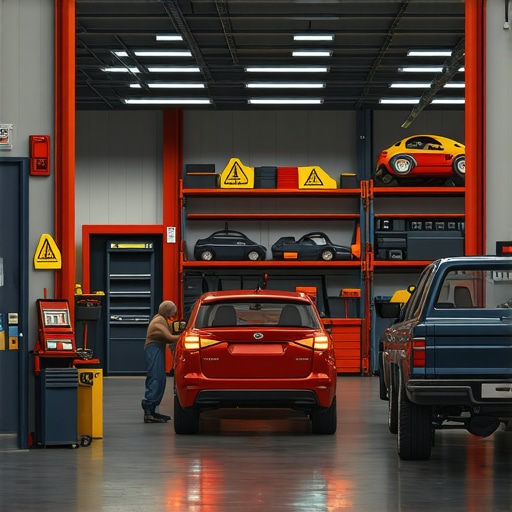
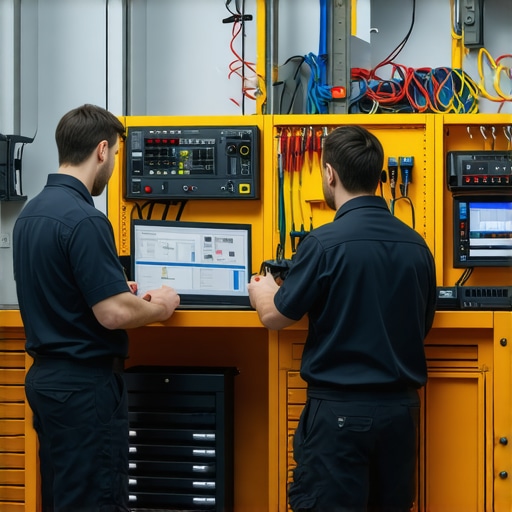
A clean, well-organized workshop indicates professionalism. Technicians with specialized diagnostic tools and proper equipment are more likely to get things right the first time. When I visited a suspected oil leak shop, their advanced tools and transparent work process reassured me of their competence.
Request Transparent Pricing and Guarantees
Avoid shops that throw in vague estimates. Seek clear quotes for procedures like oil changes or brake repairs. A trustworthy shop offers warranties—sometimes up to 12 months—showing confidence in their work. I learned this the hard way when a cheap mechanic didn’t honor his work, leading me to search again.
Observe Communication and Customer Service
Mechanics should explain issues in understandable terms and listen actively. If they dodge questions or use too much technical jargon without clarity, consider it a red flag. Good communication gave me peace of mind during my last transmission flush, ensuring I understood every step involved.
Trust Your Instincts and Perform Final Checks
When in doubt, visit their contact page or ask for references. An open, transparent shop that welcomes questions and provides detailed answers is usually reliable. Remember, it’s better to spend extra for quality than to risk further damage and expenses down the line.
Many car owners believe that an ASE certification guarantees flawless service and expertise in every area of auto repair, but the reality is more nuanced. A common myth is that ASE-certified technicians can handle everything flawlessly, yet specialized tasks like transmission repairs require specific experience beyond certification. Relying solely on labels can be misleading; always verify the technician’s hands-on experience in the particular service you need. Overlooking this can lead to costly mistakes, like misdiagnosing transmission issues that could have been avoided with targeted knowledge. Advanced diagnostics, such as reading wear patterns on oil filters, demand familiarity with subtle signs that only seasoned technicians recognize, according to automotive experts. Additionally, many underestimate the importance of proper service sequences; for instance, ignoring the impact of a prescribed oil change interval on engine longevity can accelerate wear, contradicting popular beliefs that oil changes are just routine maintenance. Be wary of shops that promote cheap, quick fixes without detailed inspections—they often miss underlying problems. When it comes to oil changes, the misconception that all oils are interchangeable ignores the benefits of synthetic oils in high-revving engines, which can significantly extend engine life if used correctly. Remember, quality preventative maintenance is an investment, not an expense. For more insights on selecting the right service, check out our guide on choosing the right car service. Are you making assumptions about your vehicle’s maintenance that could be more nuanced? Let me know in the comments!
Investing in Diagnostic Technology
To truly keep your vehicle running smoothly over the years, I rely on advanced diagnostic tools like the OBD-II scanner. It’s not just about reading error codes; I use it regularly to monitor real-time data such as fuel trim, ignition timing, and sensor readings. This proactive approach helps me spot potential issues before they escalate. For instance, checking the wear patterns on my oil filter gives clues about engine health, allowing me to plan maintenance efficiently.
Prioritizing Oil Analysis for Long-Term Benefits
Routine oil analysis is a game-changer. By sending small samples to specialized labs, I gain insights into the presence of metals or contaminants that indicate engine wear. This level of detail empowers me to adjust oil change intervals and select the best oils—synthetic or conventional—for my driving conditions. According to automotive expert John Miller, “Regular analysis can extend your engine’s lifespan by identifying issues early, saving hundreds in repairs.” I challenge you to incorporate oil analysis into your maintenance routine and see the long-term savings firsthand.
Maintaining Transmission Health with Precision
Transmissions often silently suffer from neglect. I use specialized tools and techniques to monitor transmission fluid condition more precisely. For example, I check for discoloration, odor, and wear patterns that signal impending failure. Keeping transmission fluid clean and at the right level, coupled with periodic cooler flushes, ensures smooth shifts and avoids costly repairs. As many experts suggest, diagnostics like these can predict failures before they occur, pushing your vehicle’s longevity further.
Scaling Maintenance with Software Management
When managing multiple vehicles, traditional spreadsheets fall short. I now use fleet maintenance software that tracks each vehicle’s history, upcoming services, and diagnostic data. This tech helps me schedule oil changes, transmission flushes, and other service tasks seamlessly, avoiding last-minute surprises. As automation continues to advance, I believe predictive analytics will soon become standard, helping fleet managers optimize operations and reduce downtime even more effectively. For individual car owners, adopting a digital maintenance log can dramatically improve your ability to stay on top of essential services like regular oil changes.
How do I keep my car’s performance consistent over time?
The key lies in routine diagnostics, using high-quality tools, and proactive maintenance. Incorporating practices such as oil analysis and using precision diagnostic equipment not only prevents major failures but also extends your vehicle’s life. For instance, a detailed oil filter wear pattern analysis can hint at engine wear, prompting early intervention. I highly encourage trying out an advanced oil analysis service to gain deeper insights—it’s an investment in your car’s longevity and reliability.
By combining the right tools with disciplined maintenance routines, you transform your vehicle from a repair-prone machine into a reliable partner for miles ahead. Remember, the future of car care leans heavily on technology-driven diagnostics, so embracing these tools today can save you time and money tomorrow.Throughout my journey of maintaining my vehicles, I discovered that the most valuable insights often come from tough lessons rather than smooth sailing. One of the hardest truths I learned was that even certified professionals can sometimes miss critical issues if you’re not vigilant. Relying solely on an ASE certification can give a false sense of security; instead, hands-on experience in specific services like transmission repair truly makes the difference. Another surprise was realizing how advanced diagnostics—think real-time data monitoring—can preempt costly failures, saving both money and peace of mind. Lastly, I found that integrating software management for maintenance schedules transformed how I approach vehicle care, turning guesswork into precise planning, and empowering me to stay ahead of problems before they snowball.