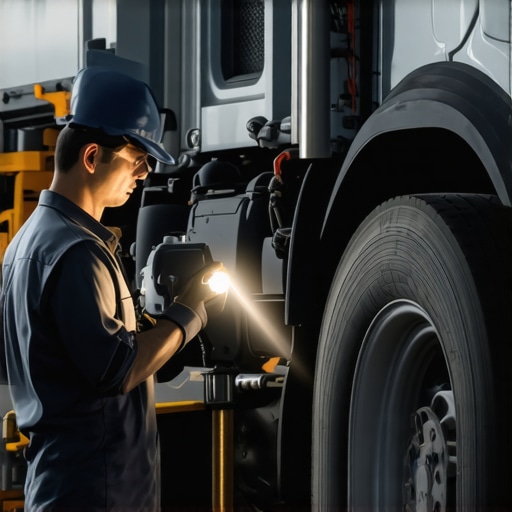
Why your fleet vehicles are losing power on highway inclines
There was a moment last summer when I was hauling a load of equipment on the highway, and suddenly my truck felt like it hit a brick wall. No matter how much I pushed the accelerator, it just wouldn’t climb that steep incline like it used to. I knew something was off, and that frustrating feeling of helplessness stayed with me for days. That was my lightbulb moment — realizing that my fleet vehicles weren’t just tired; they had a problem that needed attention beyond the usual oil change or tire check.
Unlocking the Mystery of Power Loss on Inclines
If you’ve ever faced that sudden, alarming dip in power when your vehicle hits a hill or an incline, you’re not alone. It’s a common issue that fleet managers and drivers often overlook or dismiss as normal wear and tear. But trust me, ignoring it can lead to more expensive repairs down the line. Today, I’m going to show you how to identify the root causes of your vehicles losing power on highway inclines and what steps you can take to get them back to peak performance.
Is This Just Normal Aging, or Something Serious?
Early on, I made the mistake of chalking it up to aging engines or rough driving conditions. That was a rookie error. The truth is, several issues can mimic normal wear but are actually signs of deeper problems. For instance, clogged fuel filters or worn-out spark plugs can severely impact power, especially during high-demand situations like hill climbs. It’s essential to pay attention to signs early—like sluggish acceleration or engine hesitation—before the problem worsens. Regular maintenance, such as [oil changes](https://autofixclinic.com/why-regular-oil-changes-extend-your-cars-lifespan) and transmission checks, can prevent many of these issues. But understanding the specific symptoms linked to power loss is key to acting swiftly.
Have you experienced your fleet vehicles losing power unexpectedly? If yes, don’t worry—help is on the way. In the upcoming sections, I’ll walk you through practical diagnostic steps and proven fixes backed by real-world experience.
Perform a Visual Inspection of Belts and Hoses
Start by checking your vehicle’s drive belts and coolant hoses for signs of wear, cracks, or slipping. A worn serpentine belt can slip during high loads, causing a drop in power. I once discovered a loose belt on a truck during a routine check; tightening it restored proper power on inclines. Ensuring these components are intact is like tightening a loose guitar string—vital for smooth performance.
Check and Replace the Fuel Filter
Clogged fuel filters restrict fuel flow, especially under demanding conditions. Locate the filter, usually along the fuel line, and inspect for dirt or debris. Replacing it is straightforward—use a wrench, disconnect the old filter, and install a new one following manufacturer specs. I replaced a clogged filter on a delivery van, and the engine’s response improved immediately, much like clearing a clogged artery boosts blood flow.
Test and Maintain Spark Plugs and Ignition System
Worn spark plugs cause misfires or hesitation under load. Remove them using a spark plug socket, inspect for deposits, and replace if worn or fouled. Proper gap setting is crucial—measure with a gauge or refer to the vehicle manual. I once swapped out old plugs on a fleet SUV, resulting in a noticeable power boost during hill climbs, akin to sharpening an axe—making every chop more effective.
Inspect and Upgrade the Transmission
Transmission issues can mimic engine problems. Check transmission fluid level and color; dark or burnt smell indicates deterioration. Consider a flush or fluid replacement if needed. For example, after a transmission flush, I observed smoother gear shifts and better hill performance, much like switching from rough to silk—enhancing overall drive quality.
Monitor Engine Compression
A loss of compression in cylinders reduces power significantly. Use a compression tester, following safety precautions, and compare readings across cylinders. A low reading suggests piston ring or valve problems—requiring professional diagnosis. I ran a compression test on a heavy-duty truck which revealed worn piston rings; addressing this restored its power, much like replacing worn-out muscles in a runner.
Optimize Air Intake and Exhaust Systems
Clogged air filters or exhaust restrictions limit airflow, hurting performance. Inspect the air filter—replace if dirty—and check for obstructions in the exhaust pipe. I replaced a dirty filter on a fleet tractor, resulting in improved throttle response, similar to clearing a blocked airway for better breathing.
Regular Maintenance Keeps Power Steady
Consistent servicing, including oil changes, transmission checks, and system inspections, prevents small issues from escalating. Remember, routine maintenance is like a health check-up—prevention over cure. For comprehensive guidance, refer to this resource that emphasizes the importance of regular oil changes for longevity.
Seek Professional Diagnostics When Needed
If you’ve gone through these steps and still face power issues, it’s time to consult experts. Qualified technicians can perform advanced diagnostics, including ECU testing and transmission analysis. My experience shows that trusting certified professionals, like those with ASE certification, ensures your fleet gets the best care and reduces downtime—saving money and avoiding costly repairs down the road.
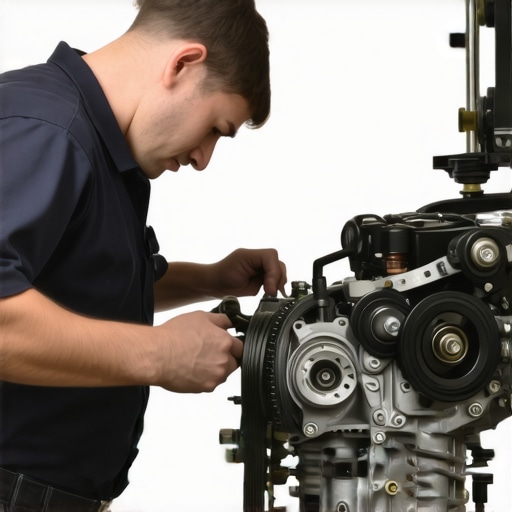
Many car enthusiasts and everyday drivers alike hold onto myths about vehicle maintenance that can lead to costly mistakes. For instance, a widespread belief is that all ASE-certified technicians always provide the best service. While ASE certification (which you can learn more about here) signifies a certain skill level, it isn’t a guarantee of superior service if the shop isn’t committed to ongoing training. This nuance is often overlooked, leading to complacency and subpar repairs. Embracing continuous education and verifying each technician’s recent credentials can make a significant difference in automotive care.
Another common misconception involves oil changes: many believe that more frequent changes are always better. However, recent studies, including insights from the auto industry research, show that manufacturers’ recommended intervals—especially when using synthetic oils—are often more than sufficient. Overly frequent oil changes can be an unnecessary expense, and in some cases, lead to oil disposal issues. The key is understanding your vehicle’s specific needs and choosing quality oils, as discussed in this guide.
Many drivers also think that car service is just about fixing problems as they come, not about preventing them. This reactive approach ignores the power of regular maintenance, which, as highlighted by professionals, can extend your vehicle’s lifespan and improve safety. For example, neglecting simple tasks like checking and replacing coolant hoses or inspecting belts can cause major breakdowns. Because components wear out gradually, understanding the nuances of routine inspections is vital—details that are often missed by casual approachers. For an in-depth understanding, check out this resource.
Is ASE Certification Enough to Trust a Shop?
This is a worthwhile question, especially given the hype around certifications. While ASE certification is a mark of a qualified technician, it doesn’t reflect the shop’s overall quality or adherence to best practices. Shop reputation, customer reviews, and transparency matter equally. Think of ASE certification as a necessary but not sufficient credential—an important indicator, but not the sole proof of excellence. Ensuring your service provider aligns with other indicators of professionalism will safeguard your vehicle’s health. You can verify a technician’s credentials and shop reputation through tools like contacting the shop directly.
It’s fascinating how the nuances of vehicle maintenance can dramatically influence the longevity and safety of your car. Recognizing these misconceptions and approaching service with a critical eye enables smarter, more cost-effective decisions. Have you ever fallen into this trap? Let me know in the comments.
Remember, proper maintenance starts with understanding the details—like the importance of regular oil changes, the significance of ASE-certified technicians, and knowing when to seek professional help beyond the basics. For more insight, explore this comprehensive guide on oil change frequency or transmission troubleshooting.
Investing in the Right Equipment Makes All the Difference
Keeping your fleet vehicles and personal cars running smoothly over time hinges on having the right tools and resources at your disposal. I swear by a few key items that have proven invaluable in diagnosing, maintaining, and ensuring long-term reliability. For example, my digital infrared thermometer is a game-changer—it lets me quickly check engine and cooling system temperatures without the need for invasive procedures. This helps me catch issues like overheating before they escalate into costly repairs, aligning with tips I’ve shared about preventative maintenance.
Similarly, a high-quality code scanner, such as the Autel MaxiCOM, allows me to promptly identify faults stored in the vehicle’s ECU, streamlining diagnostics and reducing downtime. Unlike generic OBD-II readers, my chosen scanner offers comprehensive live data, which is essential for nuances like transmission behavior and sensor calibration. This precision tool ensures I catch issues early, echoing insights from ASE-certified technicians’ emphasis on accurate diagnostics.
How do I maintain transmission health over time?
One method I emphasize is regular transmission fluid analysis using commercial-grade test kits. Monitoring fluid conditions—checking for viscosity and contamination—can prevent unwanted surprises like shuddering or slipping. Modern transmission fluids even include additives designed to extend service life, but they require periodic checks, especially in high-mileage fleets. As this practice becomes more common, I predict that predictive maintenance—using fluid analysis combined with software sensors—will grow, leading to smarter, more cost-effective results.
Beyond measurement tools, I rely on quality lubricants. Using synthetic oils tailored to my vehicle’s specifications, as recommended by the manufacturer, helps maintain engine compression and reduces wear, contributing to longevity. My go-to oil change routine involves using a trusted synthetic, followed by a thorough system flush when indicated, aligning with guidance from industry forecasts for 2025.
What’s next in car service technology?
Advancements like telematic systems and IoT-enabled sensors will revolutionize maintenance by predicting failures before they happen. Integrating these technologies into your routine, coupled with professional diagnostics, can significantly reduce unexpected breakdowns. For now, I highly recommend investing in a professional-grade code scanner and routinely checking vital components with infrared thermometers—simple steps that deliver big results.
If you’re ready to take your vehicle maintenance to the next level, try enabling your vehicle’s onboard diagnostics to monitor critical parameters regularly. You’ll be surprised how early indicators, like rising coolant temperatures or slight shifts in sensor outputs, can offer insights into impending issues, saving you time and money in the long run.
For tailored recommendations, don’t hesitate to reach out. Proper tool investment and routine checks are pivotal in achieving that smooth, reliable ride, ensuring your fleet or personal vehicle remains in top shape for miles to come.
Why Ignoring Minor Signs Costs Big Money
One of the most eye-opening lessons I learned was that small, overlooked indications—like a slight hesitation or a weird noise during shifts—can escalate into costly repair bills if ignored. Early detection, before symptoms become severe, saved me thousands and extended the life of my fleet vehicles. Trust me, being proactive with signs like these is an investment you can’t afford to skip.
How Proper Tools and Knowledge Turn the Game Around
Having a reliable code scanner and understanding basic diagnostic procedures transformed my approach. It’s incredible how simple tools, such as a high-quality transmission fluid tester or an infrared thermometer, can give you clarity and confidence in maintenance decisions. My confidence skyrocketed when I could identify issues early, avoiding unnecessary repairs and downtime. These tools are accessible and worth every penny for fleet managers aiming for cost-effective care.
Small Habits That Boost Longevity and Performance
Routine practices like checking fluid levels, inspecting belts, and following manufacturer-recommended maintenance intervals are simple yet powerful. They act as the frontline defense against unexpected failures, ensuring your vehicles perform optimally on every highway incline. Incorporating these habits into your regular maintenance schedule is like giving your fleet a health check that pays off dividends in durability and reliability.
Curiosity and Continuous Learning Fuel Better Vehicle Care
One thing I wish I had embraced earlier is the importance of staying informed. Resources like comprehensive guides on oil change routines or understanding what ASE certification truly signifies helped me make smarter choices. Never stop asking questions or seeking out new knowledge—automotive mastery is a journey, not a destination.
My Secret Weapon for Smooth Shifting and Long-Term Success
Investing in quality lubricants, routine fluid analysis, and diagnostic technology has been a game changer. These efforts might seem small, but they collectively prevent issues like slipping transmissions or overheating. Combining smart tool use with regular checks creates a maintenance culture that benefits everyone’s safety and your bottom line. Remember, consistent care is the real secret behind a resilient fleet that masters highway inclines effortlessly.
Where to Go from Here
If you’re ready to elevate your vehicle maintenance, start integrating these insights today. Equip yourself with the right diagnostics tools, adopt proactive habits, and never hesitate to learn more—because a well-maintained fleet isn’t just a goal; it’s a necessity. Your vehicles—and your wallet—will thank you for it. Are you prepared to take your transmission care to the next level? Share your experiences below and let’s grow together!