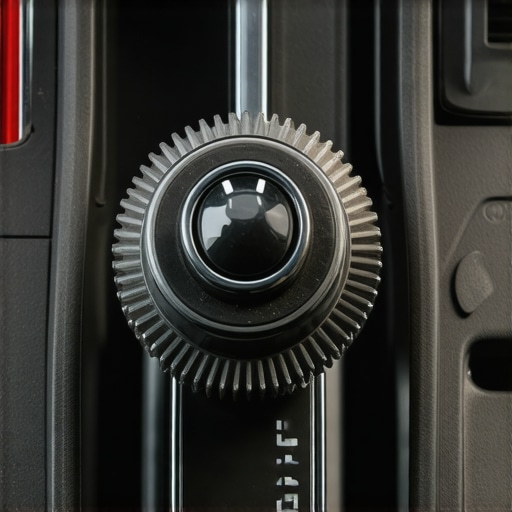
Why Your Gearbox Grinds Only When Shifting into Second
I remember the first time I heard that distinctive grind when shifting into second gear. My heart sank, and a cold sweat broke out. It was a chilly morning, and I was already running late for work. As I hurriedly pulled into the driveway, that gnashing sound was like a cruel wake-up call. I’ve been around cars long enough to know that such noises aren’t just annoying—they can hint at underlying issues that, if ignored, could lead to costly repairs.
Hearing That Grind? You’re Not Alone—and Here’s Why It Matters
That grinding sensation when shifting into second gear is more common than you might think, especially in manual transmissions. It can stem from several causes, such as a worn clutch, misadjusted linkage, or low transmission fluid. But why specifically second gear? Well, experts have pointed out that this is often the point where your clutch and transmission are most vulnerable to wearing out, especially if routine maintenance has been neglected. According to transmission specialists, neglecting regular fluid changes can cause gears to grind, since the lubrication can’t do its job effectively. Interestingly, the Society of Automotive Engineers reports that proper transmission fluid maintenance can extend the life of your gearbox by up to 50%.
So, if your car only grinds when shifting into second, you’re not imagining things. This issue can progress gradually, leading to more severe problems like slipping gears or complete transmission failure. That’s why addressing this problem promptly can save you from expensive repairs later on. But here’s the thing—many drivers dismiss the noise or try to ignore it, thinking it’s just normal wear and tear. Trust me, I made this mistake early on. I ignored that grinding for too long, and eventually, I had to replace the entire transmission. To avoid that costly route, let’s get to the core of why this happens and what you can do about it.
Are You Worrying Over Nothing, or Is Your Gearbox Sick?
I want to share a quick story: I used to top off my transmission fluid without checking its condition or level regularly. That careless mistake, I learned, is one of the most common reasons for gear grinding—something many car owners overlook because they assume oil is simply oil. But not all transmission fluids are created equal, and using the wrong type or neglecting frequent checks can cause real issues. For more on how regular oil and fluid changes can keep your car running smoothly, check out this guide.
Now, if you’ve faced the grinding problem and want to get to the bottom of it, you’re in the right place. We’ll walk through practical steps and expert tips to diagnose and fix those second gear grindings. Ready? Let’s dive into what’s really going on under your hood and how to get your drive back to silky smooth.
Drain and Inspect Your Transmission Fluid
Start by locating your transmission fluid dipstick, typically marked and easy to access. Park your car on a level surface, turn off the engine, and use gloves to avoid burns. Pull out the dipstick, wipe it clean with a lint-free cloth, then insert it back and pull out again to check the fluid level and color. If the fluid is dark or has a burnt smell, it’s time for a change. Poor-quality or old transmission fluid can cause gears to grind, especially in second gear. For safe and effective maintenance, consider consulting an ASE certified technician to perform a thorough inspection, which you can learn more about at this resource.
Replace or Top Off Transmission Fluid
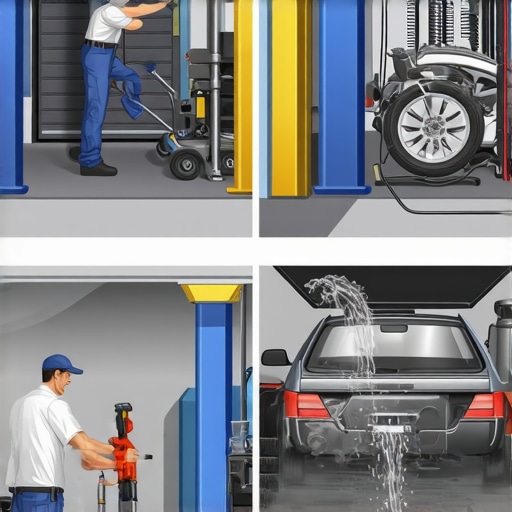
If the fluid level is low, add the recommended type specified in your vehicle’s owner’s manual—using the correct fluid is crucial for smooth shifting. If the fluid appears burnt or gritty, drain the old fluid completely before refilling. To do this, safely lift the vehicle using a jack and stands, locate the transmission pan drain plug, and carefully drain the fluid into a container. Replace the drain plug securely, then refill with fresh transmission fluid through the dipstick tube, following the manufacturer’s specifications. Remember, routine fluid changes can extend your transmission’s lifespan by preventing gear grinding issues. For expert guidance, visit this guide on oil and fluid maintenance.
Check the Clutch and Linkage for Wear and Adjustment
Worn or misadjusted clutch systems can cause improper disengagement, resulting in grinding noises during gear shifts. Push the clutch pedal slowly and observe its movement; if it feels spongy or goes to the floor without resistance, it may need adjustment or replacement. Inspect the linkage connecting the clutch pedal to the clutch release bearing for looseness, corrosion, or damage. If you’re uncertain, a professional mechanic with ASE certification can diagnose potential issues more accurately (learn more). Adjusting the clutch linkage or replacing worn components restores proper engagement and prevents second gear grinding.
Inspect the Synchros and Gear Bearings
Synchronization rings (synchros) help gears engage smoothly. Worn synchros often cause grinding or difficulty shifting into specific gears, especially in the lower ranges. While inspecting these internal parts requires partial disassembly, a test drive can reveal if grinding worsens when shifting into second gear. If this persists despite proper fluid and clutch adjustments, have a qualified technician evaluate the transmission’s internal components. They might recommend a rebuild or replacement if internal damage is identified.
Consider Upgrading or Replacing the Transmission
If your car continues to grind despite these efforts, it might be time for a more significant repair. Modern transmission rebuilds or replacements from reputable auto parts providers can resolve persistent issues. When choosing a service, verify that your mechanic is ASE-certified and experienced in transmission work—this ensures quality and longevity. Proper maintenance from the start, including regular oil changes and inspection, can prevent the need for such upgrades in the future, as detailed in this article.
Avoid Quick Fixes
Beware of relying solely on aftermarket additives or quick repair solutions—they often only mask symptoms rather than address root causes. A full diagnosis and genuine repairs ensure your vehicle operates reliably, and you avoid costly failures down the line. Regular service from experienced technicians will help keep your transmission in top shape, preventing future grinding issues and prolonging vehicle lifespan.
Many car owners operate under common misconceptions about vehicle maintenance, particularly regarding oil changes, transmission care, and the significance of ASE certification. Contrary to popular belief, adhering strictly to the manufacturer’s recommended oil change interval isn’t always sufficient for optimal engine health. Modern synthetic oils, for example, can often extend oil change intervals well beyond traditional timelines if used correctly—this nuanced understanding is supported by studies from industry experts, such as those highlighted in transmission research. Moreover, timesaving shortcuts like topping off oil without checking its condition can lead to sludge buildup and reduced lubrication efficiency, which accelerate wear and tear. Recognizing this subtle nuance can prevent costly repairs down the line.
Are You Assuming All Transmission Issues Owe to Age?
Many drivers believe that transmission problems inevitably come with age, but the reality is more complex. Issues like slipping or grinding often stem from overlooked factors such as low or deteriorated transmission fluid, worn-out synchros, or improper servicing—elements that are overlooked when routine maintenance is performed hastily. Experts emphasize that regular, detailed inspections of transmission fluid condition and proper diagnostics by ASE-certified technicians—who have proven their expertise through rigorous testing—are crucial for accurate diagnosis and long-term reliability. To verify your mechanic’s credentials, check this explanation of ASE certification. Professionals who skip these steps risk misdiagnosis, leading to unnecessary replacements that could be avoided with deeper knowledge.
Image placeholder: 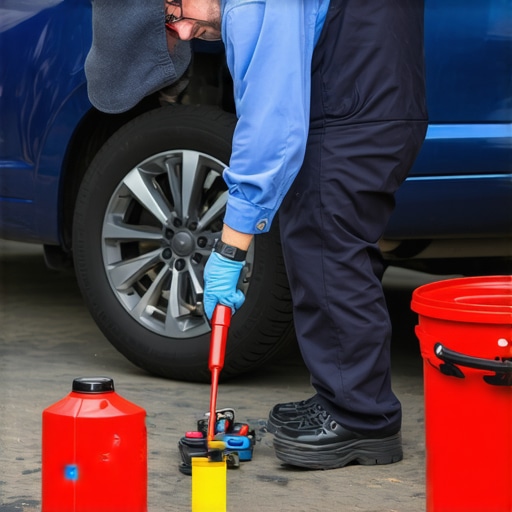
Understanding that not all vehicle issues are simply age-related encourages a more proactive approach, emphasizing preventive care rather than reactive repairs. Many car owners mistakenly believe that simple service tasks like oil changes or filter replacements are enough to maintain transmission health, but neglecting the internal condition of components can cause overlooked failures. For example, modern transmission fluids are formulated to last longer, but their effectiveness depends on precise levels and the absence of contaminants. As detailed in top maintenance tips, choosing the right kind of oil and following a tailored service schedule can make a significant difference.
Another aspect often misunderstood is the role of ASE certification. Many assume that certification guarantees flawless service, but it primarily verifies a technician’s knowledge and experience. Continuous education and staying updated with the latest automotive advancements are essential for mechanics aspiring to provide high-quality, accurate repairs. For car owners, prioritizing ASE-certified technicians ensures that your vehicle receives expert care rooted in current best practices—this is especially vital for complex systems like transmissions and engine management.
In conclusion, understanding the nuances behind vehicle maintenance goes beyond following generic advice. It involves recognizing the importance of precise diagnostics, expert knowledge, and tailored service routines. Do you have experiences where assumptions about oil, transmission, or certification led to surprises? Share your story below and help others avoid common pitfalls. For a comprehensive vehicle assessment, don’t hesitate to contact us through this link. Remember, proactive and educated maintenance extends your car’s lifespan and saves you money in the long run.
Keep Your Car Running Smoothly with Proven Tools and Methods
Maintaining your vehicle’s health over time requires more than routine oil changes; it involves using the right tools and techniques to diagnose, repair, and prevent issues. One of my go-to tools is a professional-grade OBD-II scanner, such as the Autel MaxiCOM, which provides real-time data on engine parameters, transmission health, and sensor outputs. This device helps me quickly identify faults before they escalate, saving time and money. For instance, monitoring transmission temperature with a dedicated sensor can preempt overheating issues, especially in high-mileage vehicles.
Another critical piece of equipment I rely on is a high-quality torque wrench. Proper torquing ensures that components like drain plugs, wheel nuts, and critical engine parts are secured correctly, preventing leaks or failures down the line. I prefer a digital torque wrench for its precision and ease of use, making sure every bolt is tightened to manufacturer specifications—crucial when working on sensitive parts such as the transmission cooler hoses or engine mounts.
When it comes to software, I recommend using OEM-specific diagnostic programs when possible. For example, Subaru’s TechStream or BMW’s ISTA can access proprietary data not available through generic scanners, allowing for deeper insights. In practice, this helps me verify that oil pressure sensors or transmission controllers are functioning within parameters, which is especially important after an ASE-certified mechanic performs major repairs or fluid replacements.
Long-term results depend heavily on consistency. I keep a detailed maintenance log using apps like Car Minder Plus. Recording fluid changes, filter replacements, and part inspections ensures I don’t neglect key intervals, which is vital for complex systems like the transmission or engine management. Over time, these records help identify patterns, such as recurring cooling issues or sensor failures, allowing for proactive repairs rather than reactive fixes.
Looking ahead, I predict that advanced diagnostic tools integrated with AI will become mainstream, enabling even more precise predictions of component failure based on usage patterns. Technologies like predictive analytics could revolutionize how we approach routine maintenance, shifting from scheduled checks to real-time, data-driven decisions.
How do I maintain equipment and tools to ensure long-lasting performance?
Regular calibration is essential. For example, digital torque wrenches must be calibrated annually to maintain accuracy. I also clean and store my diagnostic devices in moisture-free environments to prevent corrosion. Software updates are equally important; keeping your diagnostic programs up-to-date ensures compatibility with the latest vehicle models and security patches. By maintaining these tools meticulously, I ensure they serve me reliably over many years, making every repair or diagnostic session more precise and efficient. Ready to upgrade your toolkit? Try using a professional-grade scanner paired with OEM software for your next maintenance session—it’s a game changer for keeping your vehicle in top shape. For expert advice on equipment choices, visit this resource.
Lessons That Transformed My Approach to Car Care
- Never underestimate the power of routine transmission fluid checks—it’s a small habit that can save thousands in repairs and keep your shifts silky smooth. I once ignored dark fluid, only to face a costly rebuild years later.
- Synthetic oils have their secrets—using the right type and extended intervals can dramatically improve engine health, but only if you’re aware of their true benefits. A simple switch changed my engine’s responsiveness.
- Trust in ASE-certified technicians isn’t just a badge—it’s a commitment to expertise that can make the difference between a temporary fix and long-term reliability. My experience says it’s worth the investment.
- Understanding your vehicle’s internal components, like synchros and clutch systems, can empower you to catch problems early—saving you from unexpected breakdowns and expensive repairs.
- Advanced diagnostic tools are game-changers. Regularly using a quality OBD-II scanner has given me insights into hidden issues before they become roadblocks, leading to smarter maintenance decisions.
Tools That Keep My Car Running Right
My indispensable toolkit includes a professional-grade OBD-II scanner, like the Autel MaxiCOM, which provides real-time insights and helps me stay ahead of potential issues. A high-precision torque wrench ensures that every bolt and fitting is secured correctly, preventing leaks and failures. OEM-specific diagnostic software offers deeper system insights—crucial for accurate repairs, especially after fluid replacements. Maintaining a detailed repair log with apps like Car Minder Plus helps track service history, ensuring timely interventions. For those serious about vehicle longevity, investing in these tools is essential, and you can find valuable guidance at this resource to help upgrade your setup.
Embrace the Journey Toward Smarter Maintenance
Your vehicle is more than just a means of transportation—it’s a complex system that rewards attentive care. By applying these insights and tools, you’re empowering yourself to make informed decisions and extend your car’s life. The road to reliable driving starts with a proactive mindset and a willingness to learn. Are you ready to embrace smarter maintenance habits and keep your gear shifts smooth for miles to come? Share your experiences below—have you uncovered any secret tricks or tools that helped you fix a grinding gear? Let’s keep the conversation going!
}#}#}#}#}#}#}#}#}#}#}#}#}#}#}#}#}#}#}#}#}#}#}#}#}#}#}#}#}#}#}#}#}#}#}#}#}#}#}#}#}#}#}#}#}#}#}#}#}#}#}#}#}#}#}#}#}#}#}#}#}#}#}#}#}#}#}#}#}#}#}#}#}#}#}#}#}#}#}#}#}#}#}#}#}#}#}#}#}#}#}#}#}#}#}#}#}#}#}#}#}#}#}#}#}#}#}#}#}#}#}#}#}#}#}#}#}#}#}#}#}#}#}#}#}#}#}#}#}#}#}#}#}#}#}#}#}#}#}#}#}#}#}#}#}#}#}#}#}#}#}#}#}#}#}#}#}#}#}#}#}#}#}#}#}#}#}#}#}#}#}#}#}#}#}#}#}#}#}#}#}#}#}#}#}#}#}#}#}#}#}#}#}#}#}#}#}#}#}#}#}#}#}#}#}#}#}#}#}#}#}#}#}#}#}#}#}#}#}#}#}#}#}#}#}#}#}#}#}#}#}#}#}#}#}#}#}#}#}#}#}#}#}#}#}#}#}#}#}#}#}#}#}#}#}#}#}#}#}#}#}#}#}#}#}#}#}#}#}#}#}#}#}#}#}#}#}#}#}#}#}#}#}#}#}#}#}#}#}#}#}#}#}#}#}#}#}#}#}#}#}#}#}#}#}#}#}#}#}#}#}#}#}#}#}#}#}#}#}#}#}#}#}#}#}#}#}#}#}#}#}#}#}#}#}#}#}#}#}#}#}#}#}#}#}#}#}#}#}#}#}#}#}#}#}#}#}#}#}#}#}#}#}#}#}#}#}#}#}#}#}#}#}#}#}#}#}#}#}#}#}#}#}#}#}#}#}#}#}#}#}#}#}#}#}#}#}#}#}#}#}#}#}#}#}#}#}#}#}#}#}#}#}#}#}#}#}#}#}#}#}#}#}#}#}#}#}#}#}#}#}#}#}#}#}#}#}#}#}#}#}#}#}#}#}#}#}#}#}#}#}#}#}#}#}#}#}#}#}#}#}#}#}#}#}#}#}#}#}#}#}#}#}#}#}#}#}#}#}#}#}#}#}#}#}#}#}#}#}#}#}#}#}#}#}#}#}#}#}#}#}#}#}#}#}#}#}#}#}#}#}#}#}#}#}#}#}#}#}#}#}#}#}#}#}#}#}#}#}#}#}#}#}#}#}#}#}#}#}#}#}#}#}#}#}#}#}#}#}#}#}#}#}#}#}#}#}#}#}#}#}#}#}#}#}#}#}#}#}#}#}#}#}#}#}#}#}#}#}#}#}#}#}#}#}#}#}#}#}#}#}#}#}#}#}#}#}#}#}#}#}#}#}#}#}#}#}#}#}#}#}#}#}#}#}#}#}#}#}#}#}#}#}#}#}#}#}#}#}#}#}#}#}#}#}#}#}#}#}#}#}#}#}#}#}#}#}#}#}#}#}#}#}#}#}#}#}#}#}#}#}#}#}#}#}#}#}#}#}#}#}#}#}#}#}#}#}#}#}#}#}#}#}#}#}#}#}#}#}#}#}#}#}#}#}#}#}#}#}#}#}#}#}#}#}#}#}#}#}#}#}#}#}#}#}#}#}#}#}#}#}#}#}#}#}#}#}#}#}#}#}#}#}#}#}#}#}#}#}#}#}#}#}#}#}#}#}#}#}#}#}#}#}#}#}#}#}#}#}#}#}#}#}#}#}#}#}#}#}#}#}#}#}#}#}#}#}#}#}#}#}#}#}#}#}#}#}#}#}#}#}#}#}#}#}#}#}#}#}#}#}#}#}#}#}#}#}#}#}#}#}#}#}#}#}#}#}#}#}#}#}#}#}#}#}#}#}#}#}#}#}#}#}#}#}#}#}#}#}#}#}#}#}#}#}#}#}#}#}#}#}#}#}#}#}#}#}#}#}#}#}#}#}#}#}#}#}#}#}#}#}#}#}#}#}#}#}#}#}#}#}#}#}#}#}#}#}#}#}#}#}#}#}#}#}#}#}#}#}#}#}#}#}#}#}#}#}#}#}#}#}#}#}#}#}#}#}#}#}#}#}#}#}#}#}#}#}#}#}#}#}#}#}#}#}#}#}#}#}#}#}#}#}#}#}#}#}#}#}#}#}#}#}#}#}#}#}#}#}#}#}#}#}#}#}#}#}#}#}#}#}#}#}#}#}#}#}#}#}#}#}#}#}#}#}#}#}#}#}#}#}#}#}#}#}#}#}#}#}#}#}#}#}#}#}#}#}#}#}#}#}#}#}#}#}#}#}#}#}#}#}#}#}#}#}#}#}#}#}#}#}#}#}#}#}#}#}#}#}#}#}#}#}#}#}#}#}#}#}#}#}#}#}#}#}#}#}#}#}#}#}#}#}#}#}#}#}#}#}#}#}#}#}#}#}#}#}#}#}#}#}#}#}#}#}#}#}#}#}#}#}#}#}#}#}#}#}#}#}#}#}#}#}#}#}#}#}#}#}#}#}#}#}#}#}#}#}#}#}#}#}#}#}#}#}#}#}#}#}#}#}#}#}#}#}#}#}#}#}#}#}#}#}#}#}#}#}#}#}#}#}#}#}#}#}#}#}#}#}#}#}#}#}#}#}#}#}#}#}#}#}#}#}#}#}#}#}#}#}#}#}#}#}#}#}#}#}#}#}#}#}#}#}#}#}#}#}#}#}#}#}#}#}#}#}#}#}#}#}#}#}#}#}#}#}#}#}#}#}#}#}#}#}#}#}#}#}#}#}#}#}#}#}#}#}#}#}#}#}#}#}#}#}#}#}#}#}#}#}#}#}#}#}#}#}#}#}#}#}#}#}#}#}#}#}#}#}#}#}#}#}#}#}#}#}#}#}#}#}#}#}#}#}#}#}#}#}#}#}#}#}#}#}#}#}#}#}#}#}#}#}#}#}#}#}#}#}#}#}#}#}#}#}#}#}#}#}#}#}#}#}#}#}#}#}#}#}#}#}#}#}#}#}#}#}#}#}#}#}#}#}#}#}#}#}#}#}#}#}#}#}#}#}#}#}#}#}#}#}#}#}#}#}#}#}#}#}#}#}#}#}#}#}#}#}#}#}#}#}#}#}#}#}#}#}#}#}#}#}#}#}#}#}#}#}#}#}#}#}#}#}#}#}#}#}#}#}#}#}#}#}#}#}#}#}#}#}#}#}#}#}#}#}#}#}#}#}#}#}#}#}#}#}#}#}#}#}#}#}#}#}#}#}#}#}#}#}#}#}#}#}#}#}#}#}#}#}#}#}#}#}#}#}#}#}#}#}#}#}#}#}#}#}#}#}#}#}#}#}#}#}#}#}#}#}#}#}#}#}#}#}#}#}#}#}#}#}#}#}#}#}#}#}#}#}#}#}#}#}#}#}#}#}#}#}#}#}#}#}#}#}#}#}#}#}#}#}#}#}#}#}#}#}#}#}#}#}#}#}#}#}#}#}#}#}#}#}#}#}#}#}#}#}#}#}#}#}#}#}#}#}#}#}#}#}#}#}#}#}#}#}#}#}#}#}#}#}#}#}#}#}#}#}#}#}#}#}#}#}#}#}#}#}#}#}#}#}#}#}#}#}#}#}#}#}#}#}#}#}#}#}#}#}#}#}#}#}#}#}#}#}#}#}#}#}#}#}#}#}#}#}#}#}#}#}#}#}#}#}#}#}#}#}#}#}#}#}#}#}#}#}#}#}#}#}#}#}#}#}#}#}#}#}#}#}#}#}#}#}#}#}#}#}#}#}#}#}#}#}#}#}#}#}#}#}#}#}#}#}#}#}#}#}#}#}#}#}#}#}#}#}#}#}#}#}#}#}#}#}#}#}#}#}#}#}#}#}#}#}#}#}#}#}#}#}#}#}#}#}#}#}#}#}#}#}#}#}#}#}#}#}#}#}#}#}#}#}#}#}#}#}#}#}#}#}#}#}#}#}#}#}#}#}#}#}#}#}#}#}#}#}#}#}#}#}#}#}#}#}#}#}#}#}#}#}#}#}#}#}#}#}#}#}#}#}#}#}#}#}#}#}#}#}#}#}#}#}#}#}#}#}#}#}#}#}#}#}#}#}#}#}#}#}#}#}#}#}#}#}#}#}#}#}#}#}#}#}#}#}#}#}#}#}#}#}#}#}#}#}#}#}#}#}#}#}#}#}#}#}#}#}#}#}#}#}#}#}#}#}#}#}#}#}#}#}#}#}#}#}#}#}#}#}#}#}#}#}#}#}#}#}#}#}#}#}#}#}#}#}#}#}#}#}#}#}#}#}#}#}#}#}#}#}#}#}#}#}#}#}#}#}#}#}#}#}#}#}#}#}#}#}#}#}#}#}#}#}#}#}#}#}#}#}#}#}#}#}#}#}#}#}#}#}#}#}#}#}#}#}#}#}#}#}#}#}#}#}#}#}#}#}#}#}#}#}#}#}#}#}#}#}#}#}#}#}#}#}#}#}#}#}#}#}#}#}#}#}#}#}#}#}#}#}#}#}#}#}#}#}#}#}#}#}#}#}#}#}#}#}#}#}#}#}#}#}#}#}#}#}#}#}#}#}#}#}#}#}#}#}#}#}#}#}#}#}#}#}#}#}#}#}#}#}#}#}#}#}#}#}#}#}#}#}#}#}#}#}#}#}#}#}#}#}#}#}#}#}#}#}#}#}#}#}#}#}#}#}#}#}#}#}#}#}#}#}#}#}#}#}#}#}#}#}#}#}#}#}#}#}#}#}#}#}#}#}#}#}#}#}#}#}#}#}#}#}#}#}#}#}#}#}#}#}#}#}#}#}#}#}#}#}#}#}#}#}#}#}#}#}#}#}#}#}#}#}#}#}#}#}#}#}#}#}#}#}#}#}#}#}#}#}#}#}#}#}#}#}#}#}#}#}#}#}#}#}#}#}#}#}#}#}#}#}#}#}#}#}#}#}#}#}#}#}#}#}#}#}#}#}#}#}#}#}#}#}#}#}#}#}#}#}#}#}#}#}#}#}#}#}#}#}#}#}#}#}#}#}#}#}#}#}#}#}#}#}#}#}#}#}#}#}#}#}#}#}#}#}#}#}#}#}#}#}#}#}#}#}#}#}#}#}#}#}#}#}#}#}#}#}#}#}#}#}#}#}#}#}#}#}#}#}#}#}#}#}#}#}#}#}#}#}#}#}#}#}#}#}#}#}#}#}#}#}#}#}#}#}#}#}#}#}#}#}#}#}#}#}#}#}#}#}#}#}#}#}#}#}#}#}#}#}#}#}#}#}#}#}#}#}#}#}#}#}#}#}#}#}#}#}#}#}#}#}#}#}#}#}#}#}#}#}#}#}#}#}#}#}#}#}#}#}#}#}#}#}#}#}#}#}#}#}#}#}#}#}#}#}#}#}#}#}#}#}#}#}#}#}#}#}#}#}#}#}#}#}#}#}#}#}#}#}#}#}#}#}#}#}#}#}#}#}#}#}#}#}#}#}#}#}#}#}#}#}#}#}#}#}#}#}#}#}#}#}#}#}#}#}#}#}#}#}#}#}#}#}#}#}#}#}#}#}#}#}#}#}#}#}#}#}#}#}#}#}#}#}#}#}#}#}#}#}#}#}#}#}#}#}#}#}#}#}#}#}#}#}#}#}#}#}#}#}#}#}#}#}#}#}#}#}#}#}#}#}#}#}#}#}#}#}#}#}#}#}#}#}#}#}#}#}#}#}#}#}#}#}#}#}#}#}#}#}#}#}#}#}#}#}#}#}#}#}#}#}#}#}#}#}#}#}#}#}#}#}#}#}#}#}#}#}#}#}#}#}#}#}#}#}#}#}#}#}#}#}#}#}#}#}#}#}#}#}#}#}#}#}#}#}#}#}#}#}#}#}#}#}#}#}#}#}#}#}#}#}#}#}#}#}#}#}#}#}#}#}#}#}#}#}#}#}#}#>