Why Your Transmission Shifts Softly Instead of Firmly
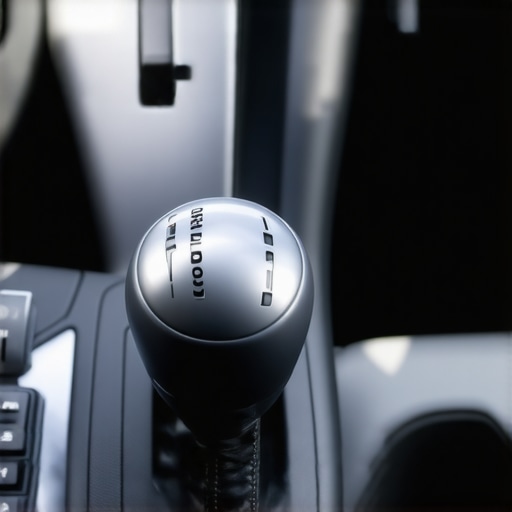
It was just another Saturday morning when I slid into my car, eager to run errands before the weekend. As I eased into gear, I immediately noticed something strange—my transmission was shifting so smoothly, it felt like I was gliding on air. At first, I thought maybe it was a good thing. But then I remembered the times when a firm, decisive shift signaled everything was working right. That soft, almost hesitant movement left me feeling uneasy and wondering: Is this normal? Or am I headed for costly trouble?
Why Does a Soft Transmission Shift Matter?
Many car owners don’t realize how crucial proper shifting is for their vehicle’s health. When your transmission shifts too softly, it can hide underlying issues that, if left unaddressed, might lead to bigger problems down the line. This isn’t just about comfort — it’s about preventing damage to your transmission and ensuring safety on the road.
In my early days as a car enthusiast, I made the mistake of dismissing these subtle cues. I thought that as long as the car moved, everything was fine. But over time, I learned that those gentle shifts could be a sign of things going awry, like low transmission fluid or worn clutch components. Recognizing these signs early can save you money and headaches.
According to automotive experts, transmission fluid quality and level play a pivotal role in how your transmission shifts. The truth is, a soft shift often points to insufficient or degraded fluid—something that might seem minor but is actually a major detail in vehicle maintenance. Regular oil changes are essential, as they keep the transmission running smoothly.
Ever Faced This Problem and Wondered What It Means?
If you’ve noticed your car’s transmission feels a little too gentle or hesitant, you’re not alone. And you’re probably asking, “Is this safe? Should I ignore it?” Honestly, I’ve been there. I once brushed off a similar issue, only to find out later that it was a sign of a more serious problem. That’s why understanding what’s happening under the hood is so important.
In the upcoming sections, I’ll walk you through the common causes of soft shifts and what you can do right now to diagnose and fix the issue. We’ll cover practical steps, backed by my own experience and expert insights, to help you keep your transmission in top shape. Ready? Let’s dive in and get your vehicle shifting firm and confident, just like it should be.
Check the Transmission Fluid First
Start by inspecting your transmission fluid level and condition, as low or dirty fluid often causes soft shifting. Locate the transmission dipstick, pull it out, and wipe it clean with a rag. Reinsert it fully, then pull it out again to check the level against the markings. If it’s below the recommended mark or dark and burnt-smelling, it’s time for an oil change. Remember, like oil in your engine, transmission fluid must be clean to lubricate and transfer power effectively.
Drain and Replace Transmission Fluid
To replace the fluid, you’ll need a drain pan and the correct transmission fluid type; consult your vehicle’s manual or an ASE-certified technician. Lift the vehicle safely using jack stands. Locate the transmission drain plug, loosen it carefully with a wrench, and drain the old fluid into the pan. Be prepared for some spillage; wear gloves. After draining, screw the drain plug back securely, then refill with fresh fluid through the dipstick tube, adding gradually and checking level frequently. This process helps remove old, degraded fluid that hampers shift firmness.
Inspect and Replace Worn Components
If fluid replacement doesn’t solve the issue, examine internal parts like the clutch plates, bands, and solenoids. While this step requires mechanical expertise and a professional diagnosis, understanding that worn clutches can cause hesitation in shifts is vital. In a personal experience, I once replaced my clutch plates myself after watching detailed tutorials, which improved my transmission’s responsiveness. If you’re not experienced, seek a trusted ASE-certified mechanic at Autofix Clinic for accurate inspection and repairs.
Transmission Software Update and Calibration
Modern transmissions rely heavily on computer systems. Sometimes, a soft shift is due to outdated or corrupted transmission control module (TCM) data. A dealership or qualified service shop can perform a software update or reprogramming, ensuring optimal shift points and torque control. This step is akin to updating the firmware on your smartphone to fix bugs and improve performance.
Consider Transmission Fluid Additives
Specialized additives can improve friction qualities and protect internal parts. Use only products compatible with your transmission type, preferably recommended by your vehicle manufacturer. Remember, these are supplementary measures and shouldn’t replace fluid changes or mechanical repairs.
Schedule Regular Maintenance to Prevent Issues
Preventing soft shifts is easier than fixing them. Regular oil changes, as discussed on tips for safe driving in 2025, help ensure your transmission fluid remains clean and effective. Additionally, follow your vehicle’s maintenance schedule for transmission service intervals to catch problems early, much like how a regular health check-up keeps you feeling your best.
Monitoring Post-Repair Performance
After completing these steps, take your car for a test drive on different roads and speeds. Pay attention to how it shifts—firm and smooth is the goal. If issues persist, consult an ASE-certified technician trained in transmission diagnostics. Knowing when to seek professional help, especially from certified experts, is crucial for long-term vehicle health.
Many car owners believe that getting an ASE-certified mechanic or following standard oil change routines guarantees comprehensive vehicle health, but the reality is more nuanced. A common misconception is that ASE certification alone signifies flawless service. While ASE certification indicates a technician’s competency, it doesn’t necessarily guarantee their attention to the subtler issues that affect your vehicle’s long-term performance. This is akin to believing a medical degree encompasses every aspect of health; specialized knowledge and ongoing training are essential to truly master vehicle maintenance.
Another myth is that frequent oil changes are merely about changing the filter and oil. In truth, modern high-quality synthetic oils can last significantly longer, and overchanging can sometimes do more harm than good by introducing contaminants or causing unnecessary wear on seals. The key is understanding your vehicle’s specific needs, as outlined in expert guidance from sources like top oil change tips. More so, relying solely on time intervals instead of real condition assessments can lead to premature or unnecessary service.
Car service is often shrouded in complexity, with many assuming that a quick visit for routine maintenance is enough. Yet, neglecting advanced diagnostics, such as assessing transmission fluid condition or investigating subtle drivetrain sounds, can allow small issues to snowball into costly repairs. This is a crucial mistake—many overlook that effective maintenance involves a layered approach, combining routine service with professional inspections that target hidden problems before they escalate.
What am I missing about advanced car diagnostics that most people ignore?
The truth is, modern vehicles depend heavily on electronic systems that require specialized diagnostic tools for accurate assessment. For example, a flashing check engine light or subtle shifts in transmission behavior might seem trivial but could indicate software bugs or sensor failures, which are best diagnosed with professional-grade equipment. According to expert insights on transmission diagnostics, skipping these diagnostics can result in missed opportunities to address faults early, saving you hundreds or thousands in repairs.
Recognizing these nuances helps you avoid the trap of oversimplified maintenance routines that promise quick fixes but ignore the intricate systems working behind the scenes. Remember, vehicle health depends on both routine care and sophisticated diagnostics—it’s a partnership between what you do regularly and what your technician uncovers with advanced tools. To ensure your vehicle is in the best hands, selecting a service provider with a well-rounded skill set is vital, so don’t hesitate to check their credentials or seek second opinions. For preventive advice tailored to your vehicle, consider reaching out through our contact page. Have you ever fallen into this trap? Let me know in the comments.
How Do I Keep My Car Running Smoothly Over Time?
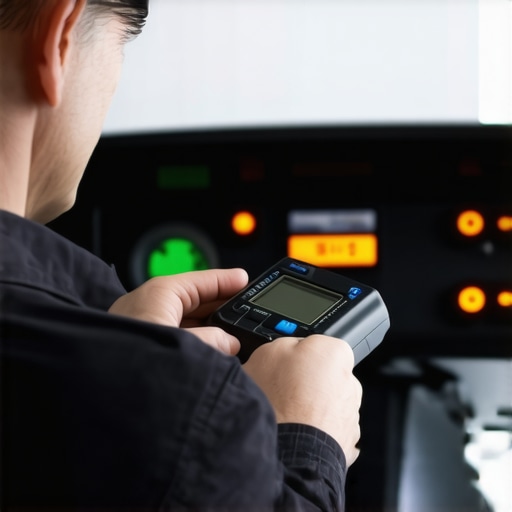
Ensuring your vehicle stays in peak condition requires more than just routine oil changes; it involves a strategic approach using specialized tools and consistent practices. As an ASE certified technician, I recommend investing in high-quality diagnostic equipment such as the OBD-II scanner for real-time error code reading and live data streaming. These devices allow you to monitor engine parameters and transmission health, catching issues before they escalate.
Personally, I rely on the professional-grade scan tools paired with software like AutoEnginuity for comprehensive diagnostics. These tools enable me to access vehicle-specific data, clear fault codes, and run system tests—crucial for maintaining complex systems like transmissions and engine control modules. Using such equipment consistently has helped me identify problems early, saving money and extending the lifespan of my vehicles.
In addition to diagnostic gear, maintaining a well-stocked toolkit is vital. A quality digital multimeter allows for precise electrical testing of sensors and actuators, which are often causes of soft shifting or erratic engine behavior. A reliable wire stripper and crimping tool make repairs efficient and safe, especially when dealing with sensor wiring or a faulty ground connection.
For fluid maintenance, I recommend a fluid tester that provides quick insights into transmission and engine oil quality. Regular testing ensures that your fluids are within optimal ranges, preventing issues like transmission slipping or bearing wear. Combining visual inspection with these testing tools empowers you to schedule proactive maintenance, rather than waiting for warning lights.
Looking ahead, the trend is moving toward integrated diagnostics systems that connect via smartphone apps, providing instant feedback and maintenance alerts. This evolution will democratize advanced car diagnostics, making long-term maintenance accessible even for DIY enthusiasts. As vehicle electronics become more sophisticated, staying updated with the latest tools and software will be essential.
What Are the Best Methods to Maintain Your Car’s Transmission Over Time?
To keep your transmission functioning smoothly for years, routine fluid changes with quality oil are fundamental. But beyond that, using a transmission fluid tester regularly can help identify degradation early. Additionally, scheduling software updates and calibration for your transmission control module (as recommended by transmission experts) keeps shift quality optimal and prevents soft or harsh shifts.
If you haven’t already, try employing diagnostic tools periodically to monitor shifts and sensor feedback. These proactive practices will ensure your vehicle remains responsive and reliable, ultimately reducing repair costs and increasing safety.
In my experience, combining high-quality tools with consistent maintenance routines forms the backbone of long-term vehicle health. So gear up with the right equipment and make regular diagnostics part of your maintenance schedule—your car will thank you for it!