How to Detect a Warped Brake Rotor Without a Dial Indicator
It happened to me during a routine oil change at home. I hit the brakes gently, expecting that familiar smooth stop, but instead, I felt a pulsating vibration through the pedal. Panic set in—could it be the brake pads? Or maybe something worse? Turns out, it was a warped rotor, and I didn’t even need a fancy dial indicator to figure it out. That lightbulb moment made me realize how many drivers might be unknowingly driving with compromised braking systems, risking safety and costly repairs.
Why Detecting a Warped Brake Rotor Matters More Than You Think
In everyday driving, your brakes are your best friends—your safety net, literally. A warped rotor can cause uneven brake pad contact, leading to vibrations, noise, and reduced braking efficiency. If left unnoticed, this issue can escalate, damaging other components or even causing brake failure in extreme cases. Interestingly, a significant number of drivers ignore minor pulsations, dismissing them as normal wear or road irregularities. But did you know that according to automotive experts, warped rotors are a common cause of brake problems that can be diagnosed without expensive tools? In fact, some seasoned mechanics recommend simple subjective tests to spot these issues early, saving you money and keeping you safe.
Questioning whether you can truly detect rotor warping without specialized equipment is natural. My early mistake was relying solely on a visual check, ignoring the subtle vibrations during braking. That approach nearly masked the problem until I experienced worse symptoms. The good news is, you don’t need a dial indicator to identify this common issue—there are straightforward techniques you can do yourself.
Are you tired of guessing whether your brakes need attention? Let’s dive into how you can tell if your rotor is warped—so you can address the issue before it becomes a safety concern or an expensive repair. And if you’re curious about the importance of regular maintenance, check out [why regular oil changes extend your car’s lifespan](https://autofixclinic.com/why-regular-oil-changes-extend-your-cars-lifespan). Now, buckle up because what follows could save you a lot of trouble—and maybe even your life.
Ensure Your Safety with Simple Brake Checks
During a recent weekend project, I decided to stay true to my DIY roots and inspect my brake rotors after noticing a slight pulsation during braking. Instead of immediately heading to the mechanic, I followed these actionable steps. First, gather basic tools—just a jack, jack stands, and a good flashlight. I elevated the front wheels and removed the wheels to access the rotors easily. Remember, always work on a flat surface and ensure the parking brake is engaged.
How to Feel for Warping with Your Hands
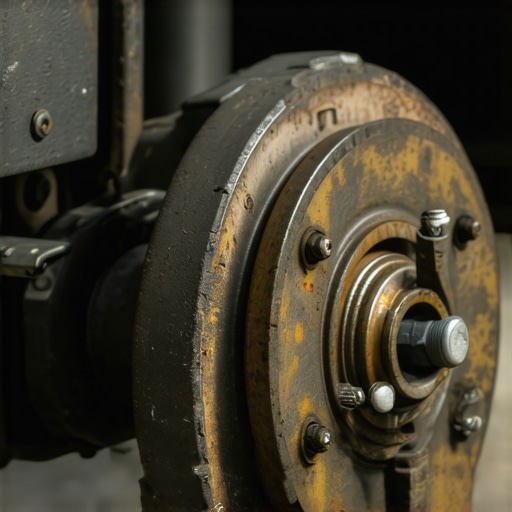
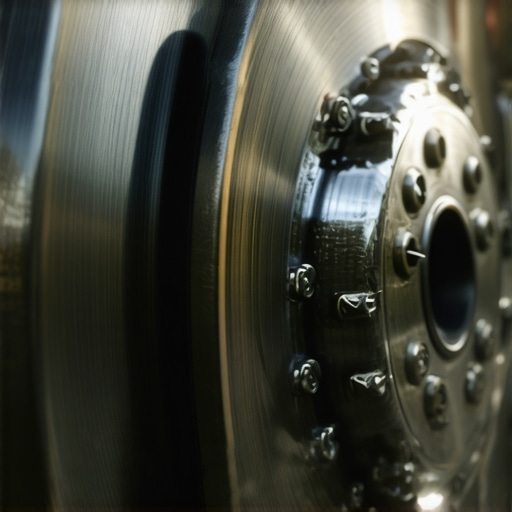
With the wheel off, grip a large socket or a thick piece of wood against the rotor’s surface at multiple points, then gently move left and right to check for any lateral wobble. While doing this, I realized that I could feel a slight amount of play, indicating potential warping. This simple manual test can often reveal issues that visual inspections miss. However, for precise measurement, a dial indicator is ideal, but this method sufficed for early detection.
Using a Sticker Test to Detect Uneven Rotors
Another effective trick I used involved placing a strip of adhesive tape or a white paint stripe across the rotor surface. When I pressed brake pedal gently, I watched for movement or distortion of the stripe. If you see the stripe moving unevenly or cracking, it’s a sign the rotor isn’t perfectly flat. This tactile approach is an easy way to monitor rotor health over time without breaking out expensive equipment.
Watch and Listen for Vibration Clues
While driving at moderate speeds, lightly apply brakes and pay close attention to any vibrations or noises. During my test drive, a slight pulsing coincided with the wobble I felt manually. These symptoms often point to warped rotors caused by overheating or uneven wear. Recognizing these signs early can prevent more costly repairs down the line.
Stay Informed About Your Vehicle’s Maintenance
Regularly inspecting your brake system is essential, especially if your vehicle is older or under heavy use. For comprehensive guidance, check out top oil change tips for safe driving in 2025 and other maintenance resources. Remember, a well-maintained brake system isn’t just about safety—it’s about peace of mind on every drive.
Many car enthusiasts and even seasoned drivers fall prey to common misconceptions about essential maintenance practices like oil changes, transmission care, and understanding ASE certifications. For instance, the widespread belief that changing oil every 3,000 miles is universally necessary is actually a myth; recent studies show that synthetic oils can safely extend this interval to 7,500 or even 10,000 miles under optimal conditions. Relying solely on age-based or mileage-based schedules without considering your driving habits can lead to unnecessary costs or overlooked issues. When it comes to transmission maintenance, many assume that flushing the fluid is always beneficial—this isn’t true for every vehicle. Some transmissions can be damaged by functions like power flushes, which underscores the importance of expert advice, such as reviewing professional insights on transmission care.
Are All ASE Certified Mechanics Created Equal? The Truth About Certification
Many car owners believe that ASE certification guarantees a mechanic’s competence, but that’s a misconception worth challenging. Certification indicates that a technician has passed certain written exams, but it doesn’t necessarily reflect hands-on skill or honesty. An ASE badge is a good starting point, but real-world experience and ongoing training are equally crucial. In fact, some experts argue that asking specific questions or requesting a detailed diagnostic approach provides better insight into a technician’s expertise than the badge alone. To ensure your vehicle gets the best care, check out what ASE certification truly entails.
Another often-overlooked nuance involves maintenance intervals. Many drivers overlook that routine replacement of filters—not just oil filters—can prevent costly component failures. For example, replacing transmission filters at recommended intervals can avoid debris buildup that causes shifting issues, as discussed in expert transmission tips. Failing to do so often leads to premature wear and sometimes catastrophic transmission failure.
Furthermore, a common mistake is assuming that all vehicle service shops are equally diligent. The truth is, a poorly trained technician, regardless of ASE certification, may overlook critical signs of wear or misdiagnose problems, leading to increased costs down the line. Do your research, ask detailed questions, and seek honest advice—these practices often separate a trustworthy mechanic from a careless one. Read about fleet maintenance pitfalls to understand how overlooked details compound over time.
In summary, understanding the true essence of car maintenance involves peeling back the layers of conventional wisdom and misconceptions. The next time you schedule your service, ask yourself: Are you making assumptions based on outdated info? Or are you tapping into verified expert insights? Remember, proactive and informed decisions not only extend your vehicle’s lifespan but also save you money and ensure safety. Have you ever fallen into this trap? Let me know in the comments.
Investing in Reliable Equipment for Consistent Maintenance
Keeping your vehicle running smoothly over time requires more than just basic knowledge—having the right tools makes all the difference. I personally swear by a high-quality digital torque wrench for tightening critical components like wheel lug nuts and transmission pan bolts. Unlike manual torque wrenches, digital versions provide precise, consistent readings, preventing over-tightening or under-tightening, which can cause long-term damage. I also recommend an infrared thermometer; it allows you to check engine and brake component temperatures after driving, helping spot overheating issues early without invasive inspections. These tools have paid for themselves by preventing costly repairs and ensuring safety during each maintenance session.
Using Diagnostic Software to Stay Ahead of Problems
While physical tools are essential, software solutions like OBD-II scanner apps are invaluable for identifying lurking issues. I prefer models that connect via Bluetooth to my smartphone, providing real-time data on engine parameters and fault codes. For instance, regularly scanning for stored codes—even when the check engine light isn’t on—can reveal pending problems with sensors, transmissions, or emissions systems. This proactive approach is especially important for those aiming to maintain a vehicle equipped with modern electronics. The trend in car maintenance clearly points toward integrating software diagnostics into routine checks, extending vehicle lifespan and reducing unscheduled breakdowns. Discover more about the importance of certified expertise in this area by reviewing what ASE certification really entails.
Tools That Make Long-Term Maintenance Easier
Beyond measuring devices, I leverage specialized lubricants and cleaning agents to keep components like brakes, transmissions, and sealed bearings in optimal condition. For example, using a dielectric grease on electrical connectors ensures reliable signals and prevents corrosion, which is crucial for electronic sensors that control transmission and safety systems. Additionally, a high-quality brake caliper piston grease helps maintain consistent brake response over years. These small investments slow down wear and tear, saving money and time in the long run.
How do I maintain consistent car performance over time?
Developing a systematic schedule based on manufacturer recommendations combined with real-world observations is key. Regular oil changes using synthetic oils, which can last up to 10,000 miles, help keep engines clean and reduce internal wear (learn more about why regular oil changes matter). Monitoring transmission fluid level and condition with a dedicated funnel and clean cloth prevents overheating and slipping. And most importantly, stay proactive—early detection of minor issues like subtle vibrations or slipping shifts allows for timely repairs that prevent costly breakdowns down the line. Future tech trends, such as AI-based diagnostics, are promising faster and more accurate maintenance planning, making reliable tools even more critical.
To truly elevate your maintenance game, try a detailed torque check on your wheel lug nuts using your digital torque wrench and ensure your battery terminals are corrosion-free with proper dielectric grease. These small steps can dramatically extend the life of your key components. Remember, consistent upkeep isn’t just about fixing things when they break; it’s about preventing issues before they become expensive repairs.
During my journey into DIY car care, I uncovered some eye-opening truths that changed how I approach vehicle maintenance. One of the most profound lessons was realizing that the small, seemingly insignificant pulsations during braking are often the first signs of bigger issues—something I previously overlooked by relying solely on visual checks.
Lessons that Transformed My Approach to Car Care
– I learned that genuine expertise isn’t just about ASE certification but practical, hands-on experience. Reading about what ASE certification truly entails helped me choose better technicians. – Regular, proactive inspections can save hundreds—if not thousands—by catching issues like warped rotors early, emphasizing the value of simple tests like placing a stripe on the rotor surface. – Tools like a digital torque wrench and infrared thermometer are game-changers, providing precision that prevents damage and ensures safety. – Software diagnostics, such as Bluetooth OBD-II scanners, offer insights that extend beyond the mechanic’s garage, giving you the power to stay ahead of potential failures.
Tools and Resources That Keep Me Confident
– My go-to resource is guides on routine maintenance, helping me stay informed about intervals and best practices. – Investing in quality tools like a torque wrench from trusted brands ensures consistent, safe tightening—crucial for all critical components, including brakes. – Diagnostic apps now allow me to monitor my car’s health from my phone, making regular health checks effortless. – Comprehensive EFI guides and forums have taught me that understanding your vehicle’s unique needs is key to avoiding unnecessary repairs.
Thinking Beyond the Garage
Embracing a maintenance mindset rooted in knowledge and proactive action has not only extended my vehicle’s lifespan but also boosted my confidence as a DIY enthusiast. It’s empowering to know that with a little education and the right tools, I can keep my car safe and reliable. What about you—have you had a lightbulb moment that changed your approach to car care? Share your stories below and let’s learn together.