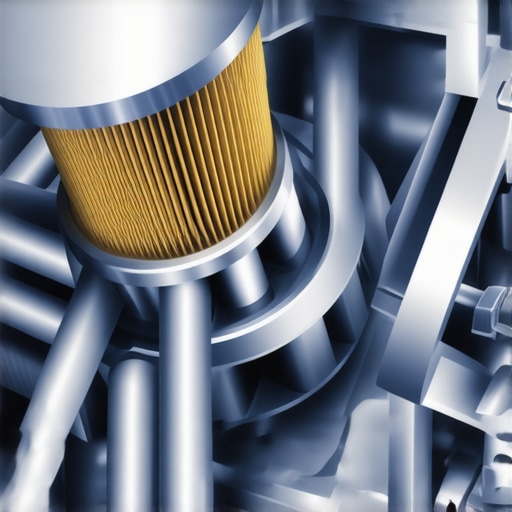
The Hidden Filter Inside Your Transmission You Didn’t Know Existed
I vividly remember the day my car started acting up during a routine drive. It was a subtle jolt, like an unexpected hiccup, but enough to make my stomach tighten. After all, I thought, I keep up with regular oil changes and follow the mechanic’s advice. Yet, something was off, and that lightbulb moment came when I discovered there’s a hidden filter inside your transmission most drivers never even know about. This tiny, often overlooked part can make a huge difference in how your vehicle shifts and how long it lasts.
The Hidden Filter: A Small Part with a Big Impact
Most car owners are familiar with changing their engine oil or replacing the air filter, but few realize that their transmission system also has critical filters that need attention. These filters trap contaminants and particles that, over time, can cause grime buildup, leading to sluggish shifts or even costly damage.
My mistake early on was thinking that transmission filters are a standard part of the transmission fluid itself. I assumed that as long as I was keeping the fluid fresh, the filter was doing its job. Turns out, that’s a dangerous misconception. Transmission filters can clog and become ineffective if not properly checked or replaced. Neglecting this small part can result in transmission troubles that are expensive and inconvenient.
By understanding the importance of this hidden filter, I managed to extend my vehicle’s lifespan and avoid unnecessary repairs. Regularly inspecting or replacing the transmission filter, especially during a transmission service, can give your car a smoother ride and save you money in the long run.
Interested in making your vehicle last longer? This simple but critical maintenance step is often skipped, yet it holds the key to maintaining optimal transmission health. Check out [top oil change tips for safe driving in 2025](https://autofixclinic.com/top-oil-change-tips-for-safe-driving-in-2025) to learn more about the benefits of regular fluid and filter maintenance.
Have you ever experienced unexpected shifting problems that vanished after a fluid top-up or a filter change? You’re not alone. Many drivers face similar issues because they overlook this tiny but vital component.
In the upcoming sections, I’ll share exactly how to identify if your transmission filter needs attention, what steps to take to replace or clean it, and how this knowledge can prevent costly repairs. Let’s dive into the practical side so you can keep your ride smooth and reliable.
Gather Your Tools and Prepare Your Vehicle
Before starting, ensure your car is parked on a flat surface, engine off, and cooled down. You’ll need a set of wrenches, a drain pan, new transmission filter and fluid, and safety gloves. Think of this process as surgical—precision and cleanliness are crucial to avoid contaminating the transmission system.
Drain the Transmission Fluid
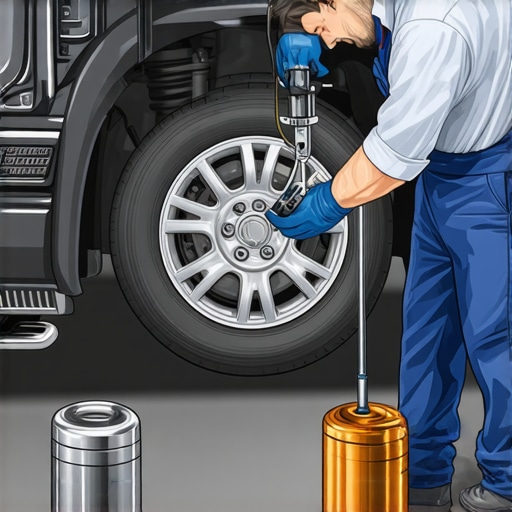
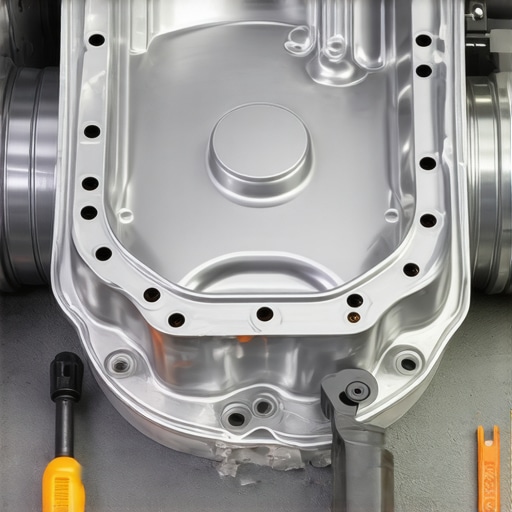
Locate the transmission pan underneath your vehicle. Loosen the drain plug carefully using a wrench, directing the old fluid into your drain pan. As I learned during my first replace, never work over an open drain without containment—messy leaks can cause slips and waste. Once drained, remove the entire transmission pan to access the filter.
Secure the Vehicle and Support Properly
Use wheel chocks to prevent movement. For better access, raise the vehicle with a jack and secure it on jack stands, ensuring stability—think of it as giving your car a sturdy chair before surgical access.
Remove the Old Transmission Filter
With the pan removed, locate the filter—usually a small, rectangular or round component attached inside the transmission. Carefully disconnect it, noting how it fits. During my first attempt, I struggled because I didn’t realize some filters snap in place. Taking a photo beforehand helps ensure correct reinstallation. Be prepared for residual transmission fluid and wear gloves to prevent skin contact with potentially contaminated oil.
Install the New Filter
Compare the new filter with the old one to confirm matching dimensions. Snap or screw it into place securely, ensuring it seats properly to prevent leaks. Proper installation is vital; a loose filter can cause debris to circulate and damage the transmission over time. During my trial run, I double-checked the fit to avoid embarrassing leaks afterward.
Reassemble and Fill with Fresh Transmission Fluid
Reattach the transmission pan with a new gasket if recommended, sealing it tightly to prevent future leaks. Use the manufacturer’s specified transmission fluid—consult your vehicle’s manual or trusted resources like this guide—and fill through the designated port until the fluid reaches the correct level. Overfilling or underfilling could compromise shifting performance, similar to a misaligned gear shift in a manual transmission.
Test and Confirm Successful Installation
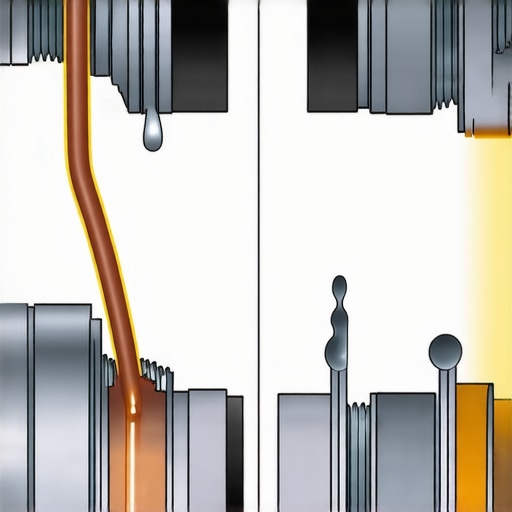
Start your engine and cycle through all gears, paying close attention to shifting smoothness. Check under the vehicle for leaks. During my own experience, I observed a slight leak that was fixed by tightening the pan bolts—a reminder that careful torque specifications matter. For further details on transmission health, visit this resource. Ensuring the fluid level is correct after warm-up is vital for optimal operation, much like fine-tuning a musical instrument for harmony.
Many car owners believe that sticking to the basics guarantees a long-lasting vehicle, but true expertise requires knowing the nuances that can make or break your car’s health. One prevalent misconception is that an oil change alone suffices for engine longevity. In reality, neglecting other critical factors, like the condition of your transmission or the quality of your maintenance services, can lead to costly repairs. For example, many assume that all transmission fluids are equal or that a simple drain is enough, but a transmission flush performed by an ASE-certified mechanic can prevent sludge buildup and stave off gear shuddering, which is often mistaken as normal behavior.
Are All Car Services Created Equal or Does ASE Certification Matter More Than You Think?
While many drivers opt for the cheapest or most convenient service, studies show that ASE-certified technicians have undergone rigorous testing proving their competence in complex diagnostics and repair—an advantage that can significantly extend your vehicle’s lifespan. Skipping this verification step or trusting unqualified mechanics traps you into ongoing issues because of improper repairs or overlooked nuances. Learn more about what ASE certification truly signifies for your car’s health by exploring this detailed article.
Another critical mistake is ignoring the importance of proper oil selection tailored to your vehicle’s specific needs. Synthetic oils offer better protection at higher temperatures, especially for high-mileage engines, but many drivers stick with generic options. This oversight can accelerate engine wear, especially under demanding conditions, as confirmed by a recent automotive study published by the National Institute for Automotive Service Excellence.
The trap of premature or unnecessary servicing also persists in modern car maintenance. Some believe that more frequent oil changes or transmission flushes always benefit the vehicle, but overdoing it can disturb the ecosystem of filters and seals, causing leaks and other issues. Knowing the optimal service intervals—that align with manufacturer guidelines and your driving habits—is crucial. For instance, these tips can help you tailor your maintenance schedule effectively.
Finally, outsider recommendations often overlook the importance of diagnosing issues with precision. A quick glance or a generic check might miss subtle signs of impending transmission or engine failure. Advanced diagnostics performed by ASE-certified professionals, combined with a nuanced understanding of vehicle behavior, help prevent small problems from snowballing into catastrophic failures.
Have you ever fallen into this trap? Let me know in the comments and share your experiences with advanced car care. Remember, the key to maintaining a reliable vehicle isn’t just about following the routine but understanding the subtle nuances that can save you money and frustration in the long run.Maintaining your vehicle for the long haul requires not only awareness but also the right tools and methodologies. I rely on a few specialized pieces of equipment that make routine maintenance more precise and less stressful. For example, I recommend investing in an **OBD-II scanner** like the **BlueDriver**. This device connects to your car’s port and provides real-time diagnostics, helping you identify issues before they escalate. I personally use it because it offers comprehensive code reports and live data logging, which are invaluable for proactive maintenance.
Another essential tool in my kit is a **high-quality torque wrench**—specifically, a **Tekton** model. Proper tightening of bolts, especially when reassembling components like the transmission pan or engine mounts, ensures seals are sealed and parts are not overstressed. I’ve found that using a torque wrench calibrated to the manufacturer’s specifications prevents leaks and mechanical failures down the road.
When it comes to software, I prefer **Engineered Software’s Snap-on Software** for routine calibration updates and technical service bulletins. Staying updated ensures my diagnostic readings are aligned with manufacturer specifications, which is critical during ASE-certified repairs. These software updates often include crucial information about newer vehicle models or recalls that aren’t immediately obvious.
Going forward, I see a trend toward integrated diagnostic systems that communicate directly with your smartphone via Bluetooth, making vehicle health monitoring more accessible and real-time. Manufacturers are working toward more user-friendly interfaces, so amateur car owners can perform detailed diagnostics without needing a degree in automotive technology.
So, how do I maintain the reliability of my car over time? The key lies in combining quality tools with methodical procedures. Regularly checking your vehicle’s diagnostics with an OBD-II scanner, for example, can alert you to mounting transmission issues, fuel system problems, or sensor failures early enough to prevent costly repairs. Think of it as having a healthcare monitor for your vehicle—consistent checkups prevent emergency breakdowns.
Using these tools isn’t just about fixing problems. It’s about building a maintenance routine that emphasizes prevention. For dedicated enthusiasts or professionals alike, integrating these pieces of equipment into your routine ensures your vehicle runs smoothly well beyond standard service intervals. One tip I highly recommend trying today is using the **BlueDriver** to run a quick diagnostic before your next oil change—it’s a simple step that can save you big money and hassle later. Remember, ongoing maintenance benefits from an informed approach—so equip yourself with the right gear and keep your vehicle in top shape for miles to come. To explore more about advanced diagnostics and maintenance tips, check out [this comprehensive guide](https://autofixclinic.com/why-regular-oil-changes-extend-your-cars-lifespan) and stay ahead of potential issues.
What I Wish I Knew About Regularly Checking Filters
One of my biggest lightbulb moments was realizing that transmission filters are just as vital as oil changes, yet they often fly under the radar. The tiny filter inside your transmission can clog unnoticed, leading to sluggish shifts and costly repairs. Catching this early changed my approach to vehicle care, reminding me that sometimes, the smallest part can have the biggest impact.
How My Misconceptions About Certification Saved My Car
I used to think all mechanics were the same until I learned about ASE certification. Working with ASE-certified technicians has shown me the value of expertise, especially when diagnosing complex issues. Their skills have long-term benefits for my vehicle’s health—saving money and preventing headaches. It’s a lesson in trusting the right experts for the job, not just the cheapest option.
Making Preventive Maintenance a Personal Ritual
Beyond tools and knowledge, I found that integrating routine checks—like using an OBD-II scanner—keeps minor issues from turning into emergencies. Regular diagnostics act as a health report for my car, allowing me to address small problems before they escalate. This proactive mindset transforms vehicle maintenance from a chore into an empowering habit, ensuring peace of mind on every trip.
Embracing the Power of Informed Choices
Discovering the nuances of transmission care, certification standards, and diagnostic tools has deepened my appreciation for preventive car maintenance. It’s not just about fixing problems but understanding how each component contributes to a smoother, safer ride. Embracing this knowledge means I can extend my vehicle’s lifespan, reduce costs, and enjoy every mile with confidence—knowing I’ve taken control of my car’s health.