The Common Mistake That Destroys CVT Transmissions
It was a boiling summer afternoon when I realized my CVT transmission was acting up. I had just finished a routine oil change, feeling confident I was taking care of my car, when suddenly, it started revving loudly and hesitating during acceleration. That lightbulb moment hit me hard—my mistake was not changing the transmission fluid as recommended. Since then, I’ve learned the hard way how a simple oversight can lead to costly repairs and even total transmission failure.
The Hidden Danger of Skipping Proper Transmission Maintenance
Many car owners overlook one crucial aspect of vehicle care: the transmission fluid. It’s easy to think that oil changes are enough, especially when your engine runs smoothly—until it’s not. Neglecting regular transmission fluid checks and replacements is a common mistake that can wreak havoc on your CVT (Continuously Variable Transmission). CVTs are intricate, precision systems that rely heavily on clean, well-lubricated components to function correctly. When the transmission fluid degrades or becomes contaminated, it loses its ability to lubricate effectively, leading to increased wear, overheating, and ultimately, costly repairs.
Are You Falling for the Hype of Cheap Oil Changes?
Early in my car care journey, I made the mistake of trusting cheap, quick-lube services that didn’t prioritize transmission maintenance. It seemed convenient at the time, but I realized too late that saving a few dollars could cost me thousands later on. Did you know that according to automotive experts, neglecting transmission fluid changes is among the most common causes of CVT failure? Regular maintenance, like following your vehicle’s specific service schedule, can extend the lifespan of your transmission significantly. For tips on maintaining your car’s health, I recommend checking out why regular oil changes matter.
Start with the Right Tools and Knowledge
Before diving into your transmission maintenance, ensure you have quality tools like a clean funnel, clean rags, and safety gloves. Familiarize yourself with your vehicle’s maintenance schedule through the owner’s manual or trusted resources like regular oil change tips. Remember, a well-instructed DIY approach can save money, but knowing your limits is crucial. I once tried to check my transmission fluid without proper gloves and spilled fluid on my driveway—cleaning it up was a mess, but the learning experience was invaluable.
Locate and Access the Transmission Fluid
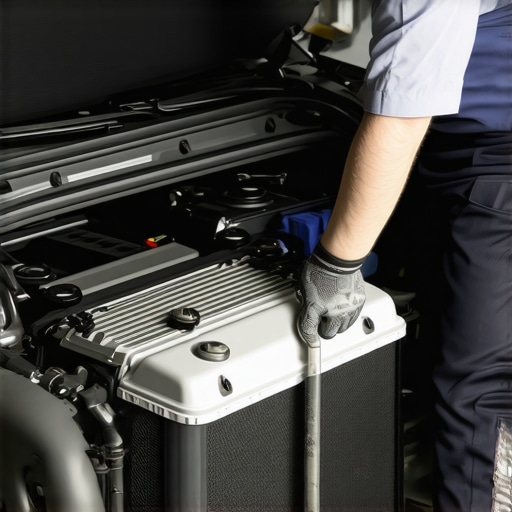
Identify the transmission fluid check point—usually a dipstick labeled ‘transmission’—or, in some models, a fill plug. Consult your car’s manual or step-by-step guide for non-dipstick models. Finding this area can be tricky; some vehicles require removing engine covers or protective shields. I remember fighting to reach the transmission pan bolts in my old vehicle, which taught me patience is key. Clear away debris and ensure the engine is warm but turned off for an accurate reading.
Check the Fluid Condition and Level
Pull the dipstick or check port cap and wipe it clean with a rag. Reinsert and pull out again to observe the fluid color and smell. Healthy transmission fluid is usually bright red and smells sweet or neutral. If it’s dark, murky, or smells burnt, immediate action is needed—consider scheduling a professional service. I once ignored a slight darkening in my fluid, and it led to rough shifting; fixing it early saved me hundreds. For non-dipstick models, use a transmission fluid tester or professional diagnostic methods.
Replace or Top Up the Fluid Correctly
If fluid levels are low, top up with the manufacturer-recommended transmission fluid type—often specified in your manual or on the cap. When adding fluid, do so gradually using a funnel to avoid spills, especially on tight engine bays. For a more thorough approach, a transmission fluid flush is beneficial but should only be performed by ASE-certified technicians—check what ASE certification guarantees. I once helped a friend by topping up his transmission fluid, ensuring not to overfill, as excess fluid can cause foaming and damage. Regular inspection ensures smooth gear shifts and prolongs transmission lifespan.
Schedule Regular Maintenance and Professional Inspections
While DIY steps can keep your transmission healthy, professional inspections are critical. Mechanics trained with ASE certification can detect hidden issues like leaks or internal wear—these are often present before noticeable symptoms. Book services based on your vehicle’s mileage and driving conditions; for instance, more aggressive driving or towing might require more frequent fluid changes. Remember, proactive maintenance like regular oil and fluid checks extends your car’s lifespan and saves money. I learned this when my transmission started slipping after neglecting routine checks, but a quick visit to a trusted technician reversed potential disaster.
Many car owners hold misconceptions about essential vehicle maintenance, often rooted in outdated beliefs or marketing hype. Let’s dig deeper into some of these nuanced truths that can make a real difference in your car’s longevity and performance.
Why Relying Solely on the ‘Change Oil Every 3,000 Miles’ Rule Is a Trap
The traditional recommendation of changing engine oil every 3,000 miles has been widely debunked by recent studies and automotive experts. Modern synthetic oils can last 5,000 to 10,000 miles or more, depending on driving conditions. Relying on fixed intervals ignores the importance of monitoring oil quality and using diagnostic tools. Over- or under-maintaining can lead to engine wear or unnecessary expenses. To truly optimize your oil change schedule, consider leveraging a trusted car maintenance plan tailored to your driving habits and vehicle specifics.
Unmasking the Truth About Transmission Fluid Changes and CVT Damage
Many believe that transmission fluid only needs changing when a problem arises, but neglected routine maintenance can silently cause damage, especially in CVTs. Unlike traditional automatics, CVTs rely heavily on precise fluid conditions to control belts and pulleys, making them susceptible to contamination and degradation. Delayed fluid changes can lead to overheating, slipping, or complete failure. Experts advise following manufacturer-specific service intervals—think of transmission fluid as lifeblood that requires regular attention. Learn more about transmission care from transmission troubleshooting guides.
Are ASE Certifications Always a Guarantee of Quality?
While ASE (Automotive Service Excellence) certification signifies a technician’s competence, it doesn’t automatically equate to superior service quality. Some shops may prioritize quick fixes over thorough diagnostics, regardless of certifications. Always verify that certified technicians adhere to best practices—such as meticulous diagnostics, use of OEM parts, and transparent communication. Read an in-depth explanation of ASE standards to understand what certification truly entails. Don’t hesitate to ask for detailed reports or second opinions for critical repairs.
Common Pitfalls That Undermine Your Car Service Experience
Many drivers fall into the trap of trusting the cheapest or most convenient service options without considering the long-term consequences. Skimping on quality parts, ignoring recommended service schedules, or neglecting professional inspections can lead to costly repairs down the line. A well-managed vehicle service plan involves regular diagnostics, honest assessments, and using certified professionals who prioritize your car’s health. Remember, investing in quality now can save you from expensive breakdowns later.
Have you ever fallen into this trap? Let me know in the comments and share your experiences. Staying informed about the nuances of car maintenance helps you make smarter decisions and extend your vehicle’s lifespan.
Essential Tools for Reliable Maintenance
When it comes to maintaining your vehicle, having the right tools can make all the difference. I personally swear by a high-quality automotive multimeter, which allows me to routinely check voltage levels, especially for sensors and the battery, ensuring early detection of potential issues. A good set of torque wrenches ensures bolts are tightened to manufacturer specifications, preventing future leaks or component failures. I also rely on a digital oil tester that assesses oil condition, saving me time and guesswork on oil quality, as outlined in this guide. To keep tabs on transmission health, I use a diagnostic scanner compatible with my vehicle’s make, which connects via OBD-II port, enabling me to interpret transmission codes directly. These tools empower me to perform routine inspections and catch minor problems before they escalate, saving money and extending my car’s lifespan.
Must-Have Software and Diagnostic Systems
Modern cars are equipped with complex electronic systems, so I utilize professional-grade diagnostic software like OBD-II scan tools linked to user-friendly apps. These programs allow me to monitor real-time data such as transmission temperature, sensor readings, and system errors, which are invaluable for ongoing maintenance. For example, regularly checking transmission temperature helps me determine if the fluid is degrading or if there’s an internal overheating issue, as discussed in transmission troubleshooting guides. Integrating these digital tools with my routine checkups enhances accuracy and provides actionable insights that DIY inspections alone might miss. In the future, I believe vehicle diagnostics will become even more advanced, integrating AI-driven alerts directly into your smartphone, enabling you to take immediate action early on.
Question: How do I maintain my vehicle’s health over time?
Consistent, proactive maintenance is key. Regularly scanning your vehicle for error codes, monitoring fluid conditions, and scheduling ASE-certified service prevent long-term damage. I recommend scheduling a transmission inspection at least every 30,000 miles, especially if your driving involves frequent stop-and-go traffic or towing, which can accelerate wear. For detailed guidance on routine checks and professional inspection intervals, visit this resource. Strong tools and diligent monitoring create a safety net that keeps your car performing optimally for years to come—so try incorporating a diagnostic scan into your next maintenance routine for peace of mind.
Three Surprising Truths I Wish I Knew About Oil Changes and Transmission Care
- Trusting quick, cheap oil changes without understanding the importance of quality and timing almost cost me dearly. Now I know that premium synthetic oils and sticking to manufacturer recommendations are key to a healthy engine and transmission.
- The real value isn’t just in replacing fluids but in understanding their life cycle. Regularly inspecting transmission fluid and replacing it before contamination sets in can prevent costly repairs and keep your CVT running smoothly.
- Professional ASE-certified technicians are worth their weight in gold. Their expertise in diagnosing subtle issues early—like transmission leaks or internal wear—saved me from complete system failure.
Tools and Resources That Changed the Way I Maintain My Car
- An OBD-II diagnostic scanner integrated with user-friendly apps allows me to monitor transmission temperature and system errors, helping me catch problems early. I trust tools like the bi-directional scan tool from trusted brands for accurate insights.
- Keeping a good quality transmission fluid tester has been a game-changer. It helps me determine when my fluid truly needs replacing, preventing unnecessary drains or dangerous overfilling. For oil and transmission fluid info, I rely on this comprehensive guide.
- Regular consultations with ASE-certified professionals ensure that my vehicle’s critical components are inspected with expert precision. Building a relationship with trusted mechanics makes all the difference in proactive maintenance.
Take Your Car Care to the Next Level Today
Understanding the nuances of oil and transmission maintenance empowers you to extend your vehicle’s lifespan and avoid unnecessary expenses. Don’t wait until symptoms appear—schedule regular inspections, use quality fluids, and seek professional advice when needed. Your car is a valuable partner, and with informed care, it will reward you with reliable performance for years to come. So, why not start implementing these insights today and share your experience below? Have you ever struggled with transmission fluid issues? Let’s discuss in the comments!