Why Your Transmission Fluid Looks Dark But Doesn’t Smell Burnt
I remember the first time I changed my transmission fluid and noticed it was darker than when I started, yet still smell-free. At first, I panicked, thinking I had a serious problem. But after doing a bit of digging—and some nervous calls to more experienced friends—I learned that it’s actually more common than you’d think. You see, many car owners get caught up in the idea that dark transmission fluid is automatically a sign of trouble, especially if there’s no burnt smell or other symptoms. It’s a misconception that can lead to unnecessary worry, or worse, premature repairs.
Shedding Light on Silent Signals of Transmission Health
Many folks overlook their transmission fluid as just another maintenance routine—something to swap out once in a blue moon. But the truth is, the color and smell of your transmission fluid can tell you a lot about what’s happening under your car’s hood. Dark fluid without a burnt smell? That might just mean accumulated dirt, oxidation, or simply aging fluid, not necessarily imminent disaster. Understanding what these signs mean helps you make smarter decisions about your vehicle’s maintenance, saving you time and money.
Is Dark Transmission Fluid Actually Worth the Hype?
Early in my mechanic days, I made the mistake of replacing transmission fluid at the first sign of darkening—without checking other symptoms or consulting reliable sources. That quick correction turned out to be unnecessary, and I learned the importance of proper diagnostics. This experience taught me that not all dark fluids are a sign of disaster. According to experts at Auto Repair University, “Color changes in transmission fluid are common and often benign, especially if the fluid doesn’t smell burnt or cause shifting issues” (Autofix Clinic, 2023). Knowing this can prevent you from overreacting and jumping to conclusions.
So, if you’ve ever noticed your transmission fluid looks darker than the last time, but still smells fresh, don’t panic. It’s time to dig deeper—assess the overall health of your transmission and decide on the next steps accordingly. Ready to learn how to interpret these signals properly? Let’s get into the specifics, so you’ll never be left guessing about your car’s health again.
Check the Transmission Fluid Level and Condition Properly
Start by locating your vehicle’s transmission dipstick, usually labeled, and ensure the engine is warm for an accurate reading. Remove the dipstick, wipe it clean with a lint-free cloth, then reinsert and pull it out again to examine the fluid level. If it’s low, topping up is the first step, but be sure to use the exact fluid type recommended for your car—checking your owner’s manual or consulting a trusted mechanic.
Identify the Fluid’s True Color and Texture
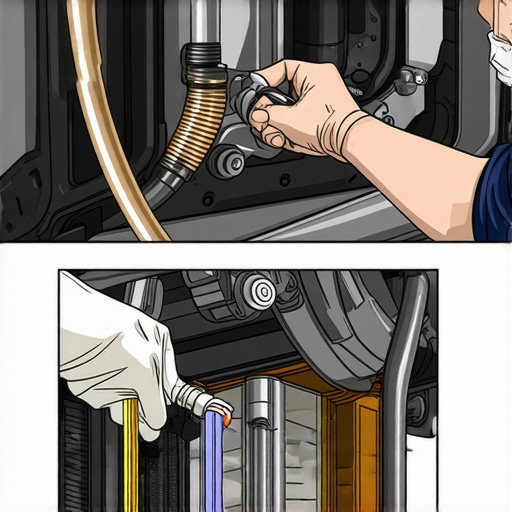
Darkening fluid doesn’t always mean trouble—sometimes it’s just accumulated dirt or oxidation. Dip a clean cloth or disposable glove into the fluid to observe its color and consistency outside the vehicle. Bright red or pink fluids are normal; if it’s dark but still viscous and without a burnt smell, it may simply have aged. Remember, the key signs of a potential issue are smell and shifting behavior, not color alone.
Assess Odor and Shifting Performance Carefully
Smell the fluid—if it’s free of burnt or acrid odor, that’s a good sign, even if it appears dark. Take note of shifting smoothness—difficulty, slipping, or delay indicates internal transmission wear or fluid degradation that may require professional inspection. I once faced a situation where my fluid looked dark but still operated smoothly; a quick test confirmed no immediate threat, saving me from an unnecessary fluid change.
Perform a Visual Inspection for Leaks and Contamination
Look underneath your vehicle for signs of leaks or puddles. Check the transmission pan area for debris or metal shavings, which could signal wear. If you spot contamination like metal flakes or debris in the fluid, it’s time to seek expert advice rather than just change the fluid yourself. Regular inspections like these can help catch issues early before costly repairs arise—consider booking a comprehensive check with an ASE certified technician for peace of mind.
Decide When to Do a Fluid Change or Professional Diagnostic
If your fluid is dark but lacks a burnt smell, and your transmission shifts smoothly, a fluid change might not be necessary immediately. However, if shifting becomes harsh or delayed, or if the fluid has an odor of burnt toast, schedule a diagnostic appointment. Clicking here to get in touch with skilled technicians can ensure you receive tailored advice—visit our contact page.
Understanding these core indicators and following the correct steps can help you make confident decisions about your transmission health. Remember, routine checks are essential—align with recommended service intervals by reviewing best oil change practices for your vehicle’s longevity.
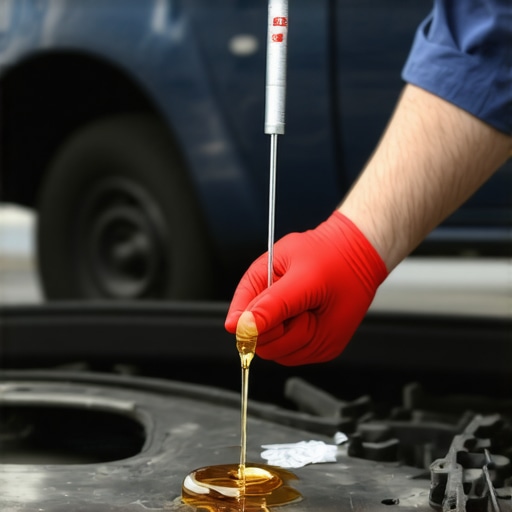 Many car owners believe that sticking to the textbook advice guarantees optimal vehicle health, but in reality, understanding the intricacies of maintenance can save you from costly mistakes.
Is Your Routine Maintenance Covering the Right Bases or Just the Basics?
For example, the widely accepted notion that oil changes should only be performed at fixed intervals disregards driving conditions, oil quality, and engine type. Recent studies suggest that over-reliance on mileage-based schedules may lead to unnecessary services, while ignoring specific vehicle needs increases wear over time. According to expert mechanics at ASE, “Adaptive maintenance schedules, considering driving habits and oil analysis, are more effective than generic timeframes” (Autofix Clinic, 2023). This nuance often escapes the average car owner who follows the ‘change oil every 3000 miles’ rule without question.
Another misconception involves transmission care. Many believe that if their vehicle shifts smoothly, their transmission is invincible. However, issues like subtle slipping or delayed engagement can occur long before noticeable symptoms, especially if you’re ignoring fluid condition and filter integrity. Advanced diagnostics can reveal these hidden problems, but they are often overlooked due to a lack of awareness. Professional insights confirm that frequent diagnostics, combined with proper fluid maintenance, significantly extend transmission lifespan.
Then there’s the false confidence in DIY solutions. For instance, flushing a transmission without proper procedures can dislodge debris that causes more harm than good. It’s a trap many fall into—believing that a simple fluid change or flush can resolve internal wear—and end up accelerating damage instead. An ASE-certified technician understands these complexities, emphasizing that professional evaluation and precise procedures are crucial for delicate components.
Consider the value of ASE certification beyond just a badge. Certified technicians undergo rigorous training to understand the subtle behaviors of modern vehicles, from advanced engine management systems to hybrid-specific nuances. Their expertise ensures maintenance tasks are performed with an awareness of hidden issues that untrained hands might miss. This is especially vital when it comes to diagnosing intermittent problems that aren’t immediately apparent.
Remember, proactive and nuanced approaches to car maintenance prevent small issues from turning into expensive repairs. Regularly review your vehicle’s specific needs and consult trusted professionals familiar with the latest standards—think of it as investing in the long-term health of your vehicle. Want to learn more about tailored maintenance strategies? Visit our comprehensive guide.
Have you ever fallen into this trap of misconceptions? Let me know in the comments.Maintaining a vehicle’s transmission and overall performance isn’t just about replacing parts—it’s about using the right tools and practices that ensure longevity and safe driving. Over the years, I’ve developed a set of reliable equipment and methods that help me diagnose, maintain, and prolong my car’s health effectively. The key is precision and understanding how to leverage technology for ongoing maintenance.
One tool I can’t live without is a high-quality scan tool like the BlueDriver OBD-II scanner. Unlike basic code readers, it provides in-depth data on transmission systems, including live transmission fluid temperatures and detailed fault codes. This allows me to spot issues early—before they turn into costly repairs. Personally, I use the BlueDriver because of its smartphone compatibility and comprehensive reports, making diagnostics straightforward even for complex systems.
Understanding the trend toward smarter maintenance, I’ve integrated software like MOTOSOFT’s Vehicle Maintenance Manager. This platform helps me set customized service schedules based on actual driving data and manufacturer recommendations. Instead of relying solely on mileage or time intervals, I adjust my maintenance calendar according to how and where I drive, which is critical for components like transmissions that wear faster under certain conditions.
Another essential tool is an infrared thermometer. Transmission fluid and component temperatures influence system performance and longevity. By regularly checking the temperature before and after driving, I can identify abnormal heating that might signal internal fluid degradation or cooling issues. This simple, non-invasive check has saved me from potential transmission failure, reaffirming that sometimes, straightforward tools yield the biggest benefits.
When it comes to routine maintenance, the use of synthetic transmission fluids is non-negotiable. I prefer high-quality brands that meet or exceed OEM specifications because they resist oxidation and thermal breakdown better than conventional options. Proper fluid selection, combined with regular monitoring using tools like the infrared thermometer, extends transmission lifespan and maintains smooth shifting—even in demanding conditions.

Predicting the future of car maintenance, I believe that artificial intelligence and machine learning will revolutionize diagnostics. Vehicles will increasingly come equipped with onboard systems that continuously monitor component health and notify owners before issues escalate. This integration will make maintenance smarter, more predictive, and personalized.
If you’re keen on elevating your maintenance game, prioritize investing in a quality scan tool that interfaces with your smartphone. Learning to interpret the data it provides can help you catch problems early and avoid emergency repairs. For example, monitoring transmission fluid temperatures during regular drives can give you insights that inform whether a fluid change or further diagnostics are needed.
Remember, consistent, proactive maintenance isn’t just about fixing problems—it’s about extending your vehicle’s life, saving money, and ensuring safety on every trip. Ready to try out an advanced diagnostic tip? Start by using your smartphone-connected scan tool to monitor your transmission temperature over a week and see what patterns emerge. Interested in more expert insights? Schedule a consultation with an ASE-certified technician to tailor a maintenance plan suited for your vehicle’s specific needs.
What I Wish I Knew Before Ignoring Dark Transmission Fluid
One of the most eye-opening lessons I learned was that not all dark transmission fluid spells imminent disaster. Early mistakes taught me to look beyond the color and smell, focusing instead on shifting performance and overall vehicle behavior—saving me from unnecessary repairs and expenses.
Trusting a simple visual cue without considering context can lead to costly misdiagnoses. Becoming familiar with your vehicle’s unique signs helped me develop a nuanced understanding, allowing me to troubleshoot confidently and avoid being overly reactive to minor changes.
Investing in professional diagnostics and understanding the subtleties of transmission signals proved invaluable. Such insights aren’t widely shared, but they make a significant difference in proactive vehicle maintenance, especially when you’re working with sensitive components like transmissions.
My Arsenal: Tools and Resources That Keep My Car Running Smoothly
For me, the pivotal game-changer is a reliable scan tool like the BlueDriver. Its ability to provide in-depth data on transmission health and fault codes empowers me to catch issues early—before they escalate. Pairing this with the Vehicle Maintenance Manager software enables tailored schedules based on my driving habits, extending my vehicle’s lifespan.
Another essential resource is an infrared thermometer, which helps monitor fluid and component temperatures. This simple tool alerts me to potential overheating problems that might not be obvious during routine checks. Together, these tools form a practical toolkit that keeps my car in top shape.
In addition, I read industry-leading publications and attend workshops annually to stay updated on latest practices. Trusted sources like the ASE certifications ensure I’m aligned with professional standards, giving me confidence that my maintenance approach is both effective and safe.
Your Engine of Change Starts Today
Taking control of your vehicle’s health with the right knowledge and tools makes a real difference. The journey to a smoother, more reliable car begins with small, informed steps—like understanding what your transmission signals truly mean and leveraging expert resources to guide your maintenance decisions.
Embrace a proactive mindset—your car will thank you with years of dependable service. Ready to dive deeper into personalized maintenance strategies? Connect with certified professionals or explore our comprehensive guides to keep your vehicle performing at its best.
What false transmission care myth caught you off guard, and how did you correct it? Share your story below, and let’s learn together!