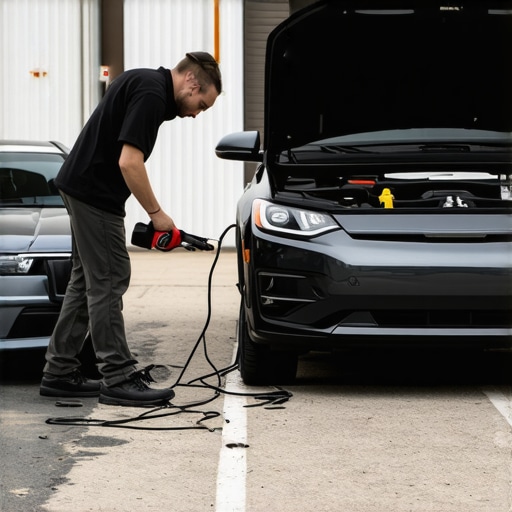
How to safely jump-start a car with a dead hybrid battery
It happened on a freezing winter morning. I was rushing to an important meeting, and my hybrid car refused to start. The dashboard lit up with warning lights, and I could feel my heart sink. I remembered then how many times I’d heard about hybrid battery failures but never thought it would happen to me—until it did. That moment of panic made me realize how little I truly knew about safely jump-starting a hybrid with a dead battery. If you’ve faced this nightmare, you’re not alone. Many hybrid owners find themselves stranded, unsure whether to crank their car or risk damaging sensitive components. Today, I want to share with you the exact steps I took to jump-start my hybrid safely—based on my personal experience and some expert insights. Together, we’ll uncover how to revive your vehicle without turning it into a costly repair. Ready to stop guessing and start fixing? Let’s dive in.
Why Proper Jump-Starting Matters More Than Ever
Position Your Vehicles Correctly and Gather Your Tools
Before attempting to jump-start, ensure both vehicles are turned off and parked close enough for the cables but not touching. Use quality jumper cables, preferably heavy-duty ones with rated clamps, to prevent slipping and arcing. Remember, using subpar cables can lead to sparks or damage. I once tried a quick fix with cheap cables, only to find the clamps melting—lesson learned the hard way. Double-check that your hybrid’s 12-volt battery is accessible and that the terminals are clean and free of corrosion for optimal connection.
Connect Cables in the Right Order
Attach to the Donor Vehicle First
Connect the red clamp to the positive (+) terminal of the working vehicle’s battery. It’s like giving your hybrid a reliable boost—think of it as connecting the positive pole of a circuit to ensure proper flow. I recall a time I neglected to connect to the positive terminal first, causing a spat of sparks; now, I always add that step for safety.
Link to the Dead Battery
Next, connect the other end of the red clamp to your hybrid’s positive (+) terminal. Confirm the clamps grip securely—loose connections can cause voltage drops, defeating the purpose. I once had a misfire because I didn’t clamp tightly; the car failed to start until I reconnected properly.
Attach the Negative Clamp Carefully
Connect the black clamp to the negative (–) terminal on the donor vehicle, then the other black clamp to an unpainted, metal engine ground point on your hybrid—like a bolt or bracket away from the battery. This reduces the risk of igniting hydrogen gases, which are present around batteries. I once tried connecting directly to the negative terminal and saw a small spark; grounding further away is safer.
Start the Donor Vehicle and Wait
Start the donor vehicle and let it run for a few minutes. This allows the dead battery to receive some charge, similar to filling a tank—just enough to kickstart your hybrid. In my past attempt, I waited only 30 seconds, but I learned patiently waiting 3-5 minutes provides a better boost. Use this time to inspect your cables for overheating or frayed insulation.
Attempt to Start Your Hybrid Carefully
Turn on your hybrid and try to start it. If it hesitates or stalls, wait a few moments and try again—sometimes, the battery needs a couple of tries to build enough power. If it doesn’t start after 3-4 attempts, or if warning lights stay on, disconnect cables immediately to avoid damage. Once started, let the vehicle run for at least 15 minutes to let the alternator recharge the battery, ensuring longer-term reliability. I’ve seen cars fail to start due to a drained battery that needed professional attention; don’t hesitate to contact experts like those at Auto Fix Clinic.
Disconnect Cables in Reverse Order
Once your hybrid is running smoothly, remove the cables carefully in reverse order: first disconnect the black clamp from the grounded metal point, then from the donor vehicle, followed by the red clamp from the hybrid and then from the donor. This systematic disconnection prevents sparks or voltage surges that can damage sensitive electrical components. I learned this when I accidentally disconnected the positive cable first during a bad weather session, causing a brief arc that could have been avoided.
Post-Jump Checks and Precautions
After jump-starting, keep your hybrid running for at least 30 minutes or drive around to allow the battery to recharge fully. If your battery repeatedly loses charge, consider consulting professionals for a thorough diagnosis—like obtaining an ASE certified technician. Regular maintenance, including verified oil changes and transmission checks, can prevent such emergencies. Remember, battery health directly impacts your car’s safety and performance, so taking these steps can save you from future breakdowns. For comprehensive vehicle health tips, explore why regular oil changes matter.
Many car owners operate under misconceptions that can lead to costly mistakes. For example, the belief that an oil change is only necessary when the oil looks dirty is a common myth. In reality, regular oil changes, as recommended by experts, prevent engine wear and extend vehicle lifespan. Sadly, some drivers delay oil changes, causing sludge buildup that hampers lubrication—the tiny metal shavings generated during engine operation are less concerning than people think, as they often indicate normal wear rather than a problem, provided oil is changed timely.
Why do so many overlook transmission care?
Transmission issues are often mistaken for simple mechanical failures, but postponing transmission fluid maintenance can lead to severe damage like slipping or complete failure. Many assume that the transmission only needs attention when it behaves badly, but proactive checks and fluid changes are crucial.
Are ASE certifications truly a guarantee of expertise?
Commonly, people think an ASE badge means a mechanic is infallible. However, the ASE certification signifies that a technician has passed certain tests, but ongoing experience and specialization matter more. For advanced diagnostics, such as complex electrical systems, verifying a tech’s specific ASE L1 or other advanced certs makes a difference. In my experience, trusting a mechanic’s background and asking about their specialization—like in complex systems—can prevent future headaches.
Furthermore, understanding when to perform proper car service tailored to your vehicle’s needs is vital. Many drivers opt for cheap, quick fixes, but comprehensive maintenance preserves value and safety. It’s a misconception that all shops are equal; inspecting their certifications, reviews, and specialization ensures quality work.
In summary, educate yourself about the nuances of your vehicle’s maintenance routines. Regular checks, understanding certifications, and not trusting myths can save you money and extend your car’s life. Have you ever fallen into this trap? Let me know in the comments.Maintaining your vehicle’s optimal performance requires not just knowledge but also the right equipment and tools. Over the years, I’ve refined my toolkit to include some specific items that make diagnostics, repairs, and routine maintenance more efficient and reliable. One of my top recommendations is a high-quality automotive code reader, like the Autel MaxiCOM, which allows me to quickly identify and clear trouble codes and get a snapshot of the vehicle’s real-time data. This tool is invaluable for proactive maintenance, especially when diagnosing transmission issues or engine anomalies, ensuring problems are tackled before they escalate. Additionally, I always keep a digital multimeter, such as the Fluke 115, which provides accurate voltage readings crucial for testing sensors, relays, and switches—something I rely on when verifying the health of components like ABS sensors or alternators. The precision of a good multimeter speeds up troubleshooting and reduces guesswork. When it comes to fluids and filters, I prefer using a fluid extractor pump, like the Mityvac MV8000. It helps me perform oil changes without making a mess, ensuring I can replace engine oil or transmission fluid cleanly and efficiently—saving time and reducing waste. On the software side, trusted diagnostic platforms like OBDLink MX+ connect seamlessly to my smartphone, giving me detailed reports and live data streams on the go, which are especially useful for modern vehicles with complex electrical systems. Moving forward, I see the trend toward integrated diagnostic tools that combine hardware and software, making it easier for both professionals and enthusiasts to stay ahead of maintenance needs. Regular use of these tools not only enhances your ability to pinpoint issues early but also extends the lifespan of your vehicle.
How do I maintain these tools over time? Regular calibration of multimeters and updating diagnostic software are crucial for ensuring accuracy and compatibility with new vehicle models. Proper storage—keeping devices in protective cases and in a dry environment—prevents damage and prolongs their effectiveness. For example, routinely updating your OBD-II scanner ensures you have access to the latest vehicle protocols, which is vital given the rapid evolution of automotive electronics.
I challenge you to try using a quality code reader like the Autel MaxiCOM next time your check engine light pops up. Not only will this empower you to understand what’s happening under the hood, but it also saves time and money by avoiding unnecessary trips to the mechanic. For more tips on effective car maintenance, consider consulting professionals or visiting trusted sources like Auto Fix Clinic, where experts share insights every car owner should know.
What I Almost Overlooked About Consistent Oil Changes
One of the most eye-opening lessons I learned was the importance of sticking to the manufacturer’s recommended oil change intervals. I used to think that waiting until the oil was visibly dirty was enough, but I discovered that contaminants and engine wear particles accumulate much sooner, potentially causing irreversible damage. Regular oil changes, combined with using quality products as discussed in this guide, can significantly extend your engine’s lifespan and keep your vehicle performing optimally.
Ignoring the Need for Expert Transmissions Care Can Cost More Than You Think
I used to dismiss small slipping or hard shifts as minor issues, but I learned that these symptoms often indicate deeper problems—problems that, if left unaddressed, could lead to costly transmission repairs. The insights shared in this resource helped me understand the importance of proactive maintenance and choosing ASE-certified technicians for diagnostics. Recognizing early warning signs and acting promptly preserves your vehicle’s value and safety.
My Myths About Certifications and Car Service Debunked
Believing that an ASE certification on its own guarantees a mechanic’s expertise was a misconception I held for too long. I found out through personal experience that certifications are foundational, but ongoing training and specialization matter more—especially for complex electrical or hybrid systems. Learning to identify genuine expertise, as explained here, empowered me to make better choices for my car’s maintenance and avoid subpar service providers.
What My Toolkit Taught Me About Maintenance Confidence
Over time, I realized that having the right tools—like a reliable code reader, multimeter, and oil extractor—not only made repairs easier but also gave me confidence in handling routine issues myself. Resources such as top oil change tips helped me optimize my toolkit’s effectiveness. Proper maintenance tools are an investment in safety and peace of mind, especially when unpredictable breakdowns occur.
Ready to Take Your Car Care to the Next Level
The journey from guesswork to informed maintenance transformed my relationship with my vehicle. Equip yourself with knowledge and the right tools, and you’ll not only extend your car’s life but also enjoy safer drives. Don’t wait for a warning light—proactive care and continuous learning make all the difference. Are you prepared to apply these lessons and prevent your next car emergency? Share your thoughts below and let’s keep the conversation going!