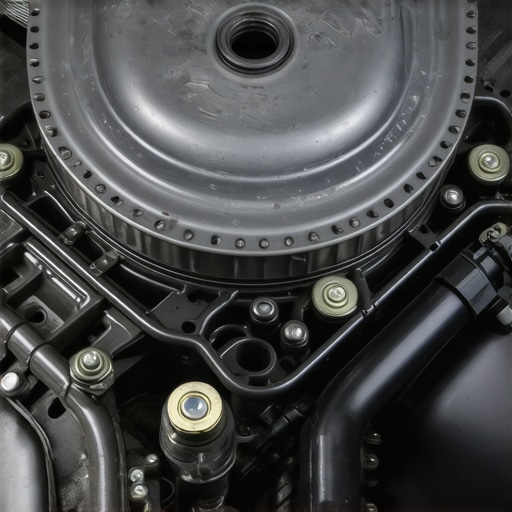
The sound of a failing torque converter explained
It was late afternoon, and I was just pulling out of my driveway when I heard it—the unmistakable, unsettling growl from my car’s transmission. My heart sank. That grinding noise wasn’t just your average engine hum; it echoed a deeper problem lurking within my vehicle, a clear sign that my torque converter might be on its last legs. For weeks, I’d been noticing odd jerks and slipping gears, but I brushed them off as minor glitches. Now, hearing that metallic grind, I knew they were warning signs I couldn’t ignore.
Why That Rumbling Noise Shouldn’t Be Ignored
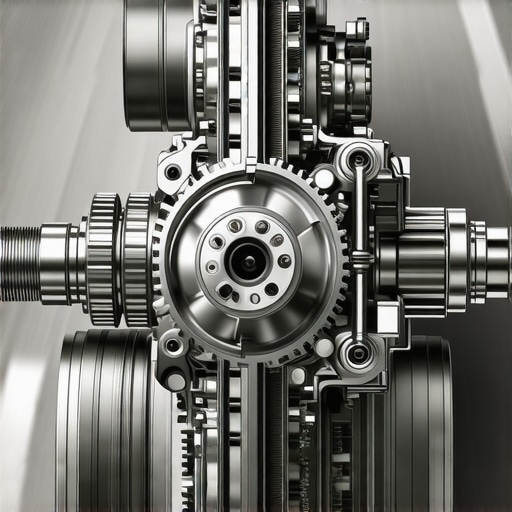
The torque converter is a critical part of your automatic transmission system, acting much like a traffic conductor that manages power flow from the engine to the wheels. When it begins to fail, you’ll often notice a variety of symptoms—strange noises, shuddering during acceleration, or even stalling at intersections. If left unchecked, these issues can escalate, leading to costly repairs or even a complete transmission overhaul. In my experience, catching the early signs of torque converter trouble can save a ton of money and frustration.
But how do you know if that odd noise is just a fleeting issue or a sign of something serious? That’s what I want to help you understand. I’ll walk you through the typical sounds and sensations associated with a failing torque converter and share some tips based on my journey. Trust me, recognizing these signs early can be a real lifesaver.
Is Your Car’s Noise Actually Worth the Hype?
I’ll admit, back then, I made a rookie mistake. I ignored the early warning signs—thinking it was just normal wear and tear. That’s a common error many car owners make, and it can cost quite a bit down the line. According to experts, neglecting transmission issues can lead to complete transmission failure, which is far more expensive than preventive maintenance. Regularly inspecting and maintaining your vehicle’s transmission system, including your torque converter, is vital. Want to learn more? Check out [this insightful article](https://autofixclinic.com/transmission-troubles-expert-insights-for-smooth-shifting) for expert tips.
If you’ve experienced strange noises or shuddering, you’re not alone. The good news is, with proper diagnosis and timely repair, you can extend the life of your transmission and keep your vehicle running smoothly. In the next section, I’ll share practical steps to identify and address a failing torque converter, so stay tuned.
Perform a Visual Inspection of the Transmission Fluid
Start by checking the transmission fluid level and condition. Locate the transmission dipstick, pull it out, and wipe it clean. Reinsert and pull out again to assess the fluid’s color and smell. Dark, burnt-smelling fluid indicates overheating or slipping, often related to torque converter issues. Make sure the vehicle is on a level surface when checking. If the fluid is low, topping it off with the correct type can sometimes temporarily improve performance, but don’t ignore the root cause—see regular oil changes that include transmission fluid service for longevity.
Use a Road Test to Spot Symptoms
Take your vehicle for a controlled test drive. Accelerate steadily from a stop and listen for any unusual noises—a rattling or slipping sound could be a sign. Feel for shuddering or delayed engagement, which suggests torque converter slippage. If the engine RPMs soar without corresponding acceleration, that’s a red flag. Remember, consistent slipping or shuddering often results from worn-out lock-up clutches or internal damage. Experts recommend consulting a transmission specialist if these symptoms persist. For insights on ensuring precise diagnostics, visit transmission troubleshooting tips.
Engage the Vehicle in Neutral at Idle
With the vehicle stationary, shift into neutral and observe the engine’s behavior. A well-functioning torque converter ensures smooth idling without excessive vibrations or fluctuations. If the engine stalls or exhibits irregular idling, it might be struggling with torque transfer issues. Pay attention to any odd noises during this process. Recording a short video can help a mechanic diagnose problems later. When facing persistent issues, consider scheduling a professional inspection or a fluid exchange. Using quality oil and calibrating the transmission can improve shifting, as explained in regular maintenance practices.
Perform a Stall Test to Detect Slippage
Carefully accelerate the vehicle in Drive and hold it at a steady RPM—around 2000 RPM is typical—while observing if the vehicle maintains speed or begins to slip and rev higher. Slipping during this test indicates the torque converter isn’t transmitting power efficiently. This can be confirmed by looking for jerking or delayed acceleration. Conducting this test on a flat, safe surface minimizes risks. If you notice these symptoms, you might need a fluid flush or a torque converter replacement. For more detailed insights into proper transmission care, see how to choose the right car service.
Inspect Internal Components with a Scan Tool
Using an OBD-II scanner, check for transmission-related trouble codes. Codes like P0711 or P0730 can suggest transmission slipping or incorrect gear ratios, common in failing torque converters. Some advanced technicians also perform data logging to analyze transmission behavior under load. If diagnostic trouble codes point toward the torque converter or clutch pack issues, prioritize repairs. Regular checkups and fluid changes extend the life of these components, as detailed at oil change importance.
Decide When to Seek Professional Help
While basic checks can point to torque converter problems, definitive diagnosis requires a qualified transmission specialist. They might perform a hydraulic pressure test or even remove the transmission pan to inspect the clutch packages. Early intervention can prevent more extensive damage, saving costs and time. Remember, any signs of slipping, shuddering, or abnormal noises should prompt a professional assessment. Maintaining your vehicle’s transmission fluid and adhering to recommended service intervals is essential. For guidance on selecting certified experts, visit ASE-certified technicians.Many car owners assume that an ASE certification guarantees flawless service and that all transmission or oil change providers are equally qualified. However, relying solely on the ASE badge can lead to misconceptions. While ASE-certified technicians have proven their knowledge through rigorous testing, it doesn’t automatically mean every shop employs the most up-to-date or meticulous practices. In fact, some shops prioritize high-volume, quick turnaround jobs, which may compromise quality. It’s essential to look beyond certifications—ask about specific experience with your vehicle type or problem. For example, not all ASE certifications are equal; there are specialized categories like L1 for advanced diagnostics that truly indicate deeper expertise. According to a study by the National Institute for Automotive Service Excellence, shops with certified technicians tend to deliver better customer satisfaction, but the difference is magnified when technicians possess specialized areas of expertise. Additionally, misconceptions about the importance of routine maintenance—like oil changes—often lead owners to delay critical services. Many believe that waiting longer until oils appear dark won’t harm the engine, but in reality, neglected oil changes can accelerate engine wear and reduce fuel efficiency. Recognize the subtle nuances—using the right type of oil, understanding when a transmission service involves a simple drain versus a complete flush, and knowing the signs of internal component wear—can extend vehicle lifespan significantly. One trap to avoid is the false sense of security from name-brand service chains that advertise cheap, quick oil changes. They might not perform thorough inspections or use quality fluids, which can be detrimental over time. For advanced car care, consider seeking out shops with ASE-certified techs who specialize in your vehicle’s needs, such as transmission or engine diagnostics. To ensure you’re not just trusting labels but also getting quality work, consult your vehicle’s service manual and stay proactive with regular inspections. Remember, consistent maintenance—regular oil changes, timely transmission fluid exchanges, and expert diagnostics—are the foundation of a long-lasting vehicle. Want to learn more about selecting the right service providers? Visit this guide to choosing the right car service. Have you ever fallen into this trap? Let me know in the comments.Maintaining your vehicle’s transmission, especially components like the torque converter, requires more than just routine checks; it demands the right tools and disciplined routines. One of my favorite diagnosticians is the **OBD-II scanner**, specifically models like the **Autel MaxiScan MS300**, which I personally use for quick code retrieval. It provides clear, real-time data that helps me identify trouble codes such as P0711 or P0730 without the need for expensive diagnostics. Regularly monitoring transmission system health with trusted tools enables early detection of issues before they escalate, saving time and money. Additionally, a **digital mechanic’s stethoscope** like the **Gardner Bender ST-440** helps me pinpoint abnormal noises, such as slipping or grinding, by listening to specific components during operation. Such precision tools are vital for capturing subtle signs that often precede catastrophic failures.
In terms of routines, I emphasize the importance of **scheduled fluid exchanges** using high-quality, ASE-certified fluids. The trend is moving toward synthetic transmission fluids, like **Valvoline MaxLife Multi-Vehicle ATF**, which offer superior oxidation resistance and longevity. I recommend following the protocol outlined in this article to ensure your transmission fluid stays at optimal levels and conditions.
For long-term results, I advocate for **using a transmission fluid pressure tester**—a device that measures hydraulic pressure within the system. It helps verify internal component health without disassembling the transmission, a method recommended by industry experts and discussed in detail in technical manuals, like the **ATF Pressure Test Procedure** by the **Automotive Service Association**.
When it comes to scaling, modern diagnostic computer systems such as **Autodata** or **Mitchell 1** offer comprehensive service information and troubleshooting workflows that integrate seamlessly with scan tools. These platforms allow me to keep up-to-date with the latest repair techniques and manufacturer-specific procedures, which is crucial as vehicle technology advances.
How do I maintain transmission health over time? Besides regular fluid checks and leveraging advanced diagnostic tools, I also schedule **professional inspections** at certified shops specializing in transmission diagnostics. This proactive approach ensures that small issues are caught early, preventing costly repairs later. Keep in mind, consistency is key; fueling your routine with reliable tools and expert guidance extends the lifespan of your transmission and enhances vehicle safety.
Prediction wise, I see a growing integration of **AI-powered diagnostic systems** that can analyze transmission data continuously, alerting owners before symptoms become severe. Embracing these innovations now can prepare you for a future where proactive maintenance becomes standard practice.
Ready to upgrade your maintenance game? Try using a hydraulic pressure tester to assess your transmission’s internal health—it’s a game-changer for early problem detection and confidence in repairs. For detailed guidance or to find a certified professional, visit our contact page and take the first step toward smarter vehicle care.Throughout my journey in car maintenance, I’ve uncovered some surprising lessons that transformed how I approach vehicle care. First, I realized that the badge of ASE certification, while valuable, isn’t a guarantee of flawless service unless the technician specializes in the specific needs of my vehicle—especially when it comes to delicate components like the torque converter. Second, I learned that routine oil changes aren’t just about changing old oil; they’re an essential step in preventing silent killers like sludge buildup that can compromise transmission health. Lastly, I discovered that investing in quality tools and understanding diagnostic codes can save hundreds, even thousands, by catching issues early. These insights taught me it’s not enough to follow generic advice; tailored knowledge and proactive maintenance truly make a difference.