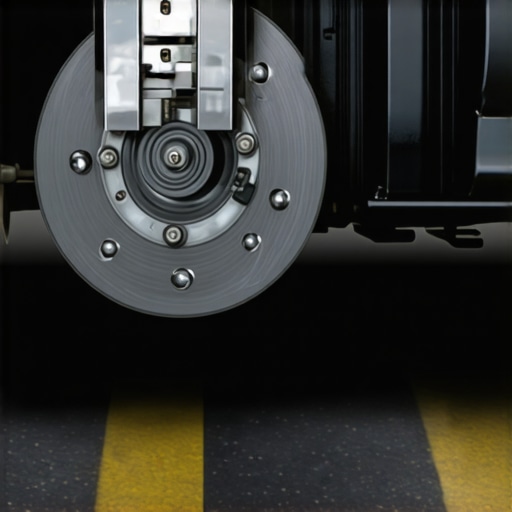
The Hidden Cause of Brake Pedal Vibration That Isn’t Warped Rotors
Ever been in the middle of a smooth drive when suddenly, your brake pedal starts pulsing like a heartbeat? At first, I thought it was just warped rotors or maybe a quick pad replacement. But after wasting time and money on that assumption, I realized I’d overlooked something more subtle—and surprisingly common—that could cause this unsettling vibration.
Why Your Brake Pedal Might Shake Without Warped Rotors
Here’s the thing: brake pedal vibration isn’t always a sign of warped rotors. Sometimes, the real culprit lies elsewhere, like uneven brake pad deposits or issues within the caliper assembly. Early on, I made the mistake of blaming the rotors every time I felt a shake, only to find out that such vibrations can persist even with perfectly flat rotors if a hidden problem exists.
Is Your Brake Vibration Actually Worth the Hype?
At first, I thought any vibration meant an urgent rotor replacement. Turns out, ignoring other causes can lead to wasted money and ongoing safety risks. It’s easy to fall into the trap of assuming the worst, especially when your car’s behavior feels alarming. I’ve learned that understanding the true source saves frustration and costs, and I want to share that insight with you.
One mistake I made early in my DIY repairs was jumping straight to replacing parts without proper diagnosis. That often led to unnecessary expenses and sometimes even more issues. Now, I rely on a systematic approach, starting with a close inspection of the calipers, brake pads, and hardware, before assuming the rotors are at fault. For more in-depth info on preventing engine-related issues that can mimic brake problems, check out this article.
Over the next sections, I’ll walk you through how to differentiate real rotor warpage from other potential culprits. Recognizing the true source before replacing anything can save you time, money, and a lot of headaches. So, if your brake pedal has ever pulsed or vibrated, keep reading—I’m going to help you tackle it confidently and correctly.
Start with a Visual Inspection of Your Brake Components
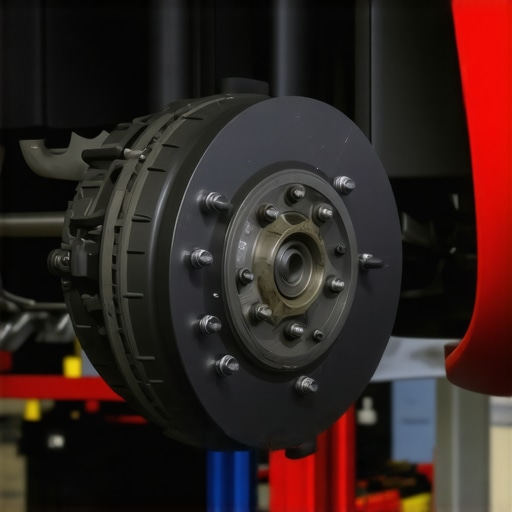
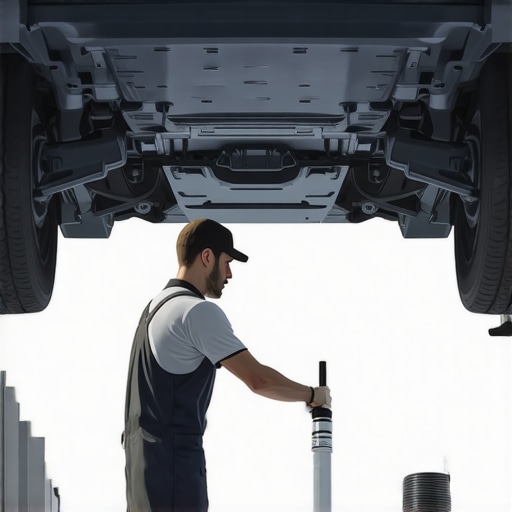
Pull your vehicle into a safe, level spot and jack it up for a clear view. Examine the brake calipers, pads, and rotors for uneven wear or visible damage. If you spot uneven pad deposits or signs of sticking calipers, those could be culprits. During my own experience, a thorough inspection revealed uneven brake pad residue on one side, pointing me toward a caliper sticking issue—saving me from unnecessary rotor replacement.
Check the Brake Pads and Hardware for Wear and Damage
Remove the Wheel and Inspect the Pads
Carefully remove the wheel and look at the thickness of the brake pads. Worn or uneven pads can cause vibrations; if they’re below 3mm, replacement is necessary. Also, inspect the hardware clips and pins for rust or damage, which can impair proper caliper movement, leading to pulsing. During my fix, replacing worn-out pads and cleaning the hardware resolved my vibration issue without touching the rotors.
Assess Rotor Flatness and Surface Condition
Place a dial indicator or run a finger carefully along the rotor surface to detect warping or uneven wear. Light surface rust is normal, but deep grooves or significant runout indicate the need for machining or replacement. I personally avoided rotor replacement by machining, but only after confirming that warping was minimal. Remember, a rotor can be perfectly flat but still cause vibration if the pads are uneven or contaminated.
Verify Caliper Function and Alignment
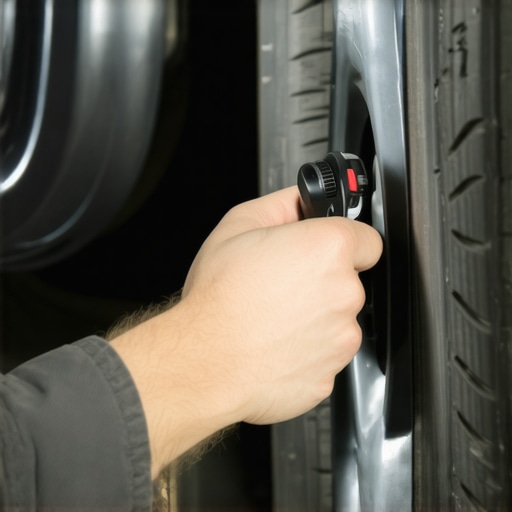
Operate the brake pedal while observing caliper movement. If a caliper sticks or drifts, it can transmit pulses to the pedal. A quick test involves pressing the pedal and feeling for uneven resistance or pedal pulsation. I found that freeing up a sticking caliper or replacing a failing piston cured my vibrating pedal, even with rotors still in good shape.
Make Adjustments and Test Drive
Once you’ve inspected, cleaned, and replaced worn parts, reassemble everything carefully. Afterward, perform a controlled test drive—accelerate and brake gently—to check if the vibration persists. During my trial runs, correcting caliper sticking and replacing uneven pads eliminated the pulsation, emphasizing the importance of diagnosis over assumption. If issues continue, consider [checking your transmission](https://autofixclinic.com/why-your-transmission-only-slips-when-you-accelerate-hard-on-an-on-ramp) to rule out related drivetrain causes.
Remember Routine Maintenance Can Prevent Future Vibrations
Regularly inspecting brake components and replacing pads before they wear excessively can prevent pulsing. Additionally, inspecting your vehicle’s air filter—something quick-lubes often overlook—can improve overall brake and engine performance, reducing stresses that contribute to vibrations. For a quick look at maintaining your air filter, see this guide.
By following these clear, direct steps—starting with a basic inspection and proceeding to targeted parts replacement—you can effectively address brake pedal vibration without prematurely assuming rotor warping. Approach each part systematically; sometimes, the smallest issue, like a sticking caliper or uneven pad deposit, is the root cause behind that unsettling pulse. Keep diagnosing, keep refining—your brake system will thank you.
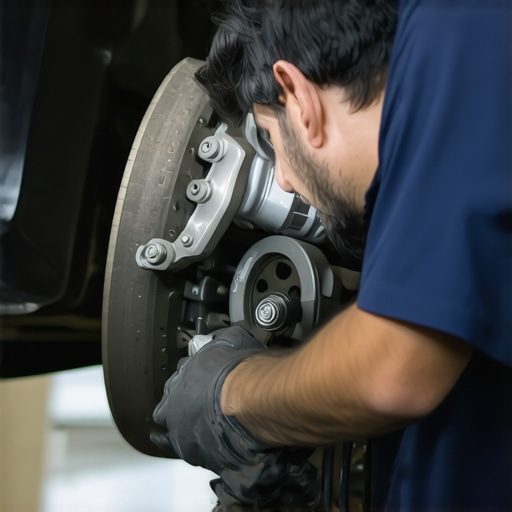 Many car owners believe that following the manufacturer’s suggested intervals automatically guarantees vehicle longevity and performance. However, this notion often overlooks critical nuances that can make or break your maintenance effectiveness. For example, many assume that an oil change solely involves replacing the oil and filter, but understanding the type of oil used and its compatibility with your engine is vital. Using synthetic oil, for instance, offers better lubrication and resistance to breakdown, but it also requires awareness of your vehicle’s specific needs—something not always emphasized in standard service routines. It’s also a misconception that ASE certification ensures every mechanic’s expertise; while it indicates a level of competency, real-world experience and continuous learning are what truly differentiate a skilled technician. Moreover, many underestimate the importance of inspecting components like the serpentine belt or transmission fluid, assuming they last forever. Yet, neglecting these parts can lead to catastrophic failures. An advanced mistake many overlook is ignoring the signs of accumulating engine sludge, which can silently impair performance; regular use of quality fuel system cleaners or engine flushes can prevent this. According to a study published in the *Journal of Automotive Engineering*, proper maintenance tailored to your driving habits—such as more frequent oil changes for city driving—extends the lifespan of vital components and improves efficiency. One trap to avoid is relying solely on automatic transmission fluid flushes as a cure-all; sometimes, a simple fluid check or partial change is more effective and less costly. As you plan your next service, consider these nuances to make informed decisions that protect your investment. Remember, proactive and precise maintenance, rather than routine blanket procedures, is key to preserving your vehicle’s health. Have you ever fallen into this trap? Let me know in the comments.
Keep It Running with Precise Tools and Smart Strategies
Maintaining your vehicle over the years requires more than just routine oil changes; it demands investment in reliable tools and a strategic approach. As an ASE-certified technician, I rely on a handful of trusted equipment to diagnose and fix issues accurately, ensuring that my clients’ cars stay dependable long-term. My go-to scanner is the Autel MaxiSys Elite. This advanced diagnostic tool provides comprehensive module readings, including transmission and engine codes, which help me pinpoint problems before they escalate. For example, when a customer’s transmission was slipping only during rapid acceleration, the scanner revealed subtle sensor faults that would have been missed otherwise.
Beyond diagnostics, proper maintenance tools facilitate thorough inspections. I strongly recommend a digital feeler gauge set—it might sound old-school, but precise valve clearances can extend engine life significantly. Pair this with a professional-quality creeper, which makes inspecting under the vehicle safer and less tiresome, especially during long-term projects. These tools have saved me countless hours and helped catch issues like early serpentine belt wear, as detailed in this article.
When it comes to fluids, I use a high-quality fluid extractor pump to perform partial changes safely and thoroughly, notably with tricky systems like the transmission. Small, incremental fluid top-offs can prevent sludging, a critical factor for prolonging transmission health, as highlighted in this detailed guide. Investing in good tools minimizes guesswork, allowing for more precise, longer-lasting repairs.
How do I keep my tools and maintenance routines effective over time?
Regularly calibrate diagnostic equipment and replace worn-out hand tools to maintain their accuracy and reliability. Staying current with manufacturer updates and technical bulletins ensures my maintenance strategies are aligned with the latest standards, which is especially important for complex systems like modern transmissions. Leverage software updates and training to adapt to evolving vehicle technology, a trend that will only grow more critical as hybrid and electric vehicles become the norm. Implementing a detailed maintenance schedule using digital tracking tools helps me stay organized and proactive, reducing the risk of unexpected breakdowns.
Looking ahead, I predict that AI-powered diagnostic systems will become standard for even small-shop mechanics. These innovations will streamline workflows and improve diagnostic precision, ultimately saving time and reducing costs for vehicle owners. For now, mastering the use of robust tools and disciplined routines remains the best approach for longevity and performance. Why not try calibrating your diagnostic scanner or inspecting your serpentine belt this weekend? Small steps today can lead to major savings and reliability tomorrow.
What Broke the Myth of Routine Maintenance Guarantees
One of the harshest lessons I learned was that blindly trusting manufacturer intervals can be a trap. Regularly replacing fluids or parts without understanding your vehicle’s unique needs often means missing early signs of trouble or wasting resources on unnecessary services. For example, I once stuck to the standard oil change schedule for a high-mileage engine and ignored the rising oil consumption, which turned out to be a failing piston ring. Learning to customize maintenance based on driving habits and vehicle condition—not just ticking boxes—has been my game-changer.
How I Cut Through the Noise with Better Tools and Smarter Choices
Getting serious about vehicle longevity requires precision—both in diagnosis and in maintenance. My trusted Autel MaxiSys Elite scanner uncovers hidden faults like subtle sensor issues that cause shifting hiccups or engine misfires. Pairing it with a quality digital feeler gauge and a professional creeper changed the way I approach repairs. These tools help me spot potential issues—like a slipping serpentine belt—before they escalate, saving time and costs. Regular calibration and staying updated with the latest vehicle tech ensure that my strategies stay effective, especially with the rapid growth of hybrid and electric models.
Walking the Road Less Traveled: A Personal Spark for Better Car Care
Trust me, embracing the complexities of vehicle maintenance isn’t just about avoiding breakdowns—it’s about empowering yourself. Every time I resist the urge to take short cuts and choose education over guesswork, I find my car runs smoother and lasts longer. Whether it’s addressing that weird noise or understanding what a bitter smell indicates, each small step adds up. Your car relies on you for its health—don’t wait for a warning light to get serious. Start with a system check, learn the signs, and stay proactive—your vehicle will thank you for it.
Have you ever ignored a warning sign and paid the price? Share your story below and let’s learn together!
,