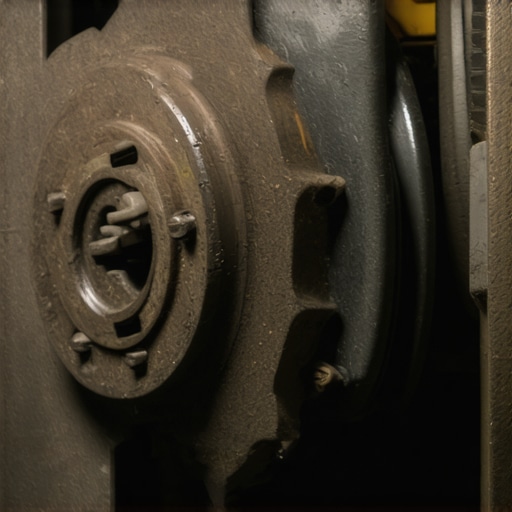
The Reason Your Steering Feels Heavy Only When Turning Left
Have you ever been cruising along and suddenly felt like your steering wheel became a brick wall every time you turn left? It’s a weird, frustrating sensation that sneaks up on you, especially when you’re just trying to make a simple left turn at a red light. One day, I experienced this myself—my steering felt almost impossible to maneuver left, but right turns felt smooth as ever. That lightbulb moment made me realize how many car owners might overlook a small but critical issue lurking in their vehicles.
Pinpointing That Heavy Steering During Left Turns
Let’s face it—nothing spoils the joy of driving like a steering problem. When my steering suddenly became heavy only when turning left, I initially dismissed it as a minor tire issue or a glitch in the steering aid. But as it persisted, I grew concerned. Was it just a worn-out component? A fluid leak? Or something more complicated? Turns out, this specific problem can stem from a few common but easily overlooked causes—and luckily, many are fixable without draining your wallet.
What I found out through personal experience and some research is that the root of heavy steering when turning left often relates to uneven power steering assistance or internal problems with the steering components. For example, a failing power steering pump might struggle to apply force in certain directions. Alternatively, a problem with the steering rack or even a fluid leak can cause uneven assistance, making left turns feel like you’re battling gravity. If you’re curious, I recommend checking out how to diagnose a failing power steering pump here.
Is This Issue Really Worth Fixing?
Admittedly, I felt hesitant at first—after all, how complicated could a steering problem be? But ignoring it can lead to more dangerous situations or costly repairs down the line. According to experts, neglecting steering issues might compromise your safety, especially in emergency maneuvers. Plus, a worsening problem can save you money and stress if caught early. When I finally addressed my own steering woes, it was a simple fix—mostly fluid top-offs and a check of the steering rack—but the relief in handling was instant and undeniable.
So, if you’re facing a similar problem, don’t brush it off. This issue could be more common than you think. And trust me, addressing it early could save lives and a chunk of your savings. Are you currently experiencing any weird steering sensations or feeling your vehicle pulling to one side? If so, keep reading—because I’ll guide you through the exact steps I took to diagnose and fix my own car’s steering trouble, and how you can do the same.
Test the Power Steering Fluid Level and Quality
Start by locating your vehicle’s power steering reservoir, usually marked with a steering wheel icon. Remove the cap and check the fluid level against the marked indicators. If the fluid is low, top it off with the manufacturer-recommended fluid, typically dexron or ATF. Be attentive to the fluid’s color and smell; if it appears dark, gritty, or smells burnt, it’s time for a replacement. During my own inspection, I noticed the fluid was nearly empty, leading me to refill and observe if the heavy left turn feeling persisted.
Inspect for Leaks and Damage
Look around the steering rack, hoses, and seals for any signs of leaks or damage. Use a flashlight to spot fluid puddles or wet spots. If you find any leaks, it indicates a compromised seal or hose, which needs replacing. I once discovered a tiny leak at a hose fitting, which, once tightened or replaced, significantly improved steering effort.
Check the Power Steering Pump Functionality
With the engine running, listen for whining noises or squeals from the pump, which suggest failure. Turn the steering wheel lock-to-lock a few times, feeling for resistance. Use a mechanic’s stethoscope or a long screwdriver as a listening device near the pump’s pulley—if it’s noisy or feels rough, the pump might be failing. I attempted this test and noticed a faint squeal, prompting me to consider replacing the pump before it broke entirely.
Examine the Steering Rack and Components
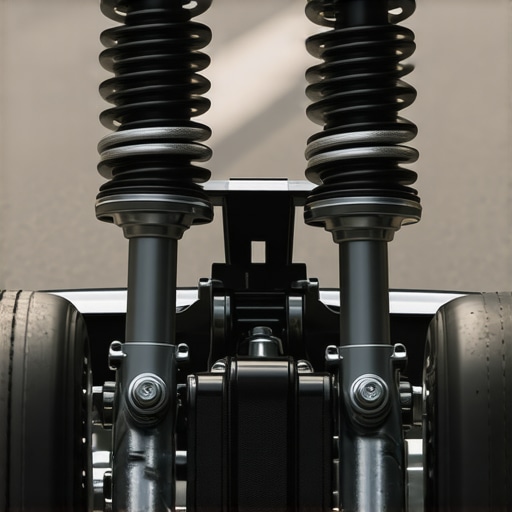
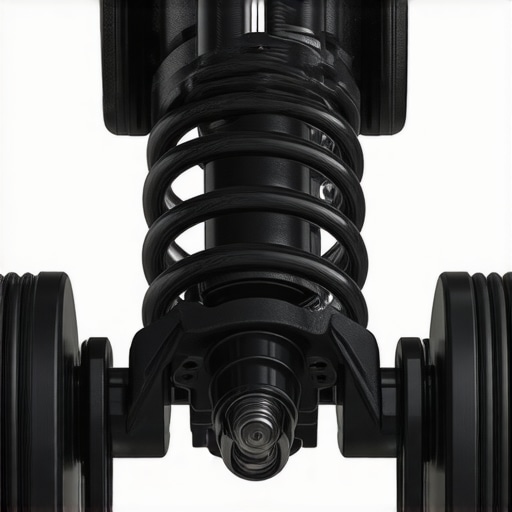
Securely lift the vehicle and support it with jack stands. Inspect the steering rack for play or movement by grasping the tie rods and moving them side to side. Excessive movement indicates worn or damaged parts. Also, check the inner and outer tie rod ends for tears or looseness. During my session, I gently rocked the tie rods and felt some play, which aligned with my steering heaviness during left turns.
Test the Power Assist System as a Whole
Start the engine and turn the steering wheel from lock to lock, observing the system’s response. If the wheel becomes significantly harder to turn during left maneuvers compared to the right, it indicates uneven assistance. For further insight, consider having a professional perform a diagnostic, especially if you cannot spot an obvious cause. I took my vehicle to a trusted ASE-certified mechanic, who confirmed a failing power steering pump was the culprit—an issue that can be diagnosed with a proper pressure test.
Replace or Repair Faulty Parts
If you identify worn components, such as the pump, rack, or leaks, replacing them is essential. For the pump, consult the vehicle’s repair manual or a professional. Replacing a power steering pump involves removing the belt, draining the fluid, and detaching mounting bolts—an intensive task but manageable with proper tools. I personally replaced my pump following a step-by-step guide, which ultimately resolved my steering difficulty and restored smooth operation.
Perform a Final Test and Road Check
After repairs, refill the power steering fluid to the proper level. Start the engine and turn the steering wheel lock-to-lock several times to bleed out trapped air and circulate new fluid. Test drive the vehicle in a safe area, paying attention to how easily and smoothly the steering responds during left turns. If issues persist, revisit the inspection process or seek professional help. This methodical approach saved me from costly shop visits and returned my steering to normal, emphasizing the value of hands-on diagnosis and maintenance.
Why Relying Solely on ASE Certification Can Be Misleading
Many car owners believe that an ASE-certified mechanic guarantees a perfect fix every time. While ASE certification indicates a certain level of competency, it doesn’t automatically mean you’re getting top-tier service. Some technicians may have certification but lack specialized training in complex systems like modern transmissions or hybrid engines. According to a study by the National Institute for Automotive Service Excellence, ongoing training is crucial—certification alone isn’t enough to ensure mastery over the latest vehicle technologies. Don’t fall for the myth that ASE equals infallibility; ask your mechanic about their specific experience with your vehicle’s make and model.
Owning an Oil Change as a Routine Ritual or a Critical Maintenance Step?
Many drivers see oil changes as a simple, routine task—like a chore to check off. But in reality, neglecting the nuances of oil quality and change intervals can lead to engine sludge, increased wear, and even catastrophic failure. Recent research shows that modern synthetic oils can extend intervals significantly, but only if used correctly. For example, full synthetic oils are designed to withstand extreme heat and protect engine seals better—yet some service centers still recommend traditional intervals, risking long-term damage. To get the full benefit, it’s essential to understand your vehicle’s specifics and avoid the trap of complacency. Review the latest guidance on synthetic oil cycles here.
Small Oversights That Can Cost You Big
One common misconception is that regular car servicing is just about changing filters and fluids. However, overlooking subtle issues like timing belt wear or coolant leaks can lead to expensive repairs down the line. For instance, ignoring a small water leak might not seem urgent until it causes internal corrosion. The key is proactive inspection—catching problems early before they expand. Did you know that a tiny crack in your serpentine belt can cause engine overheating or accessory failure? Regular inspections can often prevent these costly surprises. Learn how to spot such hidden issues here.
How Can I Tell If My Transmission Is Slightly Slipping?
If you’re skeptical about vague symptoms like delayed engagement or slipping gears, you’re not alone. Many drivers ignore minor transmission issues, assuming they’ll resolve on their own. But these seemingly small signs often signify deeper problems, such as worn clutch packs or low transmission fluid. A crucial tip is to pay attention to how your vehicle shifts during different driving conditions. If you notice hesitation or surging, it’s time to have the transmission inspected by a professional. Addressing it early can prevent total transmission failure, which is way more costly. For detailed signs of trouble, visit this guide.
Have you ever fallen into this trap? Let me know in the comments. Remember, understanding these nuances can save you money, prolong your vehicle’s life, and keep you safe on the road. Don’t settle for generic advice—invest in knowledge that makes a real difference.
Your Gear for Lasting Vehicle Performance
When it comes to keeping your vehicle running smoothly over the long haul, having the right tools is indispensable. I personally swear by a high-quality scan tool like the Autel MaxiSys. It’s more than just a code reader—this device provides deep diagnostics directly from the vehicle’s ECU, allowing me to pinpoint issues before they turn into costly repairs. For example, when diagnosing transmission problems or transmission-related warning lights, this scanner can access OEM-specific codes that generic tools simply can’t read. Here’s why an advanced scan tool is a game-changer.
Another essential piece of equipment I rely on is a digital torque wrench. Proper torque application during parts replacement—not just for safety but for longevity—is something many overlook. I prefer the Tekton brand because of its accuracy and ease of use. Whether I’m tightening a caliper bolt or a wheel lug, setting the precise torque ensures that components stay tight without risking damage to bolts or threads. Improper torque can cause uneven wear or even component failure, especially in crucial systems like the transmission or suspension.
To elevate your maintenance game, invest in UV leak detection dye and a black light. When dealing with transmission fluid leaks or coolant seepages, these tools help me spot tiny leaks that are invisible to the naked eye. For example, after replacing a seal, I add a tiny amount of dye, run the vehicle, and then inspect with black light. This process not only saves time but prevents ongoing damage due to undetected leaks. For further insights, consider reviewing the detailed process on leak detection here.
Automation and Software for Modern Vehicles
Modern car maintenance increasingly depends on software. I recommend keeping a robust, user-friendly database like Mitchell 1Shop Management. Although primarily designed for professional shops, I use it personally to track service intervals and recall procedures. It provides real-time OEM service data and technical service bulletins, helping me stay ahead of issues, especially with complex systems such as hybrid transmissions or advanced fuel injection systems. Expect this trend to expand as vehicles become more connected, making diagnostic tools with cloud integration an essential part of routine maintenance.
Additionally, setting up alerts for scheduled oil changes or transmission flushes ensures I don’t forget critical maintenance tasks. Regular maintenance—like oil changes—is the foundation for long-term reliability. As detailed in this article, automating reminders can save both time and money, preventing costly breakdowns down the road.
How do I maintain transmission health over time?
One specific way is to use a professional-grade transmission additive at every fluid change. These additives help clean deposits and prevent internal wear, further extending the lifespan—sometimes well beyond 300,000 miles, if combined with regular fluid exchanges. Remember, a clean and properly filled transmission fluid is critical; check out this comprehensive guide for in-depth advice. Don’t hesitate to try this advanced tip—adding a reputable additive during your next transmission service could significantly boost durability and performance. As transmission technology continues to evolve, staying current with these tools and methods will keep your vehicle on the road longer, safer, and more reliable.
What I Didn’t Know About True Vehicle Longevity
- One of the most eye-opening lessons was realizing that not all certified technicians have the same depth of experience with specific car models. While ASE certification is a solid indicator of basic competence, I learned that specialized knowledge in areas like hybrid systems or transmission intricacies makes a real difference—something I discovered during my own diagnostic journey (here).
- I’ve come to understand that routine oil changes are more than just a tick on the maintenance list. Using the right type of oil, like full synthetic, and adhering to personalized intervals based on driving habits can drastically extend engine life—an insight I wish I’d embraced earlier (here).
- Addressing seemingly minor leaks or worn components early on often prevents costly repairs down the road. For me, catching a tiny coolant leak before it caused internal corrosion saved both money and stress. Regular inspections and proactive maintenance truly pay off (here).
- Understanding the significance of proper torque during repairs has been a game changer. I learned that over-tightening or under-tightening bolts on critical parts like the transmission or suspension can lead to premature failure. Investing in a quality digital torque wrench has been well worth it (here).
- The most profound realization is that modern vehicles demand a blend of traditional knowledge and technological tools. Combining my understanding of routine maintenance with advanced diagnostic equipment, like comprehensive scan tools, allows me to stay ahead of issues. This mindset keeps my vehicle reliable and my knowledge growing (here).
Tools and Resources That Keep Me on Track
- Autel MaxiSys: This advanced scan tool has been invaluable for deep diagnostics, especially when dealing with complex systems like hybrid transmissions. Its OEM-specific codes help me address issues accurately without guesswork (here).
- Digital Torque Wrench: Precision matters. Whether I’m working on wheel lug nuts or tightening transmission components, setting the correct torque prevents damage and ensures safety. I recommend brands like Tekton for their reliability and ease of use (here).
- Leak Detection Dye and Black Light: Identifying tiny leaks early is simple with these tools. After applying dye to suspect areas, a quick check with a black light reveals hidden issues—saving time and money (here).
- Automated Maintenance Apps: I use software like Mitchell 1 to track service intervals, recall notices, and OEM updates. Staying organized with these tools helps me maintain my vehicle proactively rather than reactively (here).
Believing in the Power of Practical Action
If my journey has taught me anything, it’s that investing a little time now can save a lot of hassle later. Regularly inspecting, diagnosing, and maintaining your car not only prolongs its lifespan but also keeps you confident behind the wheel. So, I encourage you—take the step today to learn more about your vehicle’s true needs. Whether it’s checking fluid levels, tightening critical bolts, or recognizing early warning signs, each effort adds up to a safer, more reliable ride. You’ve got the knowledge; now it’s time to put it into action.
What’s been your biggest surprise during vehicle maintenance? Share your story below—I’m eager to hear how you’ve turned small fixes into major wins on the road.
,