5 Red Flags to Watch for at a New Repair Shop
I remember the first time I trusted a new mechanic after moving to a new city. It was a hot summer day, and I had just driven past a shop with a shiny sign promising quick and cheap service. Hoping to save some money, I skipped my usual research and handed over my keys. Big mistake. A few days later, I was driving up a hill, and my car started slipping gears, making that heart-dropping screech. That was my lightbulb moment—realizing that not all repair shops are created equal.
Since then, I’ve learned to spot the warning signs that a shop might be more interested in taking your money than fixing your car properly. Whether you’re new to a city or just tired of getting overcharged, understanding these red flags can save you a lot of headaches—and money. Today, I’ll share with you the five biggest warning signs that indicate a repair shop might not have your best interests at heart. This isn’t about making quick judgments; it’s about being smart, informed, and confident whenever you need service for your vehicle.
The Importance of Recognizing Red Flags Early
For most car owners, a visit to the repair shop is a necessary evil. But it shouldn’t be a leap of faith. A reputable shop will stand behind their work and communicate clearly. Unfortunately, some shops rely on the fact that customers don’t know enough about cars. They might give vague explanations, recommend unnecessary repairs, or even leave you with more problems than you came in with. Recognizing these early warning signs means you can walk away before falling into the trap of poor service and costly repairs.
Is it worth risking your car’s health for a cheap price?
I made the mistake early on of trusting free estimates that sounded too good to be true. It turned out my car was getting an incomplete oil change, which led to faster engine wear. That experience taught me to dig deeper, ask questions, and check reviews before trusting any shop. Remember, sometimes saving a few bucks now can cost you much more later—especially if subpar repairs cause damage that could have been avoided. Curious if your current repair shop is up to snuff? Keep reading to learn how to identify the warning signs before it’s too late. And if you’re interested in keeping your transmission in top shape, check out this guide on transmission issues.
Check for ASE Certification and Ask Questions
When you walk into a shop, ask if the technicians are ASE certified—it’s a good badge of professionalism. I once visited a shop, and the technician confidently showed me their certification, which made me more comfortable. Ask about their experience with your car’s make and model, especially regarding complex systems like transmissions. If they dodge questions or seem vague, consider it a red flag. Remember, a reputable shop will welcome transparent dialogue, not shy away from it.
Inspect the Shop’s Reputation and Review Feedback
Before committing, look up online reviews or ask for references. In my experience, a quick glance at reviews on Google or Yelp revealed recurring complaints about unnecessary repairs. Cross-reference reviews with local automotive forums or social media. Independent feedback can reveal if a shop consistently overcharges or performs subpar work. Trust your instincts—if multiple customers complain about the same issue, it’s better to walk away.
Evaluate Transparency and Communication
Real pros explain issues in layman’s terms, and give detailed estimates. I once visited a shop where the mechanic explained an engine issue using simple analogies—like comparing oil flow to water pipes—creating trust. Avoid shops that give vague estimates like “It might be $500, maybe more,” or insist on unnecessary repairs. Request written estimates detailing parts and labor. If they resist written quotes or change the price without justification, that’s a sign to leave.
Examine the Shop’s Equipment and Cleanliness
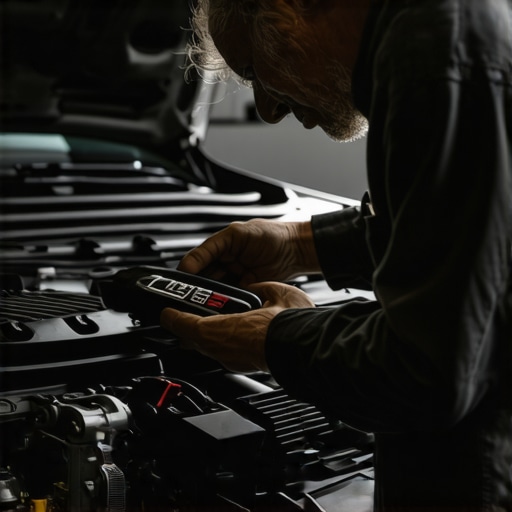
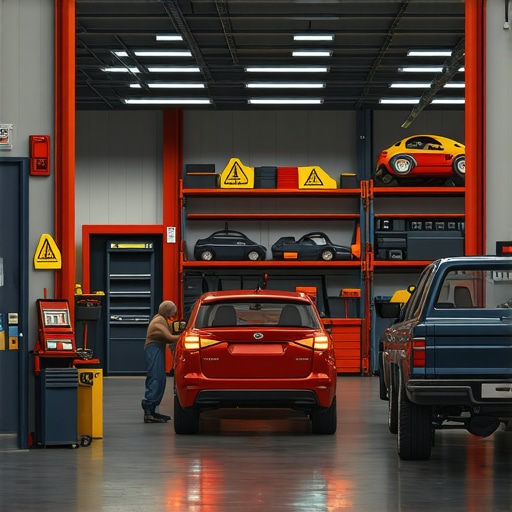
Professional shops invest in modern diagnostic tools and keep their workspace organized. I learned this early on when a shop looked cluttered and their diagnostic computer was outdated. They might try to recommend fixes they don’t have the tools for. A clean, well-equipped shop indicates a commitment to quality and safety. Look for proper disposal of waste fluids and clear safety signs—these are often overlooked but important indicators of their standards.
Request Specific Service Details and Certifications
Be proactive: ask for the exact part numbers, brands, and service procedures. For transmission work, for example, inquire if they use genuine or OEM parts, as cheap, generic alternatives can cause long-term issues. I once caught a shop using cheap oil filters that caused startup problems; after insisting on OEM filters, the issue was resolved. Also, verify if they follow recommended service intervals and use appropriate tools, rather than shortcuts or “fill and run” techniques.
Know When to Stand Firm or Walk Away
If a shop pushes unnecessary repairs, refuses to provide documentation, or offers overly vague explanations, it’s time to leave. Trustworthy mechanics are confident, transparent, and patient. Remember, your car is your investment; take the time to ask questions, verify credentials, and observe their work environment. By following these steps, you can safeguard yourself from falling prey to exploitative practices and ensure your vehicle gets the quality service it deserves.
Many car owners believe that an oil change is just a simple oil swap, but the nuances involved can significantly impact your engine’s longevity. For example, a prevalent myth is that synthetic oil always outperforms conventional oil, but in reality, the quality and type must match your engine’s specific needs; using cheap synthetic oils can actually harm turbochargers and cause premature wear, as discussed here. Moreover, there’s a misconception that ASE certification guarantees flawless diagnostics—however, ASE-certified technicians are trained, but experience and ongoing education are crucial, since even certified shops can overlook advanced issues like transmission slipping on hills, which you can explore here. It’s vital to understand that regular car service involves more than routine checks; neglecting transmission fluid conditions, especially in high-mileage vehicles, can lead to costly repairs. Many owners overlook the importance of using OEM or high-quality aftermarket transmission fluids, and using the wrong type can damage internal components, as detailed here. A crucial point often missed is that not all transmission problems are apparent during quick inspections—suspicious signs like delayed shifts or shuddering require advanced diagnostics, which only seasoned technicians can accurately assess. Additionally, the myth persists that “lifetime” transmission fluids never need changing; however, industry experts warn that failing to service them can cause internal sludge and wear, reducing transmission life drastically. This is where understanding the real maintenance needs becomes essential, challenging the misconception that longer intervals are always better, as discussed here. Remember, the key is tailored service—assuming a one-size-fits-all approach can be dangerous. Have you ever fallen into this trap? Let me know in the comments.
Investing in Quality Diagnostic Equipment
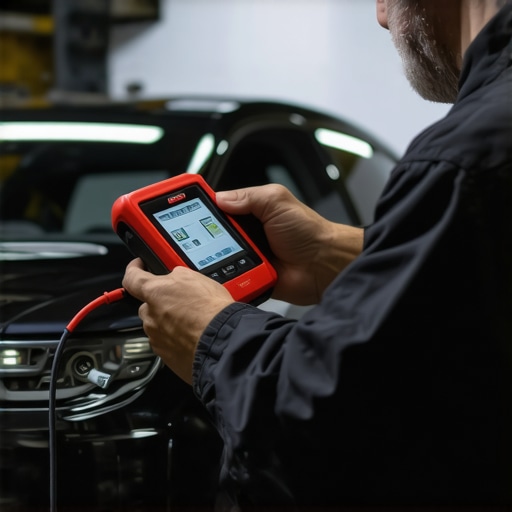
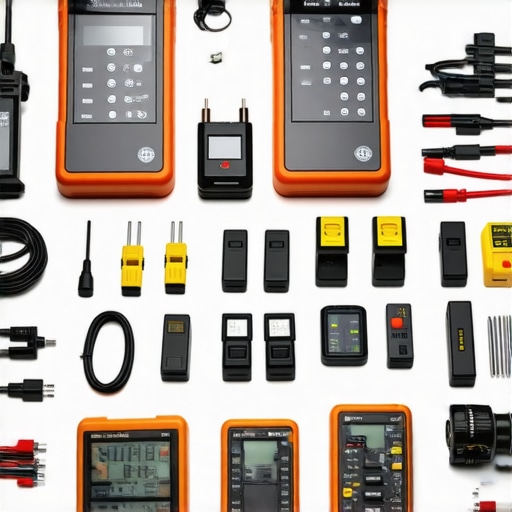
One of the foundational aspects of maintaining your vehicle over the long term is having reliable diagnostic tools. I personally rely on an automotive OBD-II scanner like the Autel MaxiCOM MK808 because it offers extensive coverage, including live sensor data and freeze frame analysis. This tool allows me to pinpoint issues from transmission fluid temperatures to engine misfires without guesswork, saving both time and money.
Beyond basic scanners, investing in a dedicated digital multimeter with high accuracy—preferably one with auto-ranging features—enables me to check critical sensors like coolant temperature or battery voltage precisely. Having good diagnostic tools means I can catch problems early, such as a sluggish transmission or abnormal oil pressure readings, before they escalate into costly repairs.
Mastering Proper Maintenance Methods
Consistent and methodical maintenance is key. For example, using a transmission fluid tester helps me verify whether the fluid has degraded or become contaminated due to overheated conditions. I recommend you adopt a routine of checking fluid levels, quality, and temperature, especially in high-mileage cars, to extend the life of your transmission.
When it comes to oil changes, I avoid the temptation of following the dashboard’s 10,000-mile suggestion blindly. Instead, I use a refractometer to measure oil TBN (total base number). This provides a more accurate picture of oil health, ensuring I replace it only when necessary, which avoids sludge buildup and engine wear. Remember, as I discussed here, following a fixed interval can sometimes do more harm than good.
Tools I Recommend for Transmission Care
Transmission maintenance often gets overlooked, but I strongly suggest using a dedicated transmission flush machine like the AiPower ATF Flush. It ensures a thorough exchange of old fluid, particularly critical in older or high-mileage vehicles where internal components might be more prone to deposits and sludge, as highlighted in this article.
Additionally, maintaining proper transmission temperature is vital. For this, I use a wireless transmission temperature sensor with real-time app connectivity. It alerts me if the fluid gets too hot during demanding drives, preventing internal damage and potential shifts issues, like slipping or early early-ups.
How do I keep my transmission in top shape over time?
Regular fluid checks, using a dedicated flush machine, and monitoring operating temperatures are fundamental. These practices not only prolong transmission life but also keep your car shifting smoothly, especially under stress like hills or towing. In the future, I predict that integrated sensor systems combined with AI diagnostics will make transmission maintenance more proactive and precise, further reducing unexpected failures.
Try adopting a routine of checking your transmission fluid temperature before long trips and consider investing in a quality transmission fluid tester to stay ahead of potential issues.
What I Didn’t Expect to Learn About Genuine Care
- I once believed that quick, cheap repairs were the best way to save money. But the harsh reality taught me that rushing leads to costly mistakes, especially when it comes to transmission or oil quality. Spending extra time choosing reputable shops and quality parts actually pays off in the long run.
- Trusting certifications like ASE is important, but they don’t guarantee flawless service. I realized that continuous learning and asking the right questions have been my best tools in ensuring my car gets the attention it deserves. Don’t hesitate to challenge vague answers; a confident mechanic often indicates experience and transparency.
- Inspecting a shop’s environment—its cleanliness, equipment, and organization—may seem superficial, but it reveals their commitment to quality. I found that well-maintained workshops often perform better, especially with complex systems like transmissions, as seen when I checked the diagnostic tools used for troubleshooting.
- Sharing maintenance routines with trusted professionals transformed my approach to vehicle care. Using tools like a transmission temperature sensor or a refractometer helped me catch issues early, saving thousands in repairs and preventing breakdowns.
Tools and Resources That Changed My Approach to Car Maintenance
- Autel MaxiCOM MK808: This comprehensive OBD-II scanner gives me real-time data, reducing guesswork during diagnostics and ensuring repairs are precise.
- Transmission Fluid Tester: Monitoring fluid quality allows me to determine exactly when a flush is necessary, preventing internal damage and extending the life of crucial components.
- Refractometer: It measures oil health, helping me decide the optimal time for an oil change, instead of sticking blindly to miles driven.
- Dedicated Flush Machines: Equipment like the AiPower ATF Flush ensures thorough fluid exchange in high-mileage transmissions, reducing the risk of deposits and sludge buildup.
Keep Moving, Keep Improving — Your Car Will Thank You
Your journey with vehicle maintenance is uniquely yours, and every step towards better knowledge and smarter choices builds confidence. Remember, understanding the true condition of your transmission and oil can prevent unexpected failures, and investing in proper tools and trusted resources makes all the difference. Don’t settle for the status quo—your car’s health reflects your dedication to quality care. Keep learning, stay curious, and turn technical setbacks into opportunities for growth.
Have you ever uncovered a hidden issue during a routine maintenance check that ended up saving you big money? Share your story below.