Why Your Engine Starts Then Immediately Dies Every Time
I remember the day I first experienced it—all hope high, keys in hand, ready to roll, and then… nothing. The engine would catch, sputter, and die. It was a gut-wrenching moment that made me question everything I knew about cars, even as a seasoned auto enthusiast. That sudden silence, especially when your plans depend on that little engine, is enough to make anyone feel helpless. But trust me, you’re not alone in this frustrating struggle.
In today’s post, I promise to unravel the mystery behind why your engine starts but then immediately dies. More importantly, I’ll share practical insights based on my own journey and real-world experience to help you troubleshoot and fix this pesky problem. Whether you’re a DIY enthusiast or just tired of throwing money at unreliable mechanics, stick around—there’s hope.
Understanding the Common Causes of Engine Stalling After Startup
Many folks assume that engine stalling right after start-up is only a serious issue requiring costly repairs. However, in most cases, it boils down to manageable, often overlooked problems. Things like a dirty idle air control valve, a failing sensor, or a clogged fuel filter might be the culprits. I learned this early on when I made the mistake of replacing the entire fuel system without checking the basics—an expensive error that could have been avoided. To get your vehicle back on the road efficiently, start with these foundational checks.
If your engine hesitates or dies when cold, it could be related to a cold start issue, like a faulty thermostat or misfiring fuel injectors. For a deeper understanding of how such issues develop, you can explore [why your gearbox hesitates on cold mornings](https://autofixclinic.com/why-your-gearbox-hesitates-on-cold-mornings). Recognizing and addressing these small but critical problems early can save you a bundle and prevent further damage.
Is it really worth spending on diagnostics, or should I just replace parts?
Here’s where I went wrong early in my journey—assuming the worst and replacing parts haphazardly, which turned into a costly cycle. Instead, I learned that accurate diagnostics, often involving a simple scan tool, can pinpoint the real problem. Trustworthy ASE-certified mechanics can perform these tests efficiently, but it’s crucial to verify their credentials. You might want to check out [how to spot a fake ASE certification](https://autofixclinic.com/how-to-spot-a-fake-ase-certification-before-you-hand-over-your-keys) to ensure you’re trusting competent technicians.
So, before you start replacing major components, ask yourself—Has this issue been thoroughly diagnosed? If you’re unsure, I strongly recommend working with an experienced mechanic who understands these signs—it’s a smart investment in your vehicle’s health.
Now that we’ve set the stage with the common causes and initial steps, it’s time to dive into practical troubleshooting techniques. Let’s get your engine running smoothly again without the stress and guesswork.
Check the Basics First
Start by inspecting your vehicle’s essential fluids, especially the fuel and oil levels. Low fuel or old oil can cause your engine to stall shortly after starting. I once encountered this when my car hesitated and died; topping off the fuel tank and changing the oil solved the problem. Then, examine the air filter for dirt or clogs— a dirty filter can interfere with airflow and stall the engine.
Test the Idle Air Control Valve
The idle air control (IAC) valve regulates engine idle speed. A faulty IAC can cause the engine to die once it reaches idle. To diagnose, listen for irregular idling or check for a dirty or sticky valve. I once cleaned my IAC with carb cleaner, which restored smooth idle and prevented dying after startup.
Scan for Error Codes
Use a code scanner to identify sensors or components causing the issue. Modern cars store fault codes related to malfunctioning sensors like the Throttle Position Sensor (TPS) or Mass Air Flow sensor. In my experience, a simple scan saved me hundreds on unnecessary parts replacements.
Inspect and Test Sensors
Malfunctioning sensors can send incorrect data, leading to engine stalling. Focus on the coolant temperature sensor or intake air temperature sensor. When my mechanic suggested testing the coolant sensor, replacing it eliminated erratic stalls during cold starts. Remember, many faulty sensors can mimic mechanical issues, so testing is key.
Check the Fuel System
Clogged fuel filters or failing fuel pumps disrupt fuel delivery. If your car cranks well but dies quickly, consider replacing the fuel filter or testing the fuel pressure. I once replaced my fuel filter following a failure to start, which significantly improved reliability.
Verify the Spark System
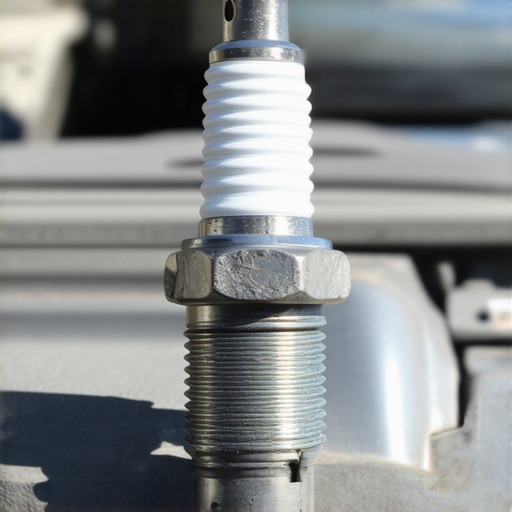
Weak or inconsistent spark causes misfires and dead engines. Remove a spark plug and examine its condition. Replacing spark plugs with new, high-quality ones restored proper ignition in my vehicle, preventing stalling after startup. Also, check the ignition coils for cracks or corrosion.
Perform Basic Maintenance and Diagnostics
Timely maintenance prevents many issues. Schedule regular checks on your spark plugs, air filter, fuel filter, and sensors. If you’re unsure, consult with a trusted, ASE-certified mechanic—just make sure to verify their credentials to avoid trusting fake certifications, which you can learn to spot at this guide.
When it comes to vehicle maintenance, many car owners operate under misconceptions that can do more harm than good. A common myth is that regular oil changes are solely about changing the oil; in reality, the nuances of oil quality, type, and service intervals are more complex and impactful than most realize. Moreover, there’s a widespread underestimation of how critical the transmission fluid and aggressive DIY approaches can be to long-term vehicle health.
Is Your Mechanic Really Qualified to Certify Your Car’s Service?
One of the hidden pitfalls lies in trusting anyone claiming to be ASE certified without verifying their credentials. While ASE certification indicates a higher standard of expertise, it doesn’t automatically translate to exceptional service. In my experience, some mechanics with fake certifications pose as experts, leading to unnecessary or improper repairs. To avoid this, always verify ASE credentials online—it’s a straightforward step that can save you thousands in the long run, as detailed in this guide.
Another common misconception concerns the longevity of transmission fluids. Many believe that luxury or high-mileage transmissions require less maintenance, but in actuality, neglected transmission fluid can be a silent killer. Insufficient or degraded fluid causes increased friction and wear, leading to expensive repairs. Remember, a proper transmission flush at recommended intervals can prevent costly failures.
Many think that all oils and fluids are interchangeable, which is a dangerous oversight. Synthetic oils, for instance, offer better stability and can extend service intervals if used appropriately. However, using the wrong oil or neglecting quality can accelerate engine wear, especially under demanding conditions. Consult your vehicle’s manual or a trusted ASE-certified mechanic to select the optimal lubricant—don’t fall for the myth that ‘all oils are the same.’
Here’s a critical edge: understanding the importance of precise service intervals. Conventional wisdom suggests sticking to manufacturer-recommended intervals blindly, but recent studies suggest that driving habits, operating conditions, and oil quality necessitate more tailored schedules. For example, high-performance or fleet vehicles might benefit from shorter, more frequent changes, as discussed in this resource. Ignoring these nuances could lead you into costly engine and transmission troubles down the line.
Finally, a word of caution on DIY maintenance: while doing your own oil change saves money, it’s easy to make mistakes such as over-tightening drain plugs or choosing incompatible fluids. These errors can cause leaks or component failure. Always follow proper procedures and consider consulting resources that emphasize the importance of certified expertise, like this article. Let’s face it—cutting corners on service quality often costs more in the end.
In conclusion, understanding these hidden nuances about oil and transmission service empowers you to make smarter decisions. Be skeptical of simplistic advice, verify credentials, and prioritize quality—your vehicle’s longevity depends on it. Have you ever fallen into this trap? Let me know in the comments and share your experiences with proper or improper service!
Investing in the Right Equipment for Reliable Maintenance
Keeping your vehicle in top shape requires more than just casual checks; it demands precise tools and a disciplined approach. Personally, I swear by a high-quality digital multimeter like the Fluke 115. Its accuracy allows me to measure sensor voltages and diagnose electrical issues without guessing, saving both time and money. For checking battery health and alternators, I rely on a thermal imaging camera like the Seek Thermal CompactPro, which reveals hotspots indicating potential failures before they cause roadside breakdowns.
When it comes to fluid diagnostics, I use a professional-grade transmission fluid tester, such as the Actron Transmission Service Kit. This equipment provides clear insight into fluid condition, helping me decide whether a flush or refill is necessary. Using specialized diagnostic software like theOBDLink MX+ paired with my smartphone, I can scan for error codes and monitor sensor data in real-time, which drastically improves troubleshooting accuracy.
Long-Term Results Through Consistent Care
Consistency is key to avoiding costly repairs. Regularly scheduled maintenance based on manufacturer recommendations, combined with these tools, ensures early detection of issues. I schedule bi-annual comprehensive inspections, including oil analysis and sensor tests, to prevent minor problems from turning into major failures. Over time, this proactive approach noticeably extends the life of components like your transmission, which benefits from clean, properly maintained fluids—something I ensure with a dedicated fluid testing kit and scheduled flushes.
Preferred Practices and Future Trends
Today, many auto enthusiasts incorporate OBD-II data logging into their routine maintenance. This practice allows for detailed trend analysis over months or years, helping predict failures before they happen. As vehicle tech advances, expect diagnostic tools to become more integrated with AI-driven systems, offering predictive maintenance recommendations tailored to your driving habits. Investing in such tools now not only prepares you for the future but also ensures your vehicle remains reliable and safe for years to come.
How do I maintain my vehicle over time?
Implementing a disciplined schedule using the recommended tools—such as digital multimeters, fluid testers, and diagnostic software—is crucial. Additionally, always verify mechanics’ credentials, like ASE certification, to ensure you’re trusting qualified experts for complex repairs. Check out this guide to verify your technician’s certification and safeguard your investment. For example, a simple but effective tip is to routinely perform a visual check of your transmission fluid with a clean magnetized dipstick, catching any metallic flakes early before they cause severe damage. Give this a try during your next oil change, and you’ll be one step ahead of costly repair surprises.
The Hardest Lesson I Learned About oil change,transmission,car service,ASE certified
Early on, I believed that trust alone in a mechanic guaranteed quality. My mistake was assuming that an ASE certification always meant expertise, without verifying it myself. This oversight taught me the importance of doing my own homework and confirming credentials, which ultimately saved me from costly misadventures. It also revealed how cheap fixes often hide bigger issues, making thorough diagnostics essential for genuine peace of mind.
3 Myths About oil change,transmission,car service,ASE certified That Held Me Back
I used to think synthetic oils were only for luxury cars—that conventional oils were enough. Misconceptions about transmission fluid needing no replacement after certain miles also led me astray. Dispelling these myths opened my eyes to the value of regular fluid testing and service, regardless of vehicle age or brand. Educating yourself about these facts can radically extend your vehicle’s lifespan and performance.
What Experts Won’t Tell You About oil change,transmission,car service,ASE certified
One secret is that many genuine ASE-certified technicians rely heavily on proper diagnostics, not just parts swapping. They understand that accurate testing—like using a quality code scanner or a transmission fluid tester—saves time, money, and frustration. My lightbulb moment was realizing that investing in good diagnostic tools and verifying mechanic credentials doesn’t add expense—it’s an investment in your car’s health.
Curated Recommendations for Smarter Car Maintenance
My Essential Toolkit for Reliable Maintenance includes a digital multimeter like the Fluke 115, which I trust implicitly for electrical diagnostics. For monitoring fluid health, the Actron Transmission Service Kit has proved invaluable—it offers actionable insight before problems escalate. Pairing these with theOBDLink MX+ for real-time error monitoring streamlines troubleshooting and helps me stay proactive rather than reactive. These tools have genuinely transformed my approach to vehicle care.
Your Turn to Try Beyond Basic Maintenance
Taking control of your car’s health is empowering. With the right knowledge and tools, you can prevent costly breakdowns and keep your vehicle running smoothly for years to come. Remember, verifying your mechanic’s credentials through resources like this guide ensures you’re working with qualified professionals. Start incorporating regular fluid tests and diagnostic checks today—your car will thank you and so will your wallet.