The Danger of Using the Wrong Transmission Fluid in Your European Car
It happened on a cold Tuesday morning. I was pulling out of my driveway, and suddenly, I felt a strange jolt through the gearshift. My heart sank. I had just taken my European car for its routine oil change, trusting that the shop knew what they were doing. But that morning, everything changed. A whisper of doubt crept in—was it the transmission fluid? The realization hit me like a gut punch: I might have made a costly mistake by not paying attention to the type of transmission fluid used.
Why Using the Wrong Transmission Fluid Can Destroy Your European Car
If you’ve ever wondered why your high-end European vehicle feels sluggish or shifts oddly after a basic service, the culprit might be something as simple as the transmission fluid. Unlike American or Asian cars, many European models require specific transmission fluids tailored to their complex transmission systems. Using the wrong type isn’t just a matter of diminished performance; it can accelerate wear, cause slipping, or even lead to complete transmission failure. Early on, I underestimated this risk, believing that any transmission fluid would do. Trust me, that was a mistake I won’t repeat. Proper transmission fluid is crucial for smooth operation and longevity—think of it as the blood of your transmission.
According to a study published by the Society of Automotive Engineers, using incorrect or low-quality transmission fluid can significantly decrease the lifespan of transmission components, sometimes reducing it by more than 50%. That’s not a risk worth taking. Today, I’ll share how to spot if you’re using the right fluid and what steps to take to protect your investment.
Is the hype over transmission fluid really justified?
When I first started, I thought, “How complicated can it be?” I assumed any transmission fluid would suffice because I saw generic brands at the shop. But I quickly learned that European cars often demand specific formulations due to their unique transmission designs. Skipping these details is a common mistake among DIYers and even some professional mechanics. For more on diagnosing transmission issues, check out how to stop your transmission shuddering without a full rebuild. Remember, a small oversight can lead to hefty repair bills. And trust me, I learned this the hard way.
This is just the beginning. In the next sections, we’ll explore practical steps to identify whether your transmission fluid is up to par, and how to fix potential issues before they escalate. So, have you ever faced transmission troubles after a service? If so, I’ve been there, and I’m here to help you avoid the same pitfalls.
Identify the Correct Transmission Fluid
Start by consulting your vehicle’s owner manual; it specifies the exact type and viscosity of transmission fluid required. For my car, I also verified the OEM specifications on the manufacturer’s website. When I went to the parts store, I checked the label carefully—European cars often demand synthetics like Pentosin or specific ATFs. Using the wrong fluid is like giving your high-performance engine the wrong fuel—it can cause misfires and damage over time. Double-check the part number and ensure it matches your car’s requirements to avoid costly mistakes. Remember, not all transmission fluids are created equal.
Remove Old Transmission Fluid Properly
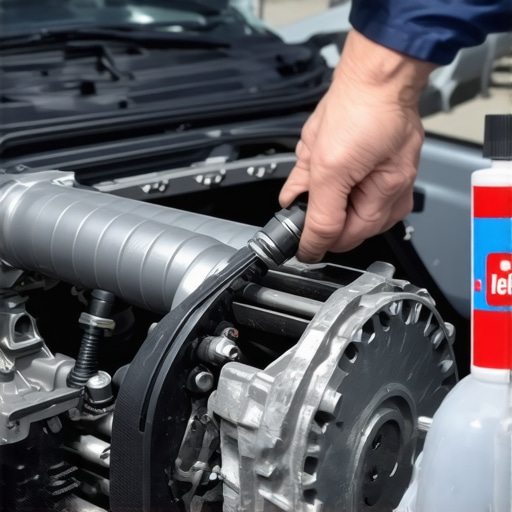
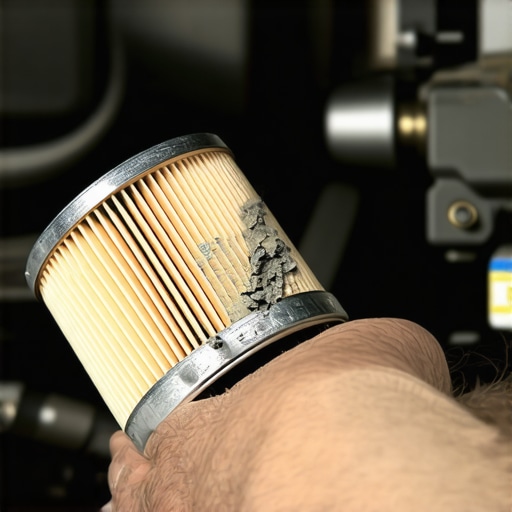
Locate the transmission drain plug—usually at the bottom of the transmission oil pan—and place a drain pan underneath. I warmed up the engine slightly to help drain the old fluid more completely, then loosened the drain plug with a socket wrench. This process is similar to draining a cup of coffee—pour out slowly to prevent spills. Be prepared for some residual fluid that may still flow out when removing the pan or filter. Doing this thoroughly ensures no contaminated or incorrect fluid remains to mix with new fluid, which could compromise performance.
Flush or Drain?
For European cars, a simple drain and refill often suffices, but some models benefit from a partial or full flush. A flush uses a machine to push new fluid through the transmission, expelling old fluid rapidly. I opted for a drain and refill to maintain control—this approach reduced the risk of dislodging stuck valves or seals. If you decide to flush, ensure it’s performed by a professional familiar with your model. Improper flushing can sometimes cause more harm than good if not done correctly.
Refill with Precision
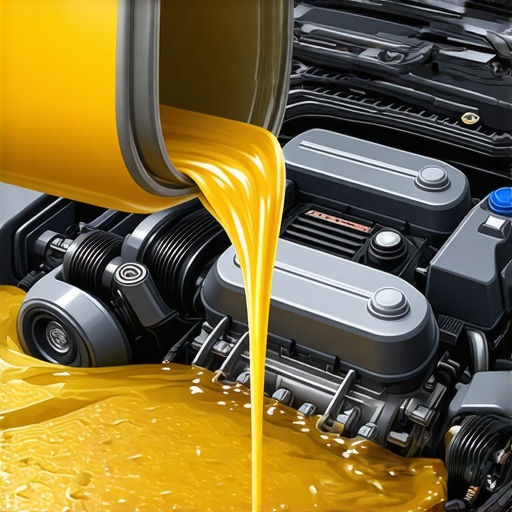
Use a funnel to add the specified amount of new transmission fluid, monitoring levels with the dipstick or through the fill plug, depending on your vehicle. I added fluid gradually, checking the level after each addition, because overfilling can lead to foaming and shifting issues. For my car, the manual recommended a specific level, so I kept the fluid just below the maximum mark. This step is critical; too little fluid causes overheating and wear, while too much can cause pressure buildup and leaks. Use a clean funnel and ensure the filler cap is tightly sealed to prevent leaks during operation.
Verify Proper Operation
Start the engine and shift through all gears, letting the transmission warm up for a few minutes. I then checked the fluid level again, as some transmission fluids expand with heat. I used the procedure outlined in my manual—some European vehicles require checking with the engine running and the transmission at specific temperatures. During a test drive, I paid attention to shifting smoothness and any unusual noises or slips. If issues arise, double-check fluid levels and quality. Remember, even a small mistake can lead to performance dips that mimic transmission problems.
Monitor Regularly and Keep Records
After completing the service, marking the date and mileage helps track future maintenance intervals. I set reminders to check the transmission fluid every 20,000 miles or as specified. Regular checks can reveal early signs of contamination or leaks, saving you from unexpected breakdowns. I’ve also learned to observe shifts during different driving conditions, which helps catch issues early before they escalate. Proper maintenance isn’t a one-time event but an ongoing process—your car’s health depends on it.
Many vehicle owners assume that an ASE certification guarantees that a mechanic is infallible or that all car services are equally reliable. However, this belief can lead to oversight of critical details that differentiate a truly adept technician from one with just the badge. An ASE certification shows a mechanic has passed certain standardized tests, but it doesn’t necessarily reflect their ongoing expertise with modern European transmissions or the nuances of specific vehicle models. Relying solely on this credential is a common misconception; in reality, the depth of a technician’s experience with your specific make and model is what truly matters.
One frequent trap owners fall into is trusting that generic oil changes or transmission services are sufficient for high-performance European cars. While many shops advertise comprehensive service, they often default to using universal fluids or skip manufacturer-recommended procedures. For example, using the incorrect transmission fluid—believing all ATFs are interchangeable—can accelerate wear and cause shifting issues. This oversight highlights a common myth: that all parts and fluids are standardized when, in fact, European vehicles often demand specialized products like Pentosin or specific synthetic oils. Checking the vehicle manual and confirming proper fluid specifications can save you from costly damage.
A critical nuance some overlook is the importance of proper diagnostic procedures before service. Many mechanics may replace filters or flush transmissions without verifying internal conditions, risking exacerbation of existing issues. For instance, a simple drain-and-fill might not address underlying solenoid failures or internal wear—problems that required advanced diagnostics. Going in with this misconception can lead to a false sense of security, making your vehicle vulnerable to repeated failures.
What’s the hidden detail most people miss when scheduling car service or oil changes? It’s the precision and understanding of your vehicle’s unique needs—something that cannot be fully captured by certifications alone.
How can I tell if my mechanic truly understands sophisticated transmission nuances?
The answer lies in their approach: a knowledgeable mechanic will ask detailed questions about your driving habits, perform thorough diagnostics, and use OEM-specific procedures. They will recognize signs like irregular shifting patterns or sluggish responses, and recommend tailored solutions rather than generic fixes. For advanced insights on diagnosing transmission issues without full rebuilds, see how experts recommend checking for subtle shuddering or slipping signs that indicate deeper problems. Remember, a well-informed mechanic is your best asset in maintaining your vehicle’s performance and longevity.
Building a Reliable Maintenance Toolkit
Over the years, I’ve honed a set of specialized tools that enable me to keep my European transmission and engine systems in peak condition. Working on high-end vehicles demands precision and confidence, which is why I invest in quality equipment designed for detailed diagnostics and delicate procedures. For example, I rely on a high-precision digital torque wrench—like the Gedore DFL 50—so I can tighten bolts to manufacturer specifications without risking over-tightening or damage. This ensures critical components, such as suspension bushings or transmission mountings, maintain their integrity over time.
Another essential piece in my toolkit is the OBD-II scanner with advanced capabilities. I prefer models that allow real-time data logging and support European protocols; this helps identify subtle shift timing issues or sensor malfunctions early. I personally use the Autel MaxiSys series because of their extensive coverage, including updates for the latest vehicle firmware, which is vital as vehicle software evolves rapidly. Staying ahead with diagnostic software minimizes guesswork when troubleshooting complex transmission hesitation or oil consumption anomalies.
Incorporating Precision Fluids and Equipment
Selecting the right fluids is crucial, but so is verifying their quality and compatibility. I use a dedicated fluid tester—like the Kitt Infinity Fat Pump—to sample transmission fluid directly from the vehicle. This test can reveal contamination or oxidation before symptoms manifest, preventing costly breakdowns. For oil changes, I add a few drops of UV dye, such as UV528, when filling, which allows me to inspect for leaks later using a blacklight, ensuring no seals are compromised during routine maintenance. These small but effective steps help me maintain long-term reliability.
Future Trends and How to Stay Ahead
The future of vehicle maintenance leans heavily into digital integration. Augmented reality (AR) tools and cloud-based diagnostic platforms are becoming more common, offering technicians real-time overlays of repair procedures directly onto vehicle components. I anticipate that by integrating software like OEM-specific diagnostic suites with my physical tools, I’ll be able to perform more precise and minimally invasive repairs. Staying connected with the latest tech—such as subscription-based updates for my diagnostic software—ensures my approach remains future-proof.
How do I maintain transmission health over time?
Consistent fluid checks combined with using the right tools for flushing and refilling will extend your transmission’s life. As suggested in a detailed guide by expert ASE-certified technicians, schedules should include partial flushes with specialized machine tools that are compatible with European transmissions. I recommend trying the method of sampling and analyzing your transmission fluid periodically, as described before, to catch early signs of wear or contamination before shifting issues develop. For a step-by-step approach, consider consulting this article. Upgrading your maintenance approach with these practical tools and techniques can save thousands over the lifespan of your vehicle.Every journey into vehicle maintenance reveals unexpected lessons, especially when dealing with European cars’ intricate systems. One profound insight I uncovered is the critical importance of trust—trust that your technician understands the nuances of your specific transmission and that you’ve chosen the right fluids. I realized that a simple oversight, like using an incompatible transmission fluid, can turn a routine service into a costly repair. The most invaluable lesson? Never assume that generic solutions fit all; your vehicle’s unique demands need tailored attention. Investing in specialized tools and knowledge isn’t optional but essential, especially for high-performance European models. Remember, consistency and attention to detail safeguard your driving experience, saving you from surprises on the road. Embracing ongoing education and meticulously selecting professional partners ensures your car’s longevity and peak performance—because your vehicle deserves nothing less. Dive deeper into specific auto care techniques or explore trustworthy resources to elevate your maintenance game. Your commitment today writes the story of your vehicle’s future reliability. Get proactive, stay informed, and cherish the ride ahead. Have you ever overlooked a small detail that saved you from a major repair? Share your story below.