How to Tell if Your Oil Leak is Actually a Rear Main Seal
It started with a small puddle under my car. Nothing too alarming at first—just a little oil seeping onto the driveway. But as days passed, it grew, and I found myself getting anxious every time I parked outside. I already dreaded the thought of a costly repair, especially when you’re not sure if that leak is serious or just a minor hiccup.
Getting to the Heart of the Leak: Is It Your Rear Main Seal?
Many car owners face this frustrating mystery. That little oil spot could be nothing, or it could be a sign that your rear main seal is failing. But here’s the thing—if you don’t know the difference, you’re lost in a sea of automotive guesses. When I first noticed my leak, I underestimated its significance. Turns out, I made a crucial mistake early on—assuming all leaks are equal. That cost me precious time and money down the line.
Will Ignoring It Make Things Worse?
Absolutely. A rear main seal leak can escalate quickly if left unchecked, leading to engine damage or even failure. The good news? With a little detective work, you can often tell if it’s your rear main seal or a more benign oil drip. In this post, I’ll walk you through how to identify a rear main seal leak, based on my personal experience and the signs I wish I knew earlier.
Why Does It Matter? The Truth About Oil Leaks and Your Engine’s Health
Understanding what’s causing that leak isn’t just about avoiding repairs; it’s about protecting your engine’s long-term health. An overlooked rear main seal leak can cause oil starvation in critical engine parts, which might lead to engine replacement—an expensive ordeal no one wants. Did you know that the average engine repair costs thousands? That’s why getting it right the first time is essential. If you’ve been ignoring that small oil spot, I urge you to read on—I’ll share practical tips to distinguish between a simple leak and a serious seal failure. Want to dive deeper into common transmission issues that mimic oil leaks? Check out this guide.
Locate the Leak Precisely
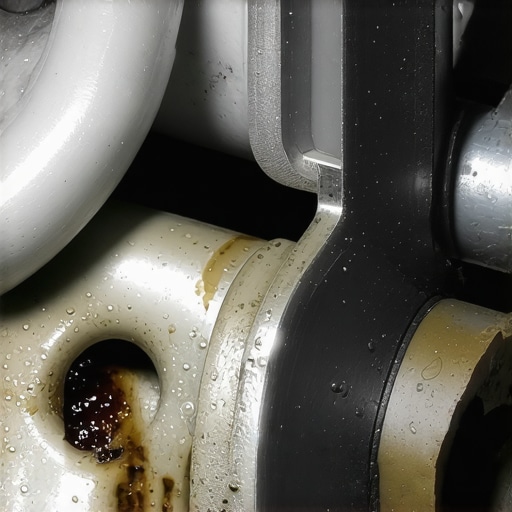
Start by cleaning the engine bay thoroughly with degreaser, then observe where fresh oil appears after running the engine for a short period. Use a flashlight to follow the oil trail to its highest point; if the leak is near the transmission bell housing, it might be your rear main seal. During my own repair, I noticed oil pooling at the bottom of the bell housing, which led me to suspect the seal—similar to how monitoring oil levels helps identify issues early.
Check for External Clues
Look for oil on the transmission’s backside and along the engine block’s rear surface. Also, inspect the oil dipstick for increased oil levels without adding, indicating possible engine oil seeping past the rear seal. I once ignored subtle signs until the leak worsened, causing a costly repair. Recognizing these signs early can save you from similar trouble.
Perform a Dye Test for Confirmation
Inject UV dye into the engine oil and run the engine for about 30 minutes. Using an ultraviolet flashlight, examine the engine bay and transmission area for fluorescent oil leaks. This method, much like diagnosing transmission shudders, allows precise identification of leaks. When I did this, I saw the dye around the crankshaft rear main seal, confirming my suspicion.
Decide Between Repair and Replacement
If the leak is minor, some mechanics recommend sealing products, but these are often temporary solutions—like using oil additives for carbon build-up. For a lasting fix, replacing the rear main seal is advisable. During my own overhaul, I ensured the crankshaft was cleaned meticulously to prevent future leaks, similar to how transmission fluid needs proper servicing.
Prepare for Removal and Replacement
Lift the vehicle securely and remove components blocking access to the rear of the engine—like the transmission or exhaust manifold. Carefully unbolt the flywheel or flexplate, then extract the old seal. Use a seal puller tool to prevent damage to the crankshaft and surrounding surfaces. During my first attempt, I used a pry tool that marked the crank surface; subsequent careful removal prevented this, illustrating the importance of proper tools and techniques.
Install the New Seal Correctly
Lubricate the new seal’s lip with clean engine oil and carefully press it into place using a seal driver or a socket of matching size. Ensure the seal is flush with the engine block. Improper installation here is a common mistake, leading to premature leaks. I pressed the new seal until snug and double-checked the alignment—much like verifying proper gear engagement.
Reassemble and Test
Reinstall any removed components, refill engine oil if drained, and start the engine. Watch for fresh oil leaks during the initial minutes. Drive the vehicle gently, and re-inspect after shutting off. A successful repair will be clean, tight, and leak-free—similar to the satisfaction of a well-performed car service. Keep an eye on oil levels over the next few weeks to ensure that the fix holds.When it comes to automotive repairs and maintenance, there’s a common belief that an ASE certification alone guarantees a mechanic’s expertise. Many assume that seeing an ASE badge on a shop’s sign means every job is done correctly. But in my experience, a deeper understanding of the nuances reveals that ASE certification is a valuable credential, yet not a foolproof indicator of quality or comprehensive knowledge—especially regarding increasingly complex vehicle systems like CVTs and GDI engines.
One widespread myth I often encounter is that an oil change is a simple, low-risk service. Reality? If not performed correctly, it can lead to overlooked sludge buildup or contaminant accumulation that accelerates engine wear. For example, many shops miss the importance of thoroughly cleaning the engine’s sludge-prone parts during oil changes—an oversight that can cause long-term damage. A study by the SAE highlighted that improper oil change procedures are among the top causes of engine failures, emphasizing the importance of detailed attention to such seemingly straightforward services.
Why do so many miss critical details in routine services?
It comes down to understanding the hidden complexities often ignored by standard procedures. For instance, modern CVTs require specialized fluid, and using traditional ATF or generic oils can lead to slipping or premature wear. This is why using the right transmission fluid isn’t just a recommendation—it’s vital for longevity. Many technicians and DIYers overlook this nuance, leading to costly repairs down the line.
Similarly, ASE-certified technicians might still fall prey to common mistakes when dealing with GDI engines, which are more susceptible to carbon buildup. Ignoring advice like using synthetic combustive oil enhancements or neglecting the importance of regular cleaning can accelerate engine issues. So, the certification alone doesn’t guarantee mastery over these advanced systems; knowledge of their specific quirks is essential.
Advanced diagnostics also play a crucial role. A mechanic might have the skills, but if they rely solely on dashboard warning lights without understanding subtle symptoms—like a slight transmission shudder—they might miss the early signs of impending failure. The ability to interpret nuanced clues differentiates an experienced technician from an average one. For example, a persistent gear hunting problem could indicate a failing solenoid, which is frequently misdiagnosed if not approached with a deep knowledge base. Check out this post for more insights on diagnosing such delicate symptoms.
Beware the trap of believing every cheap repair or maintenance service is safe because of certification. Cheap oil filters, untrained techs, or shortcuts during complex procedures like removal of timing chains or rear main seals can save time or money initially but might lead to catastrophic failures later. The ’oops’ factor? Overlooking the importance of proper torque specs and clean assembly during reassembly can cause leaks or component failures. During my experience, I learned that proper cleaning and meticulous assembly make all the difference—something that even ASE certification won’t automatically guarantee without the right experience.
What makes a truly expert mechanic stand out?
A seasoned professional doesn’t just follow checklists—they understand the science behind each component. They stay updated with evolving vehicle technology, such as the impact of oil life monitors and the nuances of synthetic vs. conventional oils, particularly for turbocharged engines. They know that a generic oil change won’t suffice for high-performance or hybrid vehicles, which demand specialized attention. In fact, experts recommend specific procedures, such as inspecting variable valve timing actuators or cleaning intake valves in GDI engines, to prevent carbon buildup and performance decline.
In summary, while ASE certification is an excellent baseline, let’s dig deeper. Mastering the nuances—knowing the right fluids for modern transmissions, understanding the pitfalls of cheap parts, and interpreting subtle warning signs—are what truly separate a good technician from an expert. Remember, your vehicle deserves that level of attention, especially as systems become more complex. Have you ever fallen into this trap? Let me know in the comments.
Investing in the Right Tools for Long-Term Vehicle Care
Maintaining your vehicle’s health isn’t just about occasional visits to the mechanic; it involves having the right tools and knowing how to use them effectively. I personally rely on a high-quality automotive scan tool like theBlueDriver Bluetooth Pro Scanner because it allows me to read and reset error codes accurately, saving time and money. Additionally, a mechanic’s stethoscope helps to pinpoint weird noises—whether it’s a whining transmission or a knocking engine—without guesswork.
Another indispensable tool in my kit is a digital multimeter. It enables me to check battery voltage, alternator output, and even sensor signals, which is crucial when diagnosing complex issues. I’ve found that investing in a torque wrench with a click function ensures I tighten bolts to manufacturer specs, preventing leaks or component failures, especially during oil changes or transmission repairs.
Software and Diagnostic Resources You Can Trust
Modern vehicles are equipped with sophisticated onboard systems, making diagnostic software a must-have. I use OEM-specific diagnostic tools because they provide insight directly from the manufacturer’s database. These tools help me monitor live data streams—like transmission fluid temperature or GDI engine intake pressure—and identify anomalies before they turn into costly breakdowns.
For instance, regular use of software that tracks transmission fluid conditions can extend the life of your CVT. Future trends point towards increased integration of AI diagnostic systems, which will make pinpointing problems faster and more precise—so staying ahead with current tech is key.
Methods to Extend Vehicle Longevity
Consistent maintenance routines are non-negotiable. I recommend setting reminders for fluid changes—especially engine oil, transmission fluid, and differential oil. Using oil life monitors wisely helps prevent over- or under-maintenance, both of which can shorten your vehicle’s lifespan. Regular inspections of belts, hoses, and filters ensure that small issues don’t turn into major repairs down the line.
Another tip I swear by is keeping a record journal of all maintenance activities and repairs. Not only does this help in diagnosing recurring problems, but it also adds value if you decide to sell or trade your vehicle. Also, periodically checking and topping off fluids—like coolant and brake fluid—can prevent overheating or brake failure, respectively.
How do I keep my vehicle running smoothly over time?
It’s essential to stay proactive. For example, if you’re experiencing shifting issues or unusual noises, don’t delay addressing them. Use your diagnostic tools to gather data, and don’t hesitate to consult specific guides—like these ASE fixes. Being diligent with routine checks and having reliable tools at your disposal will save you money and stress in the long run. For a quick start, try regularly inspecting your transmission fluid with a mini magnetic dipstick—it’s quick, inexpensive, and very effective at flagging early issues before they escalate.
What I Realized About Cutting Corners in Car Maintenance
One of the biggest lessons I learned was that skipping seemingly minor steps during repairs, like neglecting to properly clean the crankshaft or not using the right torque specs, can lead to future headaches. The temptation to save a few bucks on equipment or shortcuts can backfire spectacularly, especially with complex automotive systems.
The Truth About Trusting ‘Certified’ Without Question
Initially, I believed that an ASE certification guaranteed expertise. Over time, I discovered that certifications mean the technician has passed certain tests, but hands-on experience and continuous education matter even more. I now see certification as a foundation, not a finish line. Dive into resources like spotting genuine expertise.
Data Over Assumption When Diagnosing Issues
Relying solely on symptoms without verifying with diagnostic tools was a mistake I repeated early on. For example, using a UV dye test to confirm a rear main seal leak prevented unnecessary replacements. Tools like specialist diagnostic kits are game changers for accuracy and peace of mind.
Embracing the Power of Proper Tools and Techniques
Investing in quality tools, whether a digital multimeter or a torque wrench, elevated my mechanic game. They not only save time but also protect delicate parts during installation. For ongoing maintenance, a reliable diagnostic tool keeps issues from slipping through the cracks.
Choosing the Right Resources Shapes Your Success
Trustworthy sources, like OEM-specific software and in-depth guides, keep me ahead of vehicle tech advances. Learning about GDI engine care from specialized articles helps me advise clients accurately and avoid costly mistakes.
Stepping Beyond the Basics of Vehicle Longevity
Routine maintenance paired with proactive inspections has extended my vehicles’ lifespan significantly. For example, monitoring oil conditions with oil life monitors and keeping detailed service logs help catch problems early and ensure smooth performance over thousands of miles.
Remember, True Expertise Comes From Continuous Learning
The most valuable insight I gained is that mastering ASE certified, transmission, oil change, and car service tasks is a journey, not a destination. The automotive world evolves rapidly, and staying updated with the latest tech, tools, and techniques is essential. Take pride in your curiosity and never shy away from deepening your understanding.
Your Move: Take Control of Your Car Care Journey
Armed with insights from experience, I encourage you to trust your judgment, leverage reliable resources, and invest in quality tools. Doing so transforms routine maintenance into an art form, saving you money and extending your vehicle’s life. What’s one change you’re ready to implement today to improve your car care approach? Share your thoughts below and let’s learn together!
,