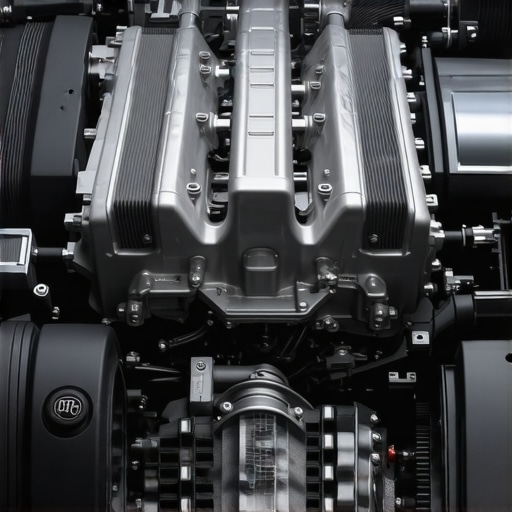

The Real Reason Your Oil Pressure Light Flickers at Idle
I’ll never forget the time I was late for work, nervously ticking off minutes, when suddenly the oil pressure light blinked on. Heart pounding, I pulled over—thinking the worst. Turns out, that tiny warning was my car’s way of telling me something simple but critical was amiss. That light flickering at idle can be surprisingly sneaky; it might seem minor but hints at underlying issues that could cost you thousands if ignored.
What Your Oil Pressure Light Is Really Trying to Say
Many car owners overlook this flickering warning, chalking it up to a fake alarm or a trivial glitch. But I’ve learned firsthand that this phenomenon isn’t just a nuisance—it’s a signal. When your oil pressure light flashes at idle, it suggests the oil isn’t circulating properly, which can lead to engine wear or even catastrophic failure if left unchecked. And trust me, I’ve made mistakes early in my own experience, like assuming the issue was a sensor glitch rather than investigating the real cause. To avoid those costly lessons, understanding the root of this flicker is crucial.
Is Your Oil Pressure Light Flickering and Scaring You? It Might Be Worth the Attention
The good news? Most issues causing flickering at idle are repairable without breaking the bank. But ignoring this warning can turn a minor fix into a major overhaul. So, what’s behind the flickering? Sometimes it’s a worn oil pump, a loose oil sensor, or even low oil levels. Often, these problems are related to the quality of oil and filters we use—not all are created equal. For instance, choosing high-quality oil filters can make a real difference in maintaining consistent oil pressure.
In my early days, I made the mistake of dismissing the flicker as a loose connection. That oversight cost me a lot more than a simple fix. Building trust with an ASE-certified technician can help prevent this kind of costly misunderstanding. Now, I want to share practical steps that will help you diagnose and fix the issue before it escalates.
Are you tired of that flickering oil pressure light ruining your drives? Stay tuned—I’ll guide you through the essential checks and solutions to keep your engine happy and healthy.
Check Your Oil Levels Right Away
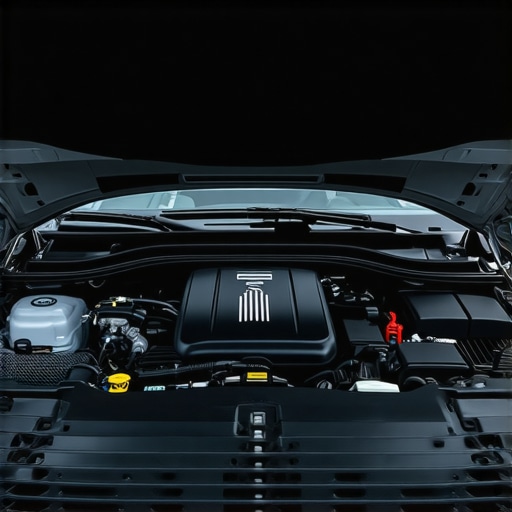
Start by pulling over safely and opening your hood. Locate your dipstick, wipe it clean, then reinsert and remove it to check the oil level. If it’s below the minimum mark, top it off with a high-quality oil, like those recommended by ASE-certified technicians. Low oil levels are a common cause of flickering at idle and are an inexpensive fix.
Inspect Oil for Clarity and Condition
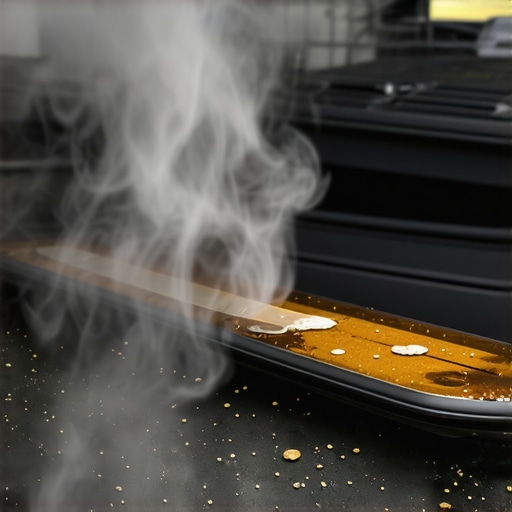
Remove the oil fill cap and examine the oil. Fresh oil is amber and translucent; if it looks dark, gritty, or smells burnt, it’s time for an oil change. Old or degraded oil can’t maintain proper pressure, leading to flickering warnings. For optimal protection, consider a synthetic oil change, especially in high-mileage engines that might now crave thicker oil, as discussed here.
Test the Oil Pressure Sensor
Locate the oil pressure sensor—usually a small, threaded component on the engine block. Wiggle the wiring harness to ensure it isn’t loose. Secure any loose connections. If the wiring is intact, consider testing the sensor with a multimeter or replacing it entirely if it’s faulty. A worn sensor can send false signals, causing the warning light to flicker.
Examine the Oil Pump and Related Components
If oil levels and sensors are fine, the issue might be with the oil pump. A failing pump can’t circulate oil properly, especially at idle, triggering the light. Accessing the pump requires draining the oil and removing parts of the oil circulation system, which might be complex but necessary. For some cases, replacing the oil pump can restore proper pressure, preventing costly engine damage down the line.
Recognize Noises and Symptoms of Pump Failure
Listen for whining or whining noises from the engine; inconsistent oil pressure can cause such sounds. Also, monitor if the engine seems to struggle at idle or if there’s a loss of power. These are signs you might need to consult an ASE-certified mechanic immediately to evaluate the pump and oil pressure system.
Address Possible Oil Filter Issues
Sometimes, a clogged or improperly installed oil filter can cause pressure drops. If you recently replaced your filter, double-check that it’s compatible and installed correctly. Avoid cheap filters, which are more prone to failure, as discussed here.
Perform a Professional Diagnosis
If you’re comfortable with basic maintenance, you can use scan tools to read engine codes related to oil pressure sensors or pumps. Otherwise, it’s best to visit a reputable, ASE-certified shop. A professional diagnosis can pinpoint issues like sensor failures or low oil pressure caused by transmission problems, such as those detailed here. Remember, attempting DIY fixes beyond simple checks may risk further damage.
Prioritize Regular Maintenance
Preventative care reduces the chances of flickering warnings. Regular oil changes, using the right viscosity and quality, and periodic sensor checks keep your engine healthy. High-mileage engines or newer models with complex systems benefit from professional inspections—especially when dealing with transmission or synthetic oil updates, as explored here. Consistent maintenance saves money and stress over time, preventing that alarm from spoiling your drives.
While many drivers listen to basic advice about car maintenance, there are often misconceptions that can lead to costly mistakes. One prevalent myth is that all ASE-certified technicians prioritize quick fixes over thorough diagnostics. In reality, reputable ASE-certified mechanics emphasize comprehensive assessments, ensuring your vehicle receives precise care. Relying solely on a certification without understanding the technician’s expertise can be risky; some shops may exploit the badge to justify superficial repairs, leading to repeat visits and expenses.
Another often-overlooked nuance concerns transmission servicing. Many believe that transmission fluid lasts forever, but recent studies, including insights from automotive engineers, reveal that even lifetime fluids degrade over time and mileage, especially under aggressive driving conditions. For example, synthetic transmission fluids can break down faster if subjected to excessive heat or heavy loads, as discussed in expert analyses. Neglecting scheduled transmission fluid changes not only accelerates wear but can cause unexpected shifts or slips, which are far more expensive to fix.
Advanced drivers understand that oil changes aren’t just about replacing dirty lubricant. The viscosity, additive package, and compatibility with your engine’s design are critical factors. Using the wrong oil type, even if it’s synthetic, can cause inadequate lubrication or increased engine wear. An often-missed detail is that some high-mileage engines benefit from thicker oils, which help seal piston rings and reduce oil consumption—this nuance is supported by research from engine manufacturers.
What most people get wrong is believing that a quick oil top-up or neglecting regular oil changes won’t impact engine longevity. In reality, failing to adhere to manufacturer-recommended intervals accelerates wear, causes sludge buildup, and can lead to catastrophic engine failure. Regular, properly timed oil changes, using the right quality oils and filters recommended by certified experts, are foundational to vehicle health.
Furthermore, many car owners underestimate the complexity behind these services. For instance, choosing cheap oil filters or skipping to cheaper service options might seem economical but often compromises filtration efficiency, increasing engine contaminants. As detailed in materials about oil filter quality, opting for high-quality filters is essential for maintaining clean oil and protecting critical engine parts.
An often unacknowledged mistake is ignoring signs of transmission issues or delayed shifts, which can seem trivial initially but are symptomatic of deeper problems like worn torque converters or damaged solenoids. Recognizing early warning signs and consulting an experienced mechanic can save thousands, especially since these issues are complex to address without proper diagnostics.
In the realm of vehicle maintenance, understanding the nuances—bicking the myths, knowing when and what to service—can dramatically extend your car’s lifespan. Don’t fall into the trap of thinking that quick fixes or superficial checks are enough; proactive, informed care makes all the difference.
Make sure your service provider is truly experienced—review their credentials carefully and ask questions about their diagnostic approaches. Remember that genuine expertise involves more than a badge; it’s about the depth of knowledge and attention to detail. If you want to dig further into how to identify qualified technicians or specific maintenance tips, check out our guides on proper transmission and oil change practices.
Have you ever fallen into this trap? Let me know in the comments.
Investing in the Right Equipment
Maintaining your vehicle’s longevity goes beyond basic checks. Personally, I rely on a high-quality digital multimeter to diagnose sensor issues precisely. A reliable multimeter allows me to verify the voltage output of sensors like the oil pressure sensor or transmission control module, ensuring they’re functioning within factory specifications. For instance, testing the oil pressure sensor with a multimeter can help determine whether the flickering warning is a false alarm or a genuine concern, ultimately saving you costly repairs down the line.
My Favorite Diagnostic Software
I prefer using professional-grade scan tools such as the Autel MaxiCOM or Launch X431 series. These platforms provide comprehensive engine, transmission, and ABS codes, and their extensive vehicle compatibility ensures I can address almost any issue. Their real-time data streams help me monitor oil pressure readings, transmission slip criteria, and other vital signs, which is invaluable when performing in-depth diagnostics or routine maintenance.
Tools That Make Service Easier and More Effective
Aside from diagnostic tools, I highly recommend a quality set of hand tools, including a selective wrench set and a torque wrench. Proper torquing, especially when replacing oil filters or tightening drain plugs, ensures components like oil seals or sensors are correctly secured, preventing leaks or sensor failures. Additionally, using a magnetic oil drain pan makes oil changes cleaner and more manageable, especially when dealing with high-mileage engines prone to sludge buildup.
Long-Term Results and Scaling Your Maintenance
Implementing these tools in your routine allows for consistent, precise diagnostics, leading to fewer breakdowns and better overall engine health. As your skills improve, scaling your setup with an advanced leak detection kit or a professional-grade air compressor can help perform more complex tasks, like flushing transmission lines or cleaning intake manifolds. Keeping up with OEM-recommended tools and software—like those discussed in automotive technology updates—ensures your maintenance remains aligned with evolving vehicle systems.
How do I maintain tools and practices over time?
Regular calibration of diagnostic equipment and proper storage of hand tools prolongs their lifespan and accuracy. Staying updated with the latest diagnostic software updates and technical bulletins ensures you’re diagnosing with current data. Investing in training and certifications, such as ASE certification, keeps your knowledge sharp and your methods effective. As vehicle systems become more sophisticated, incorporating advanced tools now will save considerable time and money in the future, especially with emerging trends like AI-driven diagnostics which are predicted to revolutionize car maintenance.
If you haven’t already, try calibrating your multimeter with a known voltage source and keep your software up to date. This small investment in precision can dramatically improve your ability to diagnose issues early, preventing minor problems from becoming major repairs. Remember, the goal is continuous improvement—your tool arsenal is vital for maintaining reliable, long-term vehicle performance.
Lessons That Changed How I Approach Car Maintenance
One of the most enlightening lessons I learned is that short-term fixes never replace proper diagnosis. Relying on quick sensor replacements or dismissing flickering lights can lead to costly engine repairs. Over time, I’ve discovered that investing in quality diagnostics—like using trusted software or consulting experienced ASE-certified technicians—saves far more money and stress than chasing temporary patchwork solutions.
Another realization is how crucial regular proactive checks are, especially with transmission components. Simple steps like inspecting transmission fluid levels or monitoring unusual noises can prevent catastrophic failures. I’ve come to appreciate that understanding the nuances of both oil and transmission system health can extend your vehicle’s lifespan significantly, especially by paying attention to warning signs before they escalate.
It also struck me that the myths surrounding “lifetime” fluids can be misleading. Technologies evolve, and so do recommended service intervals. Trusting outdated advice or neglecting scheduled service—like fluid replacements—can quietly erode your engine and transmission’s integrity. Staying informed and adhering to manufacturer guidelines keeps your vehicle running smoothly and avoids surprises on the road.
Tools and Resources That Keep My Vehicle in Peak Condition
The secret to effective maintenance is equipping yourself with the right tools. A high-quality digital multimeter is invaluable for checking sensor outputs or verifying electrical connections, especially for sensitive components like oil pressure sensors. I personally rely on professional scan tools such as the Autel MaxiCOM, which provide actionable insights directly from your vehicle’s onboard systems.
Additionally, regular use of a torque wrench ensures that components like oil filters and drain plugs are secured correctly, preventing leaks or component failures. For those venturing into more complex diagnostics, an air compressor with leak detection capabilities helps identify hidden issues that often come with aging vehicle systems. Combining these tools with continuous education—like critical reading of technical bulletins—allows me to stay ahead of potential problems.
Embracing the Journey Toward Reliable Driving
The path to trustworthy car maintenance is ongoing and rewarding. By applying consistent, informed actions—such as performing regular oil and transmission fluid changes and trusting reputable service providers—you can significantly prolong your vehicle’s health. Remember, the goal isn’t just fixing issues—it’s cultivating a proactive mindset that prevents problems before they start. Your investment in knowledge and proper tools today pays dividends with safer, smoother drives tomorrow.
What’s the biggest lesson you’ve learned about vehicle maintenance that changed your approach? Share your story below—I’d love to hear how you’re taking control of your car’s health!