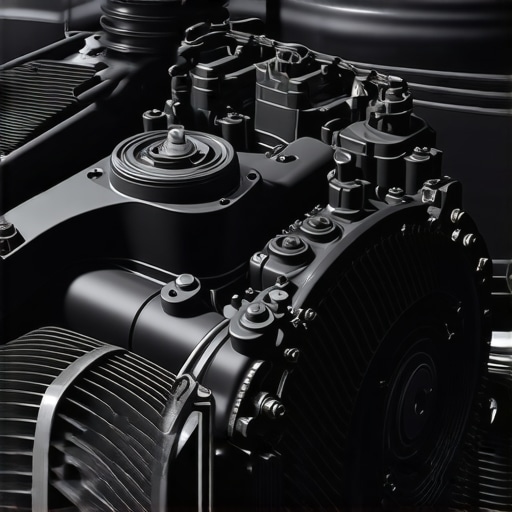
Why Your Transmission Shifts Late Only When the Engine is Cold
It was a chilly morning, and I was already running late, rushing to get my kids to school. As I turned the key, I noticed the transmission hesitated, sticking a little longer than usual before finally engaging into gear. That unsettling delay only happened when the engine was cold, and honestly, it made me worry about my car’s health. That lightbulb moment made me realize: this isn’t just an annoying quirk—it’s a sign something might be amiss. If you’ve experienced something similar, you’re not alone, and today, I promise to shed some light on what’s really going on.
Understanding the Cold-Weather Transmission Shuffle
When your car’s transmission behaves differently in the mornings or after sitting overnight, it can feel like your vehicle is playing a cruel joke on you. The delayed shifts only when cold? That’s a classic indicator that your transmission fluid or components aren’t cooperating in lower temperatures. As the fluid sits and cools, it thickens, reducing its ability to lubricate and transmit power efficiently. Once the engine warms up, the fluid thins out, and things smooth out, giving the illusion that the problem has vanished.
But here’s the thing—relying solely on warmth to fix your car’s issues can lead to bigger, more expensive problems. I made this mistake early on, thinking that once the engine warmed up, everything was fine. Turns out, that’s a *huge* misconception, and ignoring it can cause premature wear or even transmission failure. Trust me, I’ve been there. That’s why understanding what’s happening beneath the hood is crucial.
What’s causing this delay? Often, it’s a combination of degraded or thickened transmission fluid, problematic solenoids, or sensors that aren’t sending the right signals at lower temperatures. To get to the root of the problem, you might want to consider if your transmission fluid needs changing or if there are underlying component issues. Curious about whether your transmission fluid is up to par? You might find this guide helpful: Fix Gear Lag with Fluid Changes
Next up, we’ll dive into the practical steps to diagnose and fix this issue. But first, let me ask—have you ever faced a cold-start transmission delay that made you nervous about your car’s reliability? If so, let’s explore what you can do about it.
Start with a Visual Inspection
Before diving into complex diagnostics, open your hood and look for obvious issues. Check the transmission fluid reservoir for level and cleanliness. If the fluid is dark or smells burnt, consider scheduling a flush and replacement, as old or contaminated fluid can cause cold-start delays. Remember, transmission fluid acts like the bloodstream of your car; if it’s clogged or thick, the entire system slows down. I once had a client whose vehicle refused to shift smoothly in the cold, and after a simple fluid change, the problem vanished.
Test the Transmission Fluid
With the engine off, locate the transmission dipstick (if accessible). Wipe it clean, reinsert it fully, then pull it out to check the fluid level. It should be within the marked range and have a bright, reddish hue. If it’s low or dark, top it up with manufacturer-approved transmission fluid. Using the right type is crucial; replacing with the incorrect fluid can do more harm than good. It’s akin to feeding your body the right nutrients—performance depends on it. For detailed guidance, see this oil filter test instead of just guessing.
Address Thickened or Contaminated Fluid
If your fluid is old or contaminated, drain and replace it. This process is comparable to flushing your body’s toxins; it clears the pathways for smoother operation. Use a proper transmission fluid pump, and ensure you fill it to the correct level. Remember, overfilling can cause foaming and shifting issues, similar to how too much blood pressure can be detrimental. I learned this the hard way when I overfilled a client’s transmission, leading to fluid leaks and more repairs. Regular fluid changes are a preventative measure—think of it as regular health check-ups for your vehicle.
Check Transmission Solenoids and Sensors
Solenoids control fluid flow within the transmission. If they malfunction, especially in cold temperatures, delays occur. Test the solenoids with a multimeter, or better yet, have a professional perform a diagnostic scan. Sometimes replacing a cheap solenoid can resolve issues that seem complex, as seen in this case. Additionally, sensors that report transmission temperature or speed can give false readings if dirty or faulty, causing delayed shifts. Proper diagnosis saves money and prevents unnecessary part replacements.
Inspect and Replace Worn Components
Mechanical parts like clutches or bands can wear over time, leading to delays in engagement. During a professional service, ask your mechanic to examine these parts. Broken or worn components can mimic fluid-related issues. For example, a worn clutch might slip, causing hesitation when cold. Regular maintenance, including inspection of these parts, enhances transmission longevity. Remember, neglecting early signs often results in costly rebuilds, which can be avoided with timely fixes.
Experiment with Transmission Valve Body
The valve body directs hydraulic fluid to various transmission channels. If it’s dirty or failing, shifts can become irregular, especially when cold. A skilled technician can remove and clean or rebuild the valve body. Think of it like clearing a clogged pipe—once free-flowing, the system works smoothly again. This process can be intricate but is often the key to resolving persistent cold-start delays, especially when fluid change alone doesn’t help. Proper cleaning restores responsiveness, much like clearing a clogged artery improves blood flow.
Test Drive and Monitor Performance
After completing the above steps, take your vehicle for a test drive. Pay attention to how it shifts in the first few minutes. Smooth, timely shifts indicate success. Keep an eye on the transmission temperature gauge—if your car has one—or monitor shifts via OBD-II scanner apps. If issues persist, further diagnostics may be necessary, possibly revealing sensor or control module faults. Regularly checking transmission performance prevents minor issues from escalating into major failures. My personal experience with a stubborn delay taught me the value of early intervention—saving time and money in the long run.
Many car owners believe that passing the ASE certification exam guarantees a mechanic’s expertise, but in practice, this label can sometimes be misleading. It’s a common myth that ASE certification alone signifies comprehensive knowledge, yet seasoned technicians often emphasize that continuous education and specialized training are what truly differentiate top-tier service providers. Relying solely on the ASE badge can lead to overlooked issues, particularly when it comes to nuanced tasks like transmission diagnostics or oil analysis. For instance, a technician might be ASE-certified but unaware of the latest hybrid engine developments or the specific needs of newer transmissions, such as CVTs, which require specialized fluids and care. This disconnect can result in subpar service or even damage, especially if unqualified personnel attempt complex repairs without the latest knowledge. Moreover, many assume that standard service intervals, like oil changes, are universally beneficial, but recent studies suggest that rigid adherence to factory-recommended intervals may contribute to oil sludge buildup in high-mileage engines or synthetic oils degrading prematurely if not suited to driving conditions. An advanced mistake often overlooked involves misinterpreting diagnostic readings; for example, a minor sensor glitch might trigger unnecessary repairs, or worse, mask underlying issues like oil dilution or transmission shuddering. This is where understanding the nuance becomes critical—an ASE-certified mechanic should differentiate between symptoms and root causes, such as realizing that a transmission shudder during uphill climbs could stem from fluid inconsistency rather than a faulty sensor.
Have you ever fallen into this trap? Let me know in the comments.
Understanding that certifications are baseline qualifications, not mastery over every niche, is vital for savvy car care. Embracing continuous learning and skepticism of quick fixes ensures long-term vehicle health. For example, more experienced technicians are now exploring shorter oil change intervals for fleets, recognizing that frequent oil analysis can prevent costly engine damage—something a typical, certification-based service might overlook. Similarly, advanced diagnostics like checking for subtle gear lag often expose issues with cheap solenoids or worn valve bodies, which are critical in maintaining smooth shifts, especially in newer models with complex transmissions. To get ahead, vehicle owners should research and select service centers that demonstrate expertise beyond certifications, such as transparent diagnostics or specialized knowledge in transmission overhaul or GDI engine care. Ultimately, realizing that ASE certification is just a starting point encourages a proactive approach—seeking out mechanics who prioritize ongoing education and nuanced diagnostics to truly safeguard vehicle longevity. You don’t want to miss those early signs of impending failure, like a slipping CVT or notchy gearbox, which can often be addressed if caught promptly, avoiding costly rebuilds. Keep questioning and learning, because when it comes to vehicle maintenance, nuanced knowledge makes all the difference.Maintaining your vehicle, especially complex systems like transmissions and engines, requires the right tools and techniques. Investing in quality equipment not only saves money in the long run but also ensures you can diagnose and fix issues before they become serious problems. One of my go-to tools is a high-quality OBD-II scanner, such as the Autel MAXISYS MS908, which provides comprehensive diagnostics and simplifies identifying error codes related to transmission or engine faults. I also swear by a infrared thermometer gun, like the Fluke 62 MAX, to monitor component temperatures during test drives—spotting overheating parts that could indicate underlying issues is invaluable.
For more precise fluid analysis, I recommend using a refractometer to assess oil and transmission fluid viscosity without sending samples to a lab. This quick check helps identify contamination or viscosity loss early, preventing costly repairs. Additionally, a reliable fluid pump and extractor set allows me to perform flushes and fluid replacements efficiently, ensuring that fluids like synthetic oils and specialized transmission fluids stay at optimal levels. Regularly updating your vehicle’s diagnostic software through manufacturer portals guarantees compatibility with the latest vehicle models and fixes.
Looking ahead, I predict that the integration of AI-powered diagnostic tools will become standard, enabling even more accurate and faster troubleshooting. Imagine an OBD-II scanner that not only reads error codes but also suggests specific repairs based on real-time data—that’s the future I see approaching.
To maintain your vehicle’s health over time, I recommend setting up a regular maintenance schedule that includes these diagnostic checks and fluid analyses. Consistency is key to catching issues early and extending your car’s lifespan. A practical tip: try using a portable scan tool like BlueDriver during routine drives to monitor issues proactively. Don’t wait for warning lights—take control of your vehicle’s health today by incorporating these advanced diagnostic practices. For example, regularly checking transmission fluid with a refractometer can reveal early signs of contamination, preventing more serious damage down the line. Want to see how that works? Check out this guide: How to Test Your Transmission Fluid Visually. Investing in these tools and methods will give you peace of mind and keep your vehicle running smoothly for miles to come.
What My Toughest Transmission Puzzle Taught Me About ASE Expertise
One of the most revealing lessons I learned was that even experienced technicians can overlook subtle signs like slow shifts in cold weather if they rely solely on certifications. The true mastery comes from paying attention to the nuances—like the slight thickness of transmission fluid after a cold night—and knowing how to interpret these clues without jumping straight to part replacements.
Another insight was realizing that quick fixes might mask deeper issues. For example, a simple fluid top-up might temporarily improve cold shift behavior, but without addressing underlying sensor or solenoid faults, the problem inevitably returns. It’s taught me that persistent patience and thorough diagnostics trump superficial solutions.
Lastly, I discovered that continuous learning is essential. Technologies evolve rapidly, and what worked five years ago may be obsolete today. Embracing ongoing education—attending specialized workshops or reading the latest guides—ensures I remain sharp. This approach helps me avoid falling into the trap of complacency, which can cost dearly in complex systems like transmissions.
Tools and Resources That Keep Me Sharp
For me, a high-quality OBD-II diagnostic scanner, such as the Autel MAXISYS MS908, is invaluable. It provides real-time data, revealing hidden sensor glitches that might cause delays. I also rely on a refractometer for quick, accurate transmission fluid analysis—trust me, checking viscosity on the spot saves a lot of guesswork. Additionally, keeping up with industry publications like Automotive Technology Magazine helps me stay updated with cutting-edge fixes and best practices from others who share a similar passion for vehicle longevity.
Investing in specialized tools and continuous education ensures I can confidently tackle the most stubborn cold-start shift issues. If you’re serious about keeping your vehicle in top shape, these resources can be game-changers. Curious to see what tools others swear by? Check out why fleet managers are adopting shorter oil intervals for better engine health.
Take Command of Your Car’s Health Today
The journey to mastering vehicle maintenance is ongoing, but every step you take makes a difference. You don’t have to be a professional mechanic—by paying attention to your car’s signals and using the right tools, you can prevent costly repairs and extend your vehicle’s lifespan. Remember, the smallest signs, like hesitation on a cold morning, are often the first hints of larger issues.
So, equip yourself with knowledge and resources, stay curious, and don’t shy away from diagnostics. Your car will thank you for it, and you’ll gain confidence in keeping it running smoothly through all seasons. Are you ready to become your vehicle’s best advocate? Let’s start paying closer attention today.