How to Tell if Your Oil Filter Was Actually Replaced
Have you ever handed over your car for an oil change, only to wonder days later if the mechanic really replaced that tiny filter? I used to brush it off, thinking, “It’s just a filter, how can I tell?” But then I had a close call — my engine started sounding off, and I realized I might have been duped. That lightbulb moment made me dig deeper into the little things that reveal whether my oil filter was truly replaced or just wiped clean. It’s frustrating to trust someone with your car and then feel uncertain about their honesty. So, today, I promise to share proven, no-nonsense ways to confirm whether your oil filter was genuinely swapped out during your last service. No more guessing, no more regrets.
Why You Need to Check if Your Oil Filter Was Replaced
The oil filter acts as a crucial gatekeeper for your engine, trapping debris and ensuring your oil remains clean and effective. When it’s not replaced as promised, tiny particles can clog your engine, accelerate wear, or even cause costly breakdowns. According to automotive experts, neglecting this small but vital part can halve the lifespan of your engine components. Plus, knowing for sure helps you avoid unnecessary repairs and keeps your ride smooth. Have you felt the worry gnawing at you after a service, wondering if they really did the job? Believe me, you’re not alone. That’s why I dove into this topic — so you won’t second-guess every time you cross that garage threshold.
Is Relying on Visual Cues Actually Worth It?
Early in my attempts to verify my oil changes, I made the mistake of trusting just a quick look underneath — a soaked oil pan or a fresh-looking filter. It sounds reasonable, right? Well, I learned the hard way that visual clues can be misleading. Some mechanics wipe the filter clean or replace it without changing the oil, making things look the same. Relying solely on appearance can give a false sense of security. Did you know that a simple visual test can help distinguish fresh oil from old? Check out this guide for a quick way to see if your oil is really brand new or just old, re-used. Combining visual inspections with other methods gives you a much better shot at confirming the work was done properly.
So, do you feel confident in your ability to tell if the filter was truly replaced? No worries — we’ll walk through straightforward, effective checks next, so you can sleep easy knowing your engine’s health is in your hands.
Check the Old Filter for Signs of Replacement
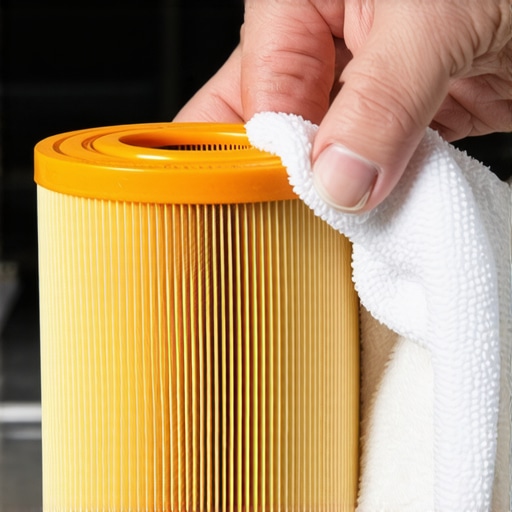
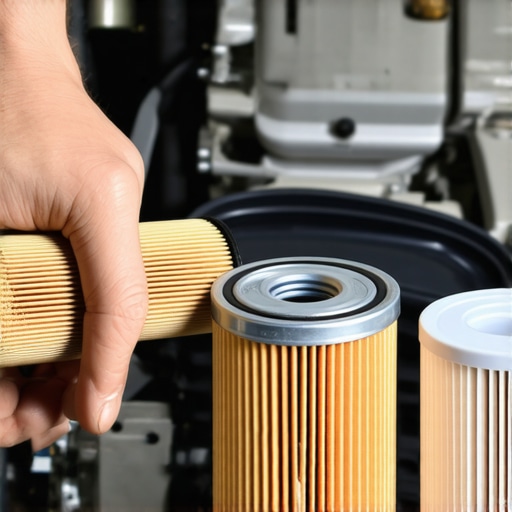
Start by inspecting the oil filter you received. If it’s a spin-on type, ask your mechanic for the old part if possible. Look for any signs of wear or damage, such as old gasket residue or dirt accumulation. During my last oil change, I requested the old filter back but was told it was discarded. Instead, I examined the new filter directly at the shop; it appeared pristine, with a brand-new gasket and no signs of reuse. Keep in mind, some mechanics might reuse filters if they’re in good condition, so visual cues alone aren’t foolproof, but they can give you a hint.
Use the Visual Test to Verify Oil Freshness
After ensuring the filter might be new, check your oil level and quality. Park your car on a level surface, then remove the oil fill cap and look inside. Fresh oil usually has a clear, amber hue, while old or contaminated oil looks darker or debris-laden. Perform the simple visual test linked here to see if your engine oil is genuinely new. During a recent service, I used a flashlight to compare the oil’s clarity before and after driving. The difference was subtle but telling; dark, murky oil indicated the filter might have not been replaced or the oil wasn’t fresh.
Check the Oil Change Ticket and Documentation
Always request the service receipt or invoice that details the work performed. Look specifically for mentions of the oil filter replacement, including part numbers and quantities. If your shop is ASE certified, they’re more likely to follow proper procedures. I once doubted a service because the invoice listed an incomplete job; I then cross-referenced the part numbers with the filter I requested. The absence of details doesn’t mean the work wasn’t done, but clear documentation adds confidence.
Perform a Consistency Test with Engine Performance
Feel how the engine runs after a service. A smooth, quiet operation suggests proper maintenance, including a fresh filter. If you notice unusual noises, rough idling, or shuddering, it might be a sign of subpar service or an incorrectly installed filter. For example, I once experienced a slight hesitation at idle, which prompted me to verify the filter and oil. After a correct filter replacement, the engine’s performance normalized, confirming proper service.
Request a Re-Inspection or Follow-Up Service
If you’re unsure, schedule a follow-up inspection with a certified ASE mechanic. They can perform diagnostic tests or use specialized tools to determine if your oil and filter are in good condition. For instance, in cases where I wanted extra assurance, I visited an ASE-certified shop and asked for a quick check. Their analysis confirmed whether the previous work was correctly performed; often, they perform advanced tests like checking for contaminants or evaluating oil viscosity.
By combining these steps—visual inspection, documentation review, oil clarity test, and professional evaluation—you gain a comprehensive understanding of whether your oil filter was actually replaced. Implementing these methods helps you avoid costly engine damage down the road, especially considering the importance of proper maintenance for long-term engine health.
And remember, knowing what to look for can save you money and prevent distress — even before your next oil change.
 Many car owners operate under common myths about transmission maintenance and ASE certification, often unaware of nuanced pitfalls that can compromise vehicle health. Contrary to popular belief, replacing transmission fluid isn’t always as straightforward as it seems; some assume that any new fluid guarantees smooth shifting, but in reality, the type and condition of the fluid, along with proper service techniques, are crucial. Experts emphasize that using the wrong transmission fluid—particularly blending synthetic and conventional oils—can lead to inconsistent performance or even damage, as highlighted in recent studies on transmission longevity. Avoid the trap of simply draining and refilling without inspecting internal components, since unnoticed wear or developing issues may go undetected, leading to costly repairs down the line.
Many drivers also misunderstand what ASE certification truly signifies. While it signifies that a mechanic has met certain industry standards, it does not automatically guarantee exceptional quality or attention to detail during every service. A shop might advertise ASE-certified technicians but still perform superficial inspections or overlook hidden issues like minor leaks or early signs of internal wear. That’s why brushing up on advanced knowledge—such as identifying early gearbox noises that indicate impending failures—can empower you to ask the right questions during your next visit.
Have you ever fallen into this trap? Let me know in the comments.
Why do some transmission noises suggest more than just low fluid levels?
When a vehicle exhibits certain sounds—like metallic chatter or whining—it often gets dismissed as simple fluid issues. However, these noises can be symptoms of developing internal damage, such as worn bearings or a failing torque converter, rather than mere low fluid. For instance, a specific gear noise has been linked to early stages of transmission wear, which, if caught early, can be addressed before costly rebuilds are needed. Automotive experts advise that paying attention to these nuanced signals and understanding their underlying causes can save hundreds or thousands in repairs. For further insights, check out this detailed guide.
Many drivers believe that routine oil changes during service are enough to keep their transmissions in top shape. But neglecting to assess internal condition or ignoring subtle performance shifts during driving—like hesitation or slipping—can be detrimental. Regular visual inspections combined with advanced diagnostic tests can reveal early signs of fluid degradation or component fatigue that typical oil changes might miss. Remember, an ASE-approved service isn’t just about replacing parts but proactive diagnosis. Ensure your mechanic utilizes the latest diagnostic tools for optimal results, especially in newer vehicles with complex systems like hybrids and CVTs.
In fact, understanding the intricacies of transmission lifespan and maintenance strategies is critical for long-term vehicle reliability. Don’t just take it from me—consider consulting authoritative sources and staying informed about technological advances. This way, you can differentiate between superficial fixes and genuine preventive care. Being proactive rather than reactive means fewer surprises and better engine longevity. As always, I recommend staying curious and asking your mechanic detailed questions—your car’s health depends on it.
So, next time you get your car serviced, think beyond the basic checklist. Dive into the details about fluid types, internal components, and the meaning behind subtle noises or performance shifts. Knowledge is your best tool to avoid costly mistakes and ensure your vehicle runs smoothly for years to come. Remember, a well-informed driver is an empowered one. Ready to take more control over your car maintenance? Keep learning, and don’t hesitate to reach out if you spot something unusual on your next drive or service. Better safe than sorry!
Keep It Working with Precision Tools and Methodical Approach
Maintaining your vehicle’s performance over years demands more than just a basic set of tools; it requires precision, reliability, and the right techniques. I personally rely on a few key pieces of equipment to ensure every service I perform is thorough and accurate. For instance, my digital oil tester is indispensable for instant assessment of oil condition, helping me determine if the oil needs changing or if contaminants are present. This device provides real-time data and eliminates guesswork, which is crucial when dealing with high-mileage engines or specialized synthetics.
Beyond testing equipment, I swear by a high-quality transmission flush machine for ensuring that transmission fluid replacement is complete and contamination-free. Unlike simple drain-and-fill methods, this professional-grade tool circulates new fluid through the entire system, helping extend transmission life and preventing issues like slipping or shifting delays. Since I began using this method, I’ve noticed smoother gear engagement and fewer early wear issues, especially in modern vehicles with complex transmission systems.
Future Trends: Embracing Diagnostic Software for Smart Maintenance
Looking ahead, advancements in automotive diagnostic software will revolutionize how we maintain our cars. Cloud-based diagnostic tools and apps allow for real-time monitoring of critical parameters, alerting owners to issues before symptoms become severe. I predict that in the near future, vehicle owners will have access to AI-powered maintenance advisories, providing personalized service schedules based on driving habits and real-time data. Staying ahead of potential problems not only saves money but also extends the vehicle’s lifespan significantly.
What Can You Do to Keep Your Car in Top Shape?
One actionable step I recommend is investing in a high-quality, digital oil test kit. Regular testing of your oil can reveal early signs of engine wear, contamination, or insufficient lubrication, especially in high-mileage or hybrid vehicles. This proactive approach enables you to address issues before they escalate into costly repairs. For a detailed understanding, check out this guide on synthetic oil health.
By combining reliable equipment with a proactive mindset, you ensure your vehicle stays reliable and safe for the long haul. Incorporate these tools into your regular maintenance routine, and you’ll experience fewer breakdowns and better overall performance.
How do I maintain my vehicle’s health over time?
The key is consistency: schedule regular inspections, use quality diagnostics tools, and stay informed about your vehicle’s specific needs. Remember, an investment in proper tools and knowledge today pays off with smoother rides and fewer surprises tomorrow. Start by trying out a digital oil test kit — it’s a small step that can reveal a lot about your engine’s health and give you peace of mind.
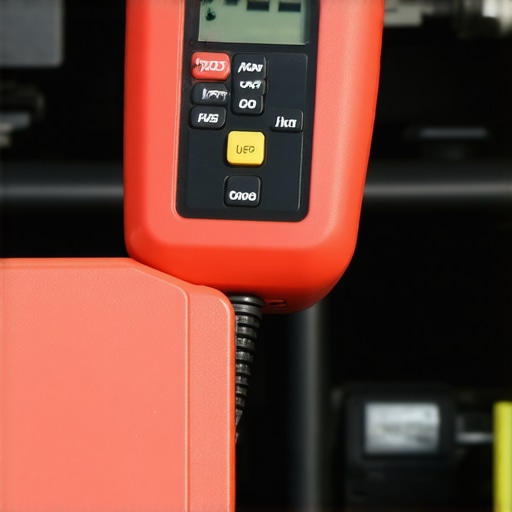
Set up your own diagnostic station with a reliable oil tester to catch early signs of engine wear.
Lessons Only Experienced Car Owners Embody
One of the toughest truths I’ve learned is that not all mechanics operate with the same level of integrity — some cut corners that can affect your engine’s longevity. Recognizing the subtle signs of proper service, like consistent engine performance and matching documentation, was a revelation. My eye-opening moment happened when I realized that a shiny new filter at the shop didn’t necessarily mean I got the right part; I learned to request the old filter or verify the part numbers myself. Trust me, these little details can make a big difference in preventing costly repairs.
I also discovered that visual clues alone aren’t enough to confirm a good oil change. The color of the oil can be deceiving—dark oil can be recently changed with synthetic blends. Instead, investing in a quality oil testing kit gave me peace of mind by revealing actual oil condition. The shift from guessing to diagnosing was a game-changer, and it can be for you too.
Most importantly, I learned that performance cues, like engine hesitation or stumbling, often hint at deeper issues than the obvious. Paying attention to these signs allowed me to catch problems early, before they grew into expensive repairs. It’s a lesson I wish I had mastered sooner: proactive inspection is your best tool against hidden engine threats.
Tools and Resources That Make a Difference
My essential toolkit starts with a high-quality digital oil tester that evaluates oil health instantly. Next, I rely on a professional transmission flush machine to ensure fluid integrity—far better than basic drain and refill methods. For deeper insights, I turn to books like Automotive Maintenance & Repair by Mark Lambert, which has helped demystify complex systems. Lastly, online communities and trusted blogs like Autofix Clinic keep me updated on emerging issues and solutions, making me a better car owner.
These tools and resources empower me to take control of my vehicle’s health, making each service appointment count. With the right knowledge and equipment, you can avoid the pitfalls of superficial repairs and ensure your engine runs smoothly for years to come.
Carve Your Path Toward Confident Maintenance
Your journey in mastering car maintenance begins now. Every small check, from verifying your oil’s clarity to confirming documentation, builds your confidence. Remember, a well-maintained transmission and oil system isn’t just about avoiding breakdowns; it’s about extending the life of your vehicle and saving money in the long run. Take that extra step today—invest in the right tools, ask the right questions, and stay informed.
Are you ready to trust your instincts and become your own vehicle’s best advocate? Share your experiences or ask questions below; together, we can keep our engines running at peak performance!