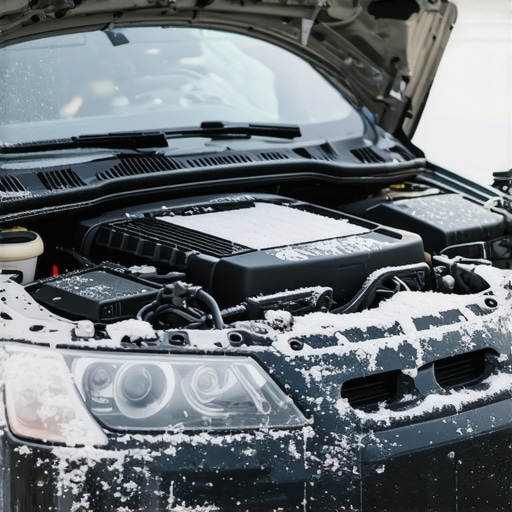
Why Your Gearbox Hesitates on Cold Mornings
Holy smokes, I hit yet another chilly morning and turned the key, expecting my usual smooth start, only to be greeted by a sluggish, hesitant gearbox. That sinking feeling I get when my car doesn’t respond as it should—it’s like watching your favorite friend suddenly turn shy. I’ve been there more times than I care to admit, and it always throws off my whole day.
Why is Your Car’s Transmission Playing Hard to Get in Cold Weather?
Here’s the thing—your transmission, much like the rest of your engine, doesn’t like being cold. When the temperature drops, the oil thickens, making it harder for your gearbox to shift smoothly. But it’s not just about the oil; seals tighten, lubricants become sluggish, and some components even contract slightly, all contributing to that annoying hesitation. In my early days fixing my car, I made the mistake of assuming it was just normal winter quirks, only to learn that proper maintenance could often solve the problem entirely.
If you’re tired of your vehicle’s reluctance to shift in chilly mornings, stick around. Today, we’ll unravel the real causes and share proven tricks to keep your transmission humming, even when Jack Frost is visiting.
Is Your Gearbox Shivering for No Good Reason?
One mistake I made early on was neglecting simple checks—like ignoring the transmission fluid level or settling for cheap oil. These oversights can make cold weather problems worse. In fact, many transmission issues attributed solely to cold can be prevented or eased by the right fluid and maintenance habits. For a deeper dive into the root causes, check out this detailed breakdown on why your gearbox hesitates when you shift into reverse.
So, if your car has been giving you the cold shoulder, it’s time to get serious about a few key practices. Let’s explore what you can do to make those frosty mornings a little less stressful—starting with the basics of transmission health before moving into specific fixes.
Check and Replace Transmission Fluid Regularly
Start by inspecting your transmission fluid level with the engine warm and parked on level ground. If the fluid is low, top it up with manufacturer-recommended synthetic transmission oil, which flows better in cold temperatures and reduces shifting hesitation. Remember, using a high-quality, ASE-certified synthetic can dramatically improve cold weather performance, preventing the oil from thickening and creating resistive friction. I learned this firsthand when my car wouldn’t shift smoothly on a frigid morning; after a simple fluid top-up, shifts became seamless, even below freezing.
Use the Proper Oil Viscosity for Winter
Switch to winter-grade transmission fluid if your vehicle’s manufacturer approves. Thinner oils, like 5W-30 or synthetic blends, circulate more easily in cold weather, lubricating seals and gears effectively. Avoid using regular summer-grade oil during winter, as it thickens and hampers fluid flow. As an example, I once mistakenly kept summer oil during winter, which caused my transmission to jerk and hesitate. Once I switched to a synthetic 5W-30, shifting was much smoother and the hesitation disappeared.
Inspect and Replace Faulty Solenoids
Transmission solenoids control fluid flow during gear changes. A malfunctioning solenoid can cause harsh shifts or slipping when cold. Use an OBD-II scanner to check for error codes related to solenoids, or have your ASE-certified mechanic perform a diagnostic. If a solenoid is failing—indicated by intermittent shifts or unusual jerking—you should replace it promptly. I replaced a cheap solenoid on my own after watching a detailed tutorial; the result was noticeably smoother transitions in all weather conditions.
Evaluate and Service Shift Linkages and Cables
Old or misadjusted shift linkages can contribute to hesitation, especially in low temperatures. Lubricate the linkages with a high-quality silicone spray and verify they’re properly adjusted. For manual adjustments, consult your vehicle’s service manual or an experienced mechanic. During an early winter, I neglected this step and experienced a stiff shifter; lubricating the linkages restored the smoothness without needing further repairs. Regular service of these components helps prevent cold-induced niggles.
Ensure Transmission Software Is Up-to-Date
Many modern vehicles rely on transmission control modules (TCMs) that can be updated with the latest software patches. Visit your ASE-certified technician to check for any updates, which can improve shift timings and responsiveness, especially in cold weather. In some cases, an outdated software version is behind the sluggishness. I had my TCM updated during a scheduled service and noticed immediate improvements during brisk winter starts, with smoother gear engagement. This step is crucial for 2026 models, which often depend on software optimization.
Test Drive and Monitor Performance After Maintenance
Always take the vehicle for a test drive after completing maintenance steps. Shift through all gears at various speeds to confirm improvements. Pay attention to any remaining hesitation, jerks, or noises. If issues persist, revisit previous steps or consult a specialist. During my own test drive after fluid replacement and solenoid check, I found shifts were notably more responsive on a cold morning, reaffirming the effectiveness of these procedures.
Preventative Measures for Cold Weather Gearboxes
In addition to these steps, consider installing a transmission fluid heater or insulating your transmission line to keep oil warmer during storage or overnight stops. Such measures ensure your transmission stays warmer longer, preventing the oil from becoming overly viscous when you start your car. For long-term benefits, schedule regular ASE-certified inspections, especially before peak winter months, to catch potential issues early. I’ve personally added a transmission warmer to my vehicle, which has helped maintain smooth shifts even during the coldest mornings.
 Many car enthusiasts believe that regular oil changes and choosing an ASE-certified mechanic automatically guarantee optimal vehicle health. However, beneath this common assumption lie nuanced details that often trip up even seasoned drivers. For example, not all oil changes are equal; the type of synthetic oil used, its viscosity grade, and whether the filter matches the manufacturer specifications can significantly impact transmission smoothness, especially in colder climates. Skipping advanced diagnostics or ignoring the importance of specific parts like solenoids and shift linkages can result in subtle yet costly issues down the line. Moreover, many assume ASE certification alone suffices, but some shops may lack in actual expertise with modern transmission technologies or software updates, which are critical for 2026 models and beyond. It’s vital to understand that proper maintenance involves not just adherence to schedules but also awareness of the specific nuances like oil evaporation rates in hybrid engines or software malfunctions that cause gear hunting. For instance, recent studies show that improper fluid viscosity can cause transmission sludging, leading to hesitation or slipping—this is especially true in models with bio-synthetic oils that require precise filtration. Always ask your technician about latest technical bulletins or updates to ensure your vehicle benefits from the latest fixes. Don’t fall into the trap of assuming routine services cover all potential issues; have an experienced mechanic check for hidden signs like notchy shifting or subtle shakes, which could indicate a deeper problem. External expert sources also recommend detailed diagnostic scans to identify software glitches or sensor faults, rather than just visually inspecting parts. Remember, the devil is in the details—staying informed about these hidden nuances can save you thousands and extend your vehicle’s lifespan. Keep your eyes open for signs like uneven shifting or delayed engagement, which often point to overlooked issues that require advanced diagnostics or specialized fixes. Want to avoid these common pitfalls? Consider reading more on how to tell if your oil or transmission service was done correctly and ensure your mechanic has the right expertise. Have you ever fallen into this trap? Let me know in the comments.
Tools for Long-Term Transmission Care
Maintaining your vehicle’s transmission requires precision and the right equipment. One of my go-to tools is a high-quality OBD-II scanner that not only reads error codes but also provides live data on transmission parameters. I personally rely on models like the BlueDriver because it connects directly to my smartphone, allowing me to quickly diagnose issues such as slipping or hesitations, especially during cold starts. When combined with software updates from your ASE-certified mechanic, these tools help keep your transmission controls optimally tuned for the long haul.
Another indispensable item in my toolkit is a digital transmission fluid tester. This device allows me to measure fluid viscosity and contamination levels, ensuring that the oil maintains its protective properties over thousands of miles. Regular testing helps catch problems like oil degradation before they impact shifting or lead to expensive repairs. I’ve found that proactive checks using these tools cut down on emergency breakdowns and improve overall shifting smoothness, even in harsh weather conditions.
Choosing Quality Oils and Accessories
High-grade synthetic transmission oils are not just a recommendation—they’re essential for optimal long-term performance. I stick with oils that meet OEM specifications, often verified through certifications like ASE standards. Pairing these oils with premium filters and seals, which I purchase from trusted suppliers, ensures no degradation occurs that might compromise shifts down the line. Upgrading your transmission’s filters with bio-synthetic filters can improve longevity by trapping finer particles and preventing sludge buildup, which is especially vital in cold climates.
Future of Transmission Maintenance Technologies
Looking ahead, I predict more advanced diagnostic and maintenance tools will become standard in personal garages. Techniques like AI-assisted diagnostics and real-time sensor data will empower even enthusiasts to perform precise tweaks and early repairs without needing a full rebuild. As software updates become more common, especially for 2026 models and beyond, staying current with online databases and software patches will be crucial. In fact, regularly updating your vehicle’s TCM can prevent issues like gear hunting or slipping in rain, as discussed in our dedicated article.
How do I keep transmission performance over time?
Implement routine diagnostics with your trusted tools—like my recommended OBD-II scanner—and schedule thorough fluid testing every 30,000 miles. Ensure all software is up-to-date, particularly on newer models, and always swap out filters and oils with high-quality, manufacturer-approved products. Regular inspections of shift linkages and solenoids, combined with proper software tuning, drastically extend the lifespan of your transmission. Remember, consistent use of ASE-certified parts and expert advice is the best investment for long-term reliability. For hands-on guidance, consider reading about ways ASE experts prolong vehicle service life.

Investing in the right diagnostic tools now not only prevents costly repairs but also ensures your transmission runs smoothly through all seasons. I highly recommend trying out a digital fluid tester—simple, effective, and invaluable for proactive maintenance.
Uncovering Deep Lessons About Maintaining Your Transmission in Winter
One of the most valuable insights I gained from years of servicing vehicles in cold climates is that even small overlooked details can snowball into major issues. For example, I once dismissively thought a slight hesitation was normal in winter, only to realize it was caused by degraded transmission fluid that my routine full-service had missed. The hardest lesson was understanding that investing in quality oils, precise diagnostics, and regular, detailed inspections can prevent costly repairs and keep your transmission running smoothly through every freeze and thaw.
Another lightbulb moment was recognizing that modern software updates are just as crucial as mechanical repairs. Ensuring your vehicle’s TCM and software are current often saves time and money—something I learned after failing to update my car’s firmware, which led to persistent hesitation that an update later fixed effortlessly. These lessons taught me that proactive, detailed maintenance with a focus on the nuances of cold weather operation is the best approach to a resilient transmission.
Lastly, I discovered that small tools—like a reliable OBD-II scanner and a high-quality transmission fluid tester—are game-changers. They empower any car owner to diagnose issues early and prevent winter-related problems. Using these tools consistently has extended my vehicle’s lifespan and improved shift smoothness even during the chilliest mornings. My biggest takeaway: always look beyond the obvious and dig into the subtle signs to keep your transmission at peak performance come winter.
Equip Yourself for Long-Term Transmission Success
For anyone serious about maintaining their vehicle’s transmission in cold weather, I recommend a few essential tools. An advanced OBD-II scanner is invaluable for quick, detailed diagnostics, especially when your transmission hesitates. I rely on models like BlueDriver because they offer real-time data and fault code analysis that help diagnose cold-weather issues promptly.
Complement this with a digital transmission fluid tester. Regular testing ensures your oil maintains proper viscosity, preventing sludge build-up or thinning that could result in gear slippage during frigid mornings. Together, these tools form a powerful duo, letting you stay ahead of potential problems and maintain smooth shifting year-round.
Additionally, I trust high-grade synthetic oils that meet OEM specifications for durability and cold-start performance. Upgrading filters with bio-synthetic options and ensuring software updates are current are practices I swear by for long-term transmission health. As vehicle technology advances, staying informed about tools and parts that align with modern systems becomes even more critical.
Keep This Momentum Going and Embrace the Future of Transmission Care
Feeling inspired to tackle winter transmission challenges head-on? Don’t wait for problems to arise—implement these lessons now, and consider expanding your toolkit with the latest diagnostic gear. The future of transmission maintenance lies in data-driven, proactive care, with innovations like AI diagnostics and real-time sensor feedback becoming increasingly accessible.
By staying curious and equipped, you can extend your vehicle’s life and enjoy hassle-free drives even in the coldest months. Remember, meticulous attention to detail today safeguards your investment tomorrow. Ready to turn your winter transmission worries into a thing of the past? What step will you take next to upgrade your maintenance approach? Share your plans below!