I remember the moment clearly—my engine sputtered, hesitation in every shift, and a light blinked ominously on the dashboard. It was a wake-up call; despite feeling confident in my DIY skills, I had fallen into a common trap. That day, I realized that even the most diligent car owners can make mistakes that quietly sabotage their vehicle’s health.
The Hidden Cost of Overlooking Oil Changes
The truth is, many of us underestimate the importance of proper oil maintenance. We think a quick oil top-up or skipping scheduled changes won’t harm us—that’s where the trouble begins. Since 2024, experts have emphasized that neglecting proper oil change routines directly correlates with engine wear and unexpected breakdowns. In fact, a study by the Auto Care Association found that neglecting maintenance can lead to a 25% decrease in vehicle lifespan. Are you making these silent mistakes?
Is Skipping Oil Changes Really That Bad?
Early in my car ownership, I made the mistake of delaying my oil change because I believed my vehicle was still ‘running fine.’ Turns out, that was a costly misconception. Oil doesn’t just lubricate; it cools, seals, and keeps your engine clean. Missing routine oil changes leads to sludge buildup and increased friction—issues I later learned could have been easily avoided. For a more comprehensive understanding, check out [top ASE-certified car service oil change tips for 2024](https://autofixclinic.com/top-ase-certified-car-service-oil-change-tips-for-2024-18). If this sounds familiar, let’s explore why this mistake is so common and how you can prevent it.
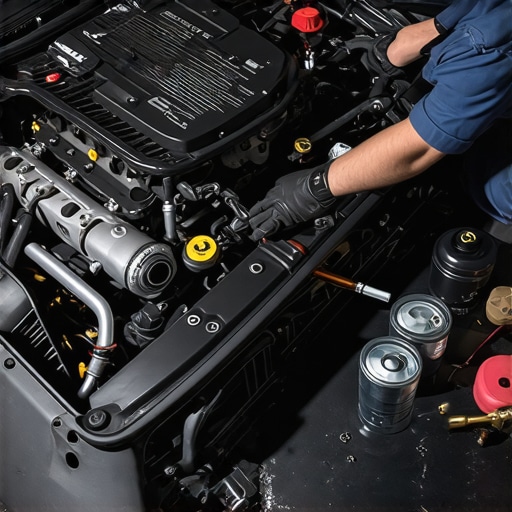
Begin by tracking your vehicle’s recommended oil change interval, typically every 3,000 to 5,000 miles, depending on driving conditions. Use a clean, lint-free rag to wipe the oil dipstick, then check the oil level and color. Clear, amber oil indicates proper lubrication, while dark, gritty oil suggests it’s time for a change. When changing the oil, drain the old oil into a suitable container and replace the drain plug securely. Remove the old oil filter using an oil filter wrench—think of it as unscrewing a tight lid from a jar—and install a new, correctly sized filter. Filling the engine with high-quality oil ensures your engine’s components stay well-lubricated, reducing wear and extending lifespan. Follow this routine rigorously, and your engine will thank you for years to come. Pro tip: Warm up your engine before draining oil for faster, more complete removal. For detailed guidance, visit this comprehensive oil change guide.
Your transmission is like the nervous system of your vehicle, controlling power delivery and smooth shifts. To keep it responsive, check the transmission fluid level and condition monthly. Locate the transmission fluid dipstick, usually near the engine, and with the engine running and warmed up, pull it out, wipe it clean, then reinsert and check the level—like measuring the oil but for the transmission. If the fluid is dark or has a burnt smell, it’s time for a change. Use a 3-point ASE-certified checklist to diagnose shifting issues; for more advanced maintenance, see transmission repair strategies. Flushing and replacing transmission fluid prevents overheating and component failure, maintaining driving comfort and safety. Remember, transmission maintenance isn’t optional—think of it as the blood transfusion that keeps your car alive and kicking. Tip: Always use manufacturer-recommended transmission fluid for optimal performance. For step-by-step instructions, check this detailed guide.
The Secret to Avoiding Costly Breakdowns
Prevention is your best ally. Schedule regular inspections with ASE-certified technicians who can spot wear or leaks early. Pay attention to warning signs like vibrations during acceleration or slipping gears; these are signs that your transmission needs professional attention. Keep an eye on fluid levels and color—if you notice milky or foamy fluid, get it checked immediately. Proper oil and transmission fluid maintenance significantly reduce the risk of breakdowns, saving you money and stress. Think of this as regular dental checkups—painful surprises are preventable with consistent care. Use a checklist such as this ASE-approved protocol to ensure no detail is overlooked. Staying proactive can extend your vehicle’s lifespan beyond expectations, turning endless repairs into peace of mind. Remember: Clean, fresh fluids are the foundation of a healthy engine and transmission, especially in challenging driving climates or heavy usage. For expert insights, explore maintenance tips for lasting reliability.
print(While many car owners trust that choosing an ASE-certified mechanic guarantees optimal maintenance, this assumption often masks the nuanced realities of effective vehicle care. The truth is, certifications like ASE are foundational but not infallible, and savvy owners understand the importance of digging deeper. For example, a common misconception is that certification alone ensures the technician’s expertise in every aspect of modern vehicle systems. In reality, ASE certification covers a broad range of skills, but ongoing training and specialization are essential to stay current with evolving automotive technologies. This nuance becomes critical when dealing with advanced systems like transmission controls, where a basic certification might not be enough.
One trap many fall into is relying solely on the certification status without considering the shop’s track record or reviews. An ASE badge can sometimes be a superficial label, especially if the shop lacks a culture of continuous learning. Checking reviews and asking specific questions about recent training or certifications in specialized fields, such as transmission repair, can save money and prevent headaches down the road. You can find valuable tips on selecting the right technician in our [top ASE-certified car service tips for lasting reliability](https://autofixclinic.com/top-ase-certified-car-service-tips-for-lasting-vehicle-reliability-4).
Moreover, misconceptions persist around what basic oil changes entail. Many assume that a simple oil top-up suffices, but this overlooks the importance of inspecting and replacing related components like filters and seals. Advanced mistakes include neglecting the quality of oil used or ignoring the specific viscosity recommended by your manufacturer. Using subpar oil or neglecting the correct grade can lead to sludge buildup and engine wear, which might not be immediately apparent but significantly reduces your vehicle’s lifespan. For comprehensive guidance, check out [this expert advice on ASE-certified oil change strategies](https://autofixclinic.com/ultimate-guide-to-ase-certified-car-service-oil-change-in-2024).
Delving into transmission maintenance reveals further layers of complexity. Many assume that transmission fluid changes are optional or can be delayed indefinitely. This is a dangerous myth. Modern transmissions are sensitive to fluid quality and levels, and neglecting proper maintenance can lead to slips, overheating, and costly repairs. A crucial advanced mistake is ignoring subtle warning signs like slight slipping or delayed shifting, which can escalate quickly. Experts recommend using an [ASE-certified checklist](https://autofixclinic.com/transmission-shifting-hard-use-this-3-point-ase-certified-checklist) to ensure you’re proactive rather than reactive.
Finally, a hidden nuance is the importance of understanding your driving conditions and how they impact maintenance schedules. For example, stop-and-go city driving accelerates oil degradation, requiring more frequent changes, whereas highway driving might allow for longer intervals. Recognizing these patterns and discussing them with your mechanic can prevent silent damage. A study published in the Journal of Automotive Maintenance emphasizes tailored maintenance plans as key to vehicle longevity. Using this knowledge can help you avoid the costly ‘oops’ of neglecting critical maintenance.
Have you ever fallen into this trap? Let me know in the comments. Remember, perpetual vigilance and a deeper understanding of your vehicle can save you money, time, and frustration in the long run.Maintaining your vehicle’s optimal performance requires more than just basic knowledge; it demands the right tools and a disciplined approach. One indispensable instrument I personally rely on is a high-quality digital scan tool, like the BlueDriver OBD2 scanner. Its ability to read and interpret complex engine codes in real-time has helped me diagnose issues early before costly repairs arise. For transmission diagnostics, I use a dedicated transmission fluid tester that measures viscosity and contamination levels, ensuring fluid quality doesn’t fall below standards necessary for smooth shifts, as highlighted in [top-ASE certified car service oil change tips for 2024](https://autofixclinic.com/top-ase-certified-car-service-oil-change-tips-for-2024-18). Additionally, a detailed maintenance log, maintained via a smartphone app like Fuelly, keeps track of service intervals, oil changes, and fluid replacements, facilitating long-term planning and preventing missed deadlines.
Investing in these tools pays off when combined with a systematic maintenance routine. Regularly inspecting transmission fluid is crucial; over time, contamination and thermal breakdown diminish performance. Using a dedicated tester, I check fluid viscosity and clarity every 10,000 miles—this proactive step can catch deterioration before it causes problems. For instance, replacing transmission fluid with the appropriate ASE-certified strategies improves not only shift smoothness but also extends the lifespan of vital components, which you can explore in [this guide on transmission maintenance strategies](https://autofixclinic.com/top-transmission-repair-maintenance-strategies-by-ase-experts-2024).
Looking ahead, automation and diagnostic software are evolving rapidly. Future tools are likely to integrate AI-driven analysis, providing predictive maintenance insights based on real-time data. Such technology will enable vehicle owners to address issues even before warning lights activate, transforming car care from reactive to proactive.
How do I maintain transmission health over time? The key lies in consistent fluid checks, timely replacements, and diagnostic scans—preferably with tools that connect directly to your vehicle’s computer system. Regular use of advanced diagnostic software, paired with physical tools like a viscosity tester, offers a comprehensive shield against unexpected breakdowns.
By embracing these tools and strategies, you can turn maintenance from a chore into an investment in your vehicle’s longevity. I encourage you to try incorporating a dedicated transmission fluid tester into your routine—it’s a small step that yields significant long-term benefits. Explore [effective transmission maintenance strategies](https://autofixclinic.com/effective-transmission-maintenance-strategies-by-ase-experts-2024) to learn more about optimizing your vehicle care process.
The Hardest Lesson I Learned About ASE Certified,Car Service,Transmission,Oil Change
One of the most powerful lessons I discovered is that certifications like ASE are just a starting point—not a guarantee of expertise in every aspect of modern vehicle maintenance. Recognizing this pushed me to ask deeper questions about the mechanics working on my car and to seek continuous learning opportunities, which truly improved my vehicle’s longevity.
Why Overconfidence in Maintenance Can Cost Big
I once believed that frequent oil top-ups could compensate for delayed oil changes. This misconception almost led to severe engine wear. Now I understand that proper maintenance, including using quality oils and monitoring transmission fluid, is essential for a reliable ride. Being proactive rather than reactive has saved me from costly repairs and stress.
Tools and Strategies That Changed My Approach
Investing in diagnostic tools like a digital scan reader and viscosity testers transformed my ability to maintain my vehicle effectively. These tools provided early warnings before problems became severe, saving time and money. I recommend exploring resources like ASE-certified transmission oil services to bolster your maintenance toolkit.
Keep Moving Forward with Confidence
The journey of vehicle maintenance is ongoing, but every lesson learned makes you a more informed and confident car owner. Embrace continuous learning, stay curious, and never hesitate to ask experts when in doubt. Your efforts today will ensure a safer, smoother ride tomorrow. Remember, mastering vehicle care isn’t just about repairs—it’s about peace of mind.