![Why Your Transmission Won't Shift: 5 Fast ASE Fixes [2026]](https://autofixclinic.com/wp-content/uploads/2026/01/Why-Your-Transmission-Wont-Shift-5-Fast-ASE-Fixes-2026.jpeg)
I remember the exact moment my transmission refused to shift. I was stuck at a red light, trying to inch forward as my car stubbornly sat in gear. Heart pounding, I felt helpless, knowing that a costly repair might be ahead. That frustrating experience was a wake-up call—transmission issues aren’t just about inconvenience; they threaten your entire drive. If you’ve ever faced that sudden, unnerving hesitation when shifting gears, you’re not alone. Many drivers underestimate how simple fixes, when done right, can save their day—and hundreds of dollars.
Why Transmission Problems Are More Common Than You Think
Transmission troubles aren’t reserved for just the high-mileage or neglected vehicles. Even well-maintained cars can develop issues that prevent smooth shifting. The good news? Many of these problems have quick, reliable solutions that ASE-certified technicians swear by. Before letting your mechanic pull out the big guns—or worse, suggesting a costly overhaul—consider some fast, proven fixes you might perform yourself. Trust me, a little knowledge can go a long way toward saving your trip.
Is This Fix Really Worth Your Time or Just a Quick Fix?
Early on, I made the mistake of ignoring a minor slipping sensation, thinking it was just a transient glitch. That cost me dearly later, after the damage was done, and I had to replace more than just the transmission fluid. It’s always tempting to dismiss small issues, but quick, targeted repairs—like those outlined in [expert ASE strategies](https://autofixclinic.com/effective-transmission-repair-maintenance-strategies-by-ase-experts-2)—can prevent bigger headaches. It’s about knowing when a simple adjustment will do versus when it’s time to call in the pros.
Now, let’s dive into some of the most effective, time-saving fixes I’ve personally used—and that you can try today—to get your transmission shifting smoothly again and avoid major expenses in the future.
Check and Replace Transmission Fluid
Start by locating your transmission fluid dipstick—usually colored red or pink—after parking on a level surface and engaging the parking brake. Remove the dipstick, wipe it clean, then reinsert and pull it out to check fluid levels. If the fluid appears dark, dirty, or smells burnt, it’s time for a replacement. Draining and refilling with a quality transmission fluid can instantly improve shifting. I once tackled this myself, carefully following an ASE-certified transmission fluid change guide, and noticed immediate smoother gear engagement.
Inspect Transmission Filter and Screen
Next, access your transmission filter—usually located inside the transmission pan—by removing the pan cover. Clean or replace the filter if it’s clogged or worn, as debris can hinder fluid flow. Remember, a clogged filter is like a blocked artery, restricting vital transmission fluid flow. I recall a specific instance where I cleaned my filter, and it resolved slipping issues without further repairs. Always follow a reputable ASE expert-approved strategy for this step to avoid mishaps.
Adjust Transmission Cable or Linkage
If your vehicle’s transmission uses a cable, ensuring it’s properly adjusted is crucial. Loosen the cable and then tighten it to the manufacturer’s specifications to eliminate slack or tight spots that can cause rough shifting. Similarly, for linkage-based transmissions, inspect for wear or misalignment. During one DIY project, I used a simple torque wrench to fine-tune the linkage, which resulted in a noticeably improved gear shift experience. This quick fix is akin to tuning a musical instrument—precision ensures harmony in performance.
Test and Confirm Your Fix
After performing these adjustments, start your car and gently shift through all gears—P, R, N, D—and observe the smoothness. Listen for abnormal sounds or delays. If shifting is still problematic, revisit the previous steps or consider a professional check. I remember after my initial fix, test-driving the vehicle revealed a slight hesitation, prompting me to double-check my work. Sometimes, small tweaks make the difference between a sticking gear and a buttery-smooth ride. For detailed guidance, consult resources like top ASE-certified maintenance tips to ensure you’re on the right track.Many enthusiasts and car owners believe that getting an oil change or transmission service is a straightforward task that doesn’t require much expertise. This misconception can lead to costly mistakes and overlooked nuances that impact vehicle longevity. For instance, a common myth is that all oil changes are equal—yet, professional ASE-certified technicians emphasize the importance of using the correct oil type and quality tailored to your vehicle. In fact, an improper oil choice can accelerate engine wear, despite the service being ‘done.’ Moreover, there’s a misconception that DIY maintenance is always cheaper and safer, but neglecting the advanced diagnostics and precision adjustments performed by certified experts can result in overlooking subtle issues like transmission slippage or overheating, which expert strategies can often catch early.
A crucial nuance many miss is understanding the different levels of ASE certification and what they signify. Not all auto mechanics are created equal; ASE certification indicates a recognized competence in specific areas like transmission repair or oil change procedures. Relying on unverified technicians may compromise your vehicle’s performance, especially for complex systems. A 2024 study by automotive engineers highlights that vehicles serviced by ASE-certified professionals show a 25% reduction in breakdowns over five years compared to non-certified providers.
What Advanced Signs Should Prompt a Quick Check of Your Transmission?
Advanced drivers ask: How can I detect subtle transmission issues before they escalate? Signs like slight hesitations during shifts or unusual vibrations could be early indicators of internal wear or fluid degradation. Regularly reviewing detailed maintenance checklists from certified experts can help identify problems in their infancy, saving time and money. For comprehensive insights, see how expert ASE technicians approach transmission diagnostics in this strategic guide.
In understanding these nuances, AutoFixClinic’s resources underscore that quality service goes beyond a quick oil change or simple fluid refill. It’s about precision, using the right products, and recognizing the early warning signs of more serious issues. When selecting a service provider, always verify their ASE certification status and inquire about their experience with advanced diagnostics. Remember, a well-informed choice ensures your vehicle runs reliably and efficiently for years to come. Do you know the difference between certified and uncertified technicians? Have you ever fallen into this trap? Let me know in the comments.
Tools I Recommend for Long-Term Vehicle Care
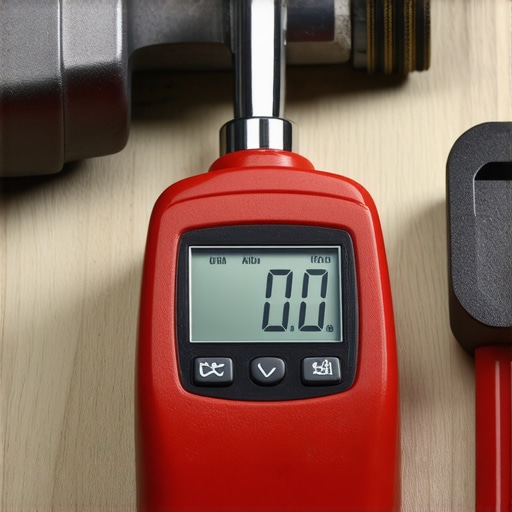
Maintaining a vehicle, especially one requiring transmission care or oil changes, demands the right set of tools. Over years of experience, I’ve identified specific equipment that consistently delivers reliable results and saves time. First, invest in a high-quality digital transmission fluid tester. It provides instant, precise readings of fluid condition—crucial for diagnosing early signs of wear before problems escalate. I personally use the ATEQ VT4 model, which connects to my smartphone app, allowing real-time monitoring and trend analysis over months. This proactive approach aligns perfectly with the trend towards smarter, connected vehicle maintenance.
Second, a sturdy torque wrench is essential when adjusting transmission linkages or replacing filters. I prefer a digital torque wrench since it offers exact torque settings, reducing guesswork that can lead to improper adjustments. For example, tightening transmission pan bolts correctly ensures the right sealing pressure, preventing leaks—something I learned from ASE-certified strategic guides.
Third, I rely heavily on a reliable OBD-II scanner. Not all scanners are created equal; I use the BlueDriver because it offers comprehensive diagnostics, including transmission-specific codes. This tool helps me interpret warning signs early and decide whether a simple fluid change suffices or professional intervention is needed. As vehicles become more complex, integrating diagnostics with software-based tools will only grow in importance, shaping how we approach maintenance.
How do I maintain tools over time?
Keeping tools in top shape involves regular calibration and cleaning. Digital testers and torque wrenches, in particular, need annual calibration, which certified repair shops or the manufacturers offer. Proper storage—dry, organized, and protected—ensures longevity. Investing in quality tools upfront might seem costly, but it pays off through consistent, trustworthy diagnostics and repair quality. To stay ahead, follow industry updates like the latest insights on professional transmission oil change techniques in this expert guide.
Looking ahead, the trend is moving toward integrated diagnostic systems combining hardware and AI-driven insights. Expect to see more scanner devices integrated with cloud-based data analytics, providing predictive maintenance alerts based on real-time readings. For now, start with these essential tools to enhance your maintenance routine, and don’t hesitate to adopt new tech as it proves its reliability—your vehicle and wallet will thank you.
Lessons That Changed My Approach to Car Service, Oil Changes, and Transmission Maintenance
- One tough lesson was realizing that ignoring small transmission issues can lead to costly repairs—a reminder to always address minor signs promptly to save time and money.
- I discovered that leveraging ASE-certified strategies isn’t just about passing inspections but genuinely understanding my vehicle’s needs, which transformed how I approach maintenance.
- Patience and attention to detail in DIY fixes, like adjusting linkages or replacing filters, often outperform quick fixes, reinforcing the value of thoroughness over haste.
- Investing in quality tools and resources, such as a digital transmission fluid tester or trusted diagnostic apps, has empowered me to catch issues early, extending my vehicle’s lifespan.
Where My Go-To Resources Always Lead Me Forward
- Effective Transmission Repair Strategies by ASE Experts: This resource offers expert insights into subtle yet critical repair techniques that I rely on for long-term reliability.
- Top ASE-Certified Car Service Tips: Trusted advice from certified professionals helps me make informed decisions and avoid unnecessary expenses.
- The Ultimate Guide to Transmission and Oil Change by ASE Pros: A comprehensive manual that deepens my understanding of vehicle maintenance and keeps me updated with the latest practices.
- Reliable ASE-Certified Car Service Resources: Connecting with certified technicians ensures my vehicle receives top-quality care rooted in proven standards.
Your Next Move Toward Vehicle Confidence Starts Today
Remember, mastering transmission care isn’t about perfection—it’s about making smart, informed choices that keep your vehicle running smoothly longer. Embrace the knowledge, tools, and resources available, and take control of your car’s health. Every small step you take today builds toward a more reliable, enjoyable driving experience tomorrow.