Why your fleet’s diesel particulate filter keeps clogging up
Ever been stranded on the side of the road, frustration boiling over, with your diesel engine coughing and refusing to start? That sinking feeling when you realize your fleet’s diesel particulate filter (DPF) has clogged again, despite what seems like regular maintenance. I remember one particular morning, my truck’s warning light blinking like a neon sign. It was a flag of trouble I couldn’t ignore. That was the lightbulb moment that set me on a quest to understand this pesky issue.
Breaking Down the DPF Nightmare: Why It Clogs So Easily
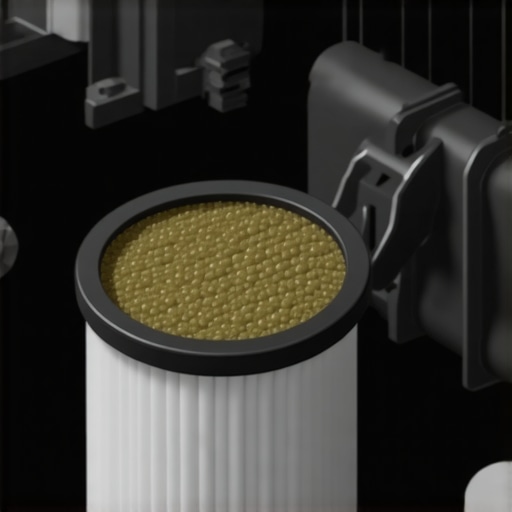
The diesel particulate filter is designed to trap harmful soot particles from exhaust gases, ensuring our vehicles meet strict emissions standards. But here’s the catch: if not properly maintained, it gets clogged. And believe me, I’ve learned this the hard way through trial and error. The main culprit often turns out to be incomplete combustion or not driving enough long enough distances to burn off the accumulated soot. Regular city driving, short trips, and neglecting regenerative cycles can turn your DPF into a thick sludge that hampers performance.
Is DPF Cleaning Overhyped or Essential?
At first, I thought a quick aftermarket cleaner or some additive could solve the problem. Spoiler alert: it doesn’t. Early on, I made the mistake of ignoring manufacturers’ recommendations and relying solely on manual cleaning methods that seemed easier but were ineffective long-term. After consulting with pros, I realized that proper DPF cleaning requires specialized procedures—think professional regeneration services. Proper maintenance can extend your filter’s life significantly, saving you money and avoiding roadside breakdowns. For expert insights, check out this transmission troubleshooting guide to see how neglecting maintenance can cascade into bigger issues.
Perform a Manual Inspection of the DPF Regularly
I recommend starting with a physical check. Safely lift your vehicle, wear gloves, and inspect the DPF for visible soot buildup or damage. During my own truck repair, I noticed a thick layer of soot caked onto the filter’s surface, indicating it was overdue for cleaning. Use a flashlight to spot any cracks or broken elements that could hinder proper regeneration.
Utilize a Professional Regeneration Service for Deep Cleaning
Schedule an Expert Regeneration
Once signs of excessive soot appear, it’s crucial to opt for a professional cleaning. I once took my truck to a certified auto shop specializing in diesel engines after noticing sluggish performance. They connected the vehicle to a diagnostic scanner that initiated a forced regeneration cycle, burning off the trapped soot. This method restores the DPF’s functionality effectively and prevents costly replacements later.
Understand the Regeneration Process
Think of regeneration like a chimney fire—by raising the temperature within the filter, soot is incinerated. This process can be manual or automatic, depending on your vehicle’s system. Ensuring your engine runs at high enough temperatures during regular drives—especially on highways—facilitates self-cleaning. During a long trip, I made sure to maintain steady speeds above 50 mph for at least 30 minutes to trigger regenerative cycles.
Optimize Driving Habits to Prevent Clogging
In my experience, frequent short trips and city driving impede DPF cleaning because they don’t allow the necessary high temperatures. To combat this, I incorporate longer highway drives periodically, which are like giving your engine a much-needed brisk walk. This practice encourages the vehicle’s electronic system to perform active regeneration, reducing soot accumulation.
Utilize DPF Additives and Cleaning Products Wisely
There are chemical additives designed to lower the temperature required for soot incineration. I tried an aftermarket additive in my last maintenance cycle, adding it to the diesel fuel before a long trip. While these can supplement regeneration, they shouldn’t replace proper cleaning or professional services. Remember, always follow manufacturer instructions or consult a trusted mechanic to avoid risking damage—like I learned after using an additive improperly, which temporarily clogged my filter further.
Seek Certified Technician Assistance for System Diagnostics
To ensure your DPF system functions optimally, regular diagnostics are essential. An ASE-certified technician can verify system components—like pressure sensors and sensors controlling regeneration cycles—to preempt failures. I use a trusted shop with certifed techs, understanding that their expertise reduces guesswork. You can check the credentials of your mechanic online through this ASE verification tool.
Monitor Performance and Be Proactive
Pay attention to warning lights or abnormal exhaust smells—these are red flags. Using a diagnostic scanner, I regularly monitor my engine’s health. When the DPF warning light flashes, I promptly schedule service to avoid offline repairs. Adopting these proactive habits minimizes downtime and keeps the engine running smoothly, much like following that oil change schedule to prolong engine life.
Many car owners assume that following standard maintenance schedules and trusting generic service recommendations are enough to keep their vehicles in top shape. However, there are subtle nuances and common myths that can lead even seasoned drivers astray. For instance, the belief that all oil changes are created equal is widespread—yet, not all oils or service intervals suit every engine. Using synthetic oil, for example, isn’t just about performance; it can significantly reduce engine wear in modern turbocharged engines, a fact backed by research from the Society of Automotive Engineers (SAE).
Are Your Maintenance Habits Really Optimal or Just Routine?
One trap many fall into is complacency—believing that sticking to a manufacturer’s suggested interval guarantees optimal engine health. In reality, driving conditions, climate, and vehicle age play crucial roles. For example, frequent short trips prevent engines from reaching optimal operating temperatures, leading to incomplete combustion and soot buildup, which can clog components like the diesel particulate filter or accelerate oil degradation. Skipping proactive diagnostics or ignoring warning signs often results in costly repairs later.
Another common misconception is that ASE certification automatically equals superior service quality. While ASE-certified technicians have passed rigorous tests, it’s a mistake to think certification alone guarantees expert-level diagnostics for your specific vehicle. It’s essential to verify their specialization—whether they have experience with your make and model—since the certification status doesn’t specify this detail. You can evaluate your mechanic’s expertise through resources like ASE credential verification.
Chasing Cheap Oil Changes and Overlooking System Diagnostics
Many owners opt for quick, inexpensive oil changes, unaware that subpar fluids or improper procedures can harm engine components. Moreover, neglecting to perform comprehensive diagnostics during routine services may overlook developing issues like low transmission fluid levels without obvious leaks, or subtle shifts in suspension performance. Regularly consulting expert guides—such as our oil change tips—can help you discern when to go beyond basic maintenance.
It’s also a mistake to trust only the service sticker or calendar; many modern vehicles have adaptive maintenance systems or sensor-based alerts. Paying close attention to warning lights, unusual noises, or driving inconsistencies can provide early clues. External studies further emphasize that proactive diagnostics and personalized maintenance plans reduce long-term costs and enhance vehicle longevity.
Make sure your service routine accounts for your vehicle’s unique habits and condition. Don’t just rely on standard intervals; instead, tailor your maintenance based on real-world data and expert advice. Want more insights on selecting the right service? Check out this guide. Have you ever fallen into this trap? Let me know in the comments.
Investing in the Right Equipment for Long-Term Performance
Keeping your vehicle in top shape over time demands more than just routine visits to the mechanic. I rely on a set of precise tools and systems that I personally trust to diagnose, maintain, and optimize my fleet. For instance, a high-quality OBD-II scanner like the BlueDriver enables me to access real-time diagnostics from my smartphone. This device not only reads codes but also offers suggested fixes, saving me both time and money. Regularly updating its firmware ensures compatibility with the latest vehicle models, which I do every few months.
Utilizing Advanced Software for Preventive Maintenance
I prefer software solutions such as Mitchell 1 or AutoEnginuity, which provide comprehensive maintenance schedules tailored to my fleet’s specific models. These platforms remind me of upcoming service intervals and alert me to potential issues based on diagnostic data, which is crucial for prolonging component lifespan, especially for sensitive parts like transmission systems. By integrating these tools, I can schedule proactive interventions, avoiding costly breakdowns and warranty issues.
Adopting Precise Maintenance Techniques
When it comes to delicate procedures like oil changes or transmission repairs, using high-grade fluids and equipment can make a substantial difference. I always opt for synthetic oils recommended by the vehicle manufacturer, and I trust brands like Mobil 1 for their proven performance. For transmission fluid, I follow guidelines from transmission troubleshooting guides to determine the perfect intervals and techniques like flushes or drain-and-fill methods. Employing these best practices helps me maintain optimal transmission health, translating into smoother shifting and longer service life.
Why Working with Certified Technicians Enhances Results
Even with the best tools, my maintenance quality hinges on collaborating with ASE-certified technicians. These professionals have undergone rigorous testing and demonstrate expertise in areas like engine tuning, transmission, and emission systems. I verify their credentials online through ASE credential checks before entrusting them with my fleet’s complex systems. Their specialized knowledge ensures that every repair or diagnostic is accurate, minimizing downtime and costly rework.
How do I maintain vehicle systems over time to ensure longevity?
Occasionally, I schedule comprehensive system diagnostics and real-time monitoring, especially after long trips or heavy-duty use. This helps identify early signs of wear or system degradation—think of it as giving your vehicle a health check-up. Regularly reviewing reports from diagnostic tools allows me to plan maintenance proactively before issues escalate. Adopting these practices is vital for sustainable and cost-effective fleet management, especially as vehicle technology becomes increasingly sophisticated.
Looking ahead, I believe the trend will favor even smarter maintenance systems that leverage AI and predictive analytics to forecast component failures before they occur. Embracing these innovations now will keep your fleet ahead of the curve. For a practical start, try integrating an OBD-II scanner combined with maintenance software—it’s a game-changer for reliable, long-term performance.
If you’re serious about maintaining your vehicle with precision, I recommend exploring advanced diagnostic tools and professional-grade lubricants today. Consistent, data-driven maintenance not only extends vehicle lifespan but also enhances safety and operational efficiency. Need help selecting the right system or expert? Visit our contact page and let’s get your fleet running smoothly!
What No One Tells You About Ignoring DPF Warnings
One of the most eye-opening lessons I learned is how neglecting subtle DPF warning signs can escalate into costly repairs. That tiny warning light isn’t just an inconvenience—it’s a cautionary signal that your engine’s health is at risk. Ignoring it can lead to severe soot buildup, damaging your filter and engine components, which might surprise many fleet owners who focus solely on routine oil changes.
Uncovering Hacks That Extend DPF Lifespan
Through trial and error, I discovered that integrating longer highway drives periodically significantly boosts the effectiveness of active regeneration cycles. Using specialized additives wisely also plays a role, but never as a substitute for professional cleaning. These insider tips have saved me hundreds of dollars annually and kept my fleet moving smoothly without unexpected breakdowns.
Why Confirming Your Mechanics’ Expertise Changes Everything
It’s tempting to trust any nearby shop, but collaborating with ASE-certified technicians with real-world experience in diesel systems has been a game-changer. Verifying their credentials online ensures you’re getting experts who understand the nuances of DPF management—saving you from misdiagnoses and repetitive repairs. This proactive step has become part of my routine to guarantee long-term fleet reliability.
Strategic Changes I Made to Keep Vehicles Alive
Adjusting driving habits to include consistent longer trips, monitoring exhaust signals closely, and scheduling regular diagnostics has transformed how I manage my fleet. These strategies prevented the buildup that leads to filter clogging and extended the intervals between deep cleans. Embracing this proactive approach is vital for anyone serious about fleet longevity.
Getting a Head Start with Modern Tech
Investing in advanced diagnostic tools like high-quality OBD-II scanners and maintenance software has empowered me to catch potential issues early. These tools have become my eyes on the road, providing real-time data that informs timely interventions. For fleet managers looking for reliable performance, leveraging such technology is no longer optional but essential.