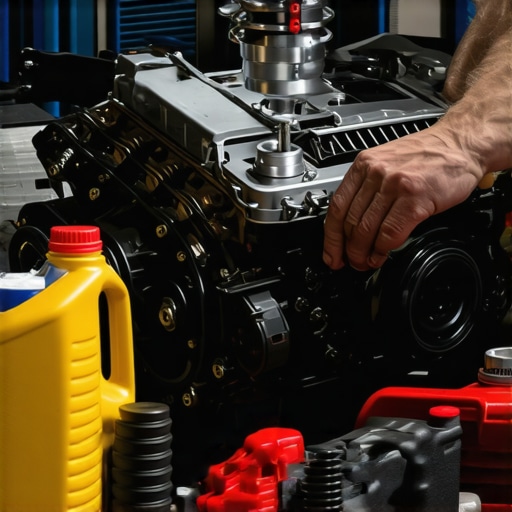
Ever had that gut-wrenching feeling when you open your hood and realize—your latest DIY oil change was a total flop? Maybe you thought swapping out the oil and filter was a straightforward job, only to find yourself stuck with a stubborn engine warning or, worse, a costly repair. That first attempt, I still remember it well; it was frustrating and eye-opening. I dove into what I thought was a simple maintenance task, but my high-tech 2026 engine had other plans.
How Modern Car Tech Makes DIY Oil Changes a Minefield
In recent years, car manufacturers have packed their engines with sensors, delicate electronics, and advanced materials. All these innovations aim to deliver better fuel efficiency, enhanced performance, and longer-lasting engines. But they come with a hidden downside—more complex maintenance procedures. Unlike older vehicles, your 2026 high-tech engine can trip sensors or trigger codes if not handled precisely during oil changes, leading to failures or damage that seemed impossible a decade ago.
Personal experience taught me that a failed DIY oil change isn’t just about a dirty filter or old oil. It’s about risking your engine’s health and your wallet. After wasting time and money on mistakes, I realized I needed proper strategies, certified techniques, and the right tools to survive this tech-driven landscape. If you’re like me—someone who refuses to skip regular maintenance but aims to do it right—you’re in the right spot. Today, I’ll walk you through common pitfalls and essential tips to ensure your next oil change doesn’t turn into a mechanical nightmare.
Are You Making These Rookie Oil Change Mistakes?
Before we dive into the solutions, I want to share a mistake I made early on—trusting old habits and ignoring manufacturer-specific procedures. This oversight cost me dearly when sensors went haywire, and I had to call in a professional. To avoid the same, I recommend checking out expert-based advice on effective maintenance strategies by ASE-certified pros. Understanding exactly what your engine needs can save you from costly repairs and ensure your DIY efforts are truly effective.
In the next sections, I’ll unravel the core reasons DIY oil changes go wrong on these high-tech engines and help you develop a foolproof approach. Ready to keep your engine running smoothly and confidently? Let’s get started!
,
Prepare Your Tools and Workspace
Start by gathering all necessary tools: a certified-grade oil filter wrench, a drain pan, a funnel, a clean cloth, and the correct synthetic oil specified for your 2026 model. Set up your workspace in a well-ventilated area with good lighting. Securing your tools in advance prevents mid-job scrambles that can lead to mistakes, especially with high-tech engines that demand precision. I once worked under a shady carport where I overlooked this step; an unexpected gust knocked over my oil container, causing a mess and delays. Learning from that, I now double-check my setup.
Drain Old Oil Correctly
Loosen the Drain Plug
Position your drain pan beneath the oil pan’s drain plug. Use the certified oil filter wrench to turn counter-clockwise; avoid forced turns to prevent stripping the plug head. Modern engines may have aluminum drain plugs—be gentle to prevent damage. Remember, draining oil is like letting the engine Even seasoned car enthusiasts often cling to misconceptions about transmission care and oil changes that can lead to costly mistakes. One prevalent myth is that using any generic transmission fluid suffices; however, modern vehicles, especially those with complex transmission systems, demand precisely formulated fluids. Relying on generic options without verifying manufacturer specifications can accelerate wear or cause slipping issues. According to ASE-certified professionals, adhering to manufacturer-recommended fluids and service intervals is crucial for longevity.
Are You Overlooking These Critical Nuances in Maintenance?
Many owners assume that regular oil changes and transmission services are enough, but the hidden nuance lies in the quality of service and technician expertise. For example, improper drainage, failure to replace filter components, or neglecting to clear diagnostic codes can undermine maintenance efforts. Professional ASE-certified service providers emphasize the importance of expert diagnostics and proper procedures—details often missed by DIYers—that ensure vehicle reliability. Studies have shown that high-tech transmissions, like CVTs and dual-clutch systems, require specific maintenance protocols to prevent jitter, overheating, or failure, which are frequently overlooked. Visiting trusted sources such as these ASE-certified strategies can make a significant difference. Don’t fall into the trap of assuming a quick, low-cost fix is sufficient; instead, invest in expert advice and quality parts for lasting performance. Have you ever fallen into this trap? Let me know in the comments.
Tools That Keep Your Car Running Smoothly
Investing in the right tools transforms a daunting DIY task into a manageable routine, especially with the sophisticated vehicles of 2026. I personally swear by a high-quality, digital torque wrench for tightening drain plugs and filters—it ensures precise torque levels that prevent stripping or under-tightening, crucial for modern aluminum components. The ultimate transmission maintenance guide emphasizes that accuracy in torque application is vital for prolonging component life.
Additionally, I rely on a professional-grade oil filter scanner app compatible with my smartphone. This software allows me to verify that the filter installation is sealed correctly and the sensors are communicating properly — an often-overlooked step that can cause issues down the road. As vehicle electronics become more integrated, using diagnostic tools like an OBD-II scanner is no longer optional but essential. It helps in early detection of codes related to transmission or engine issues, enabling preemptive maintenance rather than costly repairs.
Long-Term Maintenance Strategies
Consistent checkups are the backbone of reliability. I schedule quarterly inspections utilizing a multimeter to monitor battery health and a specialized transmission fluid tester to confirm fluid stability. Not only does this proactive approach catch problems early, but it also minimizes downtime and repair costs. For transmission fluid, I stick strictly to manufacturer-recommended specifications, and I schedule fluid changes based on expert advice from ASE-certified professionals.
How do I maintain my transmission over time?
Regular fluid checks combined with the use of diagnostic scan tools ensure my transmission stays responsive and healthy. Advanced techniques, like cold climate testing of transmission response and sensor calibration, are recommended to adapt to the evolving vehicle technology. In the future, expect integrated software to continually monitor component wear via AI-based diagnostics, making maintenance more predictive than reactive.
Implementing a comprehensive maintenance plan with precise tools not only preserves your vehicle’s performance but also boosts its resale value. I highly recommend trying out a professional-grade transmission fluid tester — a small step that can significantly extend your transmission’s lifespan and save you money in the long run. For a detailed breakdown of the latest tools and strategy updates, check out the latest ASE-certified maintenance strategies. Don’t overlook small details; they’re the key to sustained vehicle health and performance.
The Hardest Lesson I Learned About Transmission, ASE Certified, Car Service, Oil Change
One personal revelation was realizing that high-tech engines require more than just routine maintenance; they demand respect for their complexity. Ignoring manufacturer-specific procedures and relying on old habits almost cost me a pricey transmission rebuild. Now I know that staying informed, especially by consulting resources like ASE-certified strategies, is essential for safeguarding your vehicle’s longevity.
Why DIY Can Be Risky Without the Right Knowledge
My second insight is that even a small oversight in oil changes can trigger engine sensors and electronic warnings, especially in 2026 models stuffed with sensors and electronics. It underscored the importance of using proper tools, precise torque, and following detailed guides, such as comprehensive transmission maintenance guides.
Trust the Experts, but Don’t Dismiss Your Instincts
While professional advice is invaluable—check out these expert tips—I’ve learned to stay engaged during every step of the maintenance process. Understanding your vehicle’s specific needs makes a difference, especially with complex systems; it’s a partnership, not just DIY or dealership.
My Takeaway for Future-Proof Maintenance
Ultimately, integrating reliable tools like a digital torque wrench and diagnostic scanner has empowered me to perform accurate, safe oil changes and transmission checks. These investments pay off by extending component life and avoiding costly failures. For those interested, I recommend exploring trusted ASE-certified tools and strategies that can elevate your maintenance game.
Keep Learning, Keep Protecting Your Ride
Your vehicle’s transmission and engine are sophisticated systems that deserve attentive care. The lessons I’ve shared are just the beginning; continuous learning and adopting best practices will safeguard your investment and deliver peace of mind every time you turn the key.
Your Next Move for Confidence on the Road
Are you ready to embrace these insights and take control of your vehicle’s health? Sharing your experiences or questions below can help build our community of informed car owners—so, what’s your biggest challenge when it comes to maintenance?