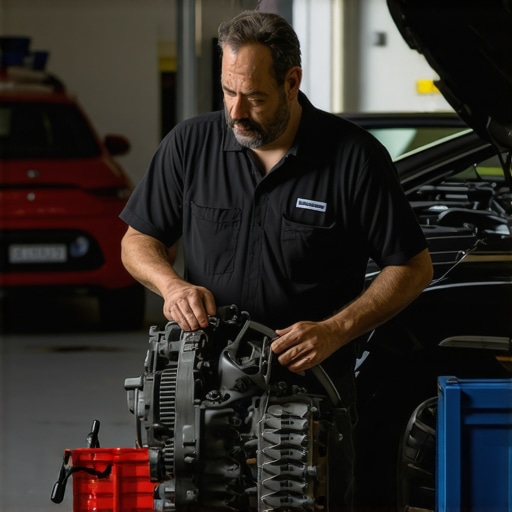
It was a chilly morning when I realized my car was acting up during a routine drive. Shifting gears felt rough, and that sinking feeling hit me—had I overlooked something crucial? Like many vehicle owners, I had underestimated the importance of proper transmission maintenance until a sudden hesitation or slipping could no longer be ignored. That lightbulb moment made me dive deep into the world of transmission care, and let me tell you, the difference it makes is astounding.
Why Proper Transmission Care Is the Secret to Your Car’s Longevity
In my early years of car ownership, I believed that regular oil changes were enough to keep things running smoothly. But I soon discovered that transmissions are a whole other story. A well-maintained transmission not only ensures your vehicle shifts effortlessly but also prevents costly repairs down the road. Given that transmission issues account for nearly 20% of vehicle problems, as highlighted by ASE-certified experts, neglecting this critical component can be a costly mistake. Learning effective strategies, such as regular inspections and fluid changes, has transformed my driving experience and extended my car’s lifespan.
Is Transmission Maintenance Overhyped or Truly Worth the Effort?
I admit, initially, I was skeptical about the need for meticulous transmission care. After all, my car seemed fine—until it wasn’t. The biggest mistake I made early on was sticking to a generic maintenance schedule without consulting professionals who specialize in transmission systems. Their advice, found in reputable resources like the [Ultimate Transmission Repair Maintenance Guide](https://autofixclinic.com/ultimate-transmission-repair-maintenance-guide-by-ase-experts-in-2024), proved that targeted care is essential for lasting performance.
Are you facing similar doubts or experiencing transmission troubles? If so, you’re not alone. The good news is that with the right knowledge and regular maintenance, you can avoid unexpected breakdowns and keep your vehicle performing at its best. Ready to learn more? Let’s dive into practical strategies that can make all the difference.
Check Your Transmission Fluid Regularly to Prevent Surprises
My first hands-on experience with transmission fluid was eye-opening. I learned that it’s like blood for your car—without it, everything clots. To start, park your car on a level surface, warm up the engine for a few minutes, then locate the transmission dipstick—typically near the back of the engine bay. Pull it out, wipe it clean with a rag, reinsert it fully, then pull out again to check the level. The fluid should be between the ‘Full’ and ‘Add’ marks. If it’s low or dark, it’s time for a top-up or a change. Regular checks can spot leaks early and save you from costly repairs. For detailed guidance, refer to this comprehensive maintenance strategy.Many drivers operate under misconceptions about transmission systems, oil changes, and ASE certification that can lead to costly mistakes. One prevalent myth is that transmission fluid doesn’t need regular changes, but in reality, neglecting this critical maintenance can cause slipping, overheating, and even complete transmission failure. Contrary to popular belief, not all transmission fluids are the same; using the correct fluid type is essential, and professional guidance from reputable sources like the [ultimate transmission oil change guide](https://autofixclinic.com/ultimate-guide-to-transmission-oil-change-strategies-in-2024) can make all the difference. Another misconception is that ASE certification guarantees a mechanic’s competence in all car repairs, but in practice, ASE certification indicates a technician’s expertise in specific areas like transmission or oil service. While ASE-certification is a reliable indicator of professionalism, it’s vital to verify their specialization and experience for your vehicle’s needs.
A common trap many fall into involves assuming that basic oil changes cover all your car’s needs. In truth, advanced issues such as transmission health require targeted attention. For instance, transmission oil changes demand a specialized approach outlined in resources like the [top ASE-certified car service tips](https://autofixclinic.com/top-ase-certified-car-services-oil-change-tips-for-2024-3), emphasizing that regular, expert-managed fluid replacement enhances longevity. Moreover, overlook the importance of comprehensive vehicle diagnostics—many assume that if the car runs smoothly, nothing is wrong, but this can obscure underlying transmission problems that manifest gradually.
Get this wrong, and it can cost thousands in repairs or replacements down the line. Let’s not forget that maintenance isn’t just about replacing fluids; it’s about understanding what your vehicle truly needs. Advanced drivers often ask: “How can I tell if my transmission is secretly failing?” Well, subtle signs like delayed engagement or unusual noises may be early indicators. Regularly consulting trustworthy sources and experts, such as the [effective transmission maintenance strategies](https://autofixclinic.com/effective-transmission-maintenance-strategies-by-ase-experts-in-2024-2), can help you stay ahead of problems.
Always remember: skipping expert advice or relying on outdated myths might seem harmless now but can threaten your vehicle’s reliability later. Prioritize preventive care by scheduling regular checks with ASE-certified professionals who understand the nuances of transmission care. Your car isn’t just a machine; it’s an investment, and understanding these critical nuances will keep it running smoothly for years.
Have you ever fallen into this trap? Let me know in the comments.
To keep your vehicle’s transmission running smoothly in the long run, investing in the right tools and adopting effective maintenance strategies is crucial. One of my go-to devices is a high-quality OBD-II scanner, like the BlueDriver. I personally favor it because it offers comprehensive diagnostics, including transmission-specific fault codes, which allows me to identify potential issues before they escalate. This proactive approach saves me time and money, and I recommend it to anyone serious about vehicle care.
In addition, I rely on a reliable professional-grade transmission fluid pump for fluid changes. Using a proper pump ensures that the transmission fluid is replaced thoroughly without introducing air bubbles, which could cause performance issues. Investing in quality tools like this has made my maintenance routine more efficient and effective.
Software plays a vital role as well. I use GarageMap, an advanced vehicle maintenance tracking app, to schedule and log fluid changes, inspections, and repairs. This app helps me stay on top of my transmission’s needs and plan preventive measures, aligning with the recommendations from ASE-certified experts.
Looking ahead, I predict that integration of smart diagnostic tools with IoT technology will become standard. These tools will allow real-time monitoring, alerting owners to issues before symptoms appear—much like a health tracker for your car. Embracing these advancements will make vehicle maintenance more accessible and less reactive.
How do I maintain transmission health over time?
Consistent inspections are key. Regularly checking transmission fluid through the dipstick—using a clean cloth and a quality flashlight—helps you assess its condition. If the fluid appears dark or smells burnt, it’s a sign to replace it promptly, preferably following expert guidance like the ultimate oil change strategies. Additionally, ensure that transmission filters are replaced during fluid changes, as they trap debris that could damage internal components.
To reinforce these habits, I recommend setting reminders in your maintenance app and consulting ASE-certified professionals for detailed inspections. Remember, preventing problems before they occur is the most effective way to extend your transmission’s lifespan. Try incorporating a high-quality diagnostic tool into your routine today, and you’ll be surprised at how much smoother your driving experience becomes. For more detailed tips, visit this expert maintenance guide.Throughout my journey as a car enthusiast and ASE-certified technician, I’ve uncovered many insights that go beyond standard maintenance advice. One of the most profound lessons I’ve learned is that paying close attention to your transmission’s unique needs can make or break your vehicle’s lifespan. For example, I once neglected a subtle transmission slipping symptom, dismissing it as minor, only to face a costly rebuild months later. That experience taught me the importance of early detection and tailored care, which isn’t always covered in generic guides. Additionally, I’ve realized that relying solely on routine fluid checks without understanding the specific performance indicators can be misleading; modern transmissions often require proactive diagnostics. Embracing specialized tools like advanced OBD-II scanners and staying updated with professional resources has allowed me to catch issues before they escalate, saving time and money. Remember, each vehicle has its quirks, and a customized approach—grounded in expert knowledge—is essential for long-term reliability. If you’re serious about keeping your transmission in peak condition, continuous learning and investing in quality diagnostic equipment are invaluable. For deeper insights, I recommend exploring [this comprehensive maintenance strategy](https://autofixclinic.com/effective-transmission-maintenance-strategies-by-ase-experts-in-2024-2), which aligns with the high standards practiced by ASE-certified professionals.
![5 Transmission Noises That Mean a Total 2026 Rebuild [Fixes]](https://autofixclinic.com/wp-content/uploads/2026/02/5-Transmission-Noises-That-Mean-a-Total-2026-Rebuild-Fixes.jpeg)