The Burnt Toast Smell Under Your Hood Might Be Your Transmission Fluid Failing
Ever been caught off guard by that unmistakable burnt toast smell wafting from under your car’s hood? I remember the first time I caught that scent—initially brushing it off as just a fleeting weird smell. But then, it persisted. Turns out, that aroma can be a serious warning sign, especially if it’s accompanied by a strange burning smell during your drives. It made me realize that neglecting odd smells could lead to costly repairs, and sooner than I thought.
Dealing with the Smell You Don’t Want to Ignore
When that burnt smell starts to linger under the hood, it’s a red flag you shouldn’t dismiss. In my case, ignoring it led to more than just a slight worry—my transmission began acting up, shifting with hesitation and odd jerks. That’s when I learned the hard way how critical this issue can be. Persistent burnt odors often point to transmission fluid overheating or, worse, leaking and burning away, jeopardizing your transmission’s longevity. Addressing it early can save you a ton of money and hassle down the line. Want to discover how to pinpoint and tackle this problem before it spirals out of control? Just keep reading, and I’ll guide you through the essential steps.
Is the Burnt Toast Smell Actually Worth the Hype?
I was skeptical at first—thinking it might just be a quirky smell or a minor fix. But my mistake was assuming that all odors were benign. Early on, I failed to realize how sneaky these signs can be. Experts agree that a burnt smell from your transmission system could indicate severe overheating or fluid breakdown, which can lead to transmission failure if left unchecked. According to ASE Certified mechanics, ignoring these signs can cause catastrophic damage, costing thousands in repairs. So, I urge you to treat that smell as a serious warning, not just an oddity.
If you’ve experienced that burnt toast aroma while driving or under your hood, you’re not alone. This common yet often overlooked issue can escalate quickly. The good news? There are straightforward steps to diagnose and fix it before parts wear out or break down entirely. In the upcoming sections, I’ll share my tried-and-true methods, along with avoiding the rookie mistakes I made early on that could have saved me time and money. Ready to get ahead of this problem? Let’s dive into what you need to watch for and how to keep your transmission healthy for the long haul.
Start With a Visual Inspection of Transmission Fluid and Belts
First, open your hood and locate the transmission fluid reservoir. Look for signs of burnt-smelling fluid, such as discoloration or a burnt smell on the dipstick. It’s akin to checking a pot of boiling water for foam or discoloration—these are clear indicators of overheating. If the fluid feels dark or burnt, consider a fluid change before further diagnosis. Remember, if you’re unsure, consulting this oil-check checklist can help confirm your suspicion.
Listen and Feel for Transmission Shifts and Noises
Next, drive your vehicle and pay close attention to shifting behavior. Harsh or delayed shifts can mirror warning signs like a warning bell. During the drive, note any slipping or jerking sensations—these are often early signals of internal transmission issues. This step is similar to sensing a strange vibration when riding a bike—your body picks up clues that something is not right. If such symptoms persist, it might be time to explore shifting irregularities in detail.
Perform a Transmission Fluid Temperature Check
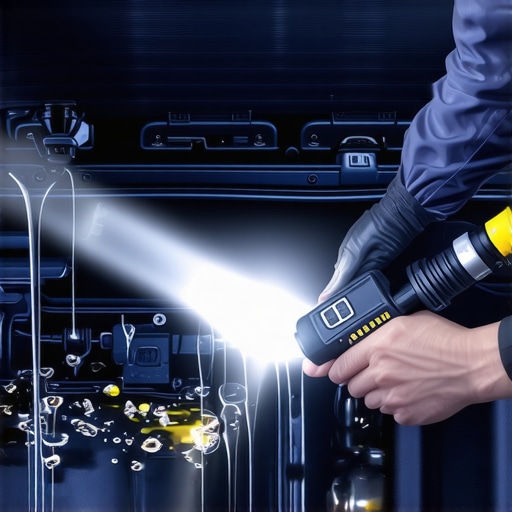
Use an infrared thermometer to measure the temperature of the transmission pan after a short drive. Excessively high readings—over 250°F—signal overheating, which directly correlates with that burnt smell. Think of it like feeling a radiator that’s too hot to touch; it’s a red flag requiring immediate attention. If the temperature is high, it’s essential to address potential causes like low fluid, clogged filters, or external heat sources.
Replace or Top Off Transmission Fluid
Drain the transmission fluid and replace it with the recommended type—preferably synthetic for better heat resistance. I once tried to top off fluid without draining, which only masked the problem temporarily—like putting a band-aid on a leaking pipe. Regular oil changes, as described in oil change tests, are vital for maintaining healthy transmission fluid levels. Use a high-quality filter during replacement, as synthetic oils last longer and resist sludge buildup.
Inspect the Cooling System and Ventilation
Overheating often stems from insufficient cooling, which can be due to a clogged radiator or faulty cooling fan. Check for debris blocking vents or radiator fins—think of it as clearing a blocked airway to prevent fever. If airflow is restricted, it can cause components to heat up quickly, burning the transmission fluid and producing that pungent smell. Fixing this is like opening windows on a hot day—necessary to reduce heat.
Schedule a Professional Diagnostic and Transmission Flush
If after these steps the smell persists or symptoms worsen, seeking a professional diagnostic is critical. ASE-certified technicians can run comprehensive tests to find underlying issues, including sensor failures or internal damage. Regular transmission flushes, much like a deep clean, remove burnt fluid and sludge, restoring proper function. For detailed insights on when to schedule your transmission service, check out transmission fixes for hesitation.
When it comes to vehicle care, many car owners rely on misconceptions that can lead to costly mistakes. One widespread myth is that all ASE-certified mechanics are equally qualified; however, the certification ensures a baseline skill level but doesn’t guarantee expertise in every niche. For example, a technician specializing in hybrid systems might not be as proficient with transmission rebuilds. It’s crucial to seek specialists for complex issues to avoid unnecessary repairs. Furthermore, many assume that an oil change is a simple, routine task that doesn’t require scrutiny beyond the oil level; in reality, choosing the right oil type and changing filters regularly is essential to preserve engine health. Neglecting such nuances can cause premature engine wear, especially in higher-mileage vehicles. Delaying or skipping transmission fluid changes, for example, can lead to slippage and overheating, which are often underestimated risks. I’ve seen many overlook the importance of a proper fluid flush, assuming topping off is sufficient, but this overlooks the buildup of sludge that synthetic oils could help prevent—more info on that is available at here.
Is an oil change really just about replacing oil, or is there more beneath the surface?
Another common oversight involves transmission maintenance. Many owners believe their vehicle’s transmission is indestructible or that warning signs like slipping or jerking will only occur at extreme points. But in fact, early symptoms like subtle shifts or burning smells could hint at severe underlying problems. Overlooking regular fluid checks and neglecting signs of overheating can lead to catastrophic failures, sometimes only detectable via diagnostic ASE-certified tests. The subtle nuances—such as the quality of transmission fluid or the effect of external heat sources—play significant roles in the longevity of your transmission. For instance, using low-grade oils or delaying flushes not only accelerates wear but can also compound issues that are often mistaken for mere mechanical glitches. A detailed analysis by experts suggests that early interventions—like correcting fluid levels and replacing filters—can extend transmission life dramatically, saving hundreds or thousands of dollars, as explained in this resource.
Moreover, advancements in vehicle technology mean that modern transmissions are integrated with complex software modules. Ignoring software updates or misdiagnosing sensor issues can mask or accelerate failures, which is why understanding these hidden elements matters deeply. Recognizing that automakers design systems to self-diagnose but also can develop glitches over time is crucial for proactive maintenance. In summary, the hidden nuances—whether it’s choice of oil, timing of fluid changes, or software updates—are the silent factors that determine your car’s health in the long run. Don’t get caught in the traps of oversimplification; truly understanding these complexities can save a lot of trouble and expense. Have you ever fallen into this trap? Let me know in the comments.
Investing in Reliable Tools to Keep Your Car Running Smoothly
Maintaining your vehicle over the long haul requires more than just knowledge—having the right equipment can make all the difference. Personally, I rely on a robust set of tools that have proven in my experience to detect issues early and prevent costly repairs. A quality transmission fluid tester, like the infrared thermometer, allows me to check transmission pan temperatures quickly and accurately after driving. This simple step helps identify overheating conditions before smells or shifting problems become severe.
Another indispensable piece of equipment is a diagnostic scan tool. I personally use a model compatible with OBD-II interfaces that can read and clear transmission-related codes. It’s invaluable for diagnosing issues like slipping or hesitation that manifest gradually. These tools provide real-time data, helping me monitor conditions over time rather than reacting solely when symptoms worsen.
Why Software and Data Logging Matter
Beyond physical tools, I recommend investing in software solutions that record your vehicle’s data. For instance, apps that interface with diagnostic scanners allow you to track transmission temperature trends and shift timing logs. Over time, patterns emerge that can forecast impending failures, enabling preemptive maintenance—saving you money and avoiding breakdowns. With trends like these on the rise, future tech will likely incorporate AI-driven analytics to predict issues even earlier, perhaps as early as oil analysis software tools do today for engine health.
Long-Term Results Come From Consistency
I’ve found that sticking to a maintenance schedule—combined with these tools and the right professional advice—significantly extends the lifespan of my transmission. Remember, routine checks on fluid quality and temperature, along with software insights, help catch problems like early-slip or gear-hunting before they escalate. These small, consistent actions reinforce your vehicle’s health far better than reactive repairs.
Scaling Your Maintenance Routine: Growing with Your Vehicle
As your car ages or if you upgrade to a higher-mileage model, your maintenance toolkit should evolve. Investing in a transmission-specific diagnostic scanner capable of deeper resets and calibration (like those recommended in professional ASE tools) ensures you keep pace with technological advancements. Over time, integrating these tools into your routine not only saves money but enhances peace of mind—making your car a reliable partner on every journey.
How do I maintain transmission health over time?
Consistent monitoring with a high-quality infrared thermometer and diagnostic scanner is your best defense. Learn to interpret temperature trends, listen to shifting patterns during drives, and log data regularly. This proactive approach, combined with scheduled oil and filter changes, as explained in checking your maintenance questions with ASE-certified professionals, will help you stay ahead of transmission issues. Try using an infrared thermometer to monitor your transmission temperature after your next drive—you might be surprised how revealing a simple tool can be to your long-term vehicle health.
What the Toughest Lessons About Transmission Care Taught Me
From my experience, overlooking subtle signs like a burnt smell can lead to expensive repairs, so pay close attention to your vehicle’s hints.
I’ve learned that early diagnostics, such as checking transmission fluid color and temperature, can prevent catastrophic failures that catch many owners off guard.
The importance of investing in quality tools like infrared thermometers and diagnostic scanners cannot be overstated—they keep you proactive about your transmission health.
Gear Up with These Game-Changing Tools and Resources
My Essential Toolkit for Transmission Care includes a reliable infrared thermometer and a versatile OBD-II scan tool, both of which help me detect overheating or internal issues early.
Books like Automotive Transmission Repair by experts have broadened my understanding and given me confidence to handle routine maintenance and minor repairs myself.
Websites like AutoFix Clinic offer invaluable guides that complement hands-on tools, making maintenance more approachable and less intimidating.
Your Next Step in Safeguarding Your Transmission
Embrace a mindset of consistent vigilance—using the right tools and trusted resources—to extend your vehicle’s lifespan and avoid avoidable breakdowns.
Remember, proactive care today guarantees smooth rides tomorrow. Don’t wait until that burnt smell becomes a real problem—your car’s health depends on your attention now.
Have you ever caught an odd smell or sound early enough to prevent major repairs? Share your experience below—your story could help someone else catch the signs sooner!