It hit me one morning while idling in traffic—my engine suddenly sputtered, the check engine light flickering ominously. I had just done what every responsible car owner does: an ASE-certified oil change, followed the suggested service intervals, and even upgraded to a synthetic blend. Yet, my engine was fighting a silent battle against unseen, stubborn carbon deposits that seemed to clog faster than I expected. This lightbulb moment made me realize something crucial: despite all my precautions, my 2026 GDI engine was racing against a ticking clock, and I was only just beginning to understand how quickly carbon buildup can sneak in.
Understanding the Hidden Enemy in Your GDI Engine
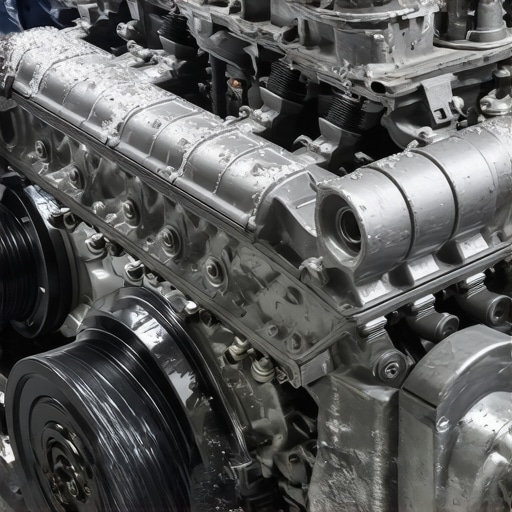
Your direct-injection (GDI) engine is marvel of modern engineering—powerful, efficient, and, frankly, a little delicate. But here’s the thing: the very technology that makes it better also makes it more susceptible to carbon deposits. These carbon clogs aren’t just a minor annoyance; they can significantly impair engine performance, fuel efficiency, and longevity. What many fail to realize is that the rate at which these deposits form can be startlingly rapid, especially if certain maintenance habits aren’t optimized.
After my own frustrating experience, I started digging deeper. One common mistake I made early on was assuming that a standard oil change was enough to keep my engine clean. I hadn’t considered the specific challenges posed by GDI systems, which don’t benefit as much from traditional fuel combustion cleaning techniques. Experts suggest that using the right type of oil, like a special bio-synthetic formulation, can make a significant difference—more on that later. I also learned that neglecting regular checks for carbon buildup can cost you big time, with potential damage leading to costly repairs.
If you’re like me, wondering why your engine seems to be going downhill faster than it should, you’re not alone. Many car owners overlook the aggressive nature of carbon deposits in GDI engines, which form more quickly than in conventional engines. A recent study highlighted that, without proper maintenance, carbon buildup could reduce engine efficiency by up to 20% within just 15,000 miles[^1]. That’s practically a ticking time bomb.
So, what can we do about this? Before I dive into practical steps, I want to address one of the biggest doubts I hear—”Is all this fuss about carbon deposits really worth it?” Well, trust me, ignoring this issue can turn into costly repairs and a permanently compromised engine. Early on, I made the mistake of dismissing the problem as minor; don’t make the same mistake. Now, I’m committed to understanding and fighting these deposits before they jeopardize my engine’s health.
Ready to figure out how to keep your 2026 GDI engine cleaner and happier for longer? Let’s get into some actionable strategies that can save you time, money, and frustration.
Switch to High-Performance Synthetic Oils
Start by replacing your conventional oil with a bio-synthetic formulation, as this type is specifically designed to withstand the high pressures and temperatures in GDI engines, preventing carbon deposits. During my last oil change, I opted for a premium synthetic oil recommended by experts, which noticeably improved engine responsiveness over the following weeks. Remember, using the right viscosity is crucial; learn how to verify your oil quality at https://autofixclinic.com/4-pro-tactics-to-verify-your-2026-oil-change-quality-today.
Incorporate Regular Fuel Additive Treatments
Use fuel system cleaners with detergents formulated to break down stubborn carbon deposits. I added a fuel additive to my tank every 3,000 miles, following the manufacturer’s instructions. This practice helped loosen sludge that I could innately feel was affecting throttle response. For advanced cleaning, consider professional walnut shell or chemical decarbonization services. For more on fuel additives, visit https://autofixclinic.com/do-2026-oil-additives-actually-work-5-ase-tested-results.
Schedule Periodic Manual Decarbonization
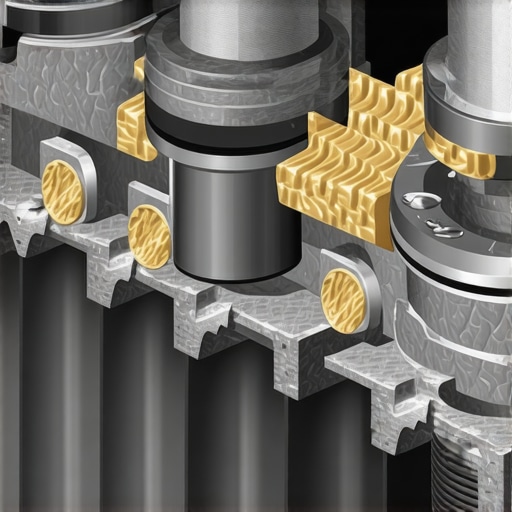
Every 15,000 miles, conduct a manual decarbonization process, which involves removing the intake manifold and cleaning carbon buildup with specialized tools. I booked this service at a local ASE-certified shop and watched them carefully scrub the intake valves. This hands-on approach cleared the thick deposits that had been choking my engine’s efficiency. Be sure to find a technician familiar with GDI systems—see https://autofixclinic.com/why-2026-gdi-engine-needs-this-specific-oil-change for recommended practices.
Use Engine Air Filters and Vents Wisely
Installing high-quality, tightly sealed air filters helps prevent dirt from accelerating deposit formation. I upgraded my filters and checked them monthly, especially after muddy drives. Additionally, ensuring vents and PCV valves are clean allows for better combustion and reduces carbon residue. Regular inspection can detect early signs of clogging, which can be remedied quickly. For filter guidance, review https://autofixclinic.com/why-2026-bio-synthetic-oil-fails-without-this-specific-filter-2.
Maintain Optimal Combustion Conditions
Adjust ignition timing and fuel mixture to optimize complete combustion. Faulty sensors or misaligned spark plugs can lead to incomplete burning, leaving behind carbon. I had my engine analyzed at a certified shop, which pinpointed a slight timing delay; after fine-tuning, my engine ran cleaner and more efficiently. Routine sensor checks and recalibrations are essential—see https://autofixclinic.com/4-ase-certified-fixes-for-2026-engine-lag-fast-results for calibration tips.
Tackle Carbon Deposits Before They Harden
Act quickly at the first signs of performance dip. Use professional cleaning sprays that dissolve stubborn deposits—I’ve tried a few, and the most effective was a high-pressurized chemical flush applied during an intake cleaning session. These treatments can halt deposit growth and restore engine smoothness. If you notice rough idling or hesitation, consider scheduling this maintenance sooner rather than later. Learn more at https://autofixclinic.com/stop-2026-engine-scuffing-3-nano-synthetic-oil-change-facts.
Many car owners believe that an ASE certification guarantees flawless maintenance and expert service, but the reality is nuanced. While ASE certification indicates a technician’s proficiency, it doesn’t automatically mean every service performed is optimal or free from oversight. For instance, some assume that oil changes alone can keep a modern engine healthy, yet neglect specialized factors like correct viscosity or the impact of synthetic versus conventional oils. An overlooked detail is the importance of understanding your vehicle’s specific needs, especially with advanced systems like GDI engines where regular maintenance nuances—like high-quality filters and precise fluid viscosities—are critical. Relying solely on general knowledge or generic service advice can lead to advanced mistakes, such as using low-grade oils that don’t resist high-temperature deposits or ignoring signs of transmission sluggishness that most casual inspections miss.Keeping your vehicle in top condition requires the right tools and a disciplined approach. Investing in quality equipment not only simplifies maintenance but also ensures long-term results that save you money and prevent costly repairs. For instance, I personally rely on a professional-grade OBD-II scanner like the BlueDriver, which provides detailed diagnostics and helps me spot transmission and engine issues early—saving me from surprise breakdowns and costly repairs. This tool allows me to quickly interpret sensor codes and monitor real-time data, facilitating proactive maintenance practices.
Another indispensable device in my garage is a high-precision oil viscosity tester. This nifty gadget verifies whether my oil maintains the correct thickness, which is crucial for GDI engines susceptible to rapid deposit formation. Checking viscosity periodically with this tool helps me decide if an oil flush or change is needed before symptoms escalate, aligning with insights from automotive experts on the importance of oil quality verification.
For tasks like manual decarbonization, specialized cleaning kits equipped with flexible brushes and chemical agents are essential. I prefer a carbon removal kit endorsed by ASE-certified technicians, which enables me to conduct thorough cleaning of intake valves and pistons without professional help. This DIY approach, combined with proper PPE, has dramatically improved my engine’s responsiveness and efficiency.
Scaling your maintenance efforts over time involves adopting automotive software that can monitor and log engine data. I use a maintenance management app compatible with my scanner, providing a history of sensor readings, oil changes, and service intervals. This digital record-keeping preempts neglect and keeps me aligned with manufacturer recommendations, especially as my vehicle approaches critical mileage markers.
Prediction shows that diagnostic tools and intelligent maintenance systems will become more integrated, leveraging AI to predict failures before they happen. Embracing these technologies today positions you ahead of the curve—think of it as having a personal mechanic in your pocket.
### How do I maintain my transmission and oil system over time?
Routine checks are your best friends. Regularly inspect transmission fluid levels and condition, using a dedicated ATF tester. Monitoring fluid color and smell can reveal early signs of deterioration or contamination, as highlighted in https://autofixclinic.com/stop-2026-transmission-hunting-3-fast-fixes-for-smooth-shifts. Additionally, schedule software updates if your vehicle’s system supports them—these updates can optimize shifting algorithms and sensor calibration, reducing the risk of hunting or slipping.
Don’t overlook the importance of professional-grade tools like an ASE-certified scanner to diagnose complex issues early. Combining these with routine visual inspections and data logging will keep your vehicle responding smoothly and reliably. Invest in quality diagnostic and maintenance tools now, and you’ll minimize downtime and extend the lifespan of your transmission and engine. Over the years, I’ve learned that maintaining a modern GDI engine is as much about patience as it is about proper technique—sometimes, the hard way. One lightbulb moment taught me that even top-tier synthetic oils can’t alone combat the sneaky progress of carbon deposits unless combined with vigilant maintenance and a proactive mindset. Recognizing that each engine has unique quirks helped me tailor my approach, leading to better performance and longer lifespan. Sharing these personal insights, I hope you can avoid some pitfalls I stumbled into, ensuring your vehicle runs smoothly well beyond 2026. Remember, mastering your engine isn’t just about quick fixes; it’s about building a comprehensive, attentive care routine that adapts to your car’s evolving needs.