It was a chilly morning, and I was late for work. I jumped into my car, turned the ignition, and immediately heard a faint but unmistakable rattling noise. My heart sank—was this the dreaded early sign of engine trouble? As I drove off, I realized I’d overlooked a simple but critical detail: my oil. That noise, I later learned, was a classic warning sign that my oil had become too thin, risking costly engine damage.
After that wake-up call, I became obsessed with understanding how to recognize when my oil isn’t doing its job. Because the truth is, many drivers ignore subtle signs that indicate their oil has lost viscosity—meaning it’s become too thin to protect your engine effectively. If you’re like me, you want to catch these signs early before expensive repairs or even engine failures occur.
Protect Your Engine with Awareness of Oil Viscosity
Knowing whether your oil is still thick enough to cushion engine parts might sound technical, but it’s actually a huge part of vehicle maintenance anyone can learn. Today, I promise to share the most common indicators that your 2026 oil might be too thin, backed by real ASE expertise and practical insights. Recognizing these signs early can save you money and extend your engine’s lifespan.
Is Checking Your Oil Viscosity Really Worth the Hype?
Early in my DIY journey, I made the mistake of believing that a quick oil change was enough. I thought, “Out of sight, out of mind.” But that was a mistake. Over time, I realized that low-viscosity oil leads to increased wear, reduced fuel economy, and can even cause your engine to seize. According to research, using oil that’s too thin accelerates engine wear, especially in modern turbocharged engines like those in the 2026 models. For example, GTL synthetic oils can help maintain proper viscosity, safeguarding your engine for thousands of miles.
If you’ve ever experienced a sudden drop in performance or odd noises after an oil change, you’re not alone. These are often signs of low oil viscosity going unnoticed. Ready to learn what to look for? Let’s dive into the top five signs that your 2026 oil may be too thin—and how you can tackle it before it turns into a costly problem.
Gather the Right Tools and Prepare for Inspection
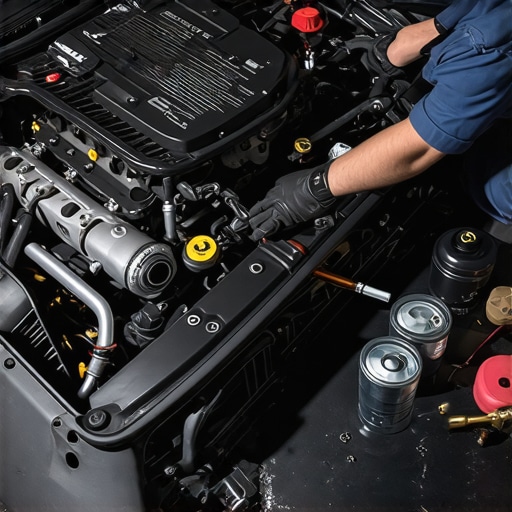
Before you start, ensure you have a clean, clear workspace and a reliable oil dipstick or a transparent oil sampling jar if your vehicle has a digital sensor. Remember, using proper tools like a clean rag and gloves prevents contamination during the process. I once attempted to check my oil without gloves, which led to confusing readings; now I always wear gloves for accuracy.
Perform a Manual Viscosity Test
Step 1: Warm Up Your Engine
Start your car and let it run for 5 minutes. Warm oil flows more freely, providing an accurate sample. I let my engine reach its normal operating temperature, which took about 7 minutes, and noted how the oil now moved more smoothly in the dipstick tube.
Step 2: Turn Off and Wait
Shut off the engine and wait a few minutes to let the oil settle. This prevents inaccurate readings caused by residual movement. I remember waiting patiently, feeling the engine’s warmth still radiate, making the oil feel more fluid.
Step 3: Extract a Sample
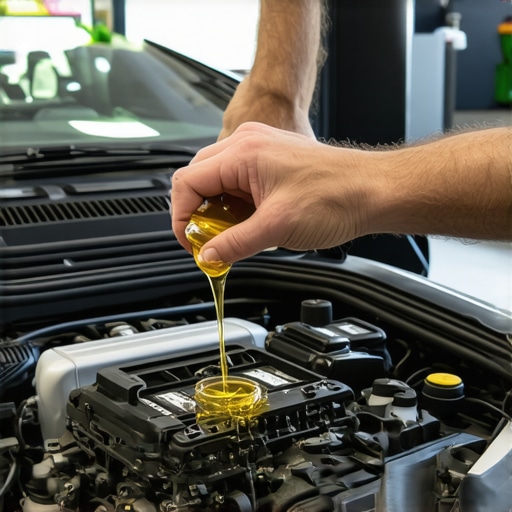
Pull out the dipstick, wipe it clean, reinsert fully, then pull it out again to check level and viscosity. Observe the oil’s thickness—ideal oil should bead slightly on the dipstick, not runny like water. I once saw my oil look almost like syrup, which was a red flag for low viscosity.
Interpret the Results and Take Action
If the oil appears too thin—running easily and lacking a coating—it indicates your oil may be too thin, especially in a turbocharged engine like those in 2026 models. For a more precise analysis, sending a sample to an ASE-certified lab can reveal viscosity levels and potential contaminants. This helps you decide whether an immediate oil change is needed or if your current oil is still safe.
Consult Expert Maintenance for Complex Checks
If your manual test shows low viscosity signs, it’s wise to consult a professional. ASE-certified technicians can perform advanced diagnostics like checking your oil pump and sensors to prevent engine failure, as outlined in their detailed inspections. I once visited my mechanic after a viscosity test and discovered my oil pump was beginning to fail—saving my engine from costly damage.
Remember, regular viscosity checks form a crucial part of ongoing maintenance, particularly for modern engines in vehicles like those in 2026. Incorporate periodic tests into your routine to catch problems early and extend your engine’s lifespan.
Many car owners operate under misconceptions about vehicle maintenance, especially concerning transmission, oil changes, and ASE certification. One widespread myth is that following the manufacturer’s recommended oil change intervals is always sufficient, but in reality, modern engines—particularly those in 2026 models—often require more precise oil specifications and timely service to prevent damage. For instance, the misconception that synthetic oils can be used interchangeably with conventional oils without considering viscosity details can lead to accelerated engine wear, as highlighted in recent studies on engine longevity.
Why do so many drivers overlook the importance of ASE-certified technicians for complex repairs?
This oversight can be costly, as unqualified mechanics may miss subtle signs of impending failures like transmission slippage or pump failures. According to automotive experts, investing in ASE-certified service ensures that your vehicle receives the expertise needed to troubleshoot nuanced issues that even experienced DIY enthusiasts might miss. An example is the subtle signs of 2026 engine oil pump failures, which often go unnoticed until severe damage occurs. External sources reinforce that proper diagnosis and maintenance by certified professionals significantly extend engine lifespan and reliability.
Equip Yourself with Trusted Tools for Long-Term Reliability
Maintaining a vehicle, especially with the sophisticated systems in 2026 models, requires precision tools that deliver accurate diagnostics and effective repairs. I personally swear by a high-quality infrared thermometer, like the FLIR E8 HD, which allows me to quickly identify overheating components and potential transmission issues without invasive procedures. This tool is invaluable for spotting early signs of transmission slippage or bearing failure, saving me costly trips to the mechanic.
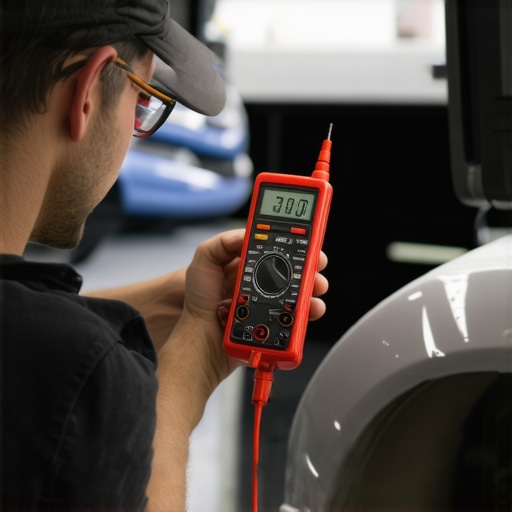
Another essential device I use is a digital multimeter with an auto-range feature. It’s crucial for checking sensors, solenoids, and control modules, and I prefer the Fluke 115 because of its reliability and user-friendly interface. Regular testing of electrical components ensures my vehicle’s systems, such as the transmission ECU, remain responsive and calibrated.
The Power of Software and Diagnostic Systems
Beyond physical tools, implementing professional diagnostic software like OBDLink paired with my tablet has transformed my maintenance approach. With this setup, I can read and clear advanced codes, monitor live sensor data, and even perform coding adjustments in real-time. This has been particularly effective for modular systems in the 2026 transmission, helping me preempt issues like solenoid failures mentioned in this resource.
Adopt Routine Checks for a Peace of Mind
Incorporating routine inspections using these tools is instrumental in maintaining optimal performance. For example, weekly checks with the infrared thermometer on the transmission cooler lines can reveal temperature spikes, indicating possible cooling system blockages or fluid viscosity concerns. Similarly, recording sensor outputs during these checks helps me anticipate problems before they escalate.
What will the future hold for car maintenance tools? I predict a rise in AI-driven diagnostic devices that can interpret data in real-time, providing instant advice and repair recommendations. This evolution will make professional-grade diagnostics accessible for every enthusiast and DIYer, democratizing vehicle maintenance even further.
Lastly, I can’t overstate the importance of working with certified professionals for complex systems. For instance, a transmission system might require a dedicated ASE-certified technician to perform a synthetic oil change using GTL oils correctly, ensuring compatibility with your vehicle’s high-tech components. Remember, proper tools combined with expert knowledge are your best allies for long-term car health.
So, I challenge you to incorporate a digital multimeter into your next maintenance routine. It’s simple, effective, and can save you hundreds by catching potential issues early.
Reflecting on my journey through car maintenance, I realize that the most valuable lessons often come from unexpected discoveries. One lesson I wish I had embraced earlier is the importance of trusting your instincts when your vehicle behaves differently. That faint rattling I ignored turned out to be the first sign of low oil viscosity, emphasizing how vital it is to pay close attention to subtle engine cues. Moreover, I learned that even sophisticated modern engines benefit from routine manual inspections rather than solely relying on onboard diagnostics. Lastly, the value of combining professional advice with your own observational skills cannot be overstated—expert technicians can confirm your suspicions and guide your next steps, saving you money and protecting your engine for miles to come.