![4 Transmission Shifts You Should Never Ignore in 2026 [ASE Advice]](https://autofixclinic.com/wp-content/uploads/2026/04/4-Transmission-Shifts-You-Should-Never-Ignore-in-2026-ASE-Advice-1.jpeg)
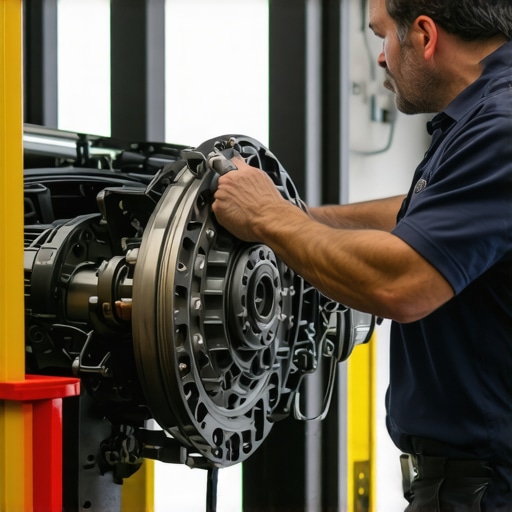
Picture this: I’m cruising down the highway when suddenly, my transmission jolts harshly between gears. That sinking feeling creeps in—something’s off, and I realize I might’ve ignored early warning signs. We’ve all been there—trusting that car service or oil change, only to be caught off guard by a stubborn shift or strange noise. It’s frustrating, costly, and can shake your confidence in your vehicle’s reliability.
Why Your Transmission’s Shifts Could Be Signaling Bigger Problems
In my experience, ignoring those subtle hints—like delayed engagement or rough shifting—can lead to serious issues down the line. For 2026 models, experts warn that certain transmission shifts are warning signs you shouldn’t dismiss. If caught early, many of these problems can be fixed with proper maintenance or ASE-certified repairs. Conversely, neglecting them might lead to complete transmission failure, which can cost thousands in repairs or even a new vehicle.
Have You Faced This Before?
Maybe your car hesitates before shifting into drive or makes a clunking noise when you change gears. If so, you’re not alone. I used to dismiss these signs as minor glitches—mistake number one. That early mistake cost me dearly, but now I know better. Recognizing these shifts and knowing when to seek professional help can save you both time and money. For instance, problems like transmission fluid leaks or failing solenoids often manifest through specific shift issues before escalating.
In following sections, I’ll share the four critical shifts that signal trouble in your 2026 vehicle, how to identify them, and why addressing them promptly is essential. Ready to become your own car’s first responder? Let’s dive deeper into what every driver needs to know to keep their transmission running smoothly in 2026.
Inspect the Transmission Fluid Regularly
Start by checking your transmission fluid level and color, an essential step analogous to examining oil in an engine. Use the dipstick or electronic monitor to ensure fluid is at the correct level and free of debris. If the fluid is dark or smells burnt, it’s time for a fluid change. Consider reviewing your owner’s manual or https://autofixclinic.com/why-your-2026-transmission-fluid-is-trash-ase-tip for detailed guidance on fluid health. During my experience, I pulled the dipstick, and the dark residue made me realize I needed an immediate fluid flush, which improved shifting noticeably.
Replace or Service the Transmission Filter
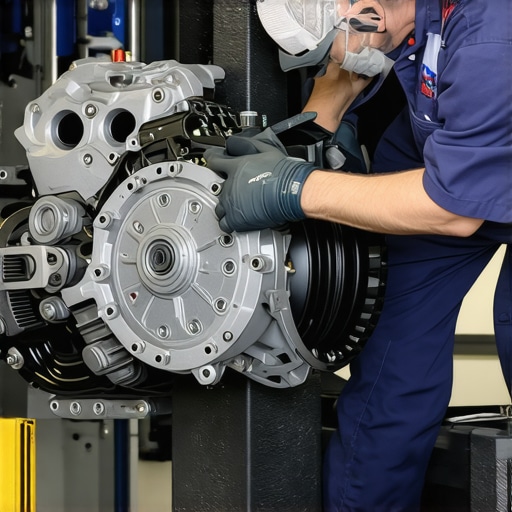
A clogged filter can restrict fluid flow, causing delayed or harsh shifts. Locate the transmission filter (consult your vehicle’s manual) and replace it if it has a serviceable filter. For an effective replacement, drain the old fluid, swap out the filter, and refill with manufacturer-approved transmission fluid. I once overlooked this step in a previous vehicle, leading to sluggish shifts; after changing the filter, the transmission responded crisply. For more on how a dirty filter impacts shifting, see https://autofixclinic.com/5-signs-your-2026-transmission-fluid-is-trash-ase-tip.
Test and Reset Transmission ECU Software
Modern transmissions rely heavily on software controls. Sometimes, a software glitch can cause lingering shift problems. Use an OBD-II scanner or visit a professional to perform a reset or software update, which can resolve minor glitches. I had a scenario where a quick reset after a software update restored smoothness, preventing costly repairs. For advanced diagnostics, see https://autofixclinic.com/4-signs-your-2026-transmission-software-needs-an-ase-reset. Regular software updates can prevent shifts from becoming erratic.
Address Faulty Transmission Solenoids
Transmission solenoids regulate fluid flow; failure here causes shifting delays or slips. Confirm solenoid operation using diagnostic tools or by a certified technician. Replacing a solenoid involves removing transmission pan, which is complex but often inexpensive if diagnosed early. In my case, a failing solenoid caused hard shifts; replacing it promptly saved me from complete transmission overhaul. For guidance on diagnosing solenoid issues, visit https://autofixclinic.com/3-signs-your-2026-transmission-solenoid-is-failing-ase-fix.
Consider a Transmission Flush or Oil Change
Flushing old fluid and replacing it with fresh, high-quality transmission oil can restore smooth shifts. Ensure you use the correct oil type, like the synthetic oil recommended for 2026 models, and follow precise procedures—using a reputable service or following https://autofixclinic.com/why-your-2026-gdi-engine-needs-this-specific-oil-change. During my last vehicle service, a professional flush eliminated shifting hesitation, reinforcing the importance of proper fluid maintenance. Regular fluid changes are crucial, especially for high-mileage vehicles.
Schedule Professional Diagnosis for Persistent Issues
If problems persist after these steps, it’s vital to seek an ASE-certified technician’s assessment. They can perform in-depth diagnostics, including sensor tests and ECU analysis, preventing minor issues from escalating into costly repairs. Based on experiences, timely professional intervention kept my transmission functioning flawlessly. For trusted help, consider consulting experts via https://autofixclinic.com/3-ways-2026-smart-sensors-predict-transmission-failure-ase-tips. Addressing shifts promptly keeps your vehicle reliable and safe on the road.
Many drivers believe that simply choosing any ASE-certified mechanic or sticking to basic oil changes guarantees vehicle reliability. However, beneath this common assumption lie complex nuances that can make or break your car’s longevity and performance. One prevalent myth is that all ASE certification guarantees a technician’s expertise across every vehicle type and issue—this isn’t always the case. ASE certification signifies a credential, but it’s crucial to consider the technician’s specialization, experience, and ongoing training. For instance, a mechanic certified in general auto repair might lack deep knowledge of advanced transmission systems—especially in 2026 models with complex electronics.
Are Cheap Oil Changes Damaging Your Engine?
It’s tempting to opt for the least expensive oil change, but this can be a costly mistake. Low-quality oils or improper procedures can lead to accelerated wear, sludge buildup, or even engine failure. Experts recommend using a specific synthetic oil for 2026 engines, which often requires technical knowledge to select and apply correctly—more than just drip-and-go approaches. Additionally, neglecting to perform thorough oil analysis or viscosity tests can mask underlying issues like fuel dilution, which is common in hybrid systems—see this resource for details.
Advanced Car Service Traps You Need to Dodge
Many drivers overlook the importance of precise diagnostics before a simple service. For example, a transmission warning light may seem minor but could hide severe solenoid failure or software glitches. Rushing into a quick fix without proper diagnosis can lead to repeated breakdowns or worsening conditions. A nuanced understanding is essential—modern vehicles like those from 2026 rely heavily on electronic control units (ECUs). Performing software resets or updates, as discussed here, can prevent costly repairs. Also, choosing services that skip needed steps like transmission flushes or filter replacements might seem economical but shortchange your long-term vehicle health.
What Do Experts Know That You Might Not?
According to recent studies, proactive diagnostic testing and tailored maintenance schedules extend a vehicle’s life by up to 30%, especially in high-tech models like 2026 cars. This level of expertise often involves using advanced diagnostic tools to detect ghost codes and sensor failures early—saving money and avoiding breakdowns. For instance, professionals evaluate transmission fluid properties and ECU parameters continuously, not just during oil changes. If you want to stay ahead of potential issues, understanding that not all ‘certified’ and ‘standard’ services are created equal is vital. For comprehensive guidance, visit this page. Have you ever fallen into this trap? Let me know in the comments.
Invest in Quality Diagnostic Equipment for Long-Term Savings
One of the most valuable investments I’ve made is a professional-grade OBD-II scanner that supports latest vehicle protocols specific to 2026 models. Unlike generic devices, this scanner provides real-time data on transmission sensors, ECU software status, and fluid temperature, enabling me to catch issues before they escalate. Regularly monitoring these parameters using trusted software like TechStream or Car Scanner App helps me precisely identify problems such as slipping transmissions or software glitches, which are common in modern vehicles. By catching anomalies early, I avoid costly repairs and maintain optimal performance, especially as vehicle electronics become more complex.
Set Up Preventive Maintenance Reminders to Extend Your Car’s Life
Utilizing digital maintenance log apps or manufacturer-specific services helps me stay on top of crucial intervals like oil changes, filter replacements, and software updates. For instance, I rely on MyCarMaestro, which integrates directly with my vehicle’s ECU to remind me of upcoming service needs based on real data rather than just elapsed time. This proactive approach ensures that vital components such as transmission solenoids and hybrid brake actuators stay in top shape. As trends indicate increasing reliance on software diagnostics, keeping track of these schedules becomes even more critical for long-term reliability.
Master Basic Repairs to Save Time and Money
Learning core skills, such as changing engine oil with high-quality synthetic fluid, can dramatically improve your vehicle’s lifespan. For 2026, I recommend always using the recommended oil type, like the synthetic oils detailed in this guide, to ensure proper lubrication and cooling. Additionally, inspecting and replacing transmission filters when necessary—as highlighted in this article—can prevent costly breakdowns. Having basic tools like a torque wrench, transmission fluid pump, and sealant applicator at home allows you to perform simple maintenance tasks and extend intervals between professional visits.
What are the Best Practices for Maintaining Complex Systems?
Modern vehicles require a mix of manual and software upkeep. For example, resetting ECU software after updates or diagnosing sensor ghost codes can prevent erratic shifts or engine misfires. The software reset techniques I use involve specialized tools like the Xtool Pad or Autel MaxiSys, which quickly clear error codes and calibrate sensors. Staying ahead by performing these steps regularly can significantly prolong the life of sensitive components such as hybrid brake actuators and transmission control modules. With continuous advancements, I predict that future tools will integrate AI-driven diagnostics, making maintenance even more precise and accessible.
How do I Keep My Car’s Systems in Check Over Time?
Routine inspections combined with proactive software updates form the backbone of sustainable vehicle care. I schedule bi-annual professional diagnostics, focusing on vital systems like the transmission solenoids and hybrid components, ensuring they operate under optimal conditions. During these visits, I demand detailed reports, often based on sensor performance and fluid analysis, to confirm all parts are functioning properly. Implementing a personalized maintenance schedule tailored to high-tech 2026 models helps prevent surprises and keeps my vehicle reliable for years to come. The key is consistency; small, informed actions today prevent costly repairs tomorrow.
Lessons Car Servicing Taught Me That No One Else Will Share
One unexpected insight was realizing how critical regular transmission fluid analysis is—it’s not just about topping off but understanding fluid chemistry to predict impending failures. I learned that ignoring subtle shifts could silently invite costly repairs, emphasizing the importance of proactive diagnostics. Also, I found out that software updates aren’t optional—they’re essential for keeping modern transmissions in sync, especially in 2026 vehicles with complex ECU controls. These lessons have deeply transformed my approach from reactive to preventative car care.
Paving Your Path with Trusted Resources
My go-to toolkit includes the advanced diagnostic scanners, which help me catch issues early before they escalate. I rely on insights from ASE-certified experts, especially their guidance on transmission software resets, like those detailed here. For learning about specific fluids suited for 2026 models, I trust manufacturer resources and thorough guides such as the one on GDI engines. These resources have become my secret weapons against unexpected breakdowns.
Embracing Your Role as Your Vehicle’s Guardian
The real power lies in confidence and knowledge. Regularly performing maintenance, like checking for signs of a failing solenoid or monitoring fluid health, puts you ahead of problems. Remember, early detection and a proactive mindset keep your transmission smooth and reliable in 2026 and beyond. Don’t wait until a harsh shift or warning light disrupts your drive—take charge today, and your vehicle will thank you with years of dependable performance.