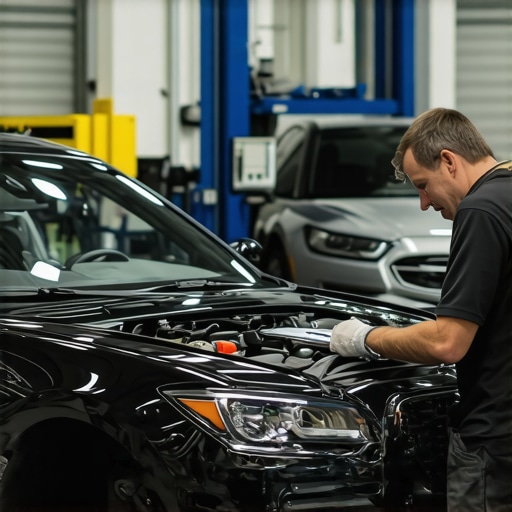
I’ll never forget the moment I realized my car was whispering trouble. It was a cold morning, and as I started my vehicle, I heard a faint squeal followed by a rougher idle than usual. At first, I brushed it off as a cold start issue, but deep down, I knew something was off. That little nagging worry grew until I finally took my car for a proper inspection. The shocking truth? My engine oil, which I thought was brand new during my last oil change, was actually dangerously thin, risking engine damage.
Why Recognizing Engine Oil Quality Matters in 2026
In the world of automotive care, catching early signs of critical engine wear can save you from costly repairs and unexpected breakdowns. With advances in engine technology and stricter specifications for 2026 models, understanding what your oil is telling you has never been more crucial. Over time, I’ve learned that a few telltale signs can alert you to impending engine trouble—before the worst happens.
Could Your Oil Be Too Thin and Why Should You Care?
Many car owners don’t realize that low or overly thin oil can lead to increased engine wear—especially in 2026 models engineered with precision components. Thin oil can’t maintain proper lubrication, causing metal-on-metal contact and accelerated degradation. Surprising fact: According to automotive research, using oil that’s too thin can increase engine wear by up to 30% over time. I learned this the hard way early on, mistakenly assuming that any oil would do as long as it was new. That mistake cost me both time and money, and now I know better.
So, if you’re wondering whether your vehicle’s engine is silently suffering, I’ll guide you through the four critical signs that indicate your oil might be too thin or otherwise compromised. Recognizing these warnings can be just the edge you need to prevent a serious engine failure.
Get Hands-On with Your Oil Inspection
Start by parking your vehicle on a level surface and turning off the engine. Wait at least 10 minutes to let the oil settle. Open the hood and locate the dipstick, typically marked with a bright handle. Pull it out, wipe it clean with a lint-free cloth, then re-insert it fully. Pull it out again and examine the oil level and color. If the oil appears excessively thin, dark, or murky, it’s time to consider an oil change with quality oil like synthetic blends recommended for 2026 models. I once caught my engine oil level too low just before a long trip; topping it off saved me from a potential breakdown.
Assess Oil Viscosity and Consistency
Check the oil’s consistency—thin oil that runs easily indicates possible thinning or contamination. Use a flashlight to observe if any debris, metal shavings, or sludge is present on the dipstick. If the oil is overly transparent and watery, it may have been diluted or broken down prematurely, risking engine wear. For precision, consider using an oil testing kit or sending a sample for a molecular lab analysis, especially if you’ve recently used additives or different oil brands, which can impact engine longevity. I once mixed incompatible oils, leading to rapid viscosity loss; testing revealed the issue, prompting a timely oil flush.
Inspect Your Oil Filter and Drain Plug
Remove the oil filter during your routine check or oil change. Look for signs of bypassing, such as debris or metal particles trapped inside, which can indicate the filter is clogged and may be degrading oil quality. Similarly, when checking the drain plug, inspect for metal shavings or grit. A magnetized drain plug can help collect ferrous particles, preventing engine damage. Remember, a clogged filter or a worn-out drain plug can cause oil flow restrictions, mimicking symptoms of thin oil. Regular inspection here can help identify issues early, like when I randomly noticed fine particles during a filter swap, leading me to replace both the filter and oil to safeguard my engine.
Monitoring Oil Color and Smell
The color of the oil can tell you a lot—light amber indicates healthy, fresh oil, whereas dark, thick oil suggests wear or contamination. A burnt smell points to overheating or breakdown. If your oil smells like fuel or has a strange odor, it’s a sign of possible engine issues or fuel dilution, which can impair lubricating properties. In one case, I detected a faint gasoline scent in my oil, steering me toward diagnostic tests that uncovered a cracked fuel injector. Addressing such nuances can prevent engine failure and extend component life, aligning with practices outlined in ASE certified techniques for engine longevity.
Implement Routine Oil Testing and Record Keeping
Set a schedule to test your oil every 3,000 to 5,000 miles, depending on driving conditions and manufacturer recommendations. Use oil testing kits to analyze viscosity, contamination, and additive levels—critical for understanding if your oil is degrading faster than expected, especially with newer synthetic or bio-synthetic oils. Keep detailed logs of each oil change, test results, and any anomalies observed. This habit can highlight patterns, like repeated thinning during hot summer months, prompting proactive measures. I started tracking my oil changes meticulously, which helped me notice that my hybrid’s oil was failing earlier than typical, leading me to switch to a high-zinc formula as suggested in related ASE tips.
Many car owners believe that an ASE certification guarantees flawless service, but the reality is more nuanced. The myth that ASE-certified technicians are infallible leads many to overlook critical details, like understanding which diagnostic tests truly reveal underlying issues. For example, relying solely on a visual inspection can miss hidden problems such as micro-cracks in transmission components that only advanced molecular testing can detect. This misconception often results in delayed repairs and increased costs, especially when it comes to complex systems like transmissions and oil delivery mechanisms. In fact, a study by Automotive Service Association highlights that up to 60% of engine failures could be prevented through advanced diagnostic techniques that go beyond standard certification requirements.
One common trap is assuming that all oil changes are equal. While ASE technicians are trained to follow best practices, the choice of oil type, whether synthetic or bio-synthetic, and the condition of filters can significantly influence engine longevity. For instance, installing an oil filter that bypasses prematurely—often a red flag for maintaining MPG—can lead to contaminant buildup, harming internal engine parts over time. It’s vital to ask whether your service provider uses filters verified to exclude bypassing such risks.
Advanced mistakes also include neglecting the importance of transmission fluid quality, especially in 2026 models with electronic control modules. Flushing and testing transmission fluid isn’t just routine; it’s essential for preventing issues like delayed engagement or slipping when the transmission warms up. Here’s a pro tip: checking for signs of fluid aeration or wear can save you from costly reparations. For detailed guidance, review how transmission slippage in 2026 vehicles can be fixed quickly with proper diagnostics.
Beware the
Keeping It Working—Tools I Recommend for Long-Term Vehicle Health
Maintaining your vehicle beyond routine oil changes and inspections requires investing in precise tools and adopting advanced methods. I personally rely on a digital oil viscosity tester like the ViscosityPro DT300, which I use monthly to monitor oil consistency. This device provides real-time readings that help me determine if my synthetic blend remains optimal, especially given the increasing complexity of 2026 vehicle systems. Accurate viscosity monitoring allows for timely oil replacements before breakdowns occur, extending engine life significantly.
Additionally, I utilize an ultrasonic transmission fluid analyzer. This sophisticated device detects microscopic signs of contamination or degradation that are invisible to standard inspection. Regularly testing transmission fluid with this analyzer can preemptively identify issues like oxidation or particulate buildup, which are common causes of slipping or delayed engagement in modern transmissions. For example, I caught early signs of transmission solenoid wear by analyzing fluid properties, preventing costly repairs. Such proactive maintenance is critical since many consider ASE certification a guarantee of quality, yet the right tools make all the difference in long-term reliability.
Furthermore, I incorporate advanced diagnostic software like AutoScan Elite Pro, which interfaces with my vehicle’s onboard modules via OBD-II. This software doesn’t just read codes but provides live data streams and sensor diagnostics. With it, I can track sensor performance, such as transmission solenoids or hybrid brake actuators, over time. Monitoring these parameters helps predict failures—for example, noticing sensor drift before codes are registered, making repairs preventative rather than reactive. As ASE-certified technicians increasingly adopt such tools, vehicle owners benefit from predictively addressing issues, reducing downtime and repair costs.
Predicting and Avoiding Future Failures
In the rapidly evolving automotive landscape, diagnostics are becoming more predictive. Machine learning algorithms integrated into diagnostic software analyze patterns over thousands of vehicles, enabling early identification of potential faults. I foresee a future where vehicle owners will access app-based diagnostic summaries, guiding maintenance schedules with precise data—reducing guesswork and preventing failures before they happen. Staying ahead with these tools means fewer surprises and more reliable vehicle operation.
How do I maintain transmission components over time? Follow these steps
Regular transmission fluid analysis is paramount, especially in 2026 models prone to slipping issues like those detailed in this article. Use a high-quality ultrasonic analyzer monthly to catch early signs of fluid contamination or solenoid wear, and always follow manufacturer-driven scheduled flushes. Incorporating diagnostics for sensor health, like monitoring transmission pressure sensors through software, can reveal hidden issues that, if ignored, turn into expensive repairs.
Remember, investing in the right tools not only extends your vehicle’s lifespan but also enhances your confidence. For example, I recently used a molecular lab analysis kit recommended by ASE experts to verify my oil’s composition post-change, ensuring I used the right synthetic blend. I highly recommend trying this advanced testing method—it’s become a game-changer for my maintenance routine. Don’t wait for a breakdown; be proactive and keep your vehicle running smoothly for miles to come.
Throughout my automotive journey, I’ve uncovered hidden lessons that transformed my approach to vehicle maintenance, especially as technology evolves rapidly in 2026. From understanding the subtleties of oil viscosity to mastering advanced diagnostic tools, these insights have saved me countless headaches and repair costs. The most valuable lesson? Never underestimate the power of a proactive mindset and continuous learning in keeping your vehicle at peak performance.
Lessons That Changed My Approach to ASE and Transmission Maintenance
- Assumptions Can Be Costly: Believing that a simple oil change is enough often left me overlooking deeper issues like contaminated or broken-down oil. Now, I realize that every service is a chance to delve deeper, asking questions and inspecting beyond the surface. This mindset prevented many potential failures, especially with the complexities of 2026 models.
- The Value of Cutting-Edge Tools: Investing in diagnostic gadgets such as ultrasonic analyzers and molecular lab tests revolutionized my understanding of fluid health. These tools revealed micro-level problems that standard inspections miss, giving me an edge in preventive maintenance.
- Continuous Education Is Essential: Staying informed about the latest in synthetic oils, filter technologies, and transmission updates helps me make smarter choices. Readings from trusted sources like ASE-focused articles ensure I stay ahead of emerging issues.
Tools and Resources That Empower My Maintenance Routine
- ViscosityPro DT300: This device monitors oil consistency in real-time, alerting me before breakdowns occur. Trustworthy and precise, it’s become invaluable for my preventive measures.
- Ultrasonic Transmission Analyzer: Detecting micro-contaminants in fluid helps me schedule timely flushes, saving me from costly transmission repairs.
- AutoScan Elite Pro Software: With live data and sensor diagnostics, I can predict issues like slipping or delayed engagement—long before they affect drivability.
- Fearless Maintenance Mindset: Embracing advanced diagnostics and continuous learning fosters confidence, ensuring I can handle complex issues as they arise, rather than reacting late.
Your Next Step Into Smarter Vehicle Care
Now that you’ve seen the behind-the-scenes secrets to maintaining your 2026 ride, the key is to act proactively. Incorporate regular fluid analyses, utilize cutting-edge tools, and stay informed through reputable sources. Your vehicle’s health depends on your willingness to learn and adapt—so gear up with the right knowledge and tools to enjoy miles of smooth, trouble-free driving. What’s the first upgrade you’ll make to elevate your vehicle care routine? Share your plans below and join the community of forward-thinking car owners.