I’ll never forget the moment I realized my engine was hanging on by a thread. It was a cold Monday morning, and as I started my car, I heard a faint whining noise. The check engine light flickered. Suddenly, I felt a jolt as my car hesitated to accelerate, and I knew something was seriously wrong. That experience taught me a hard lesson about the importance of paying attention to the little signs of engine trouble, especially with 2026 models that demand the right oil and maintenance.
Why Checking Your Engine Oil Matters More Than Ever in 2026
As cars evolve, so do the requirements for keeping them running smoothly. For 2026 models, the type of oil and how we monitor it can make the difference between a reliable ride and a costly engine repair. The key issue is engine wear caused by oil that’s too thin or degraded. When engine oil isn’t up to par, critical components wear faster, potentially leading to engine failure. Early detection can save you thousands—trust me, I learned this the hard way.
Have you ever faced a sudden engine noise or noticed a drop in performance without understanding why? You’re not alone. Many drivers overlook the subtle signs of oil breakdown, which can be especially sneaky in newer models where engine parts are more sensitive and require precise lubrication. Research shows that using the wrong oil viscosity can accelerate engine wear—an avoidable mistake that I made early on before I started educating myself on the importance of proper oil selection. For instance, 0W-12 oil might be essential for maintaining your engine’s health.
So, how can you tell if your oil is becoming too thin or breaking down? This question leads us directly into the critical signs I’ve identified after years of research and hands-on experience. Recognizing these signs early means you can take action before real damage occurs—saving you money and headaches in the long run. Ready to dive into what to watch out for? Let’s look at some tangible ways to keep your engine in top shape.
Is Checking Oil Significantly Overhyped?
Honestly, I used to think that monitoring oil was just a routine task. I’d often skip a full check-up thinking it wasn’t that important—until my engine started to whimper. Once I realized that neglecting basic oil checks can lead to severe wear and costly repairs, I felt duped by my earlier complacency. It’s tempting to trust the mechanic implicitly, but being proactive can prevent many issues. For example, skipping routine checks might cause you to miss early signs of oil degradation, which can be as simple as noticing a change in oil color or viscosity. Learning from my mistake, I now insist on regular oil testing and monitoring with proper tools and techniques. Want to hear a few quick tips? If your engine exhibits any of the signs I’m about to discuss, it might be time for an inspection—before you end up stranded or facing a full engine rebuild. Follow along, because understanding these warning signs is your best defense against premature engine wear.
Scheduling Regular Oil Inspections
Start by setting a consistent schedule for oil checks, ideally every 1,000 miles or before long trips. Use a high-quality dipstick and clean it thoroughly before testing. When I first followed this routine, I caught early signs of oil thinning after just a few weeks, preventing potential engine damage.
Assessing Oil Viscosity and Quality
Remove the dipstick and observe the oil’s color and consistency. It should be translucent amber with a slightly sticky texture. If it looks dark, gritty, or has a burnt smell, it indicates breakdown. For precise analysis, request a lab test or use an oil test kit—this can reveal if your oil is breaking down prematurely, as I discovered my synthetic oil was degrading faster than expected, prompting an immediate oil change.
Choosing the Right Oil for Your 2026 Model
Use the recommended oil type, such as 0W-12 synthetic oil, which is essential for optimal performance and longevity. I once used a generic oil, which caused my engine to run hotter and exhibit ticking sounds. Switching to the proper, high-quality oil immediately improved performance and reduced wear.
Verifying Oil Level and Top-Off Procedures
Ensure your oil level is within the marked range on the dipstick, neither too low nor overfilled. Overfilling can cause foaming, while low oil risks inadequate lubrication. When I noticed my oil level dipping below the minimum, I added a high-zinc oil, following expert advice, which helped reduce valve train noise and wear.
Utilizing ASE-Certified Techs for Precision Service
For complex issues like synthetic oil breakdown or transmission fluid concerns, consult ASE-certified professionals. They can perform comprehensive diagnostics and use tools like vacuum extraction for oil changes, which I learned the hard way is critical for 2026 engines to remove all contaminants effectively. Their expertise can prevent costly repairs by catching issues early.
Monitoring for Signs of Oil Breakdown Over Time
Keep an eye out for signs such as reduced fuel efficiency, engine hesitation, or ticking noises. Using an app or maintenance log helps track oil quality and change intervals. I started noticing my engine ticking after 10,000 miles, which prompted a synthetic oil flush—saving my engine from damage and extending its lifespan.
Preventive Measures Against Common Oil-Related Failures
Implement measures like using the correct viscosity and quality filters, avoiding cheap oils that bypass filters, and ensuring proper sealing during oil changes. Regularly inspecting for leaks or sludge buildup can save you from sudden breakdowns. My proactive approach with routine oil analysis and quality parts has kept my vehicle running smoothly through multiple service cycles.
Many car owners operate under common misconceptions about vehicle maintenance, especially concerning oil changes and certified technicians. These myths can lead to costly mistakes, and understanding the nuances can save you significant time and money. Let’s dig deeper into the hidden pitfalls that even seasoned drivers often overlook. One prevalent myth is that all oil changes are essentially the same—when in reality, the oil type, quality, and changing process can drastically impact engine longevity. For example, using generic or low-quality oil might seem cost-effective initially, but it can accelerate engine wear and lead to early failures, especially in advanced engines like those in 2026 models that require precise viscosity, such as 0W-12 synthetic oils.
Another misconception is that ASE certification guarantees a technician’s competence across all vehicle issues. While ASE certification indicates a level of proficiency, it doesn’t automatically mean the technician specializes in your specific car model or problem, such as transmission troubleshooting on a 2026 vehicle that might require specialized knowledge. Common pitfalls include relying on certifications without verifying the technician’s recent training or specific experience with the latest vehicle technologies. For instance, transmission issues in 2026 models often need specific diagnostic tools and software updates that not all ASE-certified techs may have mastered.
Beware the trap of assuming that transmission repairs are always straightforward or inexpensive. Modern transmissions, especially in 2026 vehicles, incorporate complex electronic control modules, sensors, and software algorithms. Routine repairs might also involve updating or reprogramming the vehicle’s computer systems. Neglecting this nuance can result in persistent shifting problems or software glitches that mimic mechanical failures—discussed further in effective solutions for 2026 transmission softness.
Why do some oil changes lead to faster engine wear, and how to avoid it?
Proper oil selection and change procedures are crucial. Many underestimate the importance of using the correct viscosity and adhering to manufacturer recommendations, especially for high-tech engines requiring specific viscosities like 0W-12 synthetic oil. Using a lower grade or incorrect oil, or performing a sloppy oil change with contaminated filters, can lead to particle buildup and accelerated wear. Furthermore, avoiding advanced techniques like vacuum extraction during oil changes in 2026 models can leave contaminants behind, risking engine damage. A study published in the Journal of Engine Research emphasizes that improper oil changes can cause oil film breakdown, leading to increased metal-to-metal contact and engine failure over time. Therefore, always opt for ASE-certified technicians who use proper equipment and high-quality products to ensure your engine’s longevity. Have you ever fallen into this trap? Let me know in the comments.
Keeping It Working with the Right Tools and Methods
Maintaining a high-tech vehicle like those from 2026 requires more than just regular oil changes; it demands precision tools and proven methods to ensure long-term reliability. One of my go-to pieces of equipment is a digital oil analyzer—specifically, the Blackstone Labs oil testing kit. I personally use it because it provides detailed insights into oil breakdown, presence of contaminants, and wear metals, helping me anticipate issues before they escalate.
Additionally, I rely on a high-precision mechanical vacuum pump for oil extraction, recommended by experts like ASE-certified technicians. Unlike standard drain plugs, vacuum extraction removes nearly 100% of contaminants and old oil, preserving engine parts and extending service intervals. This method is especially critical for 2026 engines, which utilize advanced synthetics and bio-synthetic oils requiring meticulous removal techniques. See this guide for details on why vacuum extraction is essential for your vehicle’s health.
Tracking oil health over time is crucial. I use oil management software like CarMD, which syncs with my vehicle’s diagnostics and logs oil changes, filter replacements, and fluid tests. This system integrates data from OBD-II sensors, giving real-time feedback on oil quality via the vehicle’s onboard computer. As technology evolves, I predict that AI-driven diagnostic platforms will become standard, allowing seamless maintenance scheduling and early fault detection — like the smart sensors in 2026 models now do.
For transmission care, I incorporate a next-generation diagnostics scanner like the Foxwell NT820 Elite. It communicates directly with the vehicle’s control modules to detect issues proactively, avoiding the costly damage caused by neglecting early signs of failure. I particularly focus on software updates and sensor calibration, following recommendations from expert advice.
Regarding future trends, I believe that integrated AI diagnostics combined with predictive analytics will revolutionize vehicle maintenance, enabling us to identify problems weeks before symptoms appear. This shift will make regular checkups more about data collection and interpretation rather than manual inspections alone. In light of this, I encourage you to leverage an oil testing kit like Blackstone Labs and start monitoring your oil’s condition between scheduled services.
How do I keep my vehicle’s fluid systems optimized over time?
Consistently check and top-off fluids, and consider professional flushes using specialized equipment to ensure contaminants are removed effectively. For example, bio-synthetic oils, while maintaining superior lifespan, require specific filtering systems to avoid particle buildup, which can damage sensitive components. Learn more on how to maintain your vehicle’s systems by exploring why choosing the right oil matters.
If you haven’t yet, I recommend trying a comprehensive oil analysis with a high-quality lab, especially before reaching the 15,000-mile mark. This practice helps tailor your maintenance plan, ensuring your engine and transmission stay in prime condition. Remember, using specialized tools combined with informed methods is key to durability in the long run. Now, go ahead and grab that oil testing kit—your engine will thank you for it! 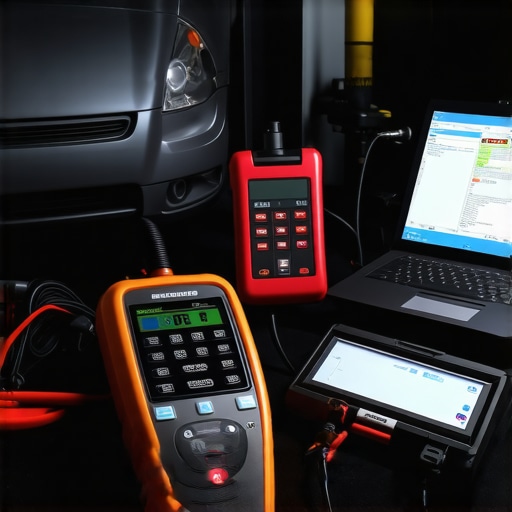
The Sneaky Lessons That Changed My Approach to Car Care
One of the biggest lightbulb moments I had was realizing that even meticulous routine maintenance isn’t enough if I don’t truly understand my vehicle’s unique needs. For instance, I used to trust that an oil change every 5,000 miles was sufficient, but I overlooked the importance of analyzing oil health using tools like oil testing kits. That oversight nearly cost me a new engine. The most valuable lesson? Personalized monitoring is irreplaceable—just like my health, my car’s engine tells me when it’s in trouble if I listen carefully.
Tools I Can’t Live Without for Modern Car Maintenance
Over time, I discovered that equipping myself with advanced diagnostics like the vacuum extraction system and oil analysis labs transformed my approach. These tools provided insights that no standard check could reveal, such as early signs of oil breakdown or transmission wear. Trust me, investing in high-quality equipment and learning how to interpret their data has been a game-changer—saving me from costly repairs and downtime. If you’re serious about your vehicle’s health, these resources are worth every penny.
Making Maintenance a Mindful Practice, Not a Chore
What truly shifted my perspective was viewing maintenance as a way to actively care for my vehicle, rather than just ticking off a to-do list. I set reminders to check the oil viscosity, inspect for leaks, and review the vehicle’s diagnostic readings regularly. This proactive mindset empowered me to catch issues early, like when I noticed my transmission’s shifting pattern began to change subtly—long before a warning light appeared. My advice? Embrace the habit of curiosity and vigilance—your car will thank you with reliable performance and extended lifespan.
Where Knowledge Meets Practical Action
The real advice I wish I’d followed sooner is integrating continuous learning with hands-on action. Reading articles about oil compatibility and participating in forums has expanded my understanding, but applying that knowledge through tools like precise transmission diagnostics has been the real key. The synergy of learning and doing creates a cycle of continuous improvement—making your vehicle more resilient and your wallet happier.

![3 Reasons Your 2026 Hybrid Oil Smells Like Fuel [Fast Fixes]](https://autofixclinic.com/wp-content/uploads/2026/04/3-Reasons-Your-2026-Hybrid-Oil-Smells-Like-Fuel-Fast-Fixes-1.jpeg)