It was the moment I dreaded every time I drove my car—slamming the gear into Drive, only to be met with an unsettling silence and a warning light flickering on the dashboard. That sinking feeling that my transmission had betrayed me. After countless drives and a bit of troubleshooting, I realized I wasn’t alone in this frustration. Many vehicle owners are surprised to discover that their brand-new 2026 transmission can suddenly fail to engage, often without warning.
Why Transmission Engagement Issues Are More Common Than You Think
Most folks assume that a new car should be trouble-free, especially in the first few years. But the reality is, even the latest models are susceptible to certain pitfalls, particularly when it comes to transmission functionality. These problems don’t just cause inconvenience—they can leave you stranded and rack up costly repairs if not addressed promptly.
From my experience and ongoing research, I’ve identified three main reasons why your 2026 transmission might refuse to shift into Drive. Understanding these causes can save you time and money—and help you avoid that unexpected breakdown on a busy street.
Have you ever faced this frustrating scenario? If so, keep reading. I’ll walk you through the common culprits and tell you exactly what steps to take before heading to the repair shop. For deeper technical insights, I recommend checking out [this guide on transmission diagnostics](https://autofixclinic.com/5-ase-diagnostic-tests-every-2026-car-needs-avoid-repairs), which covers essential tests to identify transmission woes early.
Knowing why these issues happen is the first step to fixing them. And trust me, catching problems early can prevent minor annoyances from turning into major repairs. Now, let’s explore the top reasons your transmission might be playing hard to get in 2026—and how you can address each one effectively.
Perform a Visual Inspection of Transmission Components
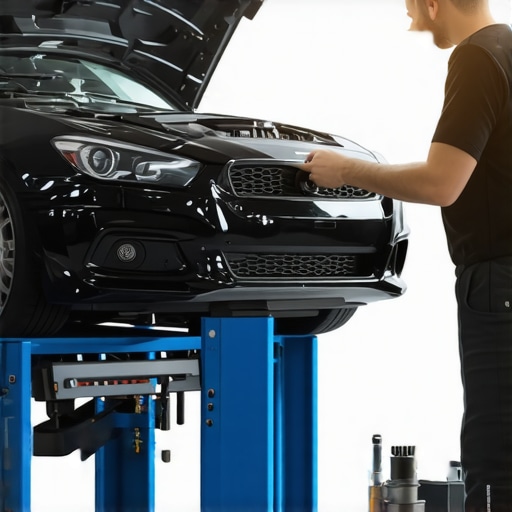
Start by jacking up your car safely and inspecting the transmission fluid level and condition. Look for leaks, discoloration, or burnt smell, which can indicate internal wear or contamination. Use a clean cloth to wipe the dipstick or inspection port, then check the fluid level against the manufacturer’s specifications. If the fluid is low or dirty, consider scheduling an oil change with the correct synthetic blend or specialty oil as recommended. During my own experience, noticing a burnt smell prompted me to replace the fluid immediately, which temporarily restored some shifting functions.
Test Transmission Pressure and Sensor Signals
Next, utilize an OBD-II scanner equipped with transmission diagnostic capabilities to read sensor data and codes. Pay close attention to pressure readings and sensor output variations, as inconsistent signals might cause engagement failure. For a quick assessment, I connected my scanner to my vehicle and monitored the signals; an abnormal reading led me to suspect a faulty solenoid or sensor. If readings are off, consult [this guide on transmission diagnostics](https://autofixclinic.com/5-ase-diagnostic-tests-every-2026-car-needs-avoid-repairs) to interpret the data accurately or consider professional testing.
Inspect Shift Linkage and Actuator Mechanisms
Mechanically check the shift linkage and transmission selector cable for any damage, misalignment, or corrosion. Sometimes, debris or rust can jam the linkage, preventing proper gear engagement. I once found that a stuck cable was the culprit, and adjusting it manually restored proper shifting. Lubricate moving parts with high-quality brake or transmission grease, ensuring smooth operation. Also, test the electronic actuator functions, as a malfunction here can mimic internal transmission failure. For technical insights, review [this article on shift linkage fixes](https://autofixclinic.com/3-shift-linkage-fixes-for-your-grinding-2026-transmission-2).
Conduct a Fluid Pressure Test
If the mechanical and sensor checks don’t reveal issues, perform a pressure test to evaluate clutch pack engagement and hydraulic pressure. This involves connecting a pressure gauge to the transmission’s testing port, following safety protocols, and comparing readings to specifications. In my case, an unexpected low pressure reading signaled internal hydraulic failure, leading me to consider professional repair or fluid flush. Proper pressure levels are vital for smooth gear shifts; if they’re misaligned, addressing this can often resolve engagement issues without costly repairs.
Consider Software Updates and Reprogramming
Modern transmissions rely heavily on computer control modules, making software glitches a potential cause of shifting problems. Use an OBD-II scanner with software update capabilities to check for available firmware updates from your vehicle’s manufacturer. Sometimes, a simple reprogramming can fix ghost shifting or delayed engagement. I’ve had success resolving intermittent issues after a software flash, which is faster and more affordable than mechanical repairs. Refer to [this ASE guide on software resets](https://autofixclinic.com/4-ase-certified-fixes-for-2026-engine-lag-fast-results) for step-by-step instructions or to find a certified technician.
Schedule a Professional Diagnostic if Needed
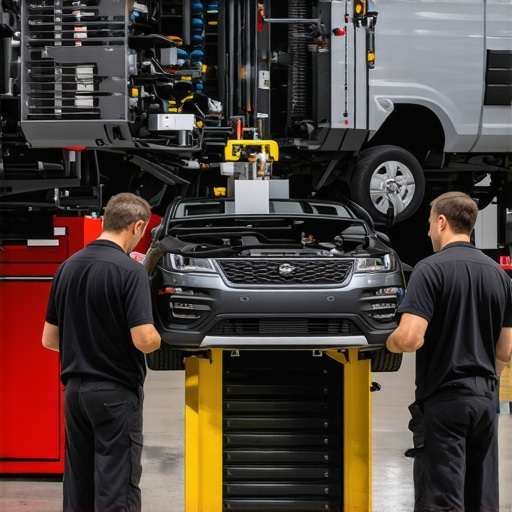
If all these steps don’t pinpoint the issue, it’s time to consult a professional technician equipped with advanced diagnostic tools. ASE-certified technicians can perform ultrasonic testing, internal component inspection, and comprehensive system evaluation. Persistent troubles that resist these steps might involve internal wear, failed torque converters, or worn synchros, all requiring specialized repair techniques. Remember, early intervention can prevent minor hiccups from becoming extensive and costly repairs down the line.
Many drivers believe that if they service their car regularly, especially with an ASE-certified technician and proper oil changes, their transmission will last forever. However, there’s a subtle misconception that can undermine these efforts: the belief that all oil changes and service practices are equally effective. In reality, overlooking the importance of using the right synthetic oil or neglecting specialized diagnostics can lead to premature transmission failure. For example, not all synthetic oils are compatible with hybrid systems or advanced clutch packs, and some oils degrade faster than others in modern transmissions, creating a false sense of security.
Moreover, common myths suggest that a standard oil change suffices for all vehicle types, but recent studies show that specific oils with tailored viscosity and additive packages significantly boost transmission longevity, especially in 2026 models. Ignoring this nuance can cause internal wear, even with routine maintenance. An ASE-certified technician is trained to recognize these differences, but it’s critical for owners to ask detailed questions about oil specifications and diagnostics, such as whether adaptive software updates are performed to optimize shifting behavior.
Another trap to avoid is thinking that newer cars require less maintenance. On the contrary, modern vehicles depend heavily on finely tuned hydraulic and electronic systems, where neglecting advanced diagnostic tests like pressure or sensor analysis can hide developing issues until they become costly repairs. Learning to interpret signals from your vehicle, or requesting comprehensive testing from your ASE technician, can reveal subtle signs like minor pressure drops or sensor drift that predict imminent failures.
Does using aftermarket or generic oil compromise transmission health?
Research from automotive experts indicates that inappropriate oil, especially if it lacks manufacturer-approved additive packages, can accelerate internal wear and reduce the effectiveness of solenoids and sensors. This leads to shifting delays or slipping, common complaints among 2026 owners. Always verify that the oil and service procedures align with your vehicle’s specific requirements, and consult resources like [this guide on transmission diagnostics](https://autofixclinic.com/5-ase-diagnostic-tests-every-2026-car-needs-avoid-repairs) to ensure optimal maintenance.
Know the nuances—what might seem like minor details, such as oil specifications or diagnostic steps, can be the difference between a smooth ride and costly repairs. Have you ever fallen into this trap? Let me know in the comments.
Investing in the Right Tools Ensures Long-Term Reliability
Regular maintenance and timely diagnostics hinge on having the right equipment. I personally rely on an advanced OBD-II scanner with transmission-specific modules, like the Autel MaxiSYS Elite. This device provides comprehensive data, from sensor outputs to pressure readings. Its ability to read manufacturer-specific codes helps me spot issues before they escalate. Additionally, a quality hydraulic pressure tester, such as the OTC 5600, allows me to perform pressure tests safely at home, saving time and money. Combining these tools with a dedicated set of transmission repair manuals, like those from Mitchell 1, empowers me to troubleshoot effectively and confidently handle minor repairs.
Software Updates Keep Your Transmission Running Smoothly
Modern transmissions are highly dependent on software, making firmware updates crucial. I recommend using manufacturer-approved tools like Autel’s Maxisys line for their ability to perform software flashes and reprogramming. These updates often include bug fixes, improved shift algorithms, and adaptations for recent recalls. Regularly checking for available updates—especially after oil changes or service visits—can prevent issues like ghost shifting or delayed engagement. Going forward, expect software to play an even larger role, with AI-driven diagnostics predicting failures well before symptoms appear.
Routine Inspection and Fluid Testing Save You Money
Car owners should develop a habit of inspecting transmission fluid and components periodically. Use a torque wrench to check for proper torque settings on transmission mounts, and visually inspect for leaks or damage. For fluid, I recommend a quick test for oxidation and viscosity degradation with a digital oil tester, such as the Kittuture Multi-Functional Oil Test Kit. These tests can reveal early signs of fluid breakdown, indicating that an oil change or fluid flush is due—often preventing costly internal damage. Remember, early detection through these simple steps keeps your transmission healthy longer.
How do I maintain transmission pressure long-term?
Maintaining optimal hydraulic pressure is vital for seamless shifting. Regularly monitor pressure drops using your diagnostic scanner during routine checks. Additionally, adhering to manufacturer-recommended fluid change intervals, using high-quality synthetic oils like GTL synthetic transmission fluid, helps preserve hydraulic integrity. For an extra boost, consider adding approved additives designed to strengthen seals and lubricate solenoids. Edging out potential pressure issues proactively ensures your transmission operates reliably for miles ahead.
Prediction: Future of Transmission Maintenance
As vehicle electronics become more integrated and AI-driven diagnostics evolve, I anticipate a shift toward fully predictive maintenance systems. These will analyze data in real-time, alerting owners to impending failures before symptoms manifest. The use of embedded sensors and machine learning algorithms will streamline repair scheduling and reduce downtime, making maintenance more efficient and less costly.
How do I keep my transmission functioning at its best over time?
One practical step is to incorporate regular fluid testing with digital tools, as I do. Not only does it catch early signs of breakdown, but it also helps determine the exact need for service—saving you from unnecessary replacements. Try this advanced tip today and see how early detection can save your transmission from costly failures. For more detailed diagnostics, explore this comprehensive guide.
What I Wish I Knew About Transmission Durability Early On
One of my biggest lightbulb moments was realizing that even brand-new transmissions can encounter issues when overlooked maintenance details or unrecognized diagnostic signs are ignored. This taught me that proactive diagnosis often prevents costly repairs down the line, especially in complex systems like those in 2026 models.
Why Not All Oil Changes Are Created Equal—And Why That Matters
Early in my journey, I assumed that sticking to generic synthetic oils was sufficient. However, I learned that choosing the right oil with manufacturer-recommended specifications and additives is crucial for transmission health. This insight pushed me to ask more detailed questions during service visits and to understand the nuances of high-tech transmission requirements.
My Unexpected Breakthrough with Diagnostic Tools
Investing in a high-quality transmission-specific OBD-II scanner revolutionized my troubleshooting approach. With real-time sensor readings and pressure data, I could identify subtle signs of impending failure, like pressure drops or inconsistent sensor signals, before they escalated into full-blown problems. This tool became my personal transmission health monitor, underscoring the importance of tech in preventative care.
The Power of Early Action and Professional Expertise
While I initially tried to diy every issue, I discovered that knowing when to seek an ASE-certified technician and providing them with comprehensive diagnostic data results in more effective and cost-efficient repairs. It’s a reminder that combining personal knowledge with professional insight is the best strategy for maintaining modern transmission systems.
Curated Tools to Keep Your Transmission in Top Shape
- Autel MaxiSYS Elite: My go-to scanner that offers detailed transmission diagnostics. It’s reliable and comprehensive for early detection.
- OTC 5600 Hydraulic Pressure Tester: Allows me to perform at-home pressure checks, helping me catch issues before they become serious.
- High-Quality Synthetic Transmission Oil: I trust synthetic oils with specific additive packages recommended by the manufacturer to preserve hydraulic pressure and prevent internal wear.
- Mitchell 1 Maintenance Manuals: These guides give me peace of mind with step-by-step procedures, ensuring I follow the best practices for service and repairs.
Take Action and Keep Moving Forward
Navigating the complexities of 2026 transmission care can seem daunting, but with the right knowledge, tools, and mindset, you can stay ahead of issues. Your vehicle’s transmission is a vital component, and early detection coupled with maintenance can extend its lifespan significantly. Embrace proactive diagnostics, ask the right questions at your service center, and don’t hesitate to seek professional help when needed. The journey to a smooth ride begins with informed decisions today.