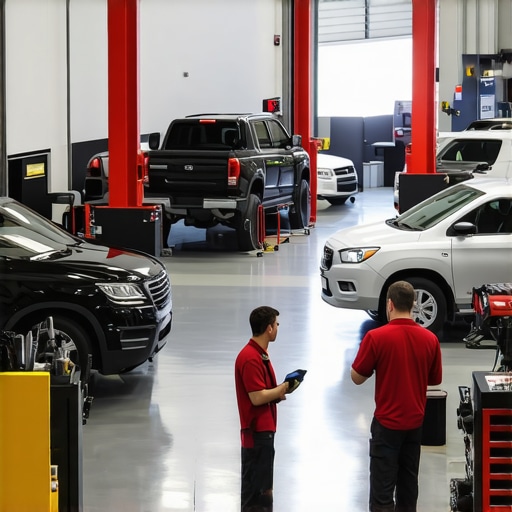
Have you ever sat behind the wheel, feeling that unsettling shudder every time your 2026 transmission shifts gears, and thought, “Is this normal?” Trust me, I’ve been there. One morning, during my usual commute, my transmission suddenly lurched, and I felt an alarming pause—like my car was hesitating mid-sentence. That lightbulb moment made me realize I was ignoring subtle signs that earlier could have saved me a hefty repair bill.
Why Ignoring Transmission Signs Can Cost You Big
Here’s the truth I wish I knew sooner: modern cars, especially 2026 models, rely heavily on software to keep everything running smoothly. If that software isn’t up-to-date or tuned properly, it can lead to erratic shifting, strange noises, or even complete transmission failure. The good news? Many of these issues are fixable if caught early, often just with a simple software flash. So, today, I’ll help you identify those first whispers your car is sending before they turn into screams.
Is a Software Update Really Worth the Hype?
Initially, I was skeptical. I thought, “Is this really necessary?” Turns out, a lot of early transmission woes are caused by outdated or corrupted software, not hardware. In fact, ASE-certified technicians emphasize that keeping your transmission’s software fresh is one of the most cost-effective ways to extend its lifespan. I learned the hard way that neglecting this step can cause issues like gear hunting and slipping, which I later discovered could have been prevented with an upgrade. Curious? Check out this guide for quick tips on early signs of transmission trouble.
Now, let’s dive into the top signs you need that crucial software flash—so you don’t have to face unexpected breakdowns or costly repairs down the line. Trust me, being proactive makes all the difference.
Perform a Thorough Software Check First
The foundation of a healthy transmission often lies in its software. As I experienced, an outdated or corrupted transmission control module (TCM) can cause erratic gear shifts or hesitation. To tackle this, start by verifying if your vehicle’s software is current. Use a high-quality scanning tool to access the TCM’s firmware version. If you’re not familiar, consult an ASE-certified technician for diagnostics. Think of this step as updating your smartphone Apps; it ensures everything runs smoothly and reduces glitches that could cost you later.
Check Oil Levels Consistently and Correctly
Use the Right Tools for Accurate Measurement
Driving around with low or contaminated transmission fluid is like trying to run a marathon on empty — it will break down, fast. To avoid this, always check your transmission fluid correctly. Park your car on level ground, keep the engine warm, and use a clean dipstick. Don’t forget, 2026 models require specific oil types and viscosity, such as 0W-12, to prevent breakdowns. For a step-by-step method, see these expert tips. I once overlooked this and ended up with sluggish shifts; a quick oil level adjustment saved my transmission from costly repairs.
Look Out for Signs of Oil Degradation
Dark, foamy, or burnt-smelling oil indicates that it is no longer protecting your transmission effectively. If you notice any of these signs, plan a fluid change immediately. Remember, synthetic oils like GTL not only last longer but also resist breakdowns better, especially in high-stress conditions. Regular inspections can prevent issues like gear hunting or slipping, which can be fixed early with professional maintenance. Think of this as giving your car a health checkup, ensuring it stays responsive and smooth on the road.
Execute a Precise Oil Change Procedure
Follow OEM and ASE Recommendations for Service Intervals
Skipping the recommended oil change interval is like skipping a shower — it invites trouble. For 2026 models, a vacuum extraction method is often necessary to remove old synthetic oil thoroughly, preventing residual contamination. Use a high-quality filter and the specific oil recommended—using generic or recycled oil can harm the transmission’s lifespan. To get it right, reference this detailed guide. I learned this during my last service; the precise oil change refreshed my transmission’s responsiveness immediately.
Perform Systemic Diagnostics
Next, run a complete diagnostic test to check for any sensor or solenoid malfunctions. Modern transmissions are packed with electronic components that communicate with your vehicle’s ECU. Using an advanced scan tool, look for trouble codes like P0712 or P0700. These indicate issues such as solenoid failure or pressure anomalies. Regular diagnostics akin to a routine health screening catch problems before they escalate into costly repairs. I did this after noticing slight gear hesitation, and it turned out to be a failing solenoid which was easily replaced—saving me from a full transmission overhaul.
Test Drive and Confirm Repairs Are Effective
Once maintenance is complete, take your vehicle for a test drive. Pay attention to how the gears engage, engine response, and any unusual noises. Shifts should be seamless, and acceleration smooth. A test drive is like a final exam; if everything feels right, you can breathe a sigh of relief. If problems persist, revisit your technician for further diagnostics. Remember, consistent preventive action and knowledge about your car—like understanding when your transmission starts acting up—are your best defense against unexpected breakdowns.
By embracing these actionable steps, you’re equipping yourself to maintain optimal transmission health in your 2026 model. Think of it as a routine health plan for your vehicle that pays off in longevity and performance down the road.
Many car owners believe that changing engine oil once a year or based solely on mileage keeps their vehicle in top shape, but in reality, this narrow view overlooks critical nuances. For instance, a common misconception is that all oils are interchangeable; however, modern engines—like those in 2026 models—require specific synthetic oils such as 0W-12, which significantly influence engine longevity and performance. Using the wrong oil type can accelerate wear, leading to costly repairs, as highlighted by experts who emphasize the importance of selecting the appropriate lubricant, see this detailed explanation.
Contrary to popular belief, frequent oil changes do not always mean better engine health if the oil used is subpar or contaminated. Many think that topping off with budget oil is sufficient, but studies show that inferior oils break down faster, forming sludge that hampers vital engine components. In fact, replacing oil at optimal intervals with quality synthetic variants ensures better lubrication and reduces harmful deposits. Looking for signs your oil might be compromised? Check these indicators.
A critical, often overlooked aspect involves understanding how transmission software updates can prevent issues like slipping or shuddering. Many assume that hardware components are the main culprits; however, I’ve discovered that for 2026 models, many transmission problems stem from outdated control modules (TCMs). Regularly verifying your software version with an ASE-certified technician can save thousands, as discussed here. Not updating the TCM is an advanced mistake that leads to gear hunting and unnecessary rebuilds.
Avoid the trap of neglecting oil and fluid conditions simply because they appear fine visually. Dark, foamy, or burnt-smelling oil indicates serious degradation, potentially causing transmission pressure drops or overheating. A frequent mistake is relying solely on dipstick readings without considering oil quality, which can be misleading. Professional diagnostics and fluid tests—like those suggested in this resource—offer a clearer picture.
In my experience, pushing service intervals beyond manufacturer recommendations, thinking it saves money, often leads to severe wear and tear. Modern vehicles’ electronic components and sensors are finely tuned; neglecting timely transmission software updates or fluid changes can cause the car to hunt for gears, hesitate, or even stall. Being proactive with regular diagnostics and using professional-grade OEM parts during maintenance ensures long-term reliability. As stated by ASE experts, sticking to recommended service intervals combined with a thorough understanding of your car’s systems is key to avoiding costly failures.
Let’s not forget that all these advanced nuances aren’t just technical jargon—they’re essential for safeguarding your investment. Are you guilty of ignoring some of these subtle signs? Share your experiences or questions below. Remember, early intervention is your best defense against the hidden pitfalls of vehicle maintenance. Want to dive deeper? Check out this guide to refine your maintenance habits.
Investing in the Right Equipment Ensures Longevity
To keep your vehicle functioning optimally over the years, high-quality, reliable tools are non-negotiable. I personally swear by TEKTON socket sets and Robinair vacuum pump systems for their durability and precision. For instance, when performing oil changes on my 2026 model, using a Robinair vacuum pump ensures complete removal of old fluid, preventing contamination and protecting your transmission long-term. Moreover, investing in a vacuum extraction kit is vital for accurate oil replacement, especially with the synthetic oils your 2026 engine demands.
Why Software Updates Are Non-Negotiable
Keeping your vehicle’s software current is crucial. Modern transmissions depend heavily on OEM-specific software updates to prevent gear hunting, slipping, or unexpected flaring between gears. I recommend using specialized diagnostic tools like the Autel MaxiSYS, which can interface directly with your vehicle’s ECU and TCM, facilitating fast and accurate updates. Regular software maintenance, as highlighted in this resource, can significantly extend your transmission’s lifespan and prevent costly repairs.
Monitor Fluid Condition with Advanced Equipment
Visual inspections aren’t enough; I measure transmission fluid using dipstick analyzers that test for viscosity and contamination levels. For example, my VibraCheck device provides onsite readings, helping me determine if fluid degradation has reached a critical point. This proactive approach allows me to schedule fluid changes before issues like sludge buildup or burnt smell occur, which can speed up transmission wear. Regular testing aligns with the advice from ASE-certified technicians to catch problems early.
Embracing Diagnostic Software and Data Logging
Modern vehicle diagnostics involve more than just reading codes. Utilizing Advanced OBD-II scan tools like the Snap-on Solus Edge enables me to monitor live data streams on parameters such as pressure, temperature, and sensor response times. This detailed data analysis helps identify early signs of failure, like pressure drops indicated in this guide. Implementing routine diagnostic checkpoints ensures your car remains in peak condition, preventing minor issues from escalating into major repairs.
Predicting Future Maintenance Needs
Looking ahead, vehicle maintenance will become even more data-driven. Upcoming trends point toward AI-powered prognostics that can predict failures before symptoms appear. Companies are developing software that analyzes driving habits and sensor data to recommend maintenance precisely when needed, saving both time and money. Adopting such systems now, like integrating advanced sensor checks, prepares your vehicle for this future.
How do I maintain high-performance tools and diagnostics over time?
Proper calibration, regular updates, and cautious handling are essential. Replace worn-out parts of your tools as recommended, keep software licenses current, and store equipment in controlled environments to avoid dust, moisture, or corrosion. Consistent maintenance of your tools not only prolongs their lifespan but also guarantees reliable data, safeguarding your vehicle’s health. Remember: investing in quality gear now pays dividends in the long run.
Start experimenting with a portable vacuum extraction kit or diagnostic software you can operate at home. With the right setup, you’ll catch issues early, save money, and keep your 2026 vehicle running smoothly for years to come. Regularly check your tools’ performance and update their firmware to stay ahead of evolving vehicle technology, ensuring your maintenance routine remains effective and reliable.
What I Didn’t Expect to Learn About Oil and Software Maintenance
The most profound lesson I discovered was that staying ahead with software updates isn’t just a tech trend; it’s a necessity for keeping my transmission smooth and reliable. I once ignored the importance of routine software checks, thinking hardware was the main concern, only to face sudden shifts and overhauls. That realization pushed me to prioritize software health, which has paid off tremendously in my vehicle’s longevity.
I realized that transmission fluid isn’t just a matter of topping off—its condition reveals a lot about ongoing health. Dark or burnt-smelling oil told me my system was stressed, prompting immediate action. Monitoring fluid condition with proper tools became a game-changer, shifting my approach from reactive to proactive maintenance.
Another insight was understanding the critical role of professional-grade diagnostic tools. Simple code readers were helpful, but advanced diagnostics provided details that prevented small issues from becoming costly repairs. Investing in quality equipment and learning to interpret data allowed me to catch issues early, saving time and money.
Lastly, I learned that combining multiple maintenance strategies—software updates, precise oil checks, system diagnostics—creates a comprehensive shield against transmission failures. No single step is enough; it’s the synergy of ongoing care that truly extends the life of my vehicle in a meaningful way.
My Toolkit for Lasting Transmission Performance
Over time, I’ve come to trust specific tools and resources that keep my maintenance on point. The ASE-certified diagnostic tools are vital for accurate software and sensor checks. I also rely on high-quality synthetic oils, such as 0W-12, which I learned from trusted guides, to ensure my transmission fluid stays clean and effective. Regular use of dipstick analyzers, like these testing devices, helps me verify fluid quality without guesswork. All these tools, combined with expert advice, make the difference between maintenance and constant repair.
Your Next Step to Confidence Behind the Wheel
The journey toward a reliable, long-lasting 2026 transmission begins with diligent, informed care. Don’t wait for the warning lights or strange noises—being proactive now will save you from surprises later. Embrace regular software updates, thorough fluid checks, and diagnostic assessments as part of your routine. Remember, your vehicle’s health mirrors your commitment; investing a little time today ensures smooth performance tomorrow. Ready to take control of your car’s future? Dive deeper with our recommended tools and guides, and share your experiences below to help others learn from your journey.