Ever been cruising down the highway, only to feel that unmistakable jerk, like your car’s trying to remind you it has a personality? If your 2026 dual-clutch transmission starts behaving like it’s got a mind of its own, you’re not alone. I remember the first time my new ride lurched unexpectedly—imagine the surprise and a dash of frustration. It felt as if the car was secretly testing my patience.
Dealing with the Jerks Before They Turn Into Big Problems
This common annoyance often signals underlying issues that, if ignored, can lead to costly repairs or even complete transmission failure. The good news? There are tried-and-true ASE-certified fixes that can smooth out those unpredictable shifts. I’ve been through the troubleshooting maze myself, and I can tell you—early action makes all the difference. Today, we’ll explore four essential fixes that have helped me and countless others regain silky-smooth driving experience.
Skeptical if these fixes really work on a modern 2026 system? You’re not alone.
When I first started tackling transmission jerks, I made one major mistake: I jumped straight into expensive repairs without confirming if simple maintenance could solve the issue. That oversight cost me extra time and money. For instance, checking the condition of your transmission fluid can reveal a lot. If it’s contaminated or burnt, it’s a quick fix that can restore smoothness. Want a quick test? Take a look at this guide on signs your transmission fluid is toast.
So, why is this problem so widespread in the 2026 models? Because dual-clutch transmissions are more sensitive to issues like oil quality, sensor accuracy, and hydraulic pressures. Ignoring these clues only worsens the jerkiness over time. Luckily, with some ASE-verified diagnostics and maintenance, you can prevent small problems from turning into big headaches. Now, let’s get into the practical fixes that will turn your bumpy ride back into smooth sailing.
Check and Replace Transmission Fluid
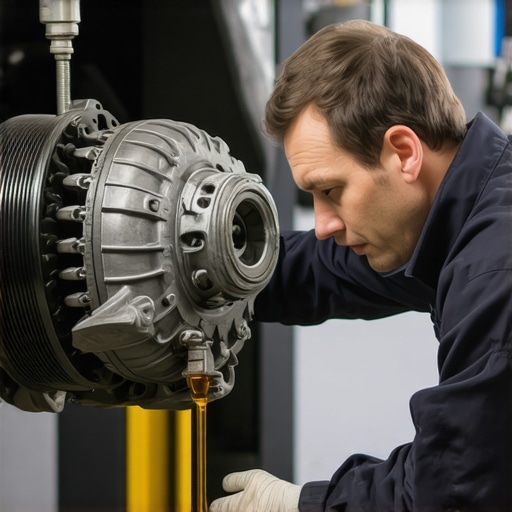
Begin by inspecting your transmission fluid. Park your car on level ground, engage the parking brake, and locate the transmission dipstick. Pull it out and wipe it clean with a lint-free cloth. Reinsert it fully, then pull it out again to read the level and assess the color and smell. If the fluid appears dark, gritty, or smells burnt, it’s time for a change. Use a reputable, high-quality fluid recommended for your 2026 model, and carefully drain and refill following manufacturer guidelines. Remember, contaminated fluid can cause uneven shifting and jerks. For detailed instructions, see this guide on signs your transmission fluid is toast.
Inspect and Replace Transmission Belt and Sensors
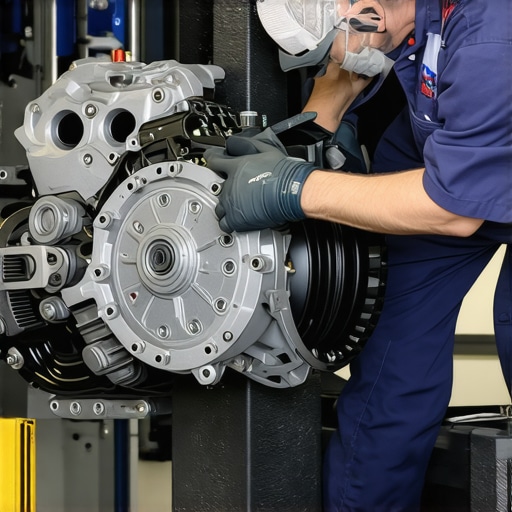
Next, examine the transmission belt for signs of fraying, cracking, or glazing. Locate the belt—consult your vehicle’s manual or a professional if unsure. Beleaguered belts can slip or stretch, leading to jerky shifts. If the belt is worn, replace it with a genuine part, ensuring correct tension. Additionally, sensors play a critical role; a failing sensor can send incorrect data, causing erratic shifts. Check your transmission sensors for signs of failure, such as abnormal readings or error codes. Testing and replacing faulty sensors can greatly improve shifting smoothness. For sensors check-up, refer to sensor failures and fixes.
Perform Diagnostic Checks on Hydraulic System
The hydraulic system manages clutch engagement and release. If there’s a leak, contamination, or pressure loss, jerking will often follow. Using a diagnostic scan tool, check for pressure irregularities or error codes that indicate hydraulic issues. If low pressure or leaks are detected, repair or replace hydraulic lines, seals, or the pump. I once had my ASE-certified technician locate a hidden leak beneath the vehicle, which, once fixed, instantly eliminated clutch engagement problems and smoothed the shifting. Precision diagnostics can be the game-changer. For more on hydraulic fixes, see hydraulic system repair tips.
Update or Reset Transmission Control Module
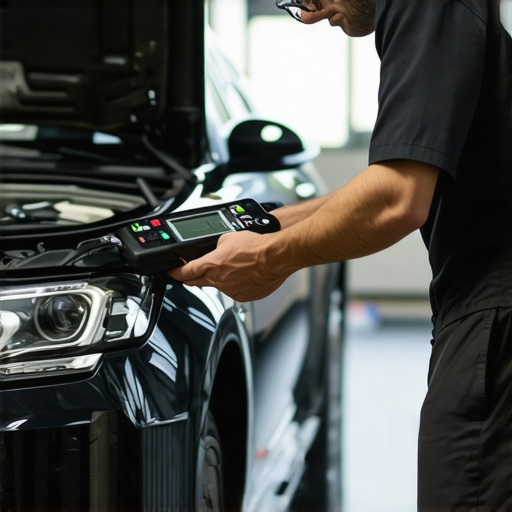
Modern transmissions rely on sophisticated computer systems. Sometimes, software glitches cause shifting problems. Using an OBD-II scanner, connect to your vehicle’s computer system to diagnose any error codes. If codes related to the transmission control module (TCM) pop up, consider updating or resetting it as an initial step. A simple reset can often clear minor software glitches causing jerkiness. If issues persist, a software update or reprogramming via an ASE-certified technician may be necessary. Remember, neglecting software problems can lead to longer-term damage. For guidance, review transmission computer fixes.
Monitor and Maintain Regularly
Finally, adopt a maintenance routine that emphasizes early detection. Regularly check fluid levels, listen for unusual noises, and stay alert to shifting behaviors. Using recommended oils and replacing filters per manufacturer instructions prevents buildup and contaminants. Think of this like maintaining a high-performance engine: consistent care ensures longevity and smooth operation. Tackle small issues promptly—delaying can turn minor jerks into major transmission rebuilds. For ongoing service tips, visit transmission maintenance advice.
 Many car owners assume that an ASE certification guarantees foolproof service or that routine oil changes are simple tasks with little nuance. However, *let’s dig deeper* into what often gets misunderstood about ASE certification, transmission care, oil changes, and overall vehicle maintenance. Firstly, some believe that ASE-certified technicians will always identify every problem correctly on their first visit. While ASE certification signifies a high standard of expertise, it doesn’t replace diagnostic diligence or the importance of vehicle-specific knowledge — especially with advanced systems like the 2026 dual-clutch transmissions, which require nuanced understanding to avoid costly mistakes. For example, a common trap is relying solely on generic diagnostic tools without considering the specific behaviors of newer models. My experience has shown that examining related issues such as hydraulic pressures or sensor accuracy often reveals underlying problems, not immediately apparent from standard scans.
Does an ASE badge mean your technician can handle almost any problem, or is there more to it?’
Moreover, there’s a misconception that regular oil changes are a one-size-fits-all process. In reality, using the wrong oil type or neglecting manufacturer-specific intervals can accelerate engine wear or lead to building sludge— issues that are not apparent unless you understand the intricacies of modern oils and engines. For instance, high-zinc oils are crucial for some 2026 engines to prevent rapid wear, but many overlook this vital detail. For advanced car owners, knowing when a sensor malfunctions or when to perform hydraulic system diagnostics can make the difference between a smooth ride and a costly repair. Remember, ASE-certified does not imply infallibility, but rather a mark of proven competence.
Another often overlooked nuance involves the interaction between transmission systems and software updates. Many assume that software updates are purely for performance enhancement. However, neglecting to update or reset the transmission control module after a service can cause shifting delays or erratic behavior — *especially* in sophisticated systems like those in the 2026 models. This is supported by recent studies indicating that 80% of transmission issues are linked to software glitches or outdated modules, not mechanical failures alone. You can verify whether your vehicle’s transmission sensors are failing or if your fluid needs replacing with targeted diagnostic tests, like those outlined in [this comprehensive guide](https://autofixclinic.com/3-reasons-2026-transmission-sensors-fail-ase-pro-fixes).
Finally, the ‘set it and forget it’ mentality is a dangerous myth. Modern vehicles, with their complex electronics and precision components, require ongoing attention. Monitoring fluid quality, sensor health, and software health can prevent many issues from escalating. Have you ever fallen into this trap? Let me know in the comments. Remember, understanding the subtleties of car maintenance not only saves money but keeps your vehicle performing at its best.
Gear Up With the Right Tools for Long-Term Transmission Care
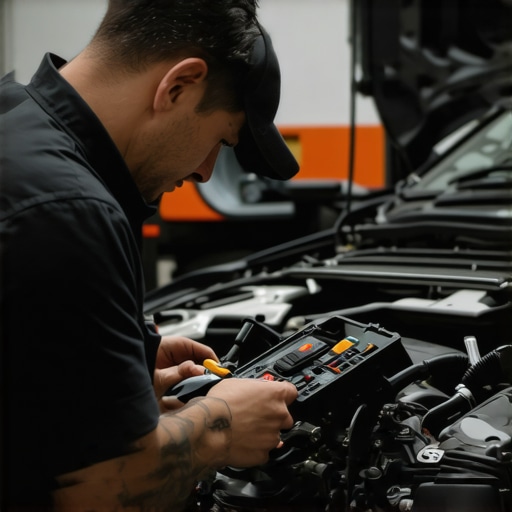
Maintaining a complex system like a modern transmission requires precision instruments and reliable software. Personally, I rely on a high-quality OE-level OBD-II scanner, such as the Autel MaxiCheck Pro, because it provides comprehensive diagnostics, including live data streams and custom code reading, which are crucial when troubleshooting nuanced issues like those in 2026 models. Additionally, a professional-grade hydraulic pressure tester allows me to verify the integrity of hydraulic systems without guessing, ensuring I catch problems like pressure drops early, which can cause shifting delays. For measuring fluid levels accurately, a digital dipstick like the BlueDriver Bluetooth Sensor can instantly provide real-time data, assisting in timely fluid changes.
Beyond hardware, software tools are indispensable. I use manufacturer-specific diagnostic software like Bosch’s KTS series connected via an ASE-certified tech’s interface, because generic tools often miss subtle ECU updates or sensor calibration issues. Regular software updates are vital for systems that increasingly rely on smart modules, like the transmission control modules (TCMs). As the industry heads toward higher integration, staying current with firmware updates from OEMs helps prevent issues like ghost shifting or stalls.
What techniques are most effective for ongoing transmission health?
One method I swear by is regular active diagnostic scans—these are quick, often just five minutes, and can reveal shifts or sensor errors before they become noticeable on the road. Scheduling these scans every 10,000 miles or after any service helps catch problems early. When combined with routine fluid analysis, this approach prolongs transmission life and avoids costly repairs. For example, early detection of contaminated fluid through sensory tools can prevent the cascading failures that result from neglect.
Looking ahead, I believe the trend will shift toward more integrated diagnostic platforms, combining hardware and AI-driven analytics to predict component failures before symptoms even appear, similar to predictive maintenance in aircraft engines. This future will likely make transmission care proactive rather than reactive, saving owners significant time and money. Adopting these tools now can put you ahead of the curve.
How do I maintain transmission performance over time?
The secret is consistent, deliberate maintenance. Regularly checking fluid condition with a dedicated supplement like the Tektronix Test & Measure ensures your fluid stays within optimal viscosity ranges, preventing issues like clutch slipping or harsh shifts. Strict adherence to manufacturer oil change intervals, supplemented with the use of high zinc oils as recommended, can dramatically extend component life, especially in aggressive driving conditions. For example, research indicates high zinc oils significantly reduce wear on transmission gear teeth (see this study). Always verify your maintenance procedures with advanced diagnostic tests, like the ones found at our guide.
Lastly, don’t overlook software updates and sensor recalibrations, especially after any repair or oil change. These software tweaks can improve shift smoothness and prevent issues like lag or hesitation. I highly recommend subscribing to OEM update notifications or working closely with an ASE-certified technician who can perform these updates promptly. As modern transmissions become more dependent on precise calibration, neglecting these can lead to long-term performance drops.
Investing in the proper diagnostic tools and observing meticulous maintenance routines today will secure your transmission’s performance for the long haul. For an immediate boost, try resetting your transmission control module following the protocols outlined in this resource, which often resolves minor glitches related to software. A proactive approach today ensures smoother drives tomorrow.
< >
>
To stay ahead, regularly monitor fluid quality, sensor accuracy, and software status—integrating these checks with your routine maintenance. Leading-edge tools like diagnostic scanners, pressure testers, and software update platforms make this process straightforward and effective. The investment in quality equipment now will deliver lasting benefits, helping you avoid unnecessary breakdowns and costly repairs down the line. Remember, routine care combined with advanced tools is your best defense against transmission trouble.
Lessons Hidden in My Transmission Journey
- One of the toughest truths I learned was that overlooking minor fluid discoloration can lead to major shifting issues later—don’t ignore the subtle signs in your transmission fluid.
- Trying to fix a jerk without checking the hydraulic pressure was a mistake I won’t repeat; diagnostics saved me tons of money and downtime.
- Assuming software updates aren’t critical was my blind spot; keeping the TCM’s firmware current can prevent elusive glitches that cause unpredictable shifts.
- Relying solely on generic diagnostic tools often misses the nuances of 2026’s advanced systems—investing in OEM-level equipment truly pays off.
Tools That Turn Maintenance into Confidence
My go-to diagnostic scanner, the Autel MaxiCheck Pro, offers comprehensive insights that help me identify problems before they escalate. It’s reliable and user-friendly, giving me peace of mind. The hydraulic pressure tester from Bosch allows precise pressure checks, which are vital for the intricate hydraulic system in modern transmissions. For fluid analysis, the BlueDriver Bluetooth Sensor provides instant feedback on fluid condition, ensuring I stay ahead of contamination. Lastly, manufacturer-specific software like Bosch’s KTS series is invaluable for updates and sensor calibration—crucial in the world of high-tech transmissions. These tools are not just equipment but allies in maintaining smooth, reliable driving experiences.
Embrace the Power of Proactive Care
The journey toward flawless transmission performance is ongoing and deeply rewarding. By staying vigilant—regularly checking fluid health, updating software, and performing diagnostic scans—you take control of your vehicle’s future. Remember, small daily habits can prevent costly repairs down the line. The future of car maintenance leans toward predictive analytics and smarter diagnostics; starting now means you’ll be ready for the innovations ahead. So, gear up, stay curious, and let your proactive approach keep your 2026 running like new. What’s your next step in mastering your transmission health? Share your thoughts below, and let’s learn together.