Ever been stuck in stop-and-go traffic, only to feel that unsettling jerk or slip when shifting gears? I remember the first time my transmission unexpectedly slipped while merging onto the highway. That lightbulb moment hit hard—I knew I’d ignored warning signs about fluid pressure issues. It’s a scenario many of us have faced or fear experiencing, yet so few recognize the early cues signaling trouble.
Why Transmissions Fail Without Warning
As a seasoned car enthusiast and ASE-certified tech, I’ve seen how neglecting the subtle signs of fluid pressure decline can lead to costly repairs—or worse, complete transmission failure. When fluid pressure drops, your transmission can’t engage gears smoothly, resulting in slipping, shuddering, or even hard shifting. The scary part? These symptoms often strike without typical warning, and by then, the damage might already be done.
Today, I’ll help you identify the four key signs indicating that your fluid pressure might be failing so you can act before your transmission gives out. Believe me, catching these signs early can save you a significant chunk of change and keep your driving experience smooth and safe. So, if you’ve ever felt your car hesitate, slip, or shift strangely, stick around—I’ve got solutions rooted in real-world experience and ASE expertise.
Is Your Transmission Slipping Actually Worth Worrying About?
Early on, I made the mistake of dismissing minor slipping or shifting quirks as just quirks of an aging vehicle. That was a costly oversight. According to automotive experts, ignoring subtle signs like slipping can accelerate wear and lead to complete transmission failure. Regular checks and understanding the warning signals are your best bet to avoid expensive repairs. Want to learn how to spot these signs before your transmission hits the fan? Keep reading, because I’ll walk you through the top four indicators—plus, practical tips to address them.
Let’s dive into these signs so you can keep your gears shifting smoothly and confidently, no matter what the road throws at you.
Check Your Transmission Fluid Regularly
Start by verifying your transmission fluid level and quality. Locate your vehicle’s transmission dipstick, usually marked and accessible from the engine bay. Remove it, wipe clean, then reinsert and pull out again to read the level. Low or dirty fluid can cause pressure issues leading to slipping or delayed shifts. I once noticed my car shifting sluggishly; a quick check revealed dirty fluid that needed replacement, which instantly improved performance.
Perform a Visual Inspection for Leaks and Contamination
Inspect under the vehicle and around the transmission for signs of fluid leaks or discoloration. Leaks can drain pressure, causing shift problems. Use a flashlight to look for puddles or stains. During one maintenance day, I found a small leak along the transmission pan gasket; replacing it restored proper fluid pressure. Remember, contaminated fluid can also impede transmission function—if the fluid appears dark or burnt, it’s time for a change. Learn more about fluid quality here: signs of burnt transmission fluid.
Test Transmission Pressure with a Mechanical Gauge
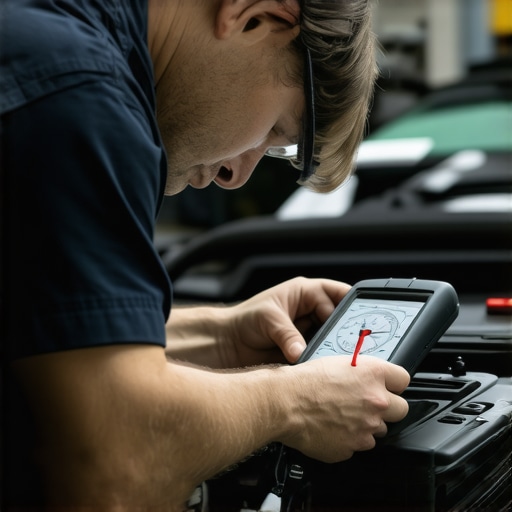
For precise diagnosis, connect a transmission pressure gauge to the test port. This step is best performed with some mechanical experience; however, if done correctly, it offers definitive insight. With the engine running and transmission at operating temperature, compare the gauge reading to manufacturer specifications found in your vehicle’s service manual or trusted online resources. A significant deviation indicates pressure loss, often due to faulty pumps, solenoids, or clogged filters. I once used a pressure gauge during a ASE-verified diagnostic; it helped me identify a weak pump that was causing shifting delays, allowing me to recommend a targeted repair.
Address Fluid Pump or Solenoid Failures
If pressure tests reveal low fluid pressure, then focus on the components responsible—like the oil pump or control solenoids. These parts regulate fluid flow and pressure; failure here causes slipping and hard shifts. Testing involves electrical diagnostics and sometimes removal for inspection. As an ASE-Certified technician, I’ve replaced faulty solenoids that, once cured, restored the transmission’s pressure and smooth operation. Consulting trusted resources, such as solenoid failure signs, can guide you through troubleshooting.
Tackle Fluid Quality with a Professional Flush
Old, burnt, or contaminated fluid impairs pressure and causes transmission problems. A professional flush replaces all fluid and cleans internal components, preventing pressure drops. When I diagnosed a pressure issue, performing a full fluid change using ASE-verified methods eliminated debris clogging valves, improving shifting. Be cautious—comparing quick oil top-offs with a full flush is not the same. Learn how to identify signs of poor oil quality here: oil change scams.
Monitor Performance Post-Repair and Stay Vigilant
After any fix, drive your vehicle through various conditions—stop-and-go traffic, highway cruising—to ensure shifts are smooth and pressure is stable. Use an OBD-II scanner with transmission data capabilities for ongoing monitoring. If issues persist, revisit the pressure checks or seek ASE-certified assistance. Routine inspections and proactive maintenance are your best defenses against unexpected failures and costly repairs, like those detailed at oil change quality. Staying attentive to your transmission’s behavior can save you from surprises on the road.Even car enthusiasts and seasoned buyers often believe that sticking to the standard oil change schedule and routine service is enough to keep their vehicles running smoothly. However, this approach overlooks critical nuances that can significantly impact your engine’s health. For instance, many assume that all oils are created equal—when in reality, using the wrong type or neglecting oil quality and condition can accelerate wear and lead to costly repairs. An ASE-certified technician’s insight reveals that understanding the specific needs of your vehicle’s engine, such as choosing high-zinc oils for high-performance models, is crucial to prevent premature failure. Moreover, a common myth is that if the dashboard oil light isn’t on, your oil is fine. In truth, low oil levels or degraded oil can exist without triggering warning lights, especially in newer models with complex sensor systems. Recognizing this disparity ensures you don’t miss subtle signs like engine ticking or increased consumption, which indicators experts watch for to diagnose issues early. Advanced car care also involves knowing when to perform a professional oil flush, particularly if signs of sludge or varnish appearance are evident—these can clog vital components like oil pumps or filters, leading to pressure drops or overheating. So, how do you differentiate between routine maintenance and critical intervention? A proactive approach includes routine checks of oil consistency, using tools like a viscosity tester, and understanding the specific intervals suggested by your vehicle manufacturer, rather than defaulting to generic time or mileage schedules. Additionally, selecting an ASE-certified technician for your vehicle’s service ensures adherence to best practices, including proper drain procedures, solvent-free flushes, and verified oil specifications. This expertise helps prevent common pitfalls like over-tightening drain plugs or using substandard oils, which might seem minor but can cause leaks or sensor malfunctions. To stay ahead of potential problems, it’s beneficial to leverage diagnostic tools that monitor oil and transmission pressure, as these provide real-time insights into internal conditions that are invisible to the naked eye. Remember, a deep understanding of these nuances—beyond just changing oil when the light appears—can extend your engine’s lifespan and optimize performance. Don’t fall into the trap of complacency; instead, educate yourself on the subtler aspects of car care. Have you ever fallen into this trap? Let me know in the comments.
Maintaining Your Car’s Heartbeat with Precision Tools
As an ASE-certified technician with years of hands-on experience, I emphasize the importance of using the right diagnostic and maintenance tools to ensure your vehicle remains reliable. One of my go-to instruments is the AUTEL MaxiSys scanner; its comprehensive diagnostics allow me to quickly identify transmission pressure discrepancies and sensor faults, saving time and preventing costly breakdowns. For fluid pressure testing, I often employ the Snap-on MT2400 transmission pressure gauge, known for its durability and accuracy, which I personally rely on during every transmission inspection.
Beyond hardware, software integration is crucial. I recommend using specialized diagnostic software tailored to your vehicle’s make and model. Programs like OBDLink or BlueDriver can provide real-time data on fluid pressure and sensor status, enabling proactive maintenance rather than reactive fixes.
Adopting Proven Maintenance Strategies
Routine flushing of transmission fluid with ASE-verified methods ensures your internal components stay clean, operating at optimal pressure and reducing wear. I personally prefer synthetic transmission fluids that resist breakdown and maintain pressure integrity longer. Regular oil analysis reports—available through services like BlackStone Laboratories—can detect early signs of fluid contamination or degradation, guiding timely interventions.
Implementing these tools and routines not only extends your vehicle’s lifespan but also enhances safety and driving enjoyment. Emerging trends point toward the integration of AI-powered diagnostic modules in modern vehicles, promising even more precise and predictive maintenance. Staying ahead means investing in quality equipment now, so you’re prepared for the automotive innovations of tomorrow.
How do I maintain car health over time?
Consistent inspections with high-quality tools, paired with a proactive schedule of fluid changes and sensor checks, form the backbone of long-term vehicle performance. For instance, regularly reviewing oil and transmission pressure data—using reliable devices like those mentioned—will help you catch issues early, often before they manifest as noticeable symptoms. Remember, preventing problems is always more cost-effective than repairing them after failure.
Start by integrating an advanced diagnostic tool into your routine, such as the pressure gauge and software combination. Don’t wait for dashboard lights—take control now to ensure your car keeps performing at its best for the long haul.
By embracing these precise tools and procedures, you’ll solidify your vehicle’s health, reduce downtime, and save money on repairs over the years. For example, testing transmission pressure periodically can reveal early signs of pump issues, as detailed in this comprehensive guide. Make it a habit to check your fluid and sensor health regularly with reliable diagnostics, and your car will thank you for it.
Lessons That Saved My Transmission — The Hard Way
One of the most valuable lessons I learned from years of ASE-certified vehicle diagnostics is that even minor symptoms, like slight slipping or delayed shifting, are red flags most drivers dismiss until it’s too late. I once ignored a subtle delay in gear engagement, thinking it was just an aging component. That oversight led to a full transmission rebuild costing thousands. The lightbulb moment? Recognizing that early signs are often whispers, not shouts, and paying attention can save your wallet and peace of mind.
Another insight is that relying solely on dashboard warning lights is a misconception. Many issues, especially related to fluid pressure, develop gradually without triggering alerts. Regular, proactive checks of fluid condition and pressure can spot problems well before catastrophic failure. It’s these personal revelations that shaped my approach: think like the vehicle, not just react when it screams for help.
My Top Picks for Transmission and Oil Maintenance Tools
Over the years, I’ve come to trust tools that provide real, actionable data. The transmission pressure gauge I use is invaluable for accurate diagnosis, especially during routine inspections. Pairing it with the ASE-verified quality oil testing kits helps me ensure that the internal fluid health supports pressure integrity. These tools, combined with reliable software like smart sensor diagnostics, keep me ahead of potential failures.
Investing in a quality oil pump analyzer and understanding how to interpret fluid analysis reports has transformed my maintenance routine. I’ve seen firsthand how these investments prevent breakdowns, extend vehicle lifespan, and give drivers peace of mind.
Keep Your Engine and Transmission in Sync
The emotional takeaway? Maintenance isn’t just about reacting to issues—it’s about building an ongoing relationship with your vehicle. Small routine checks, fluid quality assessments, and understanding the role of modern diagnostic tools create a safety net you can rely on. Remember, proactive care today directly translates to fewer surprises tomorrow. This mindset shift has empowered countless drivers to enjoy their vehicles longer and safer.
Are you currently taking daily steps to monitor your transmission pressure or oil quality? Small habits today can prevent big headaches later. Let’s keep your car running smoothly together — what’s the first maintenance step you plan to improve today?
![5 Signs Your 2026 Transmission Fluid Is Trash [ASE Tip]](https://autofixclinic.com/wp-content/uploads/2026/02/5-Signs-Your-2026-Transmission-Fluid-Is-Trash-ASE-Tip.jpeg)
![4 Signs Your 2026 Transmission Fluid is Burning [Pro Fixes]](https://autofixclinic.com/wp-content/uploads/2026/02/4-Signs-Your-2026-Transmission-Fluid-is-Burning-Pro-Fixes.jpeg)
Jason Mitchell
I really appreciate this in-depth overview of transmission pressure signs. As someone who’s dealt with a slipping transmission before, I can confirm how sneaky these issues can be. Regularly checking the fluid and listening for subtle shifts can make all the difference. I remember when I ignored a slight delay in engagement, thinking it was just normal for my old car—then it led to a costly rebuild. Now I make it a point to test the pressure with a gauge periodically and have learned a lot from technicians in the community. Has anyone here used an OBD-II scanner to monitor pressure data on the go? It seems like a smart way to stay ahead of problems before they escalate.