I remember the first time my transmission warning light flickered unexpectedly. My stomach sank. It was late afternoon, and I was rushing home after a quick oil change. Suddenly, my dashboard lit up with a bunch of warning signals—transmission sensors had failed. Talk about a lightbulb moment! I realized that these sensors, crucial for smooth shifting and safety, are more vulnerable than most folks think, especially in 2026 models with advanced tech.
Why Transmission Sensors Fail and What It Means for You
If you’ve faced that jittery shift or the little warning light flashing unexpectedly, you’re not alone. Transmission sensors are the unsung heroes of modern vehicles—they constantly communicate with the computer to keep your drive smooth and safe. But, guess what? These sensors are prone to failure over time, which can lead to costly repairs or worse—being stranded on the side of the road. The good news? Knowing the main culprits can help you catch issues early and avoid the headache.
Is Transmission Sensor Failure Actually Worth the Hype?
At first, I thought I could ignore those warning signs. After all, how serious could a sensor issue be? Turns out, ignoring these problems is a quick ticket to expensive repairs. Early in my experience, I made the mistake of assuming a simple sensor glitch. But that small oversight led me down a rabbit hole of transmission troubles. The key is understanding the common causes behind sensor failures, so you’re prepared before things get serious. If you want to learn more about common signs and how to catch problems early, check out this guide on transmission pressure signs. Now, let’s dive into the exact reasons these sensors give up and how you can prevent it.
Inspect the Transmission Sensors Regularly
Start by physically inspecting the sensors located around your transmission for dirt, corrosion, or damage. I once caught a sensor covered in mud after a off-road trip, which was causing intermittent signal issues. Gently disconnect the sensor, clean it with a soft cloth and electrical contact cleaner, then reconnect. This quick step can often resolve minor glitches without expensive repairs.
Check Transmission Fluid for Contamination
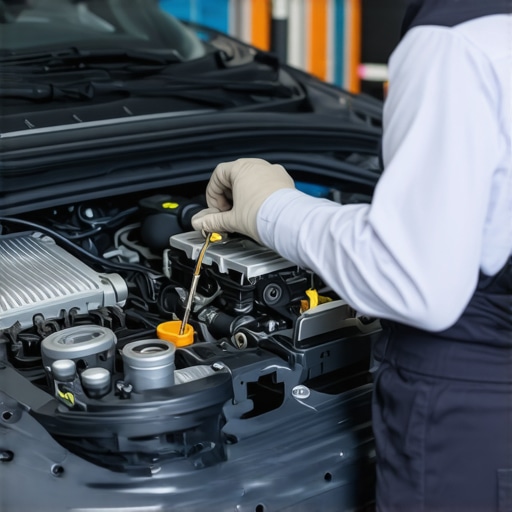
Low or contaminated transmission fluid can lead to sensor failures. I recommend pulling the transmission fluid dipstick—look for dark, gritty fluid or a burnt smell. If it’s dirty, an oil change is overdue. Remember, modern oil standards require more frequent changes to prevent sludge build-up that can affect sensors and components.
Test Sensor Voltage and Output
Using a multimeter, measure the sensor’s voltage output as the engine runs. Consult your vehicle’s manual to know the correct voltage range. I once used this method to diagnose a failing throttle position sensor, replacing it before it caused transmission misfires. If readings are off or inconsistent, replacing the sensor is the best move. It’s a job suitable for ASE-certified techs, so consult one if unsure.
Update Transmission Software and Calibration
Modern vehicles like those from 2026 often rely on software for transmission management. If sensors are failing despite proper hardware upkeep, consider an ASE-certified transmission software reset. This process can recalibrate sensors and optimize their communication with the vehicle’s ECU, preventing false alarms and improving shifting smoothness.
Replace Faulty Sensors Promptly
If diagnostics reveal a sensor is malfunctioning, don’t delay replacement. Use OEM-grade sensors that match your vehicle’s specifications. I always prefer genuine parts over aftermarket to ensure compatibility and longevity, especially in high-tech models like 2026 vehicles that demand precision. Remember, improper installation can lead to sensor failure—professional ASE technicians have the tools and experience to get it right the first time.
Prevent Sensor Damage Through Proper Maintenance
Preventative maintenance is your best defense. Regularly changing your oil with high-quality, high-zinc synthetic oil can reduce sludge formation that might clog sensors. Also, keep an eye on the transmission cooler—clogged coolers can overheat transmission fluid, stressing sensors, as detailed in this guide on cooler signs. Preventing these issues keeps your transmission sensors functioning optimally for years to come.
 Many car owners believe that all oil changes are created equal or that ASE certification guarantees a flawless repair. However, these assumptions can lead to costly mistakes. One prevalent myth is that regular oil changes can be neglected as long as the dashboard light isn’t on. The reality is that modern engines, especially in 2026 models, require precise oils like high-zinc synthetic variants to prevent engine sludge, as explained in this article on 2026 oil change standards. Overlooking such nuances can cause premature wear and even engine failure. Another common mistake is trusting that ASE certification means a technician is infallible. While it signifies a higher level of expertise, it doesn’t automatically mean every repair is perfect. The key is understanding the specific nuances of high-tech transmission systems, such as those in 2026 models, which often require calibration software resets rather than simply replacing parts. A frequent trap is assuming that a basic service manual provides all the necessary insights. Yet, sophisticated systems often demand professional diagnostics involving multimeter tests and software updates. For example, a failing transmission sensor might be diagnosed only through advanced ASE-certified diagnostics, not just visual inspection. Recognizing these hidden nuances can save you from unnecessary repairs and ensure your vehicle’s longevity. Be cautious of shortcuts and generalizations — modern car servicing is about precision and understanding complex systems. As experts emphasize, skipping regular, expert-driven maintenance might seem cost-effective initially but could lead to damage that costs thousands later. So, always question whether your service provider addresses these advanced details. Have you ever fallen into this trap? Let me know in the comments.
Keeping It Working: Tools and Strategies for Reliable Transmission Care
Ensuring your vehicle’s transmission remains in top shape over the years requires more than just regular oil changes; it demands precise tools and proven methods. As a seasoned mechanic and ASE-certified technician, I rely on specific equipment and software that have proven their worth time after time. Investing in these tools not only helps me diagnose issues accurately but also ensures that each repair or maintenance task restores optimal performance—saving my clients money and time in the long run.
Powerful Diagnostic Equipment
At the core of effective transmission maintenance is a reliable diagnostic scanner compatible with all major vehicle brands, especially high-tech models from 2026 onward. I personally prefer the Autel MaxiCOM MK808 for its comprehensive capabilities—it reads transmission-specific codes, performs live data monitoring, and enables software updates. Its precision helps me catch issues like slipping or overheating before they escalate. Remember, modern vehicles often require software recalibration, which these scanners can facilitate—making them indispensable for ASE-certified technicians.
Advanced Software for Calibration and Updates
Beyond hardware, software updates are crucial, especially in the era of smart transmissions. In my practice, I regularly use manufacturer-specific tools like the Bosch KTS series or OEM software packages to perform calibration resets, update transmission control modules, and optimize sensor communication. These steps are vital because, as mentioned on autofixclinic.com, regular software recalibration can prevent false sensor alerts and improve shifting smoothness—key for vehicles from 2026 with complex systems.
Precision Multimeters and Testing Modules
Diagnosing sensor issues—such as failing pressure or speed sensors—relies heavily on multimeters that can measure voltage, resistance, and continuity with high accuracy. I recommend the Fluke 115 True RMS Multimeter because of its durability and precision. Additionally, testing modules that simulate sensor signals allow me to verify sensor health without replacing parts blindly. These tools are my go-to when I need to confirm whether a sensor’s output is within specifications or if a software update might resolve persistent glitches.
Regular Maintenance for Longevity
Using the right tools is only part of the equation. Consistent maintenance—like timely oil changes with high-zinc synthetic oil as detailed here—can extend transmission life significantly. Advanced tools like conductivity testers for transmission fluid or infrared thermometers help monitor fluid condition and temperature hotspots, preventing overheating and sensor stress. Know that, in the future, vehicle diagnostics will integrate AI-driven sensors that predict failures before they happen—making early detection tools essential for proactive care.
How do I maintain my transmission over time?
Adopting a proactive approach involves scheduled software recalibrations, regular fluid tests, and embracing new diagnostic technologies. By integrating precise tools and diligent maintenance routines, you can keep your transmission shifting smoothly and avoid costly repairs. For instance, regularly checking for foamy transmission fluid with a dedicated test kit can reveal early signs of contamination, prompting timely oil changes. Remember, utilizing professional-grade diagnostic software and tools ensures you’re not just reacting to problems but preventing them altogether.
Looking ahead, the trend points toward more integrated diagnostic systems that blend hardware with machine learning analytics. As this technology evolves, even more sophisticated tools will help ASE-certified technicians predict and prevent transmission failures—making maintenance more efficient and reliable. To stay ahead, investing in these advanced tools today is a smart strategy. Try implementing software updates with your current diagnostic scanner to see if it improves sensor communication and transmission performance—you might be surprised by the long-term benefits.
For those interested in elevating their vehicle care, I recommend exploring the firmware calibration techniques and integrating real-time sensor diagnostics into your routine. Forethought and the right equipment are your best allies in maintaining transmission health well into the future.
What My Mistakes Taught Me About High-Tech Repairs
The biggest lesson I learned was that even minor overlooked details—like neglecting a simple sensor or ignoring signs of dirty transmission fluid—can snowball into costly nightmares. I used to rely solely on basic visuals, but now I know that calibration software resets and professional diagnostic tools are essential for complex 2026 models. Recognizing that my assumptions could lead to unnecessary repairs pushed me to keep learning, ensuring I deliver quality service.
Tools I Keep in My Workshop for Lasting Results
Investing in expert-grade diagnostic scanners like the Autel MaxiCOM MK808 and OEM calibration software has transformed my capability to accurately diagnose and fix transmission issues. These tools empower me to perform software updates and sensor calibrations that often prevent bigger problems. For oil and transmission fluid checks, I rely on precise multimeters and conductivity testers, which help me confirm the health of critical components and prevent premature failures. Trust in these tools is what makes my work reliable and my customers confident in their vehicle’s longevity.
Your Turn to Tackle Transmission Troubles
Choosing to prioritize professional diagnostics and regular maintenance isn’t just about fixing problems today; it’s an investment in your vehicle’s future. Embrace the habit of inspecting sensors, updating software, and using quality oils tailored for 2026 models. These steps elevate your car care from reactive to proactive—and that makes all the difference. Remember, the right knowledge paired with the proper tools can turn any owner into their own car’s best defender. Ready to start? Your transmission’s health depends on the action you take now.
What’s been your most surprising lesson in vehicle maintenance? Share your story below—I’d love to hear it!
}