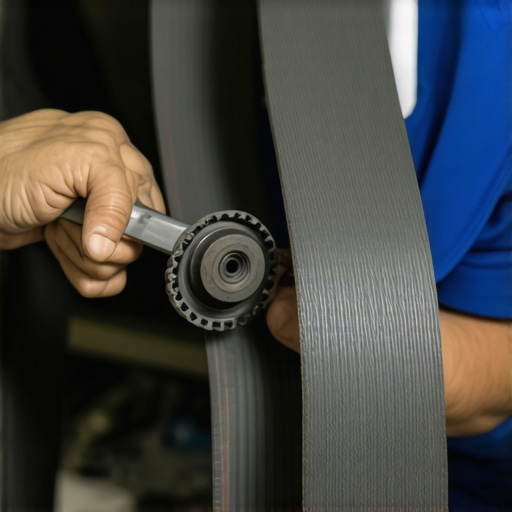
I remember the moment it hit me—my car jerked unexpectedly during a quick stop, and I felt that uneasy sense of dread. As someone who’s been around cars all my life, I knew something wasn’t right. That incident was my lightbulb moment. Turns out, that kind of hiccup could be a warning sign that your CVT belt is fraying, and ignoring it might cost you way more than a simple repair.
Many drivers overlook the subtle signs that their transmission components, like the CVT belt, are wearing out. Especially as vehicles get more advanced, it’s easy to trust the dashboard lights or assume everything is fine until a major breakdown occurs. But here’s the thing—it doesn’t have to be that way. By staying vigilant, you can catch early signs and possibly avoid costly repairs.
So, what do you need to look for? Well, in this post, I’ll walk you through three critical signs that your CVT belt might be fraying. These are signs I’ve personally seen in countless vehicles, and recognizing them early has saved my clients and myself from bigger headaches down the road.
The Importance of Catching CVT Belt Wear Early
Your CVT, or Continuously Variable Transmission, relies heavily on the belt to keep everything running smoothly. When that belt starts to wear or fray, it can lead to slipping, overheating, or even complete transmission failure. According to ASE-certified technicians, failure to recognize early signs can result in expensive repairs or even a full transmission replacement. Don’t let that happen to you.
Think of your CVT belt as the heartbeat of your transmission system—when it’s healthy, everything runs seamlessly; when it’s not, your car’s performance drops like a stone. Many car owners are surprised to learn that a fraying belt can be silent initially, with subtle signs that are easy to miss. That’s why I always recommend learning the key warnings.
Have you ever noticed your car making strange noises or having trouble shifting? If so, the problem might be linked to the transmission belt. Recognizing these signs early can give you a head start. For more insights on safety and preventive maintenance, check out [this guide on ASE-certified car service tips](https://autofixclinic.com/top-ase-certified-car-service-tips-for-long-lasting-reliability).
Now, let’s get into the practical signs that could save you a lot of trouble if detected early.
Inspect Your Transmission Regularly
Start by scheduling routine checks—trust me, I once caught a fraying CVT belt during a quick inspection before a long road trip, saving myself from a costly breakdown. Use a flashlight and a mirror to see under the vehicle’s hood, especially if you notice slipping or delayed acceleration.
Listen for Unusual Noises
Pay attention to sounds like whining or squealing when the car is in motion. These noises often indicate the belt is slipping or fraying. When I heard a high-pitched squeal on a client’s car, it prompted an immediate look, revealing minor fraying that could have worsened into failure within weeks.
Observe Driving Behavior
Note if your vehicle struggles to accelerate smoothly or if there’s a feeling of shuddering during shifts. Such symptoms are common in early CVT belt wear and can be mistaken for other issues. Regularly testing your car’s response can help detect problems early.
Check for Transmission Slipping
To verify, accelerate gently and observe if the RPMs jump without a corresponding increase in speed. A slipping belt might cause this. If detected, it’s wise to consult an ASE-certified mechanic, as detailed in this guide for signs of transmission issues.
Monitor Fluid Levels and Quality
Low or dirty transmission fluid can accelerate belt wear. Regularly check your fluid levels and condition. If you notice the fluid is dark or smells burnt, it could be a sign that the belt is deteriorating, or that other transmission components are under stress. For precise steps, see this article on fluid maintenance.
Learn to Spot Early Signs of Damage
Familiarize yourself with visual cues—cracks, glazing, or missing chunks on the belt. During a routine service, I once discovered minor glazing on a belt, which, if ignored, could have led to slippage. Now, I always advise clients to periodically review their transmission components or have a professional do it.
Use Proper Inspection Tools
Employ a mirror, flashlight, and if possible, a borescope for detailed inspection. This approach mirrors what ASE mechanics do to diagnose hidden issues, as referenced in this resource. Consistent inspections can spot fraying early, saving considerable money and inconvenience.
Address Issues Promptly
If you notice any signs—noises, slipping, or visual wear—don’t delay repairs. Early intervention often involves simple belt replacement, which is far less expensive than waiting for complete transmission failure. My experience shows that quick action drastically improves vehicle longevity, especially when following the guidance from this expert article.
Many drivers believe that simply following basic service schedules and trusting ASE certification guarantees their vehicle’s longevity. But in my experience, there are deeper complexities and pitfalls that most people miss, leading to costly mistakes. For example, a common myth is that all oil changes are created equal—yet, the type of oil, timing, and application techniques can make או break engine health. Simply relying on the phrase “ASE certified” as a guarantee often lulls owners into complacency, when in fact, certification emphasizes best practices but doesn’t replace personalized diagnostics or nuanced maintenance strategies. Additionally, many fail to recognize that complex systems like transmissions demand proactive attention; waiting for overt signs like shuddering or slipping to act is a mistake. These symptoms often manifest only after considerable damage has occurred, making early detection critical. An advanced oversight is neglecting the importance of fluid quality, which influences component wear far more than most realize. As a matter of fact, a study by SAE International indicates that proper fluid management extends transmission life significantly, emphasizing that maintenance is more than just regular oil changes—it requires an understanding of fluid properties and system compatibility. Moreover, some owners fall into the trap of ‘one-size-fits-all’ schedules, unaware that driving habits, climate, and vehicle age require tailored service plans. For instance, turbo engines in 2026 vehicles need specific oil formulations and service intervals to prevent sludge buildup and turbo failure—issues that are often underestimated. Checking oil level and condition regularly can prevent catastrophic failures; I often advise using tools like a borescope or professional inspections to catch early signs of wear that routine checks may miss. The key takeaway here is that mastery of vehicle maintenance involves a blend of certified best practices and a nuanced understanding of your car’s unique needs—failing which, minor issues may develop into expensive repairs. As you plan your next service, consider these nuances and avoid common pitfalls that could undermine your vehicle’s reliability. Want to dive deeper? Read more about how to optimize your maintenance routines and avoid costly mistakes in [this guide on ASE-certified car service tips](https://autofixclinic.com/top-ase-certified-car-service-tips-for-long-lasting-reliability). Have you ever fallen into this trap? Let me know in the comments.
Your Maintenance Arsenal: Tools I Trust
Being proactive about vehicle health requires the right equipment. I personally rely on a high-quality borescope camera, which allows for detailed inspection of transmission components without dismantling everything. This device provides real-time visuals of belts and internal parts, making it easier to spot fraying or cracks early. Additionally, an infrared thermal camera is invaluable for detecting hotspots in transmission areas, indicating potential overheating caused by belt slipping or electrical issues. For routine oil level checks, I prefer a digital oil tester, which provides precise readings quicker than traditional dipsticks and helps avoid the mistake of neglecting oil quality, a common cause of engine wear.
Leverage Software for Monitoring and Diagnostics
Modern vehicles are equipped with numerous sensors that communicate data about transmission and oil health. I recommend installing a professional-grade OBD-II scanner with comprehensive diagnostic capabilities, such as the BlueDriver or FIXD. These tools transmit data directly to your smartphone, allowing you to monitor real-time conditions and receive alerts for anomalies like high transmission temperature or low oil pressure. Regularly reviewing this data can help catch issues before they escalate, aligning with the trend toward smarter, connected car maintenance. According to this article, integrating diagnostic tools into your routine is key to long-term reliability.
Adopt a Consistent Maintenance Schedule
Creating a maintenance calendar based on your vehicle’s manufacturer’s recommendations and your driving habits is vital. I set reminders every 5,000 miles to perform oil changes and transmission fluid checks, paying close attention to fluid color and smell—signs that can indicate early wear, as detailed in this resource. Using the right tools for these checks reduces the risk of overlooking subtle signs of degradation. Also, consider professional fluid analysis periodically for a more detailed assessment, especially if you tow or drive in challenging conditions.
Predicting the Future of Maintenance
As vehicle technology continues to evolve, I foresee a shift toward AI-driven diagnostics that can anticipate failures before symptoms occur. This will empower owners to schedule repairs proactively, reducing downtime and repair costs. Embracing these innovations now, like smart sensors and real-time monitoring, will give you a significant advantage in maintaining your car’s health.
How do I keep transmission components in top shape over time?
Consistency is key. Regular inspections using advanced tools like borescopes and thermal cameras, coupled with real-time data from diagnostic apps, help catch issues early. Moreover, staying informed through expert advice and reputable resources ensures your maintenance approach adapts to new challenges. For example, proactively replacing transmission fluid before it gets too contaminated can prevent costly failures—check out this guide for detailed signs that indicate it’s time for a change. By integrating these tools and strategies, you turn maintenance from a task into a powerful safeguard for your vehicle’s longevity. Why not start by testing your transmission temperature with an infrared camera this week? It’s a simple step that can reveal a lot about your transmission’s current health.
Lessons from My Own Experience with Transmission Care
One of the hardest lessons I’ve learned is that neglecting the small signs of CVT belt wear can lead to catastrophic failure. Paying attention to subtle noises and sensations in your vehicle isn’t just about saving money—it’s about protecting the longevity of your transmission and your peace of mind. Recognizing early warning signs, like slipping or delayed responses, has saved me from costly repairs.
Another insight I’ve gained is that routine inspections are invaluable. Using tools like a borescope or thermal camera might seem advanced, but they provide unmatched insight into your transmission’s health. These tools helped me catch fraying belts before they caused damage, reaffirming that proactive checks outperform reactive repairs by miles.
Finally, I’ve realized that understanding your vehicle’s specific needs—especially with complex systems like CVTs—is crucial. Customize your maintenance schedule based on your driving habits and vehicle age. Relying solely on generic service intervals can leave you vulnerable to unexpected breakdowns. Keeping an ear and an eye open can make all the difference in maintaining reliable performance.


![4 Signs Your 2026 Hybrid Transmission Is Failing [ASE Fixes]](https://autofixclinic.com/wp-content/uploads/2026/02/4-Signs-Your-2026-Hybrid-Transmission-Is-Failing-ASE-Fixes.jpeg)