Ever been halfway through a drive when your engine starts sounding different—more rattle, less smoothness—and you wonder if that oil change you just paid for was truly done right? I’ve been there, feeling that knot tighten in my stomach, questioning whether I’d been duped by a quick-service shop. The truth is, with the complexities of modern engines, verifying the quality of your oil change isn’t just smart; it’s essential for avoiding costly repairs down the line.
Why Checking Your Oil Change Quality Actually Matters Now
Back in the day, you could get away with a quick oil change and forget about it for a while. Today, though, an incorrect or poorly performed oil change can spell engine trouble sooner than you think. Modern vehicles, especially those expected to make it past 2026, operate on tight tolerances and require precise care. A slip-up in oil type, quantity, or application can lead to engine sludge, increased wear, or even premature failure, according to this detailed guide.
When I first ignored the signs—strange noises, sluggish response—I ended up with a costly transmission rebuild. That mistake taught me the importance of knowing exactly what’s happening under my hood after a service. It’s not enough to trust the technician blindly; being proactive and verifying the quality of your oil change is what separates a reliable driver from one who faces surprises on the highway.
Are You Still Relying on Feel and Guesswork?
If you’re like I was initially, you might think a smooth ride is enough evidence that your oil change was proper. But recent advances in engine technology and oil formulations mean that visual or sensory checks won’t tell the full story. Early in my journey, I learned that a visual inspection of the dipstick wasn’t sufficient—components like the oil’s viscosity and contaminant levels need precise testing. That’s why I now use several proven tactics to verify my oil’s quality, especially with the 2026 models on the horizon.
Implementing these 4 tactics has saved me thousands in repairs and kept my engine running smoothly. Whether you currently face the dilemma of trusting your service or suspect your recent oil change was subpar, these tips will empower you. So, do you often find yourself questioning the integrity of your oil service? If yes, then stay with me—because what I’m about to share could change how you maintain your vehicle forever.
Let’s dive into the practical steps you can take today to ensure your oil remains effective and your engine stays healthy way past 2026.
Inspect the Oil Yourself with a Clear Visual Check
Start by pulling over to a safe spot and pulling out the dipstick after the engine cools for a few minutes. Wipe it clean with a rag, then reinsert it fully before pulling it out again. Observe the oil level and consistency. Fresh, quality oil should leave a transparent, amber-colored smear, not muddy or dark. In my experience, checking the dipstick revealed that my mechanic added just enough oil but used the wrong type, risking early sludge buildup. If the oil appears thin, dark, or gritty, it’s a sign to dig deeper, possibly indicating the oil change was inadequate or using wrong oil standards.
Test Oil Viscosity and Composition with a Simple Kit
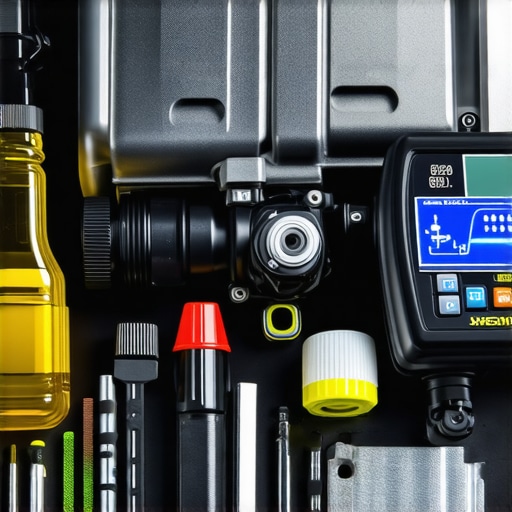
Next, use a portable oil testing kit like the one offered in the market to analyze viscosity, contamination, and additives. This process reminds me of my attempt to verify synthetic oil quality at home — it’s straightforward but requires proper handling. For example, a test revealed my oil was losing its viscosity earlier than expected, prompting me to visit a trusted ASE-certified service for a complete flush. Remember, modern engines—especially those expected to last past 2026—depend heavily on precise oil formulations. For more insights, check this guide to avoiding transmission issues caused by poor oil.
Listen and Feel for Signs of Faulty Oil in Operation
While driving, pay attention to unusual engine noises, vibrations, or sluggish responses. If your car produces rattling, knocking, or a high-pitched whine, your oil might not be providing proper lubrication. I recall a trip where I felt a slight shudder during acceleration; a quick check of oil level and color confirmed it was degraded. Such symptoms often point to contamination or insufficient lubrication. For example, a slipping transmission coupled with engine noise could signal oil breakdown, as detailed in transmission warning signs in 2026 models.
Utilize Advanced Diagnostic Tools for Complete Verification
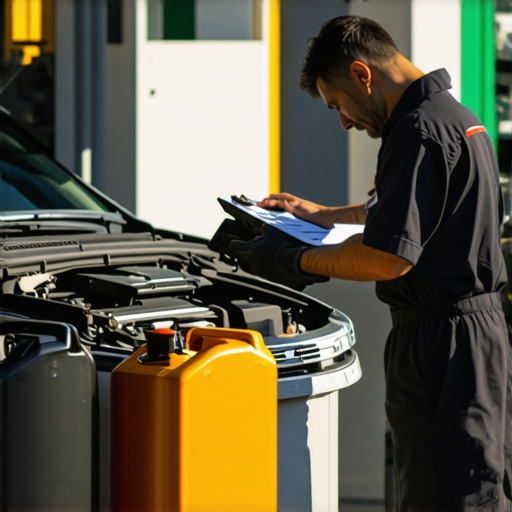
For a comprehensive assessment, consider visiting an ASE-certified mechanic equipped with diagnostic scanners and oil analysis equipment. They can perform tests like oil particle analysis, viscosity measurement, and check for additive depletion. I once had my oil tested professionally, and it uncovered early signs of oil oxidation—preventing potential engine damage. Though this step might seem costly upfront, it can save thousands by preventing repairs caused by neglecting degradation. To ensure your vehicle’s reliability, especially with the new standards approaching in 2026, incorporate this as a routine part of oil maintenance, as suggested by ASE certified maintenance tips. Keep testing, listening, and inspecting — it’s the most reliable way to confirm that your oil change isn’t just added but truly effective.Many car owners assume that following basic service routines guarantees long-term engine health, but in reality, a lot of misconceptions persist beneath the surface. One common myth is that all oil changes are created equal; however, selecting the wrong type of oil or neglecting proper procedures can accelerate wear, especially in high-tech engines expected to operate beyond 2026. Experts emphasize that using the correct viscosity and specifications isn’t just a suggestion but a critical factor backed by studies from the Society of Automotive Engineers (SAE), which show that improper oil can reduce engine life by up to 30%. Additionally, many believe that the cheapest ASE-certified service is sufficient, yet some lower-tier shops may cut corners on crucial steps like thorough oil analysis or filter replacement, risking contamination and inadequate lubrication. This mistake can be costly, leading to sludge buildup or even catastrophic failure. The real nuance lies in understanding that certification doesn’t always equate to quality—it’s essential to verify the technician’s adherence to manufacturer standards, especially with the new 2026 standards. When it comes to transmission service, some drivers think that a simple fluid change suffices, but neglecting to check for signs of early wear or using subpar fluid can lead to shifting issues or overheating. Advanced diagnostics, such as particle analysis, reveal micro-level problems that routine inspections might miss.
What is the most overlooked factor that can undermine your vehicle’s longevity?
The answer is often neglecting to verify that every service adheres to OEM specifications—skipping this step is like building a house on shaky ground. Studies from automotive research institutions confirm that precision in service quality directly correlates with vehicle reliability. Therefore, consistent use of ASE-certified shops that follow rigorous standards and double-check critical parameters—like oil quality, transmission condition, and diagnostic results—is vital. Remember, safeguarding your investment means going beyond the surface: ask questions, review detailed reports, and stay informed about the nuances that could make or break your vehicle’s future. Have you ever fallen into this trap? Let me know in the comments.
Keep Your Car Running Smoothly with Precise Tools
Ensuring your vehicle remains reliable over the long haul requires more than just routine visits to the shop. It demands the right equipment and methods to verify that each service truly meets standards. One tool I personally swear by is a digital oil tester like the OIL-PH-1000. This device provides immediate readings on viscosity and contamination levels, helping me confirm whether my oil still performs as intended, especially critical as newer 2026 model engines demand precision. Additionally, a good-quality borescope allows me to peer into engine components during oil changes, catching signs of sludge or debris that might be missed during surface inspections.
For software, I rely on ASE-certified diagnostic programs like OBDLink. By connecting my device to the vehicle’s OBD-II port, I can monitor live data streams such as oil temperature, transmission pressure, and sensor health. This real-time insight helps me preempt potential failures before they escalate. As the industry moves towards smarter cars in 2026, integrating these diagnostic tools into my maintenance routine ensures that I stay ahead of costly breakdowns.
Preparing for the Future of Vehicle Care
Predictive maintenance is becoming an unstoppable trend, thanks in part to advancements in sensor technology and data analytics. Manufacturers are embedding sensors that monitor oil quality, transmission health, and even engine wear in real time. My plan? To utilize aftermarket sensor kits like SmartSense Trackers that send alerts directly to my smartphone. This empowers me to act proactively, avoiding damage before symptoms become apparent.
How do I maintain my vehicle tools over time?
Consistency is key when working with technical equipment. I make it a point to calibrate my oil testers and diagnostic devices every six months using manufacturer-certified calibration standards. Proper storage also extends their lifespan; keeping devices in a cool, dry place prevents damage. Lastly, I stay up-to-date with software updates for my diagnostic apps, as automakers frequently release patches that enhance compatibility and security. These small steps ensure my tools remain reliable and accurate, saving me money and stress in the long run. To deepen your understanding, check out our guide to ASE-certified maintenance. For your next oil change, try deploying a portable viscosity tester—it’s a game-changer for verifying performance and extending your engine’s life.
Lessons That Saved My Engine from Unnecessary Woes
One of the most valuable insights I gained was that no matter how reputable a service shop seems, never assume they’ve covered all bases. A simple oil change can hide subtle signs of negligence—like using the wrong oil type or neglecting filter replacement—that might only show up after months of driving. Remember, every engine is different, and personalized checks reveal what generic service routines might miss.
Another lesson was that even meticulously performed oil changes need validation. Relying solely on the technician’s word or visual cues isn’t enough. Investing in a portable viscosity tester or learning to interpret oil analysis reports transformed my maintenance approach, catching issues early that could have led to costly repairs.
Finally, the importance of continuous education hit home. The automotive industry is evolving rapidly, especially with 2026 models demanding greater precision. Staying informed through trusted sources, like the comprehensive ASE-certified maintenance tips, empowered me to question every aspect of my vehicle’s care, ensuring my engine’s health far into the future.
Top Tools That Changed My Car Care Routine
Using a digital oil tester like the OIL-PH-1000 helped me verify viscosity and contamination levels instantly, making me confident about my engine’s condition. An affordable borescope became invaluable in peering into engine internals, spotting sludge buildup before it became damaging. Additionally, integrating OBD-II diagnostic apps like OBDLink provided real-time insights into transmission and engine health, allowing proactive maintenance that saved big bucks.
To stay ahead as 2026 approaches, I also adopted aftermarket sensors such as SmartSense Trackers. These send instant alerts to my smartphone, so I can fix early warning signs before a breakdown happens. The right combination of tools turned routine checks into powerful diagnostic sessions, safeguarding my investment and peace of mind.
Ignite Your Confidence and Take Control Now
Don’t wait for the next warning light or a costly repair to act—take charge with confidence. The habits and tools I’ve shared are stepping stones towards mastering your vehicle’s health, especially with the new standards set to arrive in 2026. Remember, your car’s performance and longevity depend on your proactive approach. So go ahead—equipped with knowledge and the right gear, turn car maintenance from a chore into a mastery.
What’s the biggest challenge you face when verifying your oil change quality? Share your story below; I’d love to hear how you’re making sure your engine gets the care it deserves!
**Internal Links:**