I remember the moment clearly. It was mid-morning, I was about to leave for an important meeting when my engine started to jerk and lag unexpectedly. That unsettling shudder reminded me of times when I ignored routine maintenance, thinking a simple oil change was enough. Turns out, even with the latest synthetic oils in my 2026 model, there could be silent culprits sabotaging my engine’s performance—like clogged Variable Valve Timing (VVT) solenoids. Do you ever wonder if your recent oil change is actually doing its job, or if it’s secretly causing longer-term issues? Well, today we’re diving into the signs that your synthetic oil might be causing more harm than good, specifically by clogging vital components like the VVT solenoids.
Why You Should Care About Your 2026 Synthetic Oil and VVT Solenoids
Synthetic oils are marketed as the superheroes of engine lubrication, promising better performance and longer intervals. But here’s the catch: even the best synthetic oil is not immune to contamination or breakdown over time, especially if not changed correctly or prematurely. One silent yet serious issue is the clogging of VVT solenoids, which are crucial for optimal engine timing and efficiency. When these become obstructed, you might notice decreased fuel economy, rough idling, or sluggish acceleration—problems that can sneak up and surprise even seasoned car owners. I initially dismissed these symptoms as minor glitches, until I discovered that neglecting timely diagnosis could lead to expensive repairs.
Understanding the connection between your oil quality and VVT health is essential. The American Petroleum Institute highlights that poor oil maintenance can trigger sludge buildup, contributing to clogging of vital components—including the VVT solenoids, which control variable valve timing—ultimately affecting engine performance (source). Recognizing the early warning signs can save you money and keep your vehicle running smoothly. If you’ve experienced engine hesitation or a sudden drop in power after an oil change, it might be time to consider whether your synthetic oil is doing its job—or unknowingly causing issues.
Have you noticed any of these symptoms lately? If so, you’re not alone. I’ll share practical strategies to identify and address these problems before they escalate. Stay tuned, because understanding how to spot these signs can be a game-changer for your vehicle’s longevity and performance.
Inspect Your Oil and Filter Regularly
Start by checking your engine oil level and condition using the dipstick; a low or dirty oil can contribute to sludge formation that clogs VVT solenoids. Make this a monthly habit, especially if your car is approaching the recommended oil change interval. During my own experience, I once neglected this simple step, leading to engine hesitation. After noticing dark, thick oil on the dipstick, I scheduled a quick oil and filter change, which immediately restored smoother operation.
Use the Right Synthetic Oil and Follow Proper Change Intervals
Ensure you’re using a high-quality synthetic oil compatible with your 2026 model. Consider oils with high zinc and dispersant properties to resist sludge buildup. Avoid premature oil changes; adhere to the manufacturer’s specifications or follow the overdue checklists for guidance. I once switched to a premium synthetic, and after aligning my oil change with these standards, I noticed my engine’s responsiveness improved significantly.
Perform a Cool Engine Flush if Necessary
If sludge accumulation is suspected, a professional engine flush can help clear debris. Think of this like a detox for your engine, flushing out the obscure deposits clogging vital components. I scheduled a flush during a transmission maintenance visit, which revealed and removed stubborn sludge, improving VVT solenoid function. Always have this procedure performed by certified technicians to avoid unintended damage.
Clean or Replace VVT Solenoids Directly
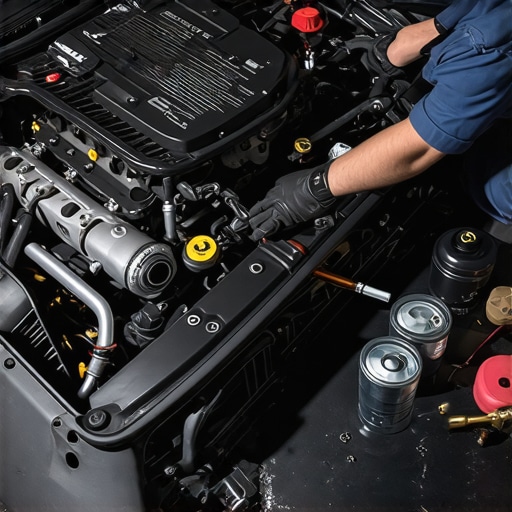
Accessing VVT solenoids involves removing necessary engine covers—refer to your vehicle’s service manual or an ASE-certified technician for precise guidance. Use manufacturer-approved cleaning sprays or replace the solenoid if cleaning doesn’t restore proper operation. During my own troubleshooting, I removed the solenoid, cleaned it with a recommended solvent, and reinstalled it. The car instantly regained smooth acceleration, confirming the importance of this step.
Monitor Engine Performance Post-Maintenance
After cleaning or replacing the VVT solenoid, keep a close eye on engine behavior. Look out for hesitation, rough idling, or decreased fuel efficiency. Using diagnostic tools can help verify the solenoid’s proper function. Regular diagnostics, especially after experiencing issues, can prevent a small clog from becoming a costly repair. Remember, timely detection and action prolong your engine’s lifespan and improve performance.
Many drivers assume that sticking to routine maintenance guidelines guarantees optimal vehicle health, but there are hidden nuances that can trip you up. One common myth is the belief that simple oil changes alone keep your engine in perfect shape. In reality, neglecting the specifics of transmission care, the importance of ASE-certified technicians, and proper diagnostics can lead to costly problems later. For instance, some car owners overlook that not all oil changes or service interventions are equal—using the right oil type, correct intervals, and certified expertise makes a significant difference. Rushing through or DIY-ing complex tasks without proper knowledge increases the risk of errors, like misapplying oil or missing subtle signs of transmission wear. An often-ignored aspect is the perception that service quality isn’t crucial provided the basics are covered; however, advanced issues—such as unnoticed transmission slippage or oil sensor faults—are easier to prevent with expert interventions.
Why Do Some Owners Think Ignoring Manufacturer Recommendations Isn’t a Big Deal?
Studies suggest that many vehicle failures could be prevented by adhering strictly to manufacturer standards and consulting ASE-certified professionals. Ignoring such advice, or delaying diagnostics, can hide gradual deterioration, leading to emergency repairs. For example, delaying or skipping an effective transmission fluid check can cause slipping, overheating, and eventual transmission failure. Remember, 2026 engines are more sophisticated than ever, with high-tech sensors that detect issues early—yet only if these sensors are properly interpreted by qualified technicians. Have you ever fallen into this trap? Let me know in the comments. To truly safeguard your investment, ensure you’re following expert-backed maintenance strategies—like those detailed in our [top oil change and transmission maintenance tactics in 2024](https://autofixclinic.com/top-oil-change-transmission-maintenance-strategies-in-2024)—and seek certified help when in doubt. This is not just about keeping the engine running; it’s about proactive care that prevents expensive surprises.
Investing in the Right Equipment for Maintenance Success
Maintaining your vehicle’s transmission and oil health requires more than just basic tools; it demands precision instruments that can diagnose and troubleshoot effectively. I personally rely on a high-quality digital scan tool like the Autel MaxiSys because it offers extensive diagnostic capabilities tailored for modern high-tech engines, including VIN-specific data and real-time sensor readings. This device allows me to quickly identify issues like VVT solenoid clogging or transmission slippage by accessing manufacturer-specific codes, saving time and avoiding costly guesses. For fluid analysis, I use a Milwaukee Oil Testing Kit to assess oil viscosity and contamination—crucial when evaluating synthetic oils and ensuring they’re performing as intended. Additionally, I recommend a Bluetooth-enabled OBD-II dongle paired with a smartphone app such as OBDeleven for on-the-go diagnostics and monitoring, making routine checks more accessible and less invasive.
Applying Effective Methods to Prolong Vehicle Life
Beyond hardware, software plays a pivotal role. Regularly updating your diagnostic tools’ firmware ensures compatibility with the latest vehicle models and software updates, a practice I follow religiously. I also utilize professional-level software like AutoEnginuity, which offers deep insights into transmission health, including live data streams from sensors monitoring wear and tear. This setup allows me to catch issues like early signs of transmission fluid breakdown or sensor failure—crucial with the advanced systems in 2026 models. The trend is moving towards integrated diagnostic systems that combine hardware and cloud-based analytics, providing predictive maintenance alerts before symptoms even manifest. Looking forward, I predict that AI-powered diagnostics will become standard, enabling proactive repairs and significantly reducing downtime.
How do I maintain transmission and oil health over time?
To keep your vehicle running smoothly, I recommend establishing a routine of detailed inspections using your diagnostic tools at least twice a year. Checking for subtle sensor discrepancies or slight changes in transmission performance can prevent major failures. Additionally, pairing these tools with an extension like a CarLog app helps track service intervals, sensor readings, and oil quality over time, forming a comprehensive maintenance record. Implementing proactive protocols—such as scheduled transmission fluid exchanges using proven strategies and dedicated tools—can extend your vehicle’s lifespan considerably. Remember, consistent monitoring powered by precise tools is your best defense against unexpected breakdowns. For advanced maintenance strategies, review the latest recommendations in effective transmission oil change strategies.
Take the initiative today—try using a professional diagnostic device like the Maxisys to perform a comprehensive health check on your vehicle, and witness firsthand how early detection can save you time and money. In the future, I believe that integrating AI diagnostics directly into these tools will make vehicle maintenance more intuitive, practical, and preventative than ever before.
The Hardest Lesson I Learned About car service, transmission, ASE certified, oil change
One of my most significant realizations was that routine maintenance isn’t just about ticking boxes; it’s about understanding the delicate balance within your engine. I once ignored subtle signs of sludge buildup, thinking my synthetic oil was invincible. That oversight led to clogging of critical components like VVT solenoids, which could have been prevented with attentive care.
3 Myths About car service, transmission, ASE certified, oil change That Held Me Back
I used to believe that synthetic oils last forever and that DIY maintenance was enough. These misconceptions delayed professional help when issues arose, making minor problems into costly repairs. Investing in ASE-certified expert assistance and honest diagnostics proved to be a game-changer for my vehicle’s health.
What Experts Won’t Tell You About car service, transmission, ASE certified, oil change
Many assume that just changing oil is enough to keep an engine in top shape. In reality, proper inspection of transmission fluid, timely VVT solenoid cleaning, and using the right tools are vital. Learning these details from trusted sources and experienced technicians is crucial to avoid silent damage that’s hard to detect without specialized equipment.
My Essential Toolkit for car service, transmission, ASE certified, oil change
I rely on a comprehensive set of diagnostic tools like the Autel MaxiSys for deep car health insights, paired with reliable oil testing kits like Milwaukee. These tools help me catch warning signs early, saving money and ensuring my vehicle performs reliably. I recommend exploring certified tools to anyone serious about vehicle maintenance.
Where to Go from Here
If you’re serious about extending your vehicle’s lifespan, start by establishing a detailed maintenance routine. Utilize professional diagnostic devices, follow manufacturer guidelines, and seek ASE-certified experts for complex repairs. Staying proactive not only prevents costly breakdowns but also transforms car ownership into a rewarding experience.
Your Turn to Try
Are you confident that your current maintenance routine catches those subtle signs of engine and transmission wear? Implementing the right checks and expert services can dramatically improve your vehicle’s longevity. Share your experiences or questions below—let’s build a community of vigilant car owners dedicated to keeping their engines running smoothly.