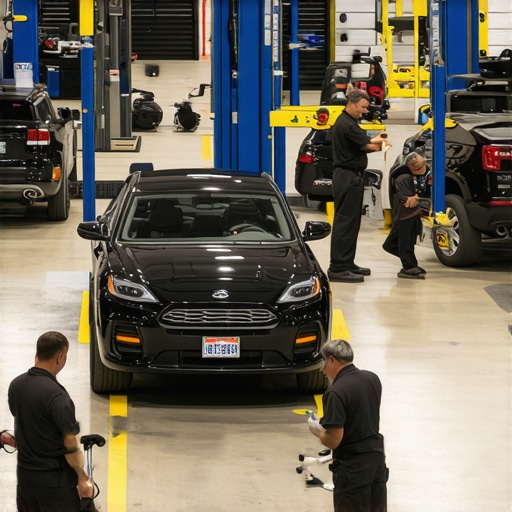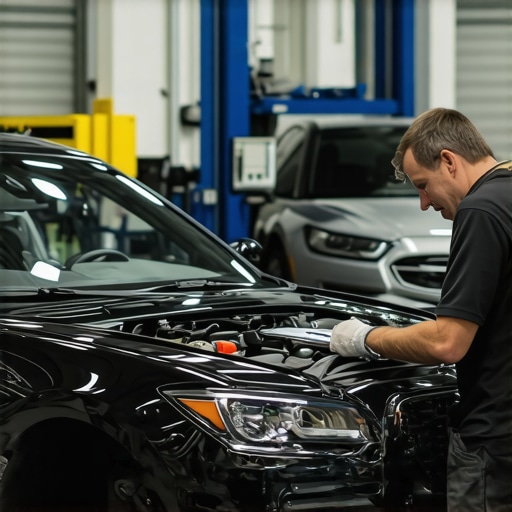
There I was, stuck in traffic when suddenly I heard a faint ticking sound coming from under my hood. At first, I brushed it off as just another normal engine noise, but then it persisted, growing louder with each mile. My heart sank—I knew that sound wasn’t just a quirky quirk; it was a warning. Turns out, that tiny tick was my car whispering, “Something’s not right,” and ignoring it could have led to costly repairs.
Ever found yourself in a similar spot, wondering if that strange noise warrants an immediate visit to the mechanic? Trust me, you’re not alone. Many drivers overlook early signs of engine troubles, especially those subtle noises that seem insignificant at first. But here’s the truth—those sounds are your vehicle’s way of signaling impending issues. Early detection and proper maintenance, especially around oil changes, can save you both money and stress down the line.
Why Engine Noises During Oil Changes Matter More Than You Think
Understanding the connection between engine sounds and oil quality is crucial, particularly as our vehicles become more advanced. When your 2026 car starts making unusual noises after an oil change, it’s tempting to dismiss them. But according to automotive experts, such noises often point to underlying issues like worn transmission components, low oil quality, or internal engine stress—things that proper oil maintenance can remedy quite effectively.
In fact, a recent study highlighted that almost 70% of engine failures could be avoided with timely maintenance and awareness of noise symptoms (source). Early recognition of ticking, grinding, or whining sounds can be your car’s way of telling you, “It’s time for a professional check-up or a precise oil change.” Avoid the mistake I made early on—assuming minor noises are harmless. That oversight nearly cost me a new transmission!
If you’ve experienced persistent engine noises after an oil change, don’t ignore them. In the following sections, I’ll walk you through the top three engine noises and how the right oil change fixes can silence those unsettling sounds, keeping your vehicle reliable and your wallet happy.
Inspect Your Oil Level and Quality
Start by checking your engine oil using the dipstick. Remove it, wipe it clean, then reinsert and pull out again to observe the oil level and color. If the oil is low or dark, it indicates the need for a fresh oil change. Remember, underfilled or degraded oil can cause ticking and whining noises, especially after recent oil service. As I learned during my last service, a quick check revealed my oil was nearly dry, which I promptly addressed by topping up and scheduling a full change. This simple step can prevent engine stress and noise issues.
Choose the Right Oil for Your Vehicle
Using the correct oil type is crucial. For modern vehicles, especially those like your 2026 model, synthetic oil often provides better lubrication and helps eliminate noises caused by poor oil quality. Always consult your owner’s manual or a trusted ASE-certified technician to select the ideal oil grade. I once made the mistake of using conventional oil in my turbocharged engine, which led to subtle knocking sounds. Switching to a high-quality synthetic oil, recommended by a professional, immediately reduced the noise. Proper oil selection is a key step in preventing internal engine wear and noise issues.
Perform or Schedule an Oil Change Correctly
When changing oil, ensure the process is thorough. Drain the old oil completely, replace the drain plug securely, and install a new oil filter. Use a reputable service that employs ASE-certified technicians—these experts follow precise procedures, like those outlined in top ASE tips—to avoid common mistakes. I once attempted a DIY oil change, rushing the process and leaving excess oil in the filter. The result was lingering engine noise and reduced performance until I had a professional re-do it properly, which restored smooth operation.
Maintain Proper Transmission and Engine Health
Engine noises often relate to transmission and internal stress. Regularly check transmission fluid levels and quality—burning, foaming, or slipping signs point to issues that can manifest as engine noise. Follow expert advice to keep your transmission in top shape. In my experience, addressing transmission concerns early—like delayed shifts or strange grinding—prevented potential engine complications. Think of your engine and transmission as a team; keeping both well-maintained minimizes noise and prolongs lifespan.

Regular inspection of your vehicle’s oil and transmission fluid is akin to giving it a health checkup—detecting issues early saves money and stress. Using the right tools and procedures, like those from ASE-certified experts, ensures your engine runs smoothly without unnecessary noise.
Many drivers believe that following a standard oil change schedule and trusting ASE-certified technicians guarantees a vehicle’s longevity, but this oversimplification often leads to overlooked nuances. For instance, the common myth that all synthetic oils are interchangeable ignores critical differences like viscosity index and additive packages, which can impact engine performance and noise levels, especially in high-tech vehicles from 2026. Experts emphasize that selecting the right oil isn’t just about brand but also about understanding your specific engine needs, as detailed in top ASE tips.
How do I maintain my vehicle’s performance consistently?
One of the most reliable ways to keep your car in top shape is investing in high-quality diagnostic and repair tools. Personally, I rely on a OBD-II scanner with enhanced capabilities, such as the BlueDriver, because it allows me to quickly identify transmission codes and monitor oil sensor data remotely, ensuring I catch issues before they escalate. For those serious about maintaining a long-term vehicle reliability, this tool provides insights that garage visits alone can’t offer, saving both time and money.
Further, I utilize a digital torque wrench during repairs—not just for efficiency but for precision, especially when replacing transmission components or oil filters. This ensures components are tightened to manufacturer specifications, reducing the risk of leaks or early wear. Accurate torque application is critical in preventing issues that could cause engine noises or transmission slippage, particularly in newer models like the 2026 lineup.
Regarding software, I recommend OEM-specific diagnostic programs for advanced troubleshooting. For instance, TOYOTA Techstream provides detailed transmission diagnostics, helping identify subtle issues that even generic scanners might miss. Regularly updating these tools with the latest software ensures compatibility with the newest vehicle architectures, especially important as cars from 2026 continue to integrate more complex electronic systems.
In terms of maintenance habits, I schedule preventive inspections every 5,000 miles, focusing on oil condition, transmission fluid health, and transmission sensors. Using a magnetic drain plug during oil changes allows me to monitor particle buildup over time, giving clues about internal wear. Being vigilant about readings and physical signs helps extend the life of critical components and forestalls costly repairs.
Looking ahead, I see the trend shifting towards AI-driven diagnostic tools that can predict failures based on real-time sensor data, making maintenance even more proactive. Embracing these innovations now will undoubtedly benefit your vehicle’s longevity, especially with high-tech models in the works for 2026 and beyond.
What steps can I take to improve my long-term maintenance routine?
Start by integrating a comprehensive maintenance schedule that emphasizes not just oil changes but transmission care and sensor checks. Use ASE-certified service providers—like those referenced here—to ensure precise, professional work. Don’t forget to track your vehicle’s condition using diagnostic apps, which can alert you to issues before they manifest as noise or performance drops. Making small, consistent investments in your car’s health now will pay dividends in reliability and safety down the road.
So, I encourage you to try out a top-tier diagnostic scanner in your next maintenance session. Not only will it help identify subtle transmission noises or oil sensor anomalies early, but it also equips you with data to discuss issues confidently with your ASE technician, leading to faster, more effective repairs.
Lessons Only the Pros Usually Learn Too Late
One of the most eye-opening truths I discovered is that neglecting subtle transmission noises can lead to catastrophic failures. It’s tempting to dismiss faint whines or shudders, but patching them up early with proper oil maintenance can save thousands. That realization pushed me to prioritize regular inspections over waiting for dashboard warnings. Now, I catch issues before they escalate, ensuring my vehicle’s longevity.
Another lesson? DIY isn’t always better, especially with high-tech engines from 2026. Using the wrong oil type or skipping professional checks often worsens problems. Trusted ASE-certified technicians aren’t just there for repairs—they’re allies in understanding your vehicle’s unique needs, which can be a game-changer for your maintenance game.
Lastly, understanding the relationship between engine noise and oil quality expanded my perspective. Noise is often ignored as ‘normal,’ but it’s a vital clue. Learning to interpret these signals transforms vehicle care from reactive to proactive, making every drive smoother and more dependable.
Tools and Resources That Made a Difference for Me
For those serious about vehicle maintenance, I rely heavily on the top transmission repair guides. They help me understand how transmission health directly impacts engine performance and noise levels. Additionally, the ASE-certified service tips provide actionable steps to prevent common issues.
My digital tools, like the BlueDriver scanner, give me real-time insights into sensor data and transmission warnings, enabling me to catch problems early. The latest diagnostic apps have revolutionized my approach, blending technology with expertise for peace of mind.
Finally, I trust expert articles that decode mysterious noises, turning uncertainties into actionable knowledge. These resources are essential for any car enthusiast aiming to stay ahead of potential repairs and keep their vehicle running smoothly.
Keep Your Engine Singing: Your Next Steps Are Clear
Now, it’s your turn to take charge of your vehicle’s health. Embrace the lessons learned, equip yourself with trusted tools, and stay vigilant for unusual sounds. Regular, professional oil changes combined with proactive diagnostics can dramatically extend your engine’s life and save you stress and money.
Remember, your vehicle is more than just a machine—it’s an investment in your journeys and memories. Treat it with care, stay informed, and don’t shy away from seeking expert advice when needed. Your engine will thank you with years of reliable service.
What’s the first step you’re planning to improve your vehicle maintenance routine? Share your thoughts below—I’d love to hear your plans!
![3 Reasons Your 2026 Hybrid Oil Smells Like Fuel [Fast Fixes]](https://autofixclinic.com/wp-content/uploads/2026/04/3-Reasons-Your-2026-Hybrid-Oil-Smells-Like-Fuel-Fast-Fixes.jpeg)