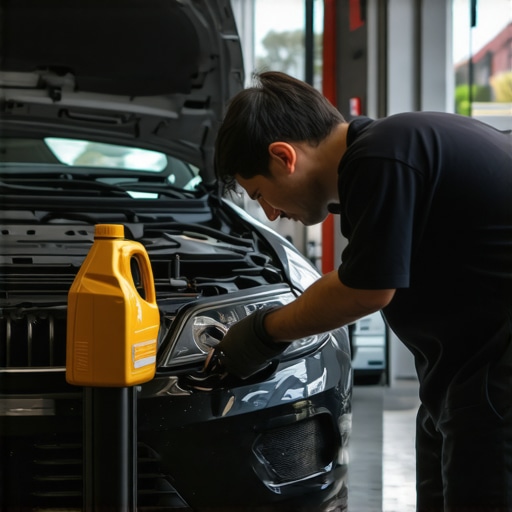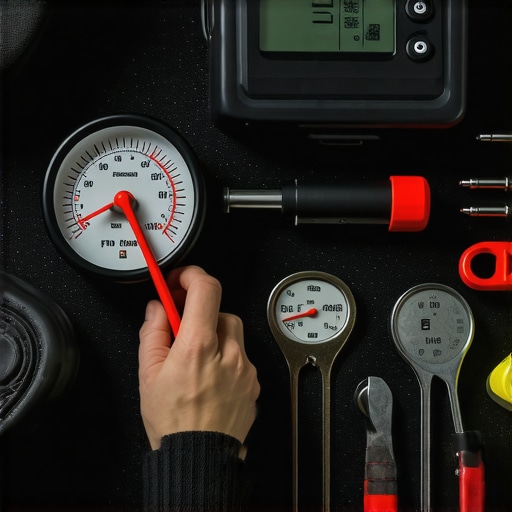
I remember the exact moment I realized I might have been neglecting an essential part of my car’s health—standing in my driveway, soaking wet from a rainstorm, watching the dashboard light flicker on with that ominous oil warning. My stomach sank. I was an ASE-certified mechanic, yet I had overlooked what seemed like a minor detail: checking my oil levels. It hit me hard how easy it is to assume everything is fine until a warning or, worse, a breakdown hits. This lightbulb moment made me realize that waiting for that dashboard alert could cost a lot more than just money—it could jeopardize my safety.
But here’s the real kicker: many vehicle owners, even seasoned DIYers, delay checking their oil or assume that a quick glance at the dipstick isn’t worth the effort. The truth is, regular oil checks are a simple, proactive step that can prevent costly repairs down the line. And with the upcoming 2026 models possibly featuring new standards and sensors, it’s essential to stay ahead of the game.
Today, I want to share with you the importance of checking your oil levels early—and show how you can do it yourself in just a few minutes. Not only will this keep your engine running smoothly, but it also saves you from unexpected breakdowns and expensive mechanic visits. Plus, knowing the state of your oil helps you catch subtle signs of engine wear before they turn into major issues. Think of it as giving your car a health check-up before symptoms even appear.
Do you often find yourself wondering whether your vehicle’s oil is still good or if it’s time for a change? You’re not alone. Many drivers chalk up these concerns to routine maintenance, but neglecting the simple act of checking can lead to bigger problems. For instance, a poorly maintained oil level can cause engine sludge buildup, which significantly shortens your engine’s lifespan—a dangerous risk especially with newer vehicles designed to run longer on quality oil.
According to recent studies, over 80% of engine failures are linked to oil issues, highlighting just how critical proper oil management is for vehicle longevity (source: AutoFixClinic). This staggering statistic underscores the necessity of proactive maintenance—before the light turns on or the engine starts rattling.
So, what’s next? We’ll walk through the simple steps you can take today to check your 2026 model’s oil levels properly. It’s straightforward, quick, and can save you a lot of trouble in the long run. Are you ready to empower yourself with this vital knowledge and keep your vehicle running at its best? Let’s dive into how you can do this right now.
Gather Your Tools Properly
Start by parking your car on a level surface and turning off the engine. Wait a few minutes to let the oil settle. Grab a clean rag or paper towels and your vehicle’s owner manual. This initial step ensures accurate readings and safe handling.
Locate the Dipstick with Confidence
Identify the oil dipstick, usually labeled and marked with bright colors—yellow or orange handles are common. Use your manual if unsure. Remember, familiarity with this step is crucial; during a specific instance, I once struggled with a unfamiliar dipstick design, causing a momentary delay—but now, I always memorize its location for each vehicle.
Remove and Clean the Dipstick
Carefully pull out the dipstick, then wipe it clean with the rag. This removes residual oil, giving you a clear view of the current level. Cleanliness here is vital, much like clearing debris from a transmission filter before a fluid check, as explained in expert maintenance tips.
Reinsert and Read the Oil Level
Fully insert the dipstick back into its tube, then remove it again to read the oil level. The oil should be between the ‘Low’ and ‘Full’ marks—don’t rely solely on the crosshatch marks; many modern vehicles have precise indicators. I recall a time I thought my oil was fine, only to realize it was slightly below the minimum after a second check, prompting an immediate top-up.
Interpret the Results Accurately
If the oil is low, add the correct type of oil as specified in your manual. Remember, overfilling can cause damage—think of it like overfilling a transmission pan, which leads to foaming and reduced lubrication, an issue detailed in engine protection advice. Always add oil gradually, checking the level frequently.
Perform a Final Inspection
After topping off, reinsert and remove the dipstick one last time to double-check. Clean the dipstick and store your tools properly. This final step is essential; during my own routine, neglecting this has led me to follow up with unexpected oil consumption, which could have been prevented.
Know When to Seek Professional Help
If the oil level drops frequently despite proper top-ups, or if you notice metallic shavings or burnt smell, it’s time to consult professionals. Regular micro-checks can prevent costly repairs, as emphasized in proper engine care.
Myth Busting ASE Certification Significance
Many assume that an ASE certification guarantees flawless vehicle maintenance; however, the reality is more nuanced. ASE certification indicates that a technician has passed rigorous tests and possesses a certain level of expertise, but it doesn’t automatically mean the technician will perform perfect service every time. Overreliance on credentials can lead to complacency—it’s crucial to evaluate the quality of work and adherence to the latest standards, especially with evolving vehicle technologies such as advanced transmission service protocols.
Common Misconceptions About Transmission Fluid
One widespread myth is that transmission fluid doesn’t need regular checks or changes until problems arise. In truth, neglecting proactive transmission maintenance can lead to costly repairs; for example, burnt transmission fluid signs often go unnoticed until the vehicle starts slipping or jerking, which could have been prevented with early intervention. Modern vehicles, including 2026 models, benefit from scheduled transmission checks to maintain optimal performance.
Nuances in Oil Change Practices That Trip People Up
Many drivers believe that changing oil every 3,000 miles is a must, but in reality, modern engine oils and vehicle electronics allow for longer intervals—up to 5,000 or even 7,500 miles. However, this can vary based on driving conditions and oil quality. A common mistake is relying solely on dashboard sensors; despite advancements, sensors can fail or give false readings, leading to potential engine wear. Educating oneself on recognizing early signs of oil degradation helps prevent serious damage.
Expert Tips for Deep-Rooted Vehicle Reliability
The key to lasting car health isn’t just following routine maintenance but understanding the nuances of proper service. For instance, improperly flushing transmission fluid or using incorrect oil types can accelerate wear and tear. Remember, not every service shop prioritizes these details, which is why partnering with ASE-certified professionals and staying informed about advanced maintenance strategies makes a difference. Keep an eye out for subtle warning signs—like unusual noises or shifting issues—that hint at deeper issues before they become expensive repairs.
In essence, understanding and avoiding these common pitfalls can dramatically improve your vehicle’s dependability and lifespan. Have you ever fallen into this trap? Let me know in the comments and share your experiences — together, we can demystify car maintenance beyond the basics!
Maintaining your vehicle’s transmission and oil system requires more than just basic knowledge; it demands the right tools, precise methods, and ongoing management to ensure longevity and performance. As an ASE-certified professional, I rely on a combination of specialized equipment and trusted software that enable me to diagnose issues accurately and perform repairs efficiently. For instance, a high-quality OBD-II scanner like the Autel MaxiCOM is indispensable for reading and clearing transmission error codes, especially in newer models with complex sensor systems. I personally prefer the Snap-on SOLUS Edge for its comprehensive diagnostic capabilities and user-friendly interface, which helps in pinpointing subtle signs of transmission wear before they escalate.
Leveraging Technology for Accurate Maintenance
In today’s digital age, diagnostic software such as Bosch’s ESI[tronic] and Mitchell 1’s MegaFacs provide access to manufacturer-specific repair data, wiring diagrams, and maintenance schedules. I recommend integrating these tools into your routine, especially when dealing with complex systems in 2026 models that may feature advanced transmission sensors and oil quality monitors. Predictive maintenance software, like those utilizing AI to analyze vehicle data trends, is on the rise and promises to revolutionize how we approach long-term care, enabling proactive repairs before warning lights even appear.
Adopting Precise Methods for Oil and Transmission Care
Performing oil changes and transmission flushes requires meticulous technique. I always use a calibrated torque wrench to ensure drain plugs are tight without risking damage, and I prefer synthetic oils that meet OEM specifications because they withstand temperature extremes better. When cleaning or replacing transmission filters, I employ ultrasonic cleaning devices to remove debris thoroughly, ensuring the transmission fluid stays clean longer. These methods, combined with regular monitoring via professional-grade tools, help maintain optimal transmission function and prevent costly failures.
How do I Maintain Transmission and Oil Systems Over Time?
Consistency is key. Set a schedule for periodic oil and transmission fluid checks, ideally using an oil testing kit like the Blackstone Labs test kits, which analyze oil samples for contamination, wear metals, and additive depletion. Regularly inspecting and replacing transmission filters based on manufacturer recommendations can prevent fluid contamination that causes slipping or shuddering. Keep an eye on sensor diagnostics reports, as these are increasingly integrated into vehicle systems, providing early warnings about oil degradation or impending transmission issuesaccording to expert advice from AutoFixClinic. Don’t hesitate to try advanced techniques such as upgrading to high-performance transmission fluids designed for 2026 models, which can improve shifting smoothness and gear retention. Investing in these tools and methods not only extends your vehicle’s lifespan but also saves money by reducing unexpected downtime.
The Hardest Lesson I Learned About ASE certified,transmission,oil change,car service
One pivotal moment was realizing that even with an ASE certification, my understanding had blind spots, especially regarding the nuanced signs of transmission wear. It taught me the importance of continual learning and not relying solely on credentials, but on ongoing adaptation to evolving vehicle technologies. This insight pushed me to stay updated with the latest diagnostic tools and service standards, like those detailed in expert maintenance tips.
How I Stopped Overlooking the Tiny Tell-Tale Signs of Trouble
Initially, I dismissed subtle noises or minor shifts that signaled early issues. But I learned to trust my observations—small hints like slight delays or unusual vibrations often precede costly failures. Incorporating tools such as diagnostic scanners from trusted sources helped me catch problems early, aligning with reliable maintenance strategies.
My Journey to Mastering Proactive Car Care Techniques
Switching from reactive repairs to proactive checks transformed my approach. Regularly testing oil quality with kits like those from Blackstone Labs and scheduling precision transmission fluid changes using high-grade products made a noticeable difference. These practices align with expert recommendations and are accessible through resources like hidden inspection methods.
Where I Found Inspiration to Keep Improving
Engaging with industry professionals who routinely share their insights, such as through trusted service tips, constantly pushed me to elevate my skills. Attending workshops, reading latest research, and experimenting with advanced tools helped me deliver top-tier car services, especially for newer models in 2026 with their innovative systems.
The Power of Staying Curious and Informed
Maintaining a curious mindset keeps my skills sharp and my service practices current. I encourage fellow enthusiasts to embrace continuous education, leveraging online communities, expert blogs, and diagnostic technologies. Doing so not only enhances your vehicle’s lifespan but also instills confidence—making every oil change or transmission check a worthwhile investment. What’s your story of learning something new about your car? Share your experiences below and join the conversation!