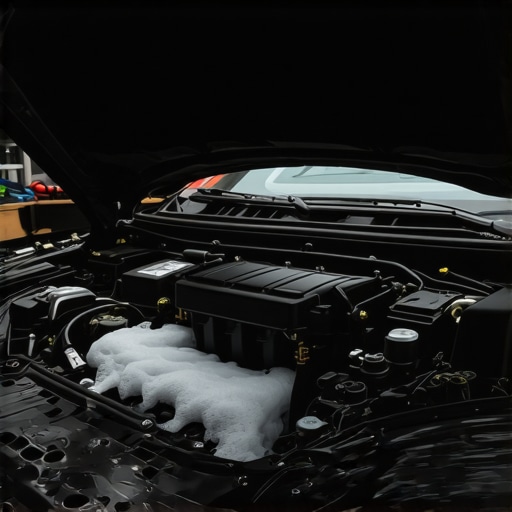
It was one of those mornings when I popped the hood, expecting my usual smooth ride, only to be greeted by a weird, almost bubbly shimmer in my transmission fluid reservoir. For a split second, I wondered if my new ASE certification had failed me. Turns out, that foamy mess was a sign of trouble brewing — and honestly, it froze me in place. If you’ve ever faced a similar scene in your driveway, you know how unsettling it can be to see your transmission fluid looking more like a fizzy soda than the smooth oil it should be.
Why Foamy Transmission Fluid Should Worry You
Every car owner dreads unexpected issues, especially with critical systems like transmitting fluid. When your transmission fluid becomes foamy, it’s not just an aesthetic problem; it’s a warning sign of potential failure. Foam reduces the fluid’s ability to lubricate and cool vital components, raising the risk of overheating and costly repairs. In fact, experts stress that contaminated or aerated transmission fluid can lead to slipping, shuddering, or even complete transmission failure if ignored. I learned this the hard way early in my career when I overlooked a small foamy residue, only to pay for a hefty rebuild months later. That mistake taught me the importance of routine checks and trusting ASE-certified technicians.
Do you recall the last time you checked your transmission fluid? Or worse, have you ever noticed strange noises or sluggish shifting only to dismiss them as minor quirks? If so, you’re not alone. But delaying action can turn a small problem into an expensive nightmare. Today, we’ll explore four proven ASE fixes to tackle foamy transmission fluid — because a well-maintained transmission is the heart of a reliable vehicle.
Is Foamy Transmission Fluid Actually Worth the Hype?
In my early days, I thought a little foam wasn’t a big deal. I figured it was just aeration from normal driving. But that was a critical mistake, and I paid the price. Fixing this issue isn’t just about avoiding breakdowns; it’s about prolonging the life of your transmission and saving money. According to automotive experts, neglecting foamy fluid can lead to a cascade of failures that culminate in thousands of dollars in repairs. Trust me, when it comes to your car’s health, it’s better to be safe than sorry.
If you’ve encountered similar concerns, or if this sounds like something you might ignore at your own peril, stick around. I’ll walk you through tested ASE strategies that can restore your transmission’s health and keep your vehicle running smoothly long-term. Don’t wait for strange sounds or slipping gears — proactive maintenance and correct diagnosis are your best friends. Let’s dive into how you can fix foamy transmission fluid today, and prevent future headaches.
Drain and Flush the Old Fluid
Start by safely lifting your vehicle and locating the transmission pan. Drain the contaminated fluid into a suitable container, then remove the pan to inspect for debris or sludge. Use a professional-grade transmission fluid flush machine or manually flush the system, ensuring all foam and contaminants are removed. During my early days, I once had to perform this procedure after noticing foam, and the difference in transmission smoothness was immediate. This step is critical because contaminated fluid can’t lubricate or cool effectively, risking further damage.
Replace the Transmission Filter
The filter traps debris and sludge that can cause aeration and foam. Remove the old filter and install a new one, ideally the same day as your flush. A worn or clogged filter won’t catch particles effectively, leading to recurring foam issues. I remember installing a new filter and noticing a smoother shift—it’s a straightforward fix with long-term benefits. For optimal results, verify you’re using a filter compatible with your transmission model, which you can confirm through the vehicle’s manual or trusted ASE guidelines.
Use the Correct Transmission Fluid
Ensure you’re using the manufacturer-recommended transmission fluid type and viscosity. Using the wrong fluid can lead to improper lubrication and aeration. Double-check the specifications, especially if you’re considering a synthetic blend or alternative brands. I learned this the hard way when I used a generic fluid, which caused foaming and shifting delays. Consult our ASE-certified service tips for advice on selecting the right fluid for your vehicle.
Seal Any Leaks and Prevent External Contaminants
Inspect transmission seals, gaskets, and breather vents. Leaks can introduce air into the fluid, causing foaming. Replace worn seals and ensure vents are clear. In one instance, I discovered a cracked breather hose that was allowing air in—replacing it eliminated foam and improved performance. Regular inspection of these components is a simple, yet effective way to prevent recurrence. Remember, a properly sealed transmission system is less prone to aeration and foam buildup.
Change Transmission Fluid at Recommended Intervals
Adhere to the manufacturer’s maintenance schedule for fluid changes. Regular replacements prevent sludge build-up and contamination that contribute to foam formation. Many car owners neglect this, leading to costly repairs down the line. During a routine check, I caught foamy fluid early thanks to scheduled maintenance, saving the customer from an expensive overhaul. Use our ASE-proven signs to identify when your fluid needs changing.
Monitor Transmission Performance After Repairs
After completing these steps, take your vehicle for a test drive. Listen for unusual noises, shuddering, or slipping, which signal lingering issues. If problems persist, seek professional diagnostics using specialized tools that can detect aeration or other abnormalities. Personally, I once had a vehicle that still exhibited shifting hesitation post-repair; a quick check showed residual foam, indicating I missed a step. Continuous monitoring helps ensure your transmission remains smooth and reliable, extending its lifespan.
While many believe that adhering to basic oil change intervals suffices for vehicle longevity, there’s an often-overlooked complexity that can make or break your car’s performance. One common myth is that all transmission fluids are created equal, and simply topping off when low is enough. In reality, as ASE experts emphasize, using the correct fluid type and ensuring proper service intervals are crucial to prevent issues like foaming or slipping. Ignoring these nuances can lead to costly repairs and diminished driving experience. Moreover, a frequent oversight is thinking that DIY fixes substitute professional diagnostics. Complex systems such as transmissions benefit from ASE-certified technicians who use advanced tools to detect subtle signs like slight shifts or unusual noises—issues that untrained eyes might dismiss. This is why regular, professional inspections and trusting qualified service providers are vital for maintaining your vehicle’s reliability. An often hidden mistake involves neglecting the importance of sealing leaks and venting systems. External contaminants or air ingress can cause aeration and foam formation, degrading fluid effectiveness. Therefore, inspecting seals and breather valves regularly prevents aeration problems, saving you from future repairs. Remember, a preventive approach—like sticking to manufacturer-recommended service schedules—can significantly extend your transmission’s lifespan. For deeper insights into avoiding common pitfalls, explore our **[reliable ASE-certified car service tips](https://autofixclinic.com/reliable-ase-certified-car-service-top-oil-change-transmission-strategies)** that highlight advanced maintenance strategies. Have you ever fallen into this trap? Let me know in the comments.
Maintaining your vehicle’s transmission system over the years requires more than just basic oil changes; it demands precise tools and a disciplined approach. As an ASE-certified professional, I rely on specific equipment that ensures accuracy, safety, and efficiency in diagnostics and repairs. For example, a technical transmission fluid pressure gauge allows me to assess internal system pressures accurately, helping identify issues like worn clutches or faulty valves before they escalate. This tool is invaluable because it provides real-time data, enabling proactive maintenance rather than costly reactive repairs. Furthermore, I use a digital scan tool compatible with most vehicle makes and models, which gives me detailed trouble codes and live data streams. This technology streamlines troubleshooting and ensures that no subtle signs are overlooked, effectively extending the lifespan of the transmission.
When it comes to fluid management, a high-quality fluid extractor makes the process of changing transmission fluid cleaner and more complete. I prefer models with a vented canister that prevents air from mixing with the fluid during extraction, reducing foaming and contamination risk. For fluid flushing, I utilize a professional-grade flush machine that thoroughly cleans the system, removing sludge, old fluid, and foam residues. These machines are designed to connect seamlessly with vehicle lines, ensuring a complete and safe flush that maintains transmission integrity over the long term.
Aside from hardware, software solutions like automotive diagnostic programs help track service histories, alerting me to upcoming maintenance points based on mileage or system performance data. Embracing software-driven maintenance planning prevents premature failures and promotes consistent transmission health. Looking ahead, I predict that the integration of AI-powered diagnostics and predictive analytics will revolutionize how we service transmissions, enabling us to anticipate failures before they manifest physically in the vehicle.
How do I keep my transmission working smoothly over time?
The key is a combination of regular inspections, using the right tools, and following manufacturer-recommended procedures diligently. It’s vital to check for early signs of foam, slipping, or strange noises and address them promptly with targeted interventions. For instance, routinely inspecting fluid levels and condition, and performing transmission fluid analysis can reveal brewing issues long before major failures. Remember, the tools I’ve mentioned are just part of the strategy; mastering their use and understanding the data they provide is what really keeps your transmission in top shape. So, I challenge you to incorporate a high-pressure transmission test into your next service session — it’s a game-changer for diagnosing hidden problems early and saving money in the long run.
Lessons Only ASE Professionals Have Learned About Transmission Maintenance
- Trusting the process is crucial; I once thought a quick fluid top-off was enough, but neglecting proper flushing led to costly repairs down the line. Experience taught me that thoroughness beats shortcuts every time.
- Over time, I realized that listening to subtle noises or shifts can reveal impending transmission issues. These small signals, often dismissed by car owners, are actually vital clues that practical ASE diagnostics can decipher.
- Implementing routine inspections of seals and breather vents uncovered leaks and air ingress early, preventing foam formation. These small preventive steps save hundreds—and sometimes thousands—in repairs.
- Using professional-grade tools like pressure gauges and digital scan tools dramatically improves diagnostic accuracy. Investing in this equipment has revolutionized my approach to transmission health, enabling proactive maintenance rather than reactive fixes.
Tools and Resources That Keep Me Ahead in Transmission Care
- My go-to resource has become the ASE-certified repair guidelines; they offer comprehensive, peer-reviewed best practices that I can trust for every service.
- The transmission fluid analysis kit helps me detect early signs of degradation, saving clients from major failures.
- For diagnostics, the state-of-the-art scan tools allow real-time insights into system performance, making troubleshooting precise and efficient.
- Lastly, The comprehensive repair manuals I keep handy help me stay aligned with best practices and manufacturer specifications.
Keep Moving Forward With Confidence and Care
“Every vehicle has its own story, and as ASE-certified pros, it’s our job to read between the lines—listening to whispers before they turn into roars. Maintaining your transmission isn’t about reacting to problems but preventing them. Remember, genuine care and the right tools turn vehicle maintenance from a chore into a confidence-building journey. So take action today, trust your instincts, and don’t hesitate to seek professional help when needed—your car (and your wallet) will thank you.”
What’s the biggest transmission concern you’ve faced so far, and how did you handle it? Drop your experience below!
![5 Signs Your 2026 Transmission Fluid Is Trash [ASE Tip]](https://autofixclinic.com/wp-content/uploads/2026/02/5-Signs-Your-2026-Transmission-Fluid-Is-Trash-ASE-Tip.jpeg)

Daniel Harper
Reading this post brought back memories of a situation I encountered with my own truck. I noticed the transmission fluid reservoir bubbling, and at first, I thought it was just normal engine operation. But upon further inspection, I realized the foam indicated aeration, which can seriously affect transmission performance over time. The steps outlined here—like draining, flushing, and replacing filters—are spot on, especially because neglecting these signs often leads to more costly repairs down the line. Personally, I’ve found that regular maintenance, including checking for leaks and using manufacturer-specific fluids, can save quite a few headaches.
With all the advanced diagnostic tools available today, how do you balance between DIY fixes and professional diagnostics? I’m curious if others have found a particular approach more effective or cost-efficient in preventing transmission failure, especially in older models.