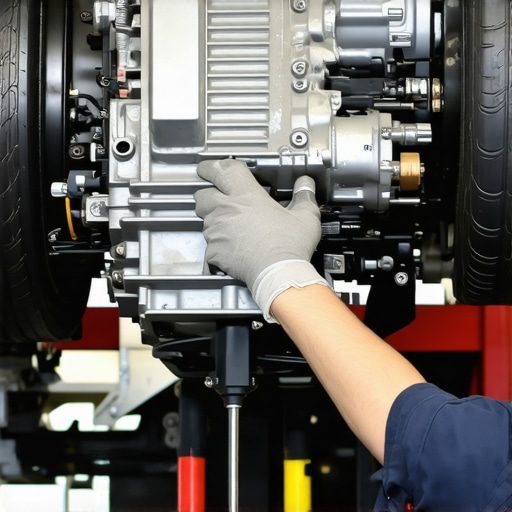
I’ll never forget the moment I heard that high-pitched whine coming from my car during a long drive. At first, I blamed it on road noise or maybe the tires, but as the miles passed, the sound persisted—more insistent, more concerning. It was a gut punch realization: my beloved vehicle might be signaling trouble in its transmission, and I had no clue how to diagnose it. That lightbulb moment made me question everything I thought I knew about car care, especially in a world where technology keeps advancing, and manufacturers raise the standards constantly.
Why Getting Transmission Checks in 2026 Matters More Than Ever
In 2026, your vehicle’s transmission has become a complex, high-tech component that demands expert attention. A sneaky transmission whine isn’t just an annoyance; it can be a warning sign of deeper issues that, if left unchecked, might lead to costly repairs or even complete transmission failure. And let’s be honest—no one wants to deal with that unexpected breakdown in the middle of a busy day. Knowing what to look for and how to verify if your transmission is healthy can save you both money and stress.
Is the Buzz about ASE Checks Overhyped or Essential?
Early on, I made the mistake of assuming that a simple visual inspection was enough. I skipped the detailed tests recommended by ASE-certified experts, thinking I could handle it myself. Spoiler alert: I was wrong. It’s tempting to think tech jargon and professional checks are just marketing hype, but reputable sources, including ASE-certified maintenance guides, emphasize their importance. Trusting professionals with these checks can be the difference between a smooth-running transmission and a catastrophic failure.
So, have you ever experienced that unsettling transmission noise or wondered if your vehicle is truly in top shape? If so, you’re not alone. Today, I’ll walk you through the four essential ASE-certified checks that can reveal the real state of your transmission—without the guesswork.
Begin with a Visual Inspection of Your Transmission System
Start by examining the transmission fluid level using the dipstick—look for clarity and smell. I recall one time I saw dark, burnt-smelling fluid while checking my car, which was a red flag. If the fluid appears murky or has a foul odor, it’s time for a professional check. Remember, transmission fluid is like the blood of your car—clean and properly topped-up ensures smooth operation. For more on reliable maintenance, explore how to verify your oil change was properly done through these expert methods.
Schedule an ASE-Certified Diagnostic Test
Next, book a diagnostic appointment with an ASE-certified technician—think of it as sending your vehicle for a health checkup. During my last visit, the technician used specialized tools to scan for transmission error codes, revealing issues I couldn’t detect visually. This step uncovers hidden problems like internal slippage or sensor malfunctions, which can cause shuddering or delayed shifting. Don’t skip this—professional ASE checks can be lifesavers, especially with the new standards for 2026 vehicles. To find trustworthy service providers, consider resources like their certified list.
Conduct a Road Test to Detect Noises and Shifts
Take your vehicle on familiar routes, paying close attention to sensations and sounds. Remember when I first noticed a faint whining during acceleration? It was subtle but persistent—an early warning sign. During your test drive, note if there’s any slipping, jerking, or strange noises like whining or clunking. Use your senses—ears and hands—to sense irregularities. These symptoms often err on early edges, but acting swiftly prevents costly repairs. For guidance on subtle transmission noises that can signal serious issues, you might find this resource invaluable.
Perform a Fluid Change and Re-evaluate
If tests indicate low or contaminated fluid, schedule a fluid change with a qualified mechanic. Regular transmission fluid replacements—done according to manufacturer specs—are critical in 2026 due to evolving standards. Think of this as changing the oil in your engine for optimal performance. After the replacement, revisit the vehicle on the same route to check if the symptoms have subsided. This real-world testing confirms whether the issue was fluid-related or if further diagnostics are necessary. For trustworthy service providers, check out their top recommendations.
Keep a Maintenance Log and Monitor Trends
Finally, document every inspection, service, and road test result. Tracking patterns—like recurring noise, shifting issues, or fluid condition—gives you a clearer picture of your transmission’s health. I kept a simple log, and when I noticed consistent issues, I was able to proactively address them before they escalated. This habit ensures you stay ahead of potential failures, especially important as standards and vehicle complexity increase in 2026. To learn more about maintaining your vehicle reliably, review the detailed strategies at this guide.
Many car owners assume that following the standard oil change interval and trusting generic service routines suffice for vehicle longevity, but in the rapidly evolving automotive landscape of 2026, this mindset can be misleading. A common misconception is that all oils or service procedures are equal, leading to overlooked nuances that can significantly impact engine and transmission health. For instance, many believe that an oil change performed at any quick-lube shop meets manufacturer standards, yet overlooking ASE-certified professionals’ insights may result in incomplete or even detrimental maintenance. In reality, the quality of oil, the precision of the service, and the technician’s expertise—especially those with ASE certification—are crucial in preventing subtle yet costly issues like transmission slippage or engine sludge buildup.
One prevalent myth is that synthetic oils automatically outperform conventional oils without considering the specific vehicle requirements or the latest standards. However, recent studies emphasize that not all synthetic formulations meet the new 2026 standards unless certified accordingly. This is where understanding nuances, such as viscosity grades or additive packages tailored for high-tech engines, becomes essential. For example, using an unverified synthetic oil might harm turbocharged or hybrid systems, leading to early wear or fluid degradation, respectively. Check detailed strategies for proper oil maintenance at this comprehensive guide.
Another mistake many overlook involves the importance of verifying service quality beyond just brand names. Relying solely on dealership recommendations often misses the advanced checks performed by ASE-certified technicians, which include precision diagnostics and proactive assessments of transmission components. This is critical because, in 2026, the complexity of transmission systems—especially CVTs and dual-clutch units—demands diagnostic approaches that go beyond simple oil changes. Failing to recognize signs of early wear, such as subtle noises or slight shifts, can lead to major failures down the line. Discover what advanced diagnostic techniques can reveal by consulting this expert resource.
Specifically targeting knowledge for seasoned enthusiasts, have you ever wondered why standard oil change intervals might not be sufficient for high-performance or heavily loaded vehicles in 2026? Modern engines operate at higher temperatures with more precise tolerances, making regular oil changes alone insufficient without enhanced oil quality and verified service protocols. Some drivers fall into the trap of ignoring subtle signs like increased engine temperature or minor shifts in acceleration responsiveness, which can signal oil degradation or transmission issues. A proactive approach involves integrating detailed checks, fluid analyses, and expert consultations—especially from ASE-certified technicians—to maintain peak performance. For an in-depth discussion, see this detailed strategy.
Finally, neglecting the importance of ongoing maintenance logs can be a silent trap. Many owners overlook documenting service details, making it difficult to track engine or transmission trends over time. This oversight can prevent early recognition of recurring issues like fluid contamination or shifting irregularities. Implementing a meticulous maintenance record system, validated by professional ASE-certified checks, allows you to identify patterns before they escalate into costly repairs. To deepen your understanding of maintaining reliable vehicle performance, review this expert advice.
In conclusion, understanding the nuanced differences in oil quality, service standards, and diagnostic processes is essential for mastering vehicle maintenance in 2026. The days of trusting generic routines without verification are gone; instead, a tailored, expert-driven approach is your best defense against hidden issues lurking in high-tech engines and transmissions. Have you ever fallen into this trap? Let me know in the comments.
How do I keep my car’s transmission, oil, and overall service in top shape over time?
Maintaining a vehicle beyond simple oil changes requires using the right tools and adopting methods that ensure long-term reliability. From diagnostic software to specialized maintenance equipment, the right tools make all the difference in preventive care and problem-solving. Personally, I rely on a combination of professional-grade diagnostic scanners like the Autel MaxiSys series and calibrated fluid inspection tools. The MaxiSys allows me to read transmission error codes and monitor real-time data, helping me catch issues before they escalate. For instance, using this scanner, I noticed a slight drop in transmission fluid pressure that could have led to costly repairs if ignored. These devices connect to your vehicle’s OBD-II port and provide detailed insights without the need for extensive mechanic experience.
Besides diagnostics, I recommend investing in a high-quality digital hydrometer for checking transmission fluid density, which aids in verifying proper fluid aging or contamination. Combining these tools with a reliable protocol for ASE-certified maintenance helps in making informed decisions about fluid changes or repairs, especially as standards evolve in 2024 and beyond. Additionally, maintaining a set of hand tools, like a torque wrench and fluid pump, can streamline regular checks and interventions, saving time and ensuring quality work.
Looking ahead, automation and AI-powered diagnostics are poised to make vehicle maintenance even more precise. Future tools might automatically interpret error codes, suggest repairs, or even perform minimal service tasks. As these technologies become mainstream, personal mechanics and enthusiasts will need to adapt quickly—upgrading their toolsets and skills accordingly.
To put this into practice, start by obtaining an advanced diagnostic scanner and learning to interpret the data it provides. For example, try checking your transmission fluid’s status with a hydrometer, pairing it with a diagnostic scan. These steps empower you to catch early signs of trouble and act proactively, extending your vehicle’s lifespan and keeping it running smoothly. Remember, mastering these tools now sets the foundation for effective maintenance in the future.
Over the years, I’ve learned that the real key to vehicle longevity goes beyond just sticking to a routine oil change schedule. It’s about understanding the intricate dance of transmission health, quality service, and expert insights—especially as cars become more high-tech in 2026. Trust me, the lessons I’ve uncovered can save you frustration and costly repairs down the road.
What I Wish I Knew About Oil and Transmission Care Before It Was Too Late
One of my biggest lightbulb moments was realizing that relying solely on standard oil change intervals isn’t enough anymore. The evolving standards mean that high-quality, ASE-certified services are crucial. I once skipped a professional transmission check, thinking a quick oil change was sufficient, only to find myself stranded with a slipping clutch. Now, I know that detailed diagnosis, like those explained in this resource, can make all the difference.
My Go-To Resources That Keep My Vehicle in Top Shape
Over time, I’ve come to rely on a few trusted tools and guides that helped me nail down effective maintenance strategies. The top ASE-certified service providers have consistently delivered insights that I trust. Investing in diagnostic tools like the Autel MaxiSys has also been a game changer, giving me real-time data on my transmission’s health. Plus, this verification guide helps me ensure that every service truly counts.
The Power of Continuous Vigilance and Personal Action
Now, I don’t wait for a strange noise or warning light to act. Regular road tests, fluid checks, and meticulous logging have empowered me to catch issues early. Whether it’s subtle shifts during acceleration or a slight whine in the transmission, being proactive with expert-guided diagnostics has kept my vehicle running smoothly. Remember, in 2026, the real secret is staying engaged and informed—your car’s longevity depends on it.
How Your Knowledge Can Save You and Your Car
So, what’s the big takeaway? It’s that informed, expert-driven care is essential amid the complexities of high-tech vehicles. By embracing reliable checks, trusted tools, and expert advice, you’re not just maintaining a car—you’re investing in peace of mind. Don’t fall into the trap of complacency. Instead, empower yourself with knowledge, like in the comprehensive guide, and keep your vehicle performing at its best.
Take Charge of Your Vehicle’s Future Today
Remember, mastering the art of proper oil change and transmission health isn’t just for mechanics. With the right tools and insight, you can become your own best advocate. Are you ready to take control and unlock the secrets that will keep your car reliable for years to come? Share your experiences or questions below—I love hearing how others are navigating this exciting automotive landscape.

Jessica Turner
Reading this post really opened my eyes to how complex transmission health has become, especially with the technological advancements in 2026 models. I recall a time when I ignored that faint whining noise in my car, thinking it was just normal wear and tear. It wasn’t until I had an ASE-certified technician do a thorough diagnosis that I realized I was facing early signs of transmission slipping. What really resonated with me was the emphasis on diagnostic tools like error code scans and fluid analysis—these really make a difference in catching issues early. I especially agree with keeping a detailed maintenance log; it’s amazing how patterns emerge when you track consistency over time. For those hesitant to get professional checks, what are some affordable yet reliable diagnostic tools you’ve used at home? Besides, I’ve found that staying proactive with regular road tests and fluid checks has saved me from costly repairs. How do others balance DIY checks with professional diagnostics, especially as vehicle systems grow more high-tech?