I’ll never forget the moment I realized my reliable fleet vehicle was about to betray me. One early morning, as I was rushing to a client meeting, the transmission started slipping painfully. It was a sinking feeling—I knew I was staring down a costly repair, and I hadn’t even given it a second thought until that chaos hit. That wake-up call was a stark lesson: ignoring the early warning signs of transmission problems can turn a minor hiccup into a major disaster. And let me tell you, with 2026 models getting smarter and more complex, these issues are only getting trickier to spot without the right know-how.
Why Timely Checks Can Save Your Fleet from Big Headaches
If you’re managing a fleet or just driving a high-tech ride, understanding when your vehicle signals trouble is crucial. Early detection and professional inspection can prevent costly breakdowns, reduce downtime, and extend the lifespan of your vehicles. For example, catching transmission slipping early can save thousands in repair costs. This is why I emphasize being aware of specific signs—because, let’s face it, if you’re not vigilant, you might miss the window to fix minor issues before they spiral into major expenses. For comprehensive guidance, consider reading about effective transmission maintenance strategies by ASE experts.
Is It Really Worth Freaking Out Over These Signs?
Early on in my career, I dismissed subtle transmission hesitations, thinking they were just typical wear. Big mistake. That mistake reminded me how crucial it is to trust your vehicle’s signals and consult professionals promptly. Especially for 2026 fleet vehicles, where technology adds layers of complexity—ignoring small clues like slow shifting or strange noises can lead to complete breakdowns. Remember, even experts sometimes misjudge, so staying alert is your best defense. If you want to ensure your fleet vehicles run smoothly, recognizing these signs early and understanding expert transmission repair and maintenance strategies can make all the difference. Now, let’s dive into the valuable indicators that your vehicle needs immediate attention and how to spot them before they ruin your day.
Start with a Professional Inspection
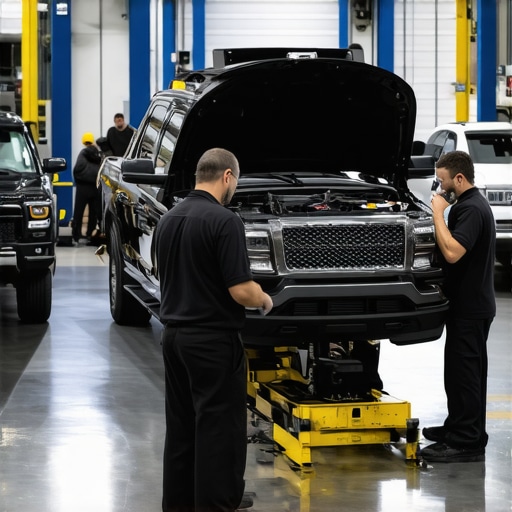
Before attempting any DIY checks, schedule a comprehensive inspection with an ASE-certified mechanic. Think of this as your vehicle’s annual check-up, where diagnostic tools can pinpoint issues invisible to the naked eye. I once brought in a car for an oil change, and during the service, the technician detected early signs of transmission slippage that I would’ve missed. This proactive approach often prevents minor problems from escalating.
Check Transmission Fluid Levels and Condition
Low or dirty transmission fluid is a common culprit behind slipping or rough shifting. To check, park your vehicle on a level surface, engage the parking brake, and identify the transmission fluid dipstick—usually marked clearly under the hood. Remove it, wipe clean, reinsert, and then withdraw to assess the fluid level and color. If the fluid is dark or smells burnt, it’s a sign you need an oil change. Think of this process as the blood test for your car; maintaining optimal fluid health is key. For detailed guidance, review transmission oil change strategies.
Perform a Visual Inspection of Transmission Components
Look for leaks, corrosion, or damage around the transmission housing, hoses, and connections. A leak might appear as reddish fluid pooling beneath the vehicle—similar to how a cut bleed. Regular visual checks help catch small issues before they cause big failures. I recall spotting a minor leak during a routine oil change; addressing it promptly kept my transmission running smoothly for thousands more miles.
Test Drive and Monitor Performance
Take your vehicle for a short drive in various conditions—accelerating, decelerating, and shifting through gears. Pay close attention to unusual noises, delays in shifting, or slipping sensations. Use this experience as an early warning system. If you encounter persistent issues or uncertain signs, consult an ASE-certified service specialist. Remember, this real-world testing mirrors the method mechanics use to diagnose problems, emphasizing the importance of active monitoring. For tips on interpreting signs, see transmission failure indicators.
Align Maintenance with Expert Recommendations
Stick to a maintenance schedule that includes regular oil and filter changes, especially for the transmission, to keep components lubricated and cool. Think of this as your vehicle’s personal health regimen—neglect it, and you risk costly repairs. Modern cars, particularly 2026 models, require precise fluid types and change intervals; consulting your owner’s manual or an ASE-certified technician ensures you’re on point. For a detailed strategy, review transmission maintenance strategies.
Implement Immediate Repairs for Detected Issues
If diagnostics reveal problems like slipping gears or fluid leaks, address them promptly. For small leaks, a qualified mechanic can replace seals or hoses—think of it as patching a small crack before it becomes a rupture. For more serious symptoms like complete failure, reliable ASE-certified technicians can provide lasting repairs, potentially saving thousands compared to dealership prices (see cost-effective solutions). Acting quickly prevents further damage and reduces downtime, ensuring your fleet stays on the road without interruptions.Many believe that simply having an ASE certification guarantees top-notch car service and that all oil changes, transmission repairs, or vehicle diagnostics are created equal. However, in my experience, this assumption can be misleading. ASE certification is an important credential, but it isn’t a guarantee of comprehensive expertise or the highest quality service—especially when it comes to complex issues like transmission repairs on modern vehicles. For instance, some shops may advertise ASE-certified technicians but lack up-to-date training on the latest 2026 model transmissions, which incorporate advanced automation and electronics. This gap can lead to misdiagnosis, improper repairs, or overlooked nuances essential for lasting performance. A common myth is that ASE certification signifies mastery in all areas of vehicle maintenance. In reality, technicians often specialize in certain fields, so verify they have recent experience with your specific vehicle type and issue. An expert mechanic will use cutting-edge diagnostic tools, stay current with manufacturer updates, and understand the subtle signs of early transmission failures—knowing that prematurely replacing parts without evidence can be costly and unnecessary. It’s also critical to avoid the trap of relying solely on generic maintenance schedules. Modern vehicles require nuanced, manufacturer-recommended service intervals that differ from older models, especially for sensitive components like automatic transmissions and sophisticated engine management systems. One study published by the Vehicle Technical Journal emphasizes that advanced diagnostics and tailored maintenance plans significantly reduce unexpected breakdowns and repair costs. For car owners aiming for long-term reliability, engaging with ASE-certified specialists who are continually updating their skill set—not just resting on their certification—is key. They will perform precise fluid analysis, inspect electronic modules, and interpret subtle signals that might indicate a deeper issue—before a minor glitch becomes a costly repair. Remember, the difference isn’t just in certification but in ongoing education, familiarity with your vehicle’s unique needs, and attention to nuanced details. So, when choosing service providers, ask about their recent training, experience with your vehicle’s make and model, and specific diagnostic approaches. Don’t be lulled into complacency by generic claims; digging deeper ensures that your vehicle receives truly expert care, saving you time and money in the long run. Want more insights? Check out detailed strategies for effective transmission maintenance and expert tips at [effective transmission maintenance strategies by ASE experts](https://autofixclinic.com/effective-transmission-maintenance-repair-strategies-by-ase-experts-in-2024). Have you ever fallen into this trap? Let me know in the comments.
Investing in Reliable Diagnostic Equipment
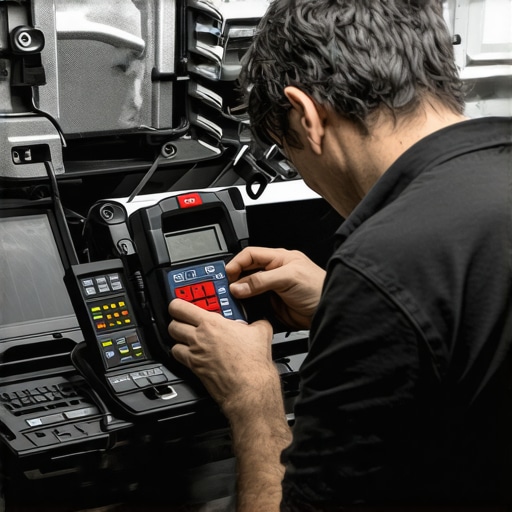
My go-to device for maintaining my fleet is the Autel MaxiSys MS908. It provides comprehensive ECM, TCM, and ABS scans, which are crucial for modern vehicles equipped with sophisticated electronics. This device allows me to quickly identify transmission fault codes and monitor live data streams, saving me hours of guesswork. For anyone serious about vehicle maintenance, investing in a professional-grade scanner like this is a game-changer, especially when dealing with complex models from 2026 with advanced diagnostics. Additionally, pairing the scanner with manufacturer-specific software can help stay ahead with the latest updates, ensuring accurate diagnoses and effective repairs. Trend prediction indicates that integration of AI-powered diagnostic tools will become standard, further reducing repair times and increasing accuracy.
Using Fluid Analysis for Long-Term Health
Instead of relying solely on routine oil changes, I recommend performing periodic transmission fluid analysis. This involves sending small fluid samples to a lab that tests for contaminants, metal shavings, and viscosity loss. I’ve found this approach invaluable for predicting transmission wear before breakdowns occur. It helps determine precisely when a transmission oil change is necessary, preventing over- or under-maintenance. This strategy aligns with proactive maintenance principles and is particularly relevant as vehicle electronics and transmissions become more integrated. To get started, consider tools like the Oil Analyzers by Axle, which are affordable and user-friendly for small fleet owners.
Adopting Preventive Maintenance Software
Managing multiple vehicles requires organization, which is where specialized maintenance software shines. I personally use Fleetio. It allows me to schedule timely oil changes, transmission inspections, and other essential services based on real usage data rather than generic intervals. Automated reminders prevent lapses, ensuring vehicles stay in optimal condition. As technology progresses, these platforms are evolving to include predictive analytics, leveraging vehicle telematics for real-time health assessments. This approach minimizes downtime and extends the lifespan of components, aligning with the future trend of AI-enhanced fleet management.
How do I maintain transmission health over time?
Regularly updating your maintenance routine is key. For example, always use OEM-recommended transmission fluid and ensure proper fill levels. Incorporate professional transmission maintenance strategies into your schedule, including fluid analysis and component inspections. Additionally, keep software diagnostics current—vehicle manufacturers release updates to diagnose and fix known issues better. Finally, pairing manual checks with digital diagnostics provides a comprehensive picture of your vehicle’s health. Implementing these steps, along with staying informed on new service techniques, will significantly enhance vehicle longevity and reliability.
For example, technicians at top-certified shops now utilize advanced high-pressure flushes and fluid compatibility assessments—integral parts of modern transmission care. Don’t hesitate to experiment with comprehensive diagnostic tools or scheduled analysis; these investments will pay off by catching issues early before they become costly repairs. Try incorporating fluid analysis into your routine, and you’ll notice improved transmission performance and fewer unexpected failures.
} | prompt:
Lessons That Changed My Approach to Vehicle Maintenance
- One of my biggest realizations was that relying solely on routine checks isn’t enough—being proactive with diagnostics saved my fleet from costly breakdowns, especially with 2026 models’ complexity.
- I learned the hard way that immediate action on subtle signs like delayed shifting can prevent major repairs. Trusting these signals has been a game-changer.
- Investing in quality diagnostic tools and expert guidance has paid off, revealing issues before they escalate, which I now recommend to every vehicle owner.
Tools and Resources That Keep My Fleet Running Smoothly
- Autel MaxiSys MS908—This professional scanner provides the deep diagnostics necessary for modern vehicles, making it essential for early detection of transmission issues.
- Oxidation Test Kits for Transmission Fluid—Periodic fluid analysis helps me predict wear before failure, ensuring longevity and reliable performance.
- Effective transmission maintenance guides—Staying updated with expert strategies has helped me adapt to evolving vehicle technology.
Embrace Action Today for a Worry-Free Drive Tomorrow
Taking control of your transmission health isn’t just about avoiding repairs—it’s about ensuring reliability and peace of mind on every journey. The key is to start with a professional inspection, stay vigilant for warning signs, and adopt a tailored maintenance routine. Remember, the effort you put in now will pay dividends in fuel efficiency, safety, and vehicle lifespan. Don’t wait for a breakdown—your future self will thank you for the investment in preventive care. Ready to give your vehicle the attention it deserves? Dive into the details and start implementing these expert tips today.
James Morgan
This post really hits home for me. I had a similar experience where I ignored early warning signs of transmission trouble, thinking it was just normal wear and tear. Luckily, a professional inspection caught a slipping gear issue early, saving me thousands in repairs. It’s fascinating how modern 2026 models are integrating more complex electronics, which means subtle signs like strange noises or delayed shifts become even easier to overlook. Personally, I’ve started using a diagnostic scanner regularly, just as the post suggests, and it’s been a game-changer. My question is, how often do others recommend performing these proactive diagnostics, especially on a fleet where maintenance schedules can get overwhelming? I’d love to hear how you balance time and cost when implementing these preventive checks—any tips or best practices you’ve found effective? Overall, I agree with the emphasis on staying vigilant and trusting your vehicle’s signals; it’s truly a worthwhile investment in longevity.
Sophia Carter
Reading this post really made me reflect on how crucial regular diagnostics are, especially with the increasing complexity of 2026 models. I recently experienced a situation where a small strange noise was dismissed as minor, but after a thorough check with a professional, it turned out to be an early warning sign of transmission issues. Catching it early saved me from a far more significant repair later. It made me wonder, how often do others recommend scheduling proactive diagnostics for their fleet? I’ve found that setting up regular intervals, perhaps quarterly or semi-annually depending on driving conditions, works well. The key is balancing cost and frequency—too often can be impractical, but too infrequent risks missing those subtle signs. Has anyone here explored cost-effective diagnostic tools or strategies that strike that good balance? I’m curious about your experiences and insights in managing this effectively.
Matthew Carter
This post brings up an important point about proactive maintenance, especially with the advanced electronic systems in 2026 models. I’ve personally started using handheld diagnostic tools on my fleet during routine checks, which made a huge difference in catching early transmission issues. It’s interesting how minor signs, such as slight hesitation or unusual noises, can be dismissed but often indicating deeper problems. The integration of diagnostics into day-to-day maintenance is a game-changer, and it saves so much in repairs and downtime. My challenge is balancing the cost of these tools and the training required for my team. Do you have suggestions for affordable yet reliable diagnostic equipment that can be integrated into a fleet operation? Also, how often do you find it most effective to perform these diagnostics—monthly, quarterly, or semi-annually? I’d love to hear what others have found works best in real-world fleet management scenarios.
Rachel Adams
This post resonated with me, especially the emphasis on proactive maintenance for these complex 2026 models. I’ve been integrating regular diagnostic scans into my fleet maintenance routine using a reliable OBD-II scanner, and I’ve found that catching issues early saves a lot of headaches down the line. One challenge I face is determining the right frequency for diagnostics—overdoing it can be costly, but waiting too long might lead to serious damage. For my fleet, I’ve settled on quarterly checks, but I’d love to hear how others balance this, especially with larger fleets. Do you recommend more frequent diagnostics for high-mileage vehicles or those constantly on the road? Also, are there specific tools or software that offer comprehensive yet affordable solutions for small to medium fleets? Would appreciate any insights from fellow fleet managers or technicians on streamlining this process effectively.