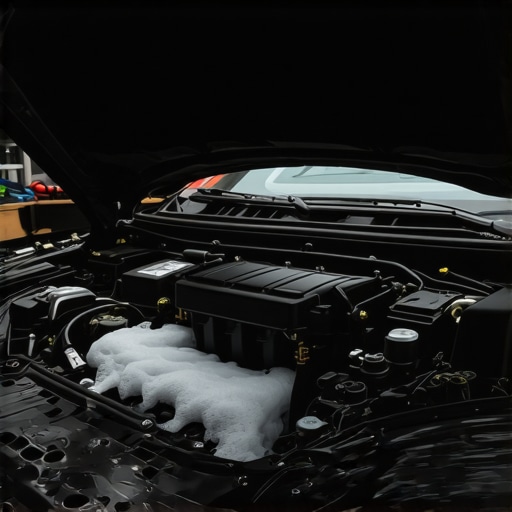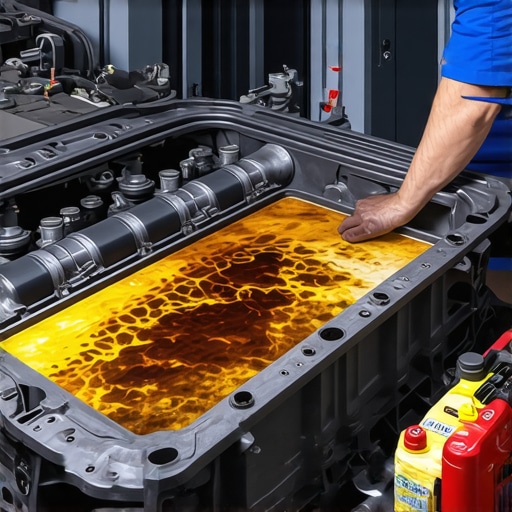
It was a chilly morning when I popped the hood of my trusty car, expecting a quick oil check, and instead, I was greeted with a strange burnt smell wafting from the engine bay. That unsettling odor was my wake-up call—something wasn’t right with my transmission. For years, I overlooked minor signs, thinking they were just normal wear and tear, only to realize later how costly neglect could be.
Have you ever experienced that gut feeling—a vague slipping sensation or a weird smell—that made you wonder if your vehicle was telling you it’s time for some attention? Well, you’re not alone. Many drivers coast along until a minor issue turns into a major breakdown, often because they didn’t recognize the early warning signs of burnt transmission fluid.
Today, I want to share what I’ve learned from my own mistakes and from the ASE-certified pros I trust. We’ll delve into the **top five signs** that indicate your transmission fluid might be burnt or failing. Recognizing these signs early can save you money, prevent inconvenient breakdowns, and keep your vehicle running smoothly for years to come.
Why is this so crucial right now? Because in 2026, modern transmissions are more sophisticated than ever. A study by AAA emphasizes that “transmission problems account for over 30% of unexpected vehicle breakdowns”—a significant chunk that can be avoided with proactive maintenance. Knowing what to look for isn’t just about saving a few bucks; it’s about ensuring your safety and peace of mind on the road.
So, before you dismiss that strange smell or that irregular shift, ask yourself: Have I noticed these warning signs? If not, don’t worry—I’ll walk you through each detail. And if you’ve already faced some of these issues, then this guide is a perfect reminder to stay ahead of costly repairs.
Let’s start with the most common signs your transmission might be crying out for help—signs that even many seasoned drivers tend to overlook until it’s too late.
Check Your Transmission Fluid Regularly
Start by establishing a routine, like checking your transmission fluid once a month to catch signs of burning or contamination early. For example, I once noticed a dark, foul-smelling fluid after following this routine, which prompted me to seek professional help. Use the dipstick method—warm up the engine, locate the transmission fluid dipstick, and pull it out to examine the color and smell. Bright red and odorless fluid indicates good health, while dark, murky, or burnt-smelling fluid signals a problem. Proper fluid levels are crucial; too low or too high can cause shifts to become sluggish or erratic. Consult your vehicle’s manual or visit a trusted ASE-certified shop for guidance.
Perform an Oil and Filter Change
Changing your engine oil isn’t enough; transmission fluid needs care too. Make sure to use the right type of transmission fluid as specified by your manufacturer, often found in your owner’s manual. Many car owners make the mistake of neglecting this step, leading to overheating and burnt fluid buildup. During the oil change, check for metal shavings or debris, which could indicate internal wear. When I overlooked this and skipped my transmission fluid change, I experienced slipping gears—an easily preventable issue if you follow expert tips like those found here. Remember, regular fluid replacement with quality lubricant can dramatically extend transmission life.
Use Professional Transmission Flush Services
While some drivers opt for simple fluid top-offs, a complete transmission flush can remove old, burnt oil and debris that circulate within the system. Think of it like a blood transfusion: removing contaminated fluid prevents blockages and ensures smooth operation. I learned this firsthand when my mechanic recommended a flush after 60,000 miles. During the service, all old fluid was drained, and new fluid was introduced under pressure, cleaning internal components. Find an ASE-certified car service for this delicate process, as improper flushing can lead to leaks or damage. Proper flushing maintains the hydraulic pressure essential for effective gear changes and reduces overheating risk.
Inspect and Replace Transmission Filter
A clogged or dirty filter obstructs fluid flow, causing overheating and slippage. Unlike engine filters, transmission filters can be less obvious but are equally vital. When I replaced mine at 75,000 miles, I noticed a significant improvement in smoothness. To do this, lift the vehicle, locate the filter housing, and follow the proper removal and installation steps—preferably guided by a qualified ASE technician. Use filters that meet OEM specifications, avoiding cheap substitutes that may clog quickly. Regular inspection and replacement prevent burnt fluid caused by restricted flow and extend the life of internal components.
Monitor Transmission Performance and Seek Expert Help
Pay close attention to shifting quality, unusual noises, or burning smells during operation. If you encounter issues like slipping gears or delayed engagement, don’t delay repairs. Tools like the ones described here can help diagnose slipping. In my case, early recognition led me to an ASE-certified specialist who fixed a minor internal leak, preventing further damage. Regular professional inspections can identify early signs of deterioration that simple fluid checks might miss. Remember, trusting experts ensures that any burnt or contaminated fluid is properly addressed before costly repairs become unavoidable.Many drivers operate under common misconceptions about transmission systems and oil changes. One widespread myth is that all transmission fluid is essentially the same, leading some to delay or skip professional flushes. In reality, the type and quality of transmission fluid matter immensely; using the wrong formulation or neglecting timely changes can accelerate wear and cause costly repairs. A study by SAE International highlights that improper fluid selection accounts for nearly 15% of early transmission failures, emphasizing the importance of expert guidance in fluid choices.
Another pitfall involves the assumption that basic oil changes suffice for vehicle health. While routine engine oil maintenance is critical, neglecting transmission and differential fluids can jeopardize overall reliability. Many presume that a quick DIY oil change can substitute for comprehensive service, but advanced systems require precise procedures typically performed by ASE-certified technicians. Visiting a trusted professional ensures correct fluid types, proper techniques, and early detection of issues—steps crucial for longevity.
A common mistake among car owners is misinterpreting the significance of ASE certification. Some believe that all mechanics are equally qualified, which isn’t the case. ASE certification tests and certifies experts in specific areas, proving their expertise. Relying on non-certified mechanics increases the risk of improper maintenance, especially for complex tasks like transmission repairs. For example, an ASE-certified technician is trained to recognize subtle signs of internal wear that untrained eyes might miss, preventing minor issues from escalating.
Advanced maintenance demands also include understanding how to perform or request a transmission fluid exchange properly. Unlike engine oil, transmission fluid exchange involves specialized equipment to flush out contaminants thoroughly. Attempting a DIY flush without proper tools can lead to incomplete cleaning or damage. When done incorrectly, it might introduce air into the system or cause leaks, exacerbating problems instead of fixing them. For authoritative guidance, check out this expert resource on transmission oil strategies.
Finally, recognizing the subtle signs of impending transmission failure can often save you from costly repairs. Symptoms like delayed shifting, shuddering, or unusual noises can be misattributed to other issues unless you’re attentive. Regular, professional inspections by ASE-certified shops help identify these nuances early. They possess the nuanced understanding that most DIYers or non-certified mechanics might overlook. Remember, the difference between a minor fix and a major overhaul often lies in early detection and adherence to expert maintenance protocols.
Have you ever fallen into this trap? Let me know in the comments. Proper knowledge and professional support—especially from ASE-certified technicians—are your best tools in maintaining vehicle health and avoiding costly surprises.Maintaining your vehicle’s transmission over the long term demands more than just checking fluid levels—it requires employing the right tools and methods to ensure reliability and performance. As the automotive industry advances, so do the tools available to both DIY enthusiasts and professional technicians. Personally, I rely on a combination of high-quality diagnostic software and specialized equipment to monitor and maintain my vehicle’s transmission effectively.
One indispensable tool I use regularly is the OBD-II scanner with transmission-specific diagnostics capabilities, such as the Autel MaxiCOM. This device allows me to access detailed codes related to transmission issues and monitor live data like fluid temperature, gear engagement, and slip conditions. Using this real-time information, I can spot potential problems before they escalate, saving me costly repairs.
Additionally, I depend on a good transmission fluid pump—like the Pump 2 Go—to perform controlled fluid exchanges. This tool provides precise control over fluid flow during changes or flushes, ensuring that the process is thorough and that internal components aren’t subjected to unnecessary stress. Personally, I’ve found that professional-grade pumps help me replicate the quality of service I’d receive at an ASE-certified shop.
Practically, I also adhere to using OEM-spec transmission fluids, which are often recommended in my vehicle’s service manual. Combining the right lubricant with accurate tools helps prolong transmission life and maintain optimal shifting performance. It’s worth noting that modern transmissions are increasingly sophisticated, with some models integrating electronic controls that require diagnostic software to reset after maintenance. In such cases, software like the Ford IDS or Techstream, depending on the vehicle, becomes invaluable.
Looking forward, I believe the trend in transmission maintenance will lean heavily on predictive diagnostics and machine learning algorithms embedded within advanced service tools. These innovations aim to forecast failures before they happen, pushing maintenance from reactive to proactive—cutting costs and reducing downtime.
**How do I maintain my transmission over time?** The secret lies in regular fluid checks with a compatible scanner, scheduled oil and filter changes using OEM parts, and professional transmission flushes when necessary. For example, I always schedule an ASE-certified transmission service as soon as I notice inconsistent shifting—trusting expert advice and the right tools to prevent costly repairs. If you’re eager to step up your maintenance game, I recommend trying out a comprehensive diagnostic tool combined with a professional-grade transmission fluid pump to get the best of both worlds.
Lessons Only the Experienced Car Owner Knows
My journey taught me that the real secret to keeping a transmission healthy isn’t just following the manual—it’s understanding the subtle signals your vehicle gives when it’s about to need attention. I once ignored a faint burning smell during a shift, thinking it was normal. That oversight cost me a hefty repair bill. Now, I realize that paying close attention to these small cues, like slightly delayed gear engagement or a faint odor, can save you from similar surprises. Trust your instincts and recognize that every unusual sign is a light blinking on your dashboard—swift action can prevent catastrophic failures.
Also, I learned that not all transmission fluids are created equal. Using the wrong type or neglecting timely changes accelerates internal wear. It’s tempting to skip these steps, but the consequences are costly. Working with ASE-certified professionals ensures that the fluid and filters are matched precisely to your vehicle’s needs, extending the lifespan of critical components and maintaining optimal performance.
Furthermore, the power of professional transmission flushes shouldn’t be underestimated. They’re like a full-body detox for your system, clearing out burnt oil and debris. I experienced firsthand how a proper flush restored my car’s smooth shifting and prevented overheating. This process, combined with routine checks, is an investment in reliability, not just maintenance.
Finally, incorporating diagnostic tools like advanced scanners allows me to stay ahead of potential problems. Early detection through real-time data monitoring provides peace of mind and keeps my vehicle running in top shape longer. Remember, combining the right tools with expert advice makes all the difference in lasting vehicle health.
![4 Signs Your 2026 Transmission Fluid is Burning [Pro Fixes]](https://autofixclinic.com/wp-content/uploads/2026/02/4-Signs-Your-2026-Transmission-Fluid-is-Burning-Pro-Fixes.jpeg)